
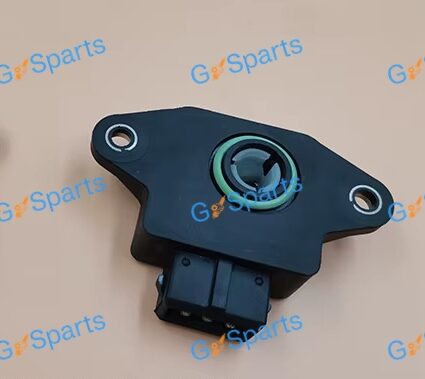
BYD TPS Throttle Position Sensor 471Q-1L-1107800 – OEM-Grade Precision, Smoother Idle & Reliable Power
Throttle Position Sensor for BYD F3, F3R, G3, G6, L3, S6, E6, Tang, Song, Qin, F5, G5 (2005–2019). Electric TPS, 2‑wire. Direct replacement — verify fitment by VIN.
Did you like this product? Add to favorites now and follow the product.

(+86) 180 07 12 47 38 WhatsApp, Telegram, WeChat
Description
OEM‑style throttle position sensor (TPS) for BYD applications. Compatible models/years: BYD F3, F3R, G3, G6, L3, S6, E6, Tang, Song, Qin, F5, G5 (2005–2019). OEM/reference: 471Q-1L-1107800. Specification: Electric TPS, 2‑wire. Common brands/cross references: BYD OEM. Fitment note: Genuine‑style OEM reference; confirm with VIN/engine code. Always compare connector and mounting with your original sensor.
Driveability Starts with an Honest Throttle Signal
A confident, easy-to-guide vehicle hinges on how faithfully the ECU interprets your right foot. When the throttle signal is clean and linear, fueling and spark stay composed, idle holds steady, and gear changes feel intuitive. If the signal jitters or drifts, you’ll notice hesitation, odor after short trips, and inconsistent creep in traffic. Replacing an aging reader with a part that mirrors factory geometry and electrical behavior restores calm immediately. That’s the practical promise behind BYD TPS Throttle Position Sensor 471Q-1L-1107800, which delivers the sweep the controller expects so everyday maneuvers—merging, parking, and gentle ramps—feel precise again.
How the ECU Uses Angle Data to Make Millisecond Decisions
Modern control logic blends airflow, manifold pressure, rpm, temperature, and throttle angle to orchestrate injection and ignition. The more stable the angle signal, the more confidently the ECU can anticipate torque, keep trims tight, and maintain catalyst-friendly combustion. Noise in that signal forces the system to “hunt,” creating the low-speed surging drivers hate. Installing BYD TPS Throttle Position Sensor 471Q-1L-1107800 resets the baseline to a predictable curve, helping the controller avoid unnecessary enrichment spikes and steady the idle air strategy. The result is an engine that feels awake yet relaxed, translating small pedal changes into proportional torque without the rubber-band sensation that creeps in when intent data goes stale.
Fitment Precision: Why Application-Correct Beats Look-Alike
Throttle sensors can look similar while differing in connector indexing, shaft interface, and voltage curve. A “close” part may bolt up but map angle incorrectly, causing nuisance codes and clumsy shifting. Confirming VIN-based application, connector face, and alignment marks prevents those spirals. Choosing BYD TPS Throttle Position Sensor 471Q-1L-1107800 locks in the geometry and calibration the platform expects, so the harness lies naturally, the plug clicks decisively, and the ECU recognizes the sweep on the first key cycle. That correctness shortens verification to a simple warm idle and short loop, trading trial-and-error for a first-time fix that feels right from the very first block.
Connector Handling and Harness Routing for Long-Term Stability
Signal quality depends on more than the internal element; it also lives or dies by how the connector and harness are treated. Keep the plug clean, support the shell as you latch it, and route the loom with relaxed slack so engine motion doesn’t tug terminals. Avoid proximity to high-heat castings and coils that add electrical noise. Because BYD TPS Throttle Position Sensor 471Q-1L-1107800 is keyed for the application, the harness path falls into place without strain. That simple, repeatable discipline prevents fretting at pins and preserves a noise-free reference, turning your replacement into months of quiet reliability rather than another intermittent to chase later.
Inside the Housing: Materials, Seals, and Repeatable Output
Heat-stable polymers keep form at the throttle body, while seals block moisture and dust that can scratch tracks or disrupt Hall elements. Terminal metallurgy and tension protect contact integrity through vibration and seasonal expansion. Together, these design choices produce a smooth, monotonic voltage rise and a crisp return to rest—exactly what the ECU expects during idle control and light-throttle cruising. The construction behind BYD TPS Throttle Position Sensor 471Q-1L-1107800 is specified for repeatability in winter cold starts and summer heat soak alike, sustaining the calm, proportional feel that makes urban driving easier and long highway stretches less tiring for both engine and driver.
Subtle Symptoms that Point to a Tired Reader
Most throttle readers don’t fail dramatically; they fade. Common tells include a slight stumble leaving a stop, a gentle surge at steady neighborhood speeds, or an idle dip when fans or headlights cycle. Occasionally a correlation check between airflow and angle sets a code, but often the only sign is that the vehicle feels argumentative at small inputs. Once you’ve ruled out vacuum leaks and linkage binding, replacing the source of intent data with BYD TPS Throttle Position Sensor 471Q-1L-1107800 typically clears the haze. You’ll notice steadier creep in traffic, less brake modulation in tight parking, and a quiet disappearance of the compensations you didn’t realize you were making.
Preparation: Setting Up a Clean, Predictable Install
Good work starts before the first screw turns. Park level, let the bay cool, and wipe dust from the throttle body so grit can’t migrate into the connector. Photograph the original orientation, inspect loom clips and return-spring action, and stage the correct driver bit with a small torque tool if specified. A mirror helps confirm indexing marks during seating. With these basics in place, installing BYD TPS Throttle Position Sensor 471Q-1L-1107800 becomes a short, confident sequence instead of an improvised repair. Preparation also streamlines verification because you can trust both the mechanical and electrical foundations you just refreshed.
Installation: Seating, Torque Balance, and Strain Relief
Hand-start fasteners so the housing seats squarely, then tighten evenly to spec—over-torque distorts plastic and misaligns internals. Support the connector shell as you latch; don’t lever on the loom. Confirm relaxed slack for engine rock and no path toward hot castings or sharp edges. Cycle the throttle by hand to check full travel and crisp return. Executed calmly, this routine ensures the ECU reads a pristine sweep from BYD TPS Throttle Position Sensor 471Q-1L-1107800 on first start, which you’ll feel as immediate tip-in clarity and an idle that doesn’t wander when accessories add load.
Alignment and Relearn: Teaching the ECU the New Baseline
Many platforms memorize closed-throttle angle and compensation thresholds. After installation, key-on without touching the pedal to allow baseline capture, then start and let the engine warm quietly. Some models include a simple relearn or short drive sequence—follow it without stacking heavy electrical loads. Once adaptation completes around BYD TPS Throttle Position Sensor 471Q-1L-1107800, trims narrow and low-speed finesse returns. You’ll sense it as proportional torque delivery on gentle ramps and steady holding on small grades, with the ECU no longer second-guessing a drifting signal.
Live Data Confidence: Seeing What You Feel on the Road
A quick scan snapshot turns impressions into evidence. Watch throttle angle climb smoothly with small pedal changes while airflow and manifold pressure correlate cleanly. Idle timing should settle, and short-term trims should hover near target. If you spot steps or noise, recheck connector seating and routing. Most of the time, installing BYD TPS Throttle Position Sensor 471Q-1L-1107800 produces tidy traces that mirror the drive: precise creeping, predictable turn-in to parking spaces, and cruise that needs less pedal to maintain speed because intent data is finally trustworthy again.
Low-Speed Control, Parking Manners, and Tip-In Smoothness
City driving exposes inconsistencies more than highway miles. You want inch-forward accuracy in tight spaces, a calm idle when lights or fans cycle, and a throttle that feels like a dimmer instead of a flicker. With clean angle feedback, the ECU preps airflow and spark ahead of small torque requests rather than reacting late. Fitting BYD TPS Throttle Position Sensor 471Q-1L-1107800 brings those qualities back into focus, easing daily maneuvers and shrinking the mental load of compensating with extra brake or exaggerated pedal for behavior that should have been simple in the first place.
Fuel Economy and Catalyst Health from Fewer Spikes
A jittery signal can trigger unnecessary enrichment during tiny transients, wasting fuel and heating the catalyst unevenly. Return accuracy and those spikes vanish. At cruise, a steady map keeps trims tight, so the engine makes required torque with less fuel and less vibration. Over weeks, that subtle steadiness becomes fewer fuel stops and a cleaner tailpipe after short errands. The stable intent data supplied by BYD TPS Throttle Position Sensor 471Q-1L-1107800 helps the ECU spend more time in catalyst-friendly conditions, which shortens the path to readiness and makes inspection a routine errand rather than a project.
Transmission Harmony Where Load Signals Matter
Many automatic transmissions consult throttle angle for line pressure and shift timing. If that signal jitters, upshifts may thump and downshifts may lag. Stabilizing the source aligns engine torque with gearbox strategy, so gear changes arrive as expected. With BYD TPS Throttle Position Sensor 471Q-1L-1107800 feeding a clean sweep, the transmission reads intent accurately—measured during cruise, decisive when merging—making the car feel cohesive again on rolling terrain and in stop-and-go.
A Diagnostic Path that Avoids Parts Roulette
Start simple: inspect loom sections for rub marks near brackets, clean and torque grounds, and scan for codes tied to plausibility or correlation. Compare angle against airflow; a linear but offset trace suggests adaptation, while jitter hints at electrical noise. When peripherals check out, address the source by installing BYD TPS Throttle Position Sensor 471Q-1L-1107800 rather than stacking compensations elsewhere. This method converts a recurring annoyance into a stable baseline, saving time today and clarifying any future diagnostics built on top of a trusted input.
Electrical Hygiene: Grounds, Shielding, and Noise Prevention
Even excellent hardware can’t overcome a weak electrical path. Confirm bright-metal contact at ground eyelets, proper torque at fasteners, and intact shielding where the loom crosses ignition components. Keep the connector dry and firmly latched. A simple voltage-drop test under accessory load reveals hidden weaknesses that masquerade as throttle drift. With those basics sorted, BYD TPS Throttle Position Sensor 471Q-1L-1107800 can deliver the smooth, repeatable output the ECU expects, which shows up as calmer idle control and fewer micro-corrections during steady cruising.
Maintenance Habits that Preserve Accuracy for the Long Haul
A sealed intake tract, a fresh air filter, and prompt repair of vacuum leaks keep idle control from working overtime and reduce residue near the shaft. During oil changes or other service, glance at loom clips and verify the connector latch still feels crisp. Avoid drenching the area with harsh cleaners; cover the plug if you must spray. These small routines help BYD TPS Throttle Position Sensor 471Q-1L-1107800 maintain its clean sweep month after month, turning the immediate post-install refinement into the everyday personality of the car.
Authentic Sourcing: Why a Trusted Channel Matters
Look-alike components can hide soft terminals, poor sealing, or inconsistent sweeps that drift quickly and trigger intermittents. Reputable sources provide crisp connector photos, traceable packaging, and clear application matching. Selecting BYD TPS Throttle Position Sensor 471Q-1L-1107800 from a trusted supplier ensures the ECU receives the curve it was tuned around, protecting your schedule from repeat visits driven by bargain hardware that couldn’t hold calibration in heat and vibration.
Packaging and Handling: Protecting Precision Before It Protects You
Transit and unboxing habits influence outcomes. Immobilizing trays prevent pin deformation, terminal caps keep dust out, and anti-static bags help during storage. On the bench, keep the connector covered until you click it home and avoid setting the unit on gritty surfaces. These courtesies make sure BYD TPS Throttle Position Sensor 471Q-1L-1107800 reaches the throttle body in perfect condition, so your first start confirms success rather than introducing a mystery caused by bent pins or contamination.
Workshop and Fleet Advantages of Standardization
Service teams thrive on predictable installs and repeatable results. Standardizing on an application-correct reference simplifies stocking, shortens onboarding, and cuts comebacks because procedures and outcomes become consistent. Pair a five-minute verification loop with simple documentation—orientation photo, torque value, live-data screenshot—and you’ll turn a common drivability complaint into a routine victory. In that environment, BYD TPS Throttle Position Sensor 471Q-1L-1107800 becomes a process anchor that delivers results drivers appreciate and managers can plan around.
Seasonal Consistency from Frosty Starts to Heat-Soaked Traffic
Cold mornings contract materials and expose marginal connectors; summer queues test routing and seals with sustained heat. A well-built reader paired with tidy wiring shrugs off both extremes, so the vehicle behaves the same in January and July. Plan a quick follow-up glance a week after installation to confirm clips stayed put and the loom hasn’t migrated. With BYD TPS Throttle Position Sensor 471Q-1L-1107800 reporting reliably, seasonal personality fades and the car keeps its composed manners no matter the forecast.
Tuning and Upgrades: Build on a Stable Baseline
Any calibration work, intake improvements, or exhaust changes rely on predictable driver-intent data to map transient fueling with finesse. If the baseline wobbles, even smart tuning feels twitchy at neighborhood speeds. Establish accuracy first, then refine. By providing a clean, repeatable sweep, BYD TPS Throttle Position Sensor 471Q-1L-1107800 lets pedal mapping feel intentional, torque requests align with real airflow, and gear changes land exactly where load models expect—turning potential into confidence you can actually feel after the work is done.
Product Page Clarity that Reduces Returns and Questions
Great ecommerce content answers silent questions up front: connector close-ups, alignment notes, mounting hardware callouts, and a succinct explanation of benefits. When images, attributes, and copy agree, buyers move confidently from cart to successful road test with fewer support contacts. That’s why our listing for BYD TPS Throttle Position Sensor 471Q-1L-1107800 shows the details that matter and explains installation in plain language, so you can confirm fit in seconds and get straight to a calm, predictable install.
Quick, Practical Answers to Common Pre-Purchase Questions
Is anti-seize required? Follow what the part ships with; excess can contaminate nearby surfaces. How long does relearn take? Usually a quiet warm idle and a short neighborhood loop. Can a universal unit work? Physical fit isn’t enough—choose application-correct to protect mapping. What if symptoms linger? Recheck latch and loom tension, then scan live data for a smooth angle trace. Most owners report immediate improvements after fitting BYD TPS Throttle Position Sensor 471Q-1L-1107800, including steadier idle, cleaner tip-in, and a dashboard that stays blissfully uneventful.
Case Story: From Hesitation and Idle Dips to Quiet Confidence
A customer described a faint surge at 35–45 km/h and idle dips when the A/C cycled. No codes appeared, but live data showed a choppy angle trace during gentle inputs. The shop inspected routing, cleaned the throttle bore, and installed BYD TPS Throttle Position Sensor 471Q-1L-1107800. After a calm relearn and short mixed drive, angle became linear, trims narrowed, and the driver reported easier parking and steadier cruise on mild grades. The lesson: when intent data is honest, everything downstream—spark, fueling, and shifts—feels intuitive again, precisely the outcome BYD TPS Throttle Position Sensor 471Q-1L-1107800 is designed to deliver.
Environmental Angle: Efficiency, Emissions, and Fewer Odor Events
Accurate throttle data keeps combustion close to stoichiometry during everyday driving, protecting converter efficiency and minimizing unburned hydrocarbons after short trips. With fewer enrichment spikes, you see steadier mileage and a faster path to readiness monitors. For households and fleets alike, those modest improvements compound into lower running costs and fewer retests. Anchoring the loop with BYD TPS Throttle Position Sensor 471Q-1L-1107800 is a simple, high-leverage step toward that cleaner, calmer pattern of use that owners appreciate and inspectors reward.
Final Takeaway: Restore the Easy, Predictable Drive You Expect
Great ownership is built from small, consistent wins—starts that settle, traffic that feels manageable, and shifts that arrive right on cue. Those wins depend on an honest throttle signal the ECU can trust every second. Replace uncertainty with a clean, application-correct input, install carefully, complete a brief relearn, and enjoy the result. With BYD TPS Throttle Position Sensor 471Q-1L-1107800 anchoring the control strategy, your vehicle returns to the intuitive, responsive character that makes every mile smooth, efficient, and pleasantly uneventful.
External Resources (Standards & Technical References)
- ISO 26262 — Road Vehicles Functional Safety
- ISO 11898 — Controller Area Network (CAN)
- ISO 14229 — Unified Diagnostic Services (UDS)
- SAE J1979 — OBD-II Diagnostic Test Modes
- AEC-Q100 — Stress Test for Automotive ICs
Related Internal Links
Additional information
| OEM / Reference | 471Q-1L-1107800 |
|---|---|
| brands | BYD OEM |
| Models & Years | BYD F3, E6, F3R, F5, G3, G5 (2005–2019), G6, L3, Qin, S6, Song, Tang |
| Specifications | 2‑wire, Electric TPS |
| Fitment note | Genuine‑style OEM reference; confirm with VIN/engine code. |
Related products


Recently Viewed Products


G-SPARTS – Leading Auto Parts Supplier Since 2009
Trusted by 1000+ Clients Worldwide | Chinese (BYD, Geely, Chery, …), Japanese (Toyota, Honda, Nissan, …), European (BMW, Mercedes, VW, …) & American (Ford, Chevrolet, Tesla, …) Car Spares | Best Prices & OEM Quality | 15+ Years Expertise | Professional Team, Fast Global Shipping
Copyright 2025 © G-Sparts All Rights Reserved. | Premium Chinese Auto Parts Supplier – Worldwide Shipping | Best Prices on OEM & Aftermarket Spares

Reviews
There are no reviews yet.