
Car Panel Gap Repair Guide: How to Fix
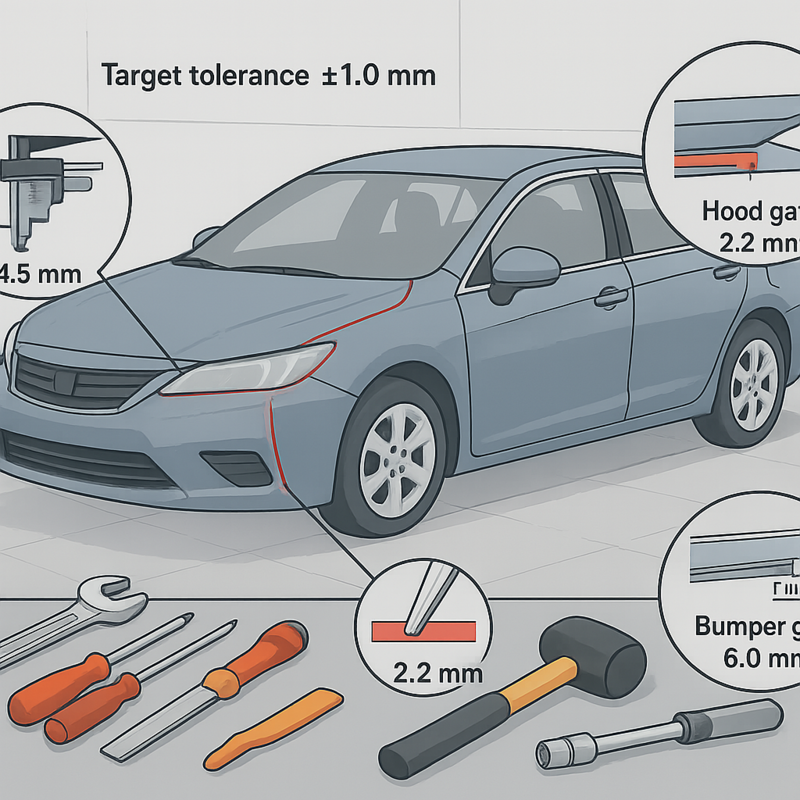
Car Panel Gap Repair Guide: How to Fix and Align Your Car Panels Perfectly
Ah, car panel gaps—the sneaky little spaces between your vehicle’s body panels that often go unnoticed until they start to drive you nuts. Think of them like that hole in your favorite sock: easy to ignore, but impossible not to see once it’s there. Uneven or oversized gaps between your car’s doors, hood, or bumpers aren’t just an eyesore—they can hint at bigger issues. Whether you’re after flawless aesthetics or structural soundness, fixing car panel gaps is a must. Ready to master panel gap repair? Let’s get started.
What Are Car Panel Gaps and Why Do They Matter?
Simply put, car panel gaps are the spaces between your vehicle’s body panels—doors, hoods, trunks, bumpers, and more. They might seem minor, but their impact is anything but.
Why You Should Care About Perfect Panel Gaps:
- Aesthetics: Uniform gaps scream “well cared-for,” showcasing your pride in your ride.
- Structural Integrity: Uneven or overly wide gaps sometimes indicate frame damage or poor previous repairs.
- Aerodynamics: Poorly aligned panels can increase drag and wind noise, ruining your ride’s smooth, quiet performance.
- Resale Value: Buyers value cars with precise panel alignment, making your vehicle stand out in the market.
- Protection: Tight seals keep dirt, water, and pesky critters from invading your car’s bodywork.
In short, panel gaps matter far beyond superficial looks—they play a vital role in your car’s overall health and performance.
Why Do Panel Gaps Become Uneven?
Before rushing into adjustments, it’s essential to understand what causes these gaps to go rogue:
- Accident Damage: Even minor collisions can knock panels out of alignment.
- Wear and Tear: Over time, hinges and fasteners loosen just like your favorite pair of jeans.
- Factory Variances: Some cars come with imperfect panel gaps straight from the assembly line.
- Previous Repair Mistakes: Amateur or rushed bodywork can leave gaps misaligned.
- Adjustment Failures: Bolts and mounts may shift or loosen, causing panels to drift out of position.
Knowing the why sets you up for a proper fix.
Essential Tools for Car Panel Gap Repair
Channel your inner auto pro with these tools:
- Screwdrivers (various sizes for different fasteners)
- Socket set and wrenches (to loosen and tighten bolts)
- Panel removal tools and pry bars (gentle on paint, tough on stubborn panels)
- Magnetic alignment pins or spacers (great for precise adjustments)
- Painter’s tape and markers (to mark problem areas)
- Flashlight or inspection light (spot those hard-to-see gaps)
- Torque wrench (to ensure bolts are tightened perfectly)
- Bonus: An assistant to hold panels steady
Ready your toolkit—it’s time to mind those gaps.
Step-by-Step Guide to Fixing and Aligning Car Panel Gaps
Step 1: Inspect and Identify Problem Areas
Park on a flat surface with ample lighting. Walk around your car, inspecting every door, hood, and bumper seam. Highlight uneven spots using painter’s tape so you can focus your adjustments.
Step 2: Loosen Fasteners Carefully
Loosen (but don’t remove) the bolts or screws holding the misaligned panel. Think of this as loosening a belt before tightening it properly.
Step 3: Adjust the Panels
Gently maneuver the panel by pushing, pulling, or nudging it into place. If possible, enlist an assistant to hold panels steady while you adjust. Look for hidden adjustment bolts near hinges or mounts that let you fine-tune position along multiple axes.
Step 4: Recheck Gaps Constantly
Partially tighten fasteners and regularly step back to examine the gaps from different angles and lighting. Use a flashlight to catch subtle inconsistencies or shadows.
Step 5: Tighten to Spec
Once gaps look perfect, use a torque wrench to tighten bolts to factory specifications. Avoid overtightening—too much force can cause panels to warp or misalign again.
Step 6: Final Touches
Replace any broken clips or rusty fasteners. Clean smudges and consider adding foam tape or rubber gaskets in stubborn gap areas to refine seals for that flawless finish.
Pro Tips for Specific Panels
- Hoods & Fenders: Adjust rubber bump stops by twisting them to raise or lower panel edges.
- Doors: Hinges and striker bolts adjust sagging doors; sometimes hinge replacement is the way to go.
- Bumpers: After loosening screws, slide bumpers gently into alignment—remember, plastic panels require a gentle touch.
When to Seek Professional Help
If your car’s panel gaps resemble abstract art or you spot rust, cracked panels, or frame damage, it’s time to call the pros. Precision paint matching after repairs is another reason to seek expert service to keep your car looking showroom fresh.
Keeping Your Panel Gaps Perfect
- Avoid slamming doors hard—gentle closes preserve alignment.
- Regularly inspect fasteners, especially after rough roads.
- Address collision damage promptly to prevent worsening gaps.
- Use the right tools for any panel adjustments to avoid unintended damage.
Final Thoughts: Perfect Panel Gaps Are Worth the Effort
Fixing and aligning car panel gaps isn’t just about appearances—it reflects the care and attention you give your vehicle. With a bit of patience, the right tools, and this guide, you’ll turn your ride into a masterpiece of fit and finish. Say goodbye to those pesky gaps and hello to a smoother, sleeker look that’s sure to impress.
Further Reading & Resources
-
Eastwood’s Guide to Better Panel Gaps
-
CarParts.com DIY Door Trim Repair Guide
-
ID Collision’s Expert Tips on Panel Gap Precision
Now, gear up and tackle those panel gaps like the alignment ace you are. Your car—and its resale value—will thank you! 🚗💨
Posts Widget
-
1

-
2

-
3

-
4


G-SPARTS – Leading Auto Parts Supplier Since 2009
Trusted by 1000+ Clients Worldwide | Chinese (BYD, Geely, Chery, …), Japanese (Toyota, Honda, Nissan, …), European (BMW, Mercedes, VW, …) & American (Ford, Chevrolet, Tesla, …) Car Spares | Best Prices & OEM Quality | 15+ Years Expertise | Professional Team, Fast Global Shipping
Copyright 2025 © G-Sparts All Rights Reserved. | Premium Chinese Auto Parts Supplier – Worldwide Shipping | Best Prices on OEM & Aftermarket Spares
