
How to Identify OEM Car Parts: The Ultimate
How to Identify OEM Car Parts: The Ultimate “Fix Your Ride” Cheat Sheet
Alright, gearheads, listen up! Ever felt totally lost when fixing your car, bombarded with “OEM this” and “aftermarket that,” and wondered if the part in your hands will turn your smooth ride into a noisy mess? Chill—I’m your go-to guide through the maze of car parts, armed with wit, wisdom, and just the right amount of sass.
What Exactly Are OEM Car Parts?
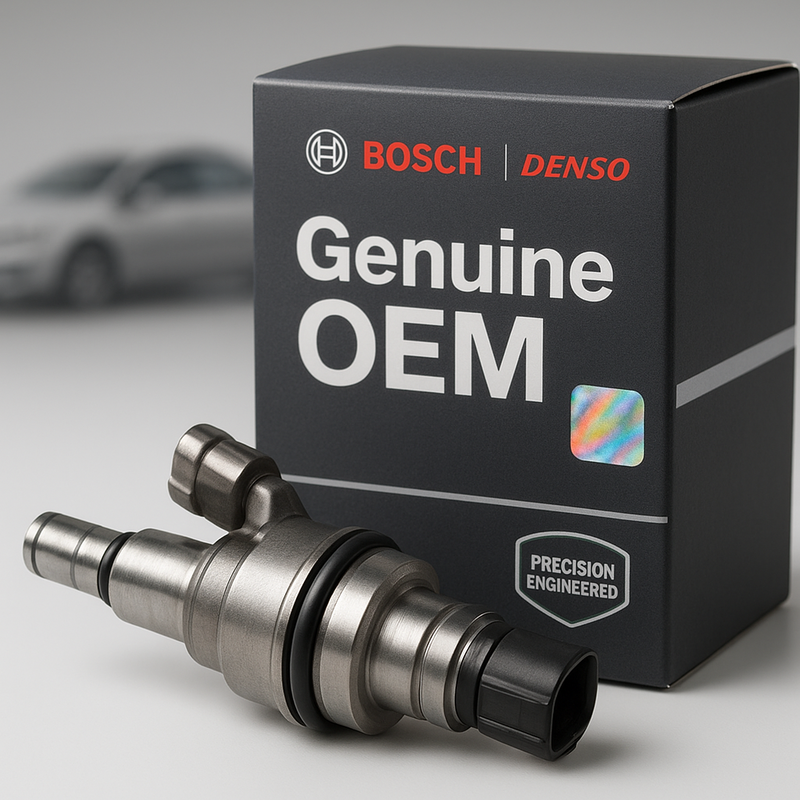
OEM stands for Original Equipment Manufacturer. Fancy term, but here’s the deal: these parts are exactly what your car rolled off the line with. Think of OEM parts as the “designer jeans” tailored perfectly for your specific make and model, crafted by the experts who built your vehicle—or trusted suppliers like Bosch or Denso—and usually backed by a warranty.
- Engineered precisely to your car’s specs
- Rigorously tested to last (because your steering wheel shouldn’t decide to bail mid-turn)
- Typically cost more than aftermarket knockoffs
- Often required to keep your car’s warranty intact
Looking for top-tier quality? OEM parts are the real deal, not some off-brand gamble.
Why Opt for OEM Parts? (Beyond Impressing Your Mechanic)
Sure, aftermarket parts can be tempting and easy to find, but here’s why OEM parts earn their premium:
- Perfect fit every time. No hacking or praying it fits—just slide right in.
- Built to last. These parts endure tougher tests than your patience during rush hour.
- Warranty peace of mind. Many car warranties hinge on using OEM parts.
- Keeps your car fresh, smooth, and performing like new. Longevity matters!
- Boosts resale value. Buyers love cars with the right, genuine parts—think of it as premium avocado toast for your vehicle’s worth.
Spending a bit more on OEM parts is a smart move to avoid costly headaches down the road.
How to Spot OEM Parts Like a Pro: 5 Simple Steps
Ready to sharpen your part-identification skills? Here’s the rundown:
1. Inspect Packaging and Labels
OEM packaging means business. Look for:
- Official car brand logos or authorized supplier badges
- Clear, prominent part numbers
- Authentic holograms or quality seals
- Certification marks verifying authenticity
If the box looks flimsy or has misspelled brand names, consider it a red flag.
2. Verify the Part Number
Each OEM part carries a unique identifier:
- Use your car manual or contact your dealer with your VIN (Vehicle Identification Number).
- Find the correct part number from trustworthy sources like dealership catalogs or RockAuto.
- Match the part number on the packaging and part itself.
If numbers don’t line up, you might have a counterfeit or aftermarket impostor.
3. Examine Quality and Build
OEM parts have that “just right” feel:
- Smooth, precise molding without rough edges
- Sharp, clear logos and numbers
- Solid, durable materials
- Colors and coatings matching your vehicle’s original parts
If it feels cheap or dated, you’re likely looking at an aftermarket or fake.
4. Look for Manufacturer Markings
Think of OEM parts like celebrities—they wear their branding with pride:
- Logos of OEM suppliers like Bosch or Denso etched or embossed
- Part numbers and batch codes for traceability
- Sometimes country of origin labels (though not foolproof)
These marks help confirm authenticity.
5. Purchase from Trusted Dealers
Avoid sketchy sellers; stick to:
- Authorized dealerships
- Certified OEM parts retailers (online or in-store)
- Trusted auto parts stores with clear OEM labeling
Steer clear of suspicious websites or random online auctions.
Handy Resources to Verify OEM Parts
- Official manufacturer parts catalogs (your vehicle brand’s website is a goldmine)
- RockAuto.com: Extensive listings for OEM and aftermarket parts
- OEMPartsOnline.com: For those hard-to-find genuine parts
- Your local dealership parts department (a quick call can save you headaches)
OEM vs. Aftermarket: The Showdown
| Feature | OEM | Aftermarket |
|---|---|---|
| Maker | Car manufacturer or certified OEMs | Third-party companies |
| Quality | Strictly monitored and tested | Varies widely |
| Fit & Finish | Custom-fit, perfect | Sometimes needs modification |
| Warranty | Usually included | Limited or none |
| Price | Premium (but worth it) | Budget-friendly (sometimes too cheap) |
| Availability | Dealerships and certified sellers | Broad, but quality is a gamble |
Spotting Fakes: Don’t Get Fooled!
If it sounds too good to be true, beware:
- Unrealistically low prices
- Unknown sellers without feedback
- Parts missing quality markings
- No proof of authenticity
Double-check before you buy—your car’s safety depends on it.
Real-World Examples
- Brake Pads: Toyota OEM pads proudly display Toyota’s part number plus supplier names like Akebono or Denso. Generic pads without those markings? Not OEM.
- Headlights: Genuine headlights come in sealed boxes with authentic logos and flawless fit. Counterfeits miss design details or branding.
The Final Word
There you have it—the ultimate cheat sheet to master OEM car part identification. Remember, genuine parts fit perfectly, last longer, comply with warranties, and keep your vehicle running like a dream. Before buying, be a savvy detective: check packaging, confirm numbers, inspect quality, seek authentic marks, and buy smart. Your ride will thank you with smooth drives and zero surprises on the road.
Go ahead—fix your ride with confidence. Your garage legend status awaits! 🚗🔧
Craving More Car Repair Insights?
- Car and Driver: OEM Parts – Everything You Need to Know
- RockAuto: The Auto Parts Goldmine
- Denso Auto Parts: OEM Supplier Extraordinaire
- OEM Parts Online Store: Where Genuine Deals Live
- Plymouth Rock: OEM vs Aftermarket Guide
Still reading? Congrats, you’re officially my favorite car nerd. Now hit the garage and show those parts who’s boss!
Posts Widget
-
1

-
2

-
3

-
4

G-SPARTS – Leading Auto Parts Supplier Since 2009
Trusted by 1000+ Clients Worldwide | Chinese (BYD, Geely, Chery, …), Japanese (Toyota, Honda, Nissan, …), European (BMW, Mercedes, VW, …) & American (Ford, Chevrolet, Tesla, …) Car Spares | Best Prices & OEM Quality | 15+ Years Expertise | Professional Team, Fast Global Shipping
Copyright 2025 © G-Sparts All Rights Reserved. | Premium Chinese Auto Parts Supplier – Worldwide Shipping | Best Prices on OEM & Aftermarket Spares
