
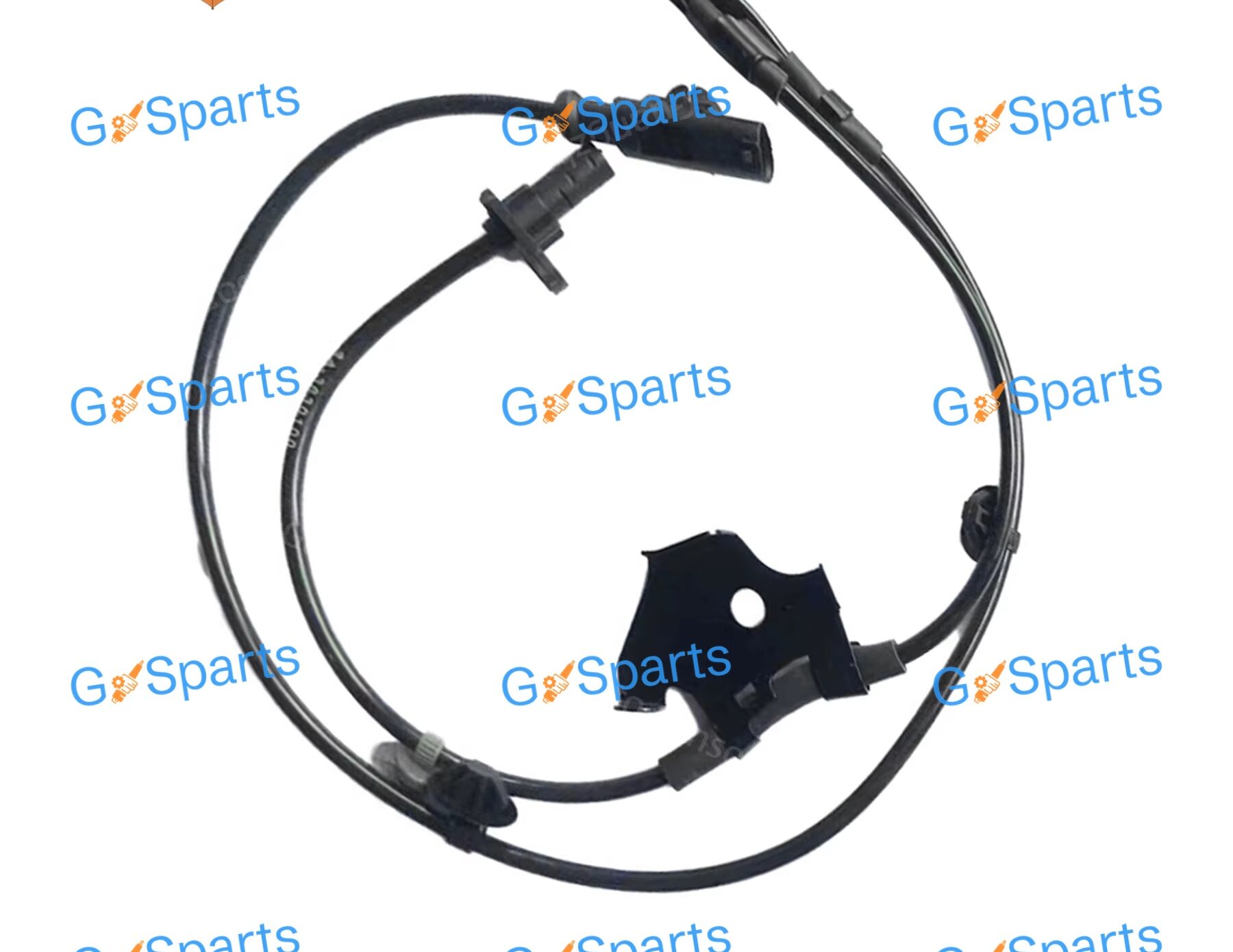
Genuine BYD ABS Sensor BYDEG-3630100 – F0, F1 (2010–2025) – Safer Braking, Peak Confidence | G-Sparts
ABS Sensor for BYD F0 and F1 (2010–2025). Precision magnetic sensor for compact cars.
Did you like this product? Add to favorites now and follow the product.

(+86) 180 07 12 47 38 WhatsApp, Telegram, WeChat
Description
The BYD ABS Sensor (OEM BYDEG-3630100) is tailored for the compact BYD F0 and F1 models spanning 2010 to 2025. Produced by Bosch, Denso, and Standard Motor Products, it features a durable 2-wire magnetic design. This ensures accurate wheel speed input to the ABS system for reliable braking. Recommended to confirm VIN for accurate fitment.
Introduction to Modern Braking Intelligence — BYD ABS Sensor BYDEG-3630100
Anti-lock braking transformed vehicle safety by keeping wheels from locking under hard stops and on slick surfaces. Instead of skidding, the system measures wheel rotation and rapidly modulates brake pressure so you remain in control while maximizing deceleration. For drivers who navigate variable weather, urban congestion, or high-speed motorways, the health of the speed-sensing network matters more than most realize. A worn or drifting wheel sensor can confuse the control module, lengthen stopping distance, and trigger nuisance warnings. Choosing an OE-spec replacement ensures the control unit receives the clean, reliable pulses it expects. That is precisely the promise behind the BYD ABS Sensor BYDEG-3630100, engineered to align with factory calibration and deliver durable performance from commute to cross-country.
How ABS Reads the Road in Microseconds — BYD ABS Sensor BYDEG-3630100
Every wheel carries a tone ring or encoder that passes near a magnetic pickup. As the ring’s teeth or magnetic poles sweep by, the sensor produces a signal whose frequency maps to wheel speed. The controller compares speeds across corners, identifies impending lock-up, and commands the hydraulic unit to relieve and reapply pressure in bursts so rapid you only sense a smooth, steady stop. That is why a purpose-built sensor with stable magnetic sensitivity and sealed electronics matters. The BYD ABS Sensor BYDEG-3630100 provides that clean, predictable signal path. In demanding conditions, the BYD ABS Sensor BYDEG-3630100 helps the module track rotation with confidence, translating directly into traction and control.
Why Sensor Accuracy Shapes Real Stopping Distance — BYD ABS Sensor BYDEG-3630100
Stopping power isn’t just about pads and rotors; it’s also about timing. If sensed speed lags reality by even a fraction, the controller may delay pressure reduction and allow a tire to transition from grip to slide. Conversely, a false spike can cause premature release and extend distance. The right sensor locks in the relationship between true wheel behavior and the electronics that govern brake pressure, enabling the system to live on the razor’s edge of adhesion. This is where an OE-spec unit shines. Built for precise air gap, magnetic strength, and waveform stability, the BYD ABS Sensor BYDEG-3630100 ensures the braking computer sees what the wheel is actually doing and reacts before you can even sense the change.
Common Symptoms of a Failing Wheel Sensor — BYD ABS Sensor BYDEG-3630100
Dashboard warnings often serve as the first sign: ABS or traction control lights that appear during wet weather or after long drives, only to vanish on the next start. Some drivers notice pulsing under gentle stops, an overly conservative stability system, or the loss of hill-start assist. Others find that antilock operation is reduced exactly when needed most. These issues frequently trace to corrupted wheel speed data. Moisture intrusion, wiring fatigue, or metallic debris on the pickup head can distort readings. When inspection confirms wear or damage, replacing the unit with the BYD ABS Sensor BYDEG-3630100 restores the clean digital heartbeat the controller expects, helping the vehicle return to its composed, predictable braking character.
Engineering That Withstands Heat, Water, and Vibration — BYD ABS Sensor BYDEG-3630100
Wheel wells are hostile environments. Road salt, pressure washing, freeze-thaw cycles, and constant vibration challenge seals and solder joints. A high-quality sensor needs robust potting compounds, corrosion-resistant terminals, and rugged cable jackets that resist abrasion without becoming brittle. The mounting flange must hold alignment through heat soak, while the pickup face resists iron dust adhesion that can detune magnetic sensitivity. Designed with these realities in mind, the BYD ABS Sensor BYDEG-3630100 leverages stable magnetic materials and well-sealed housings to minimize drift across seasons. The result is a sensor that keeps its calibration where it counts—at the tiny air gap between pickup and encoder—so the controller receives the same crisp pulses on day one and day one thousand.
Fitment Assurance and Correct Air Gap Setup — BYD ABS Sensor BYDEG-3630100
A wheel speed sensor isn’t plug-and-play if alignment is ignored. The air gap between the pickup and tone ring determines signal strength, while mounting surface cleanliness prevents tilt that can cause intermittent dropouts. During installation, technicians clean the hub face, remove rust scale, and verify the tone wheel has no bent sections or missing poles. Harness routing should follow factory clips to avoid chafing and tension during steering or suspension travel. The BYD ABS Sensor BYDEG-3630100 is designed to seat accurately with OE-style locators, making it straightforward to hit the correct geometry. Follow a short test drive after install to confirm stable readings across low-speed rolls, gentle stops, and full-lock turns.
Diagnostic Clues From Live Data and Waveforms — BYD ABS Sensor BYDEG-3630100
Modern scan tools make diagnosis smarter and faster. Comparing wheel speeds at a steady crawl can reveal which corner reports low or noisy data. A healthy sensor outputs a consistent waveform that scales smoothly with velocity, whereas a damaged encoder might show periodic dips every rotation. Wiggling the harness during live monitoring can surface fatigue inside a cable bend. When a sensor is confirmed faulty, replacement with the BYD ABS Sensor BYDEG-3630100 returns the waveform to a clean, regular pattern, enabling the controller to maintain tight pressure control. Post-repair logs should show synchronized speeds and the absence of spikes that previously triggered conservative interventions from traction and stability systems.
Safety Benefits Beyond Shorter Stops — BYD ABS Sensor BYDEG-3630100
ABS lays the foundation for advanced aids that many take for granted. Electronic stability control uses wheel speed and yaw data to quell understeer or oversteer. Traction control tempers torque when a driven tire spins. Hill-hold and brake-based torque vectoring depend on precise rotational feedback. With a degraded signal, the car retains hardware but loses finesse, sometimes behaving unpredictably right when precision is essential. Installing the BYD ABS Sensor BYDEG-3630100 helps these features collaborate as intended. You feel it as a steady steering wheel under heavy braking on patchy pavement, a confident launch in rain, and fewer intrusive corrections during evasive maneuvers where composure is everything.
Materials and Magnetics That Preserve Calibration — BYD ABS Sensor BYDEG-3630100
The heart of a wheel speed sensor is its magnetic circuit and the stability of its sensing element. Quality design counters these with temperature-compensated materials, rigid housings, and potting that damps vibration without transferring stress to the element. The cable’s shielding and grounding prevent interference from ignition coils or alternators that might masquerade as speed pulses. With these attributes, the BYD ABS Sensor BYDEG-3630100 keeps its signal centered and predictable. When combined with clean encoder tracks and proper mounting torque, it becomes a set-and-forget component that safeguards your most important active safety system. For fleets, the BYD ABS Sensor BYDEG-3630100 helps standardize maintenance outcomes across vehicles and drivers.
Installation Best Practices for Lasting Results — BYD ABS Sensor BYDEG-3630100
Preparation matters. Begin by safely supporting the vehicle, removing the wheel, and inspecting the hub for contamination or damage. Clean the mounting bore with a non-marring brush and verify the encoder ring is intact and concentric. Lightly lubricate O-rings if specified, and never force a sensor into a misaligned bore. Torque the fastener evenly to prevent tilt, then route the harness along factory clips, maintaining slack at suspension pivot points. Before reassembly, check resistance or signal output if the service manual provides specs. With the BYD ABS Sensor BYDEG-3630100 installed correctly, a brief road test that includes low-speed braking, reverse crawling, and lock-to-lock turns will confirm stable operation under varied conditions.
Troubleshooting Intermittent Faults and Harness Issues — BYD ABS Sensor BYDEG-3630100
Not every warning light means the pickup head is at fault. Stone strikes can nick a cable; ice buildup might tug a connector; previous repairs may have rerouted wiring too close to a hot component. When codes point to a specific corner, inspect the harness along its entire run, especially at flex points near struts and control arms. Use dielectric grease sparingly on weather-pack seals and ensure connectors fully seat without bent pins. Where chafing is found, correcting routing can resolve issues without parts. If damage is present or magnetic output is weak, replacing with the BYD ABS Sensor BYDEG-3630100 provides a robust, known-good baseline so the controller can trust every pulse again.
How Clean Signals Improve Traction Control Smoothness — BYD ABS Sensor BYDEG-3630100
Traction control operates on a knife’s edge, comparing minute differences between driven and undriven wheels. Noisy or delayed data can make it feel grabby, cutting torque abruptly when a gentler touch would suffice. With a stable, low-noise sensor, the module can apply corrections in smaller, faster increments, preserving momentum while preventing spin. Drivers notice less drama and more progress on wet cobblestones, gravel, or painted lines after rain. By delivering crisp, accurate pulses, the BYD ABS Sensor BYDEG-3630100 refines the handoff between engine torque management and brake modulation, turning a system you rarely think about into a quiet asset that just works in the background, day after day.
Extending the Life of Pads, Rotors, and Tires
When wheel speed data is trustworthy, the brake controller modulates pressure efficiently, avoiding the on-off cycling that overheats components. Even wear patterns emerge on pads, and rotors avoid hot spots caused by uncontrolled lock-ups. Tires benefit as well; fewer flat spots during emergency stops mean quieter cruising and better wet-road grip over time. The indirect payout is real: consumables last longer and maintenance schedules become more predictable. Choosing the BYD ABS Sensor BYDEG-3630100 supports this harmony, helping align electronic decisions with mechanical realities. For owners who track operating costs closely, that synergy translates into meaningful savings without sacrificing safety or drivability, regardless of daily route or season.
Climate, Corrosion, and Seasonal Preparedness
Road salt and coastal air accelerate corrosion, while desert dust and mountain mud challenge sealing. Sensors must balance breathability—preventing pressure differentials that stress seals—with strong barriers against water and particulates. After winter, rinsing wheel wells, inspecting clips, and checking harness slack are simple habits that protect electronics. Before wet seasons, verify that fender liners and splash shields remain intact to deflect debris. A sensor designed for wide temperature ranges and robust sealing helps ensure your first rainy-season panic stop feels uneventful. That’s exactly the environment where the BYD ABS Sensor BYDEG-3630100 thrives, keeping signals clean whether you face freezing dawn commutes or late-summer thunderstorms. When storms intensify, the BYD ABS Sensor BYDEG-3630100 keeps braking confidence high.
The Role of Encoders and Tone Rings in Accuracy
Speed detection is a dance between the pickup and the ring it watches. Bent teeth, cracked magnetic stripes, or hub wobble can mimic sensor faults. During service, technicians spin the hub while watching live data for rhythmic dropouts tied to wheel rotation. If the encoder is damaged, replacing or repairing the hub assembly becomes part of the plan. Once the mechanical partner is healthy, installing the BYD ABS Sensor BYDEG-3630100 completes the pairing, producing a clean signal even at crawl speeds where amplitude is smallest. The payoff is precision at parking-lot pace and on icy descents alike, where the difference between grip and slide can be measured in milliseconds.
Compatibility With Driver-Assist Systems and ESC
Beyond ABS and traction control, modern vehicles integrate hill-descent assistance, electronic brakeforce distribution, and corner-brake control. Each feature assumes wheel speed data is both accurate and timely. Latency or jitter causes harshness, while drift invites false interventions that unsettle drivers. A sensor designed to the original transfer characteristics and timing tolerances maintains the delicate choreography among subsystems. In practice, that means fewer surprises: gentle torque pulls on slippery climbs, stable lane changes in gusty crosswinds, and calm pedal feel in stop-and-go traffic. The BYD ABS Sensor BYDEG-3630100 anchors this ecosystem, giving the control unit the solid footing it needs to make nuanced, confidence-building decisions every second.
Professional Installation vs. DIY Considerations
Skilled DIYers can certainly replace a wheel sensor with patience, the right tools, and careful attention to routing and torque. That said, professionals bring advantages: smoke testing for water leaks, oscilloscope validation of waveforms, and quick identification of hub runout that might prematurely age a new part. Shops also maintain torque sticks and calibration tools that help preserve geometry. Whether you choose home installation or a trusted garage, prioritize cleanliness, correct air gap, and proper harness support. Opting for the BYD ABS Sensor BYDEG-3630100 simplifies the decision either way, providing a part designed to fit cleanly and deliver the precise signal quality that systems dependent on stability and timing require.
Fleet and Rideshare Reliability Priorities
For vehicles that earn their keep, downtime is costly and inconsistent behavior erodes ratings and trust. Fleet managers value components that install predictably and perform consistently across drivers and routes. Predictable wheel speed data reduces nuisance code chases and enables standardized maintenance intervals. In mixed-climate operations, sealing and cable robustness matter even more, as vehicles rotate between regions and weather systems. Installing the BYD ABS Sensor BYDEG-3630100 provides a repeatable solution that technicians recognize and can validate quickly, keeping cars on the road and customers comfortable. That consistency shows up in fewer repeat visits and tighter control over cost per kilometer, without compromising occupant safety.
Preventive Care to Avoid Future Faults
Simple routines prevent most sensor failures. Keep fender liners intact, replace missing clips, and avoid pressure-washing directly at connectors. During brake service, inspect the encoder ring for damage and ensure hub bearings have no play that would widen the air gap under load. After off-road excursions or deep snow days, rinse wheel wells to remove magnetic grit that can cling to pickup faces. When a replacement is due, selecting the BYD ABS Sensor BYDEG-3630100 establishes a reliable baseline. Pair it with properly torqued hardware and correct harness routing and you’ll likely enjoy years of trouble-free service, with active safety features remaining as invisible and dependable as they were on day one.
How Quality Parts Lower Total Ownership Cost
Choosing components only by sticker price can backfire. The hidden costs of a marginal sensor include time spent chasing intermittent codes, uneven pad wear, and extended stopping distances that feel unsafe. Reliable ABS performance protects tires and brakes while preventing one minor fault from cascading into multiple service items. When you factor reduced diagnostics time and longer component life, a quality part becomes the economical choice. The BYD ABS Sensor BYDEG-3630100 exemplifies this logic: it shortens troubleshooting, restores consistent braking, and supports companion systems that rely on steady wheel speed data, turning a small line item into a big win for both safety and budget over the long haul.
Road Test Checklist After Replacement
Validation closes the loop between good intentions and confirmed results. After installation, clear codes, then perform a slow crawl to confirm all four corners report speed. Execute a few medium stops on clean pavement, a gentle stop on a surface with mixed grip, and a steering-angle sweep at walking pace while monitoring live data. Check for warning lights and verify that traction control engages smoothly during a brief, controlled launch on a safe, low-grip surface. A properly installed BYD ABS Sensor BYDEG-3630100 will pass these checks with calm consistency, letting you return the vehicle to normal duty with renewed confidence in its ability to stop straight and true.
Winter, Rain, and Real-World Panic Stops
Real emergencies don’t wait for perfect conditions. Black ice, autumn leaves, or a sudden summer cloudburst can erase grip in an instant. In those moments, the controller needs perfectly timed data to modulate pressure before lock-up sets in. A robust, accurate sensor transforms panic into poise, helping keep the steering responsive and the chassis settled. Drivers may only feel a composed stop and a sigh of relief, but inside the system, clean pulses and rapid calculations made the difference. Equipped with the BYD ABS Sensor BYDEG-3630100, your braking network has the foundation it needs to act decisively, turning unpredictable surfaces into manageable events rather than hazards.
Comparing OE-Spec to Generic Alternatives
Not all look-alike parts deliver equal outcomes. Differences in magnet strength, potting quality, and cable shielding can create subtle timing errors and noise that only appear under heat or vibration. These flaws increase controller workload and can trigger conservative interventions that feel like reduced performance. An OE-spec approach prioritizes waveform fidelity and mechanical stability across the full temperature and speed range. That’s why many technicians standardize on trusted components for critical safety systems. Choosing the BYD ABS Sensor BYDEG-3630100 aligns your vehicle with the calibration it was designed to use, minimizing variables and turning diagnosis into a straightforward task rather than a time-consuming guessing game.
Customer-Focused Support and Fast Fulfillment
Great parts are only half the story; responsive guidance and quick shipping close the loop. Clear fitment notes and practical install tips shorten downtime. If you need help interpreting a live data quirk or confirming an encoder issue, access to knowledgeable support can prevent unnecessary returns. With streamlined logistics and careful packaging, the sensor arrives ready for a clean install rather than an extra cleaning session. Ordering the BYD ABS Sensor BYDEG-3630100 through a specialist partner ensures you get both the component and the confidence that comes with expertise, making the path from warning light to road-ready as smooth as possible.
Future-Proofing With Data-Driven Maintenance
Vehicles are becoming more connected and more dependent on high-quality sensor input. Building a maintenance routine that logs wheel speed behavior after major services helps you catch drift early. Pair periodic inspections with a brief scan-tool pass to confirm even readings during slow rolls and turns. When anomalies appear, address them before rainy seasons or long trips. Using the BYD ABS Sensor BYDEG-3630100 in replacements gives you a known-good reference for future comparisons, transforming your approach from reactive fixes to proactive assurance. The result is a car that feels predictable in the moments that matter, protecting passengers and preserving the calm confidence that defines safe motoring.
Confident Next Steps for Safer Braking
The most valuable safety systems are the ones you barely notice—until the day they save you. Precision wheel speed data keeps ABS, traction control, and stability programs in lockstep with the road, translating surprise into stability and distance into safety. When service or replacement is due, insist on parts designed to preserve that precision. With strong sealing, stable magnetics, and OE-style geometry, the BYD ABS Sensor BYDEG-3630100 helps your vehicle stop straight and react predictably on every surface you face. Equip your braking system with components that match its intelligence, and enjoy the everyday serenity that comes from knowing your next stop will be calm, controlled, and confidently short.
External Links (ABS Sensor Education & References)
Internal Links (Keep Users on G-Sparts)
Related products



Recently Viewed Products


G-SPARTS – Leading Auto Parts Supplier Since 2009
Trusted by 1000+ Clients Worldwide | Chinese (BYD, Geely, Chery, …), Japanese (Toyota, Honda, Nissan, …), European (BMW, Mercedes, VW, …) & American (Ford, Chevrolet, Tesla, …) Car Spares | Best Prices & OEM Quality | 15+ Years Expertise | Professional Team, Fast Global Shipping
Copyright 2025 © G-Sparts All Rights Reserved. | Premium Chinese Auto Parts Supplier – Worldwide Shipping | Best Prices on OEM & Aftermarket Spares

Reviews
There are no reviews yet.