
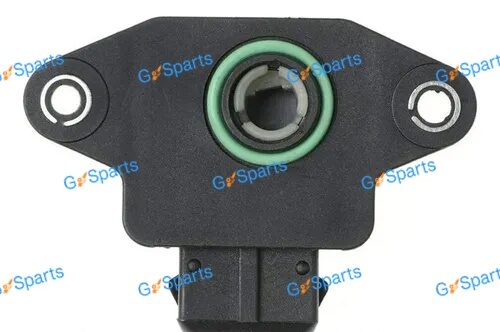
Genuine Changan TPS 471Q-1L-1107800 – Expert Installation, Testing & Performance Guide for Optimal Engine Function
Throttle Position Sensor for Changan CS35, CS75, Eado, Alsvin (2010–2025; market dependent). Electric TPS, 2‑wire. Direct replacement — verify fitment by VIN.
Did you like this product? Add to favorites now and follow the product.

(+86) 180 07 12 47 38 WhatsApp, Telegram, WeChat
Description
OEM‑style throttle position sensor (TPS) for Changan vehicles. Models/years: Changan CS35, CS75, Eado, Alsvin (2010–2025; market dependent). OEM/reference: 471Q-1L-1107800. Specification: Electric TPS, 2‑wire. Compatible brands/cross references: Changan OEM / OE‑style. Fitment: OE‑style reference; confirm with VIN/engine code to ensure correct plug and rotation direction. Always compare the connector keying and mounting with your original sensor.
Understanding the Importance of the Throttle Position Sensor
The throttle position sensor (TPS) plays a critical role in engine management by providing data on the throttle’s position to the Engine Control Unit (ECU). This information allows the ECU to adjust the air-fuel mixture and control various engine functions like idle speed and acceleration. A malfunctioning TPS can lead to rough idling, poor acceleration, and decreased fuel efficiency. The Changan TPS 471Q-1L-1107800 is designed to meet or exceed OEM specifications, ensuring that the sensor accurately relays throttle position data, which is essential for maintaining engine performance and fuel efficiency.
Why the Changan TPS 471Q-1L-1107800 is Essential for Your Engine
The Changan TPS 471Q-1L-1107800 is engineered to provide precise feedback to the ECU regarding the position of the throttle valve. This allows the ECU to make real-time adjustments to fuel delivery, spark timing, and idle speed. By ensuring the engine receives the correct amount of air and fuel, the Changan TPS 471Q-1L-1107800 helps to maintain smooth throttle response, optimal fuel efficiency, and overall engine performance. If your vehicle is experiencing issues like hesitation during acceleration, rough idle, or poor fuel economy, replacing the TPS with a quality part like the Changan TPS 471Q-1L-1107800 is essential for restoring the vehicle’s performance.
Symptoms of a Faulty Throttle Position Sensor
A failing TPS, such as the Changan TPS 471Q-1L-1107800, can cause a variety of engine performance issues. Some common symptoms include poor acceleration, inconsistent engine idle, difficulty in starting, or engine stalling. Additionally, the Check Engine Light (CEL) may illuminate if the ECU detects abnormal readings from the TPS. These issues arise because the ECU no longer receives accurate throttle position data, causing incorrect adjustments to the air-fuel mixture and ignition timing. Replacing a faulty TPS with the Changan TPS 471Q-1L-1107800 will restore accurate data transmission and resolve these issues, ensuring smoother engine operation.
The Role of the TPS in Fuel Efficiency and Emissions
The throttle position sensor plays a significant role in regulating fuel consumption and emissions. When the TPS is functioning correctly, it ensures that the air-fuel mixture is balanced, which improves fuel efficiency and reduces emissions. A faulty Changan TPS 471Q-1L-1107800 can lead to an incorrect air-fuel mixture, causing the engine to run too rich or too lean, resulting in increased fuel consumption and higher emissions. By replacing the faulty sensor with a high-quality part like the Changan TPS 471Q-1L-1107800, you help improve your vehicle’s fuel economy while also contributing to environmental sustainability.
How the Changan TPS 471Q-1L-1107800 Works
The Changan TPS 471Q-1L-1107800 is designed to monitor the position of the throttle valve and send this data to the ECU. The sensor uses a potentiometer to measure the voltage change as the throttle moves. This change in voltage is sent to the ECU, which uses it to adjust fuel injection, idle speed, and spark timing. Accurate readings from the TPS are essential for maintaining optimal engine performance. A faulty sensor will send erratic data, leading to incorrect adjustments by the ECU and resulting in poor engine performance. The Changan TPS 471Q-1L-1107800 ensures smooth operation and precise data transmission, which is critical for maintaining engine health.
Compatibility of the Changan TPS 471Q-1L-1107800
Before replacing your old TPS, it is essential to confirm that the Changan TPS 471Q-1L-1107800 is compatible with your vehicle model. This sensor is designed specifically for use with a range of Changan vehicles. Always verify the part number and compare it to your vehicle’s specifications to ensure proper fitment. Using the correct part, like the Changan TPS 471Q-1L-1107800, guarantees proper function and avoids potential issues related to misfit components. This will help ensure that the throttle position data is correctly communicated to the ECU, leading to optimal engine performance and efficiency.
Installation of the Changan TPS 471Q-1L-1107800
Installing the Changan TPS 471Q-1L-1107800 is a straightforward process that can be done with basic automotive tools. First, disconnect the vehicle’s battery to prevent electrical damage. Next, locate the throttle position sensor, which is typically mounted on the throttle body. Remove any components blocking access to the sensor and use a wrench or socket to unscrew the old sensor. Carefully install the new Changan TPS 471Q-1L-1107800, ensuring that it is seated properly and securely fastened. Reconnect any components and the battery, then clear any trouble codes from the ECU using an OBD-II scanner. Finally, test drive the vehicle to ensure that the engine runs smoothly and the TPS is functioning correctly.
Tools Required for Installation
To install the Changan TPS 471Q-1L-1107800, you will need a few essential tools. These include a socket or wrench set to remove the old sensor, a torque wrench to tighten the new sensor to the proper specification, and an OBD-II scanner to clear any diagnostic trouble codes. Penetrating oil may also be necessary if the sensor is difficult to remove due to corrosion. Having the right tools ensures a smooth and efficient installation process, minimizing the chances of damaging the sensor or other components during the replacement.
Testing the Changan TPS 471Q-1L-1107800
Once the Changan TPS 471Q-1L-1107800 is installed, it’s important to test the sensor to ensure proper functionality. You can use an OBD-II scanner to check for any stored trouble codes and monitor the sensor’s performance. The sensor should provide a steady voltage reading that corresponds to the throttle position. If the voltage fluctuates erratically or remains fixed, this may indicate that the sensor is malfunctioning. In such cases, double-check the installation and ensure that the sensor is properly connected. If issues persist, consider replacing the Changan TPS 471Q-1L-1107800 with a new one.
Why Use Genuine Parts Like the Changan TPS 471Q-1L-1107800
When replacing critical engine components like the TPS, it’s always best to opt for genuine parts, such as the Changan TPS 471Q-1L-1107800. Genuine parts are designed to meet the specific requirements of your vehicle, ensuring compatibility and optimal performance. Aftermarket parts may be cheaper, but they can sometimes cause issues like improper fitment or inaccurate readings, leading to poor engine performance. By choosing the Changan TPS 471Q-1L-1107800, you ensure that your vehicle continues to run efficiently and that the sensor communicates accurately with the ECU for smooth engine operation.
Preventing Throttle Sensor Failures
To prevent premature failure of the Changan TPS 471Q-1L-1107800, it’s essential to maintain your vehicle’s engine system properly. Regularly inspect the throttle body for dirt and carbon buildup, which can affect the sensor’s performance. Also, ensure that the throttle body is properly aligned and that there are no vacuum leaks in the intake system, as these can cause the TPS to send inaccurate signals. By keeping the intake system clean and performing routine maintenance, you can extend the lifespan of the Changan TPS 471Q-1L-1107800 and avoid costly repairs.
The Importance of Calibration After Installation
After installing the Changan TPS 471Q-1L-1107800, it is important to calibrate the sensor to ensure that it provides accurate readings. Calibration ensures that the sensor provides precise voltage readings corresponding to the throttle’s position, allowing the ECU to adjust the air-fuel mixture and idle speed accordingly. Calibration is usually done through the vehicle’s ECU, which may require the use of an OBD-II scanner or a specialized diagnostic tool. Once calibrated, the sensor should provide smooth and accurate throttle data, ensuring optimal engine performance.
How the Changan TPS 471Q-1L-1107800 Affects Engine Efficiency
The Changan TPS 471Q-1L-1107800 directly impacts engine efficiency by ensuring that the air-fuel mixture is balanced. The sensor communicates throttle position data to the ECU, which then adjusts the fuel injection and ignition timing to ensure that the engine burns fuel efficiently. When the sensor is working properly, the engine runs at peak performance, delivering optimal power and fuel efficiency. If the sensor is faulty, the ECU may receive incorrect data, leading to an inefficient air-fuel mixture, reduced power output, and poor fuel economy. Replacing a malfunctioning sensor with the Changan TPS 471Q-1L-1107800 restores efficiency.
Reducing Emissions with the Changan TPS 471Q-1L-1107800
A functioning throttle position sensor is crucial for maintaining low vehicle emissions. The Changan TPS 471Q-1L-1107800 ensures that the engine’s air-fuel mixture is accurately adjusted, which reduces the production of harmful emissions. A faulty sensor can cause the engine to run too rich or too lean, leading to higher emissions. This can not only damage the catalytic converter but also cause the vehicle to fail emissions tests. By replacing a faulty sensor with the Changan TPS 471Q-1L-1107800, you help reduce the vehicle’s emissions, contributing to a cleaner environment and ensuring your car passes emissions testing.
Common Misconceptions About the TPS
One common misconception is that the throttle position sensor only affects idle speed. While it’s true that the TPS helps regulate idle, its role extends far beyond that. The Changan TPS 471Q-1L-1107800 is involved in many crucial aspects of engine performance, including acceleration, fuel efficiency, and emission control. It works alongside other sensors to ensure that the engine receives the right amount of fuel and air for combustion. If the TPS fails, it can affect the entire engine system, leading to poor performance and increased emissions.
How the Changan TPS 471Q-1L-1107800 Improves Throttle Response
One of the main benefits of a functioning Changan TPS 471Q-1L-1107800 is its ability to improve throttle response. The sensor ensures that the ECU receives accurate data regarding throttle position, allowing for quicker and more responsive fuel adjustments. This results in smoother acceleration and improved engine performance, especially during sudden changes in speed. If your vehicle has sluggish acceleration or delayed throttle response, it may be time to replace the old sensor with the Changan TPS 471Q-1L-1107800 for improved engine responsiveness.
The Cost-Effectiveness of Replacing the Changan TPS 471Q-1L-1107800
Replacing the Changan TPS 471Q-1L-1107800 is a cost-effective solution compared to the potential damage caused by leaving a faulty sensor in place. A failing TPS can lead to reduced fuel efficiency, increased emissions, and potential damage to other engine components, including the catalytic converter. By replacing the sensor early, you can restore your vehicle’s efficiency, improve fuel economy, and prevent more expensive repairs down the road. The cost of the Changan TPS 471Q-1L-1107800 is a small price to pay for restoring optimal engine performance.
Enhancing Engine Longevity with the Changan TPS 471Q-1L-1107800
The Changan TPS 471Q-1L-1107800 plays an integral role in maintaining the health of your engine. By accurately monitoring the throttle position, it ensures that the ECU can adjust the fuel-air mixture for optimal combustion. When the throttle position sensor operates correctly, it helps prevent unnecessary strain on the engine, contributing to longer engine life. A malfunctioning TPS can cause engine misfires, incorrect fuel adjustments, and erratic performance, which can ultimately lead to premature wear on vital engine components. Installing a reliable sensor like the Changan TPS 471Q-1L-1107800 helps your engine run smoothly, ensuring longevity and saving you money on repairs in the long run.
Restoring Idle Stability with the Changan TPS 471Q-1L-1107800
One of the key functions of the Changan TPS 471Q-1L-1107800 is controlling the idle speed. A malfunctioning throttle position sensor can lead to an unstable idle, causing the engine to fluctuate between high and low RPMs, or even stall altogether. This can be particularly frustrating, especially in traffic or during stop-and-go driving. By replacing a faulty sensor with the Changan TPS 471Q-1L-1107800, you can restore smooth and stable idle behavior, ensuring that your vehicle idles consistently at the appropriate RPM. This will improve driving comfort and contribute to better fuel efficiency, as the engine will no longer struggle to maintain a steady idle speed.
The Link Between the Changan TPS 471Q-1L-1107800 and Smooth Acceleration
The Changan TPS 471Q-1L-1107800 is also responsible for ensuring smooth acceleration. The throttle position sensor monitors how much the throttle is being opened and sends this data to the ECU, which then adjusts the fuel delivery for optimal acceleration. A faulty TPS can lead to hesitation or delayed throttle response, making the car feel sluggish or unresponsive when you press the accelerator. By installing a new Changan TPS 471Q-1L-1107800, you can restore the vehicle’s throttle response, resulting in smoother and more predictable acceleration. Whether you’re merging onto the highway or accelerating out of a corner, the Changan TPS 471Q-1L-1107800 ensures that your vehicle responds instantly and smoothly.
Improving Fuel Economy with the Changan TPS 471Q-1L-1107800
When the throttle position sensor is functioning properly, it helps ensure that the engine operates at its peak fuel efficiency. A failing TPS can result in the engine running too rich or too lean, causing unnecessary fuel consumption and a significant drop in fuel economy. By installing the Changan TPS 471Q-1L-1107800, you ensure that the ECU receives accurate throttle position data, enabling it to adjust the air-fuel mixture accordingly. This optimization helps the engine burn fuel more efficiently, improving fuel economy and reducing the frequency of refueling. If you’re looking to cut down on your fuel expenses, replacing a faulty sensor with the Changan TPS 471Q-1L-1107800 is a simple yet effective solution.
Preventing Emission System Issues with the Changan TPS 471Q-1L-1107800
The Changan TPS 471Q-1L-1107800 also plays an essential role in keeping your vehicle’s emission system functioning properly. A failing TPS can lead to incorrect air-fuel mixture adjustments, causing higher emissions and potentially failing an emissions test. When the throttle position sensor works correctly, it ensures that the ECU makes the necessary adjustments to the air-fuel ratio, reducing harmful emissions from the exhaust system. Installing a new Changan TPS 471Q-1L-1107800 will help reduce emissions, ensuring that your vehicle passes emissions tests and stays in compliance with environmental regulations. Keeping the sensor in good condition is essential not only for engine health but also for ensuring your vehicle is environmentally friendly.
Replacing the Changan TPS 471Q-1L-1107800 to Avoid Check Engine Light Codes
A malfunctioning Changan TPS 471Q-1L-1107800 can often trigger the Check Engine Light (CEL) due to irregular readings or failure to communicate properly with the ECU. Common error codes related to a faulty TPS include P0120, P0121, or P0220, which signal that the throttle position sensor is either malfunctioning or sending incorrect data. Replacing the faulty part with a new Changan TPS 471Q-1L-1107800 ensures that the CEL is cleared and that no further error codes related to the throttle position sensor appear. This will not only make the vehicle safer to drive but also ensure that your vehicle passes diagnostics without any outstanding codes, helping to avoid unnecessary repair costs and potential breakdowns.
Conclusion: Enhance Engine Performance with the Changan TPS 471Q-1L-1107800
The Changan TPS 471Q-1L-1107800 is a vital component for maintaining your vehicle’s engine efficiency, fuel economy, and emissions control. By understanding its role, recognizing the signs of failure, and replacing it with a high-quality part, you can ensure that your engine runs smoothly and efficiently. Whether you’re experiencing poor acceleration, rough idling, or decreased fuel economy, the Changan TPS 471Q-1L-1107800 is an excellent replacement that will restore your vehicle’s performance and efficiency.
External Resources (Standards & Technical References)
- ISO 26262 — Road Vehicles Functional Safety
- ISO 11898 — Controller Area Network (CAN)
- ISO 14229 — Unified Diagnostic Services (UDS)
- SAE J1979 — OBD-II Diagnostic Test Modes
- AEC-Q100 — Stress Test for Automotive ICs
Related Internal Links
Additional information
| OEM / Reference | 471Q-1L-1107800 |
|---|---|
| brands | Changan OEM / OE‑style |
| Models & Years | Alsvin (2010–2025; market dependent), Changan CS35, CS75, Eado |
| Specifications | 2‑wire, Electric TPS |
| Fitment note | OE‑style reference; confirm with VIN/engine code to ensure correct plug and rotation direction. |
Related products



G-SPARTS – Leading Auto Parts Supplier Since 2009
Trusted by 1000+ Clients Worldwide | Chinese (BYD, Geely, Chery, …), Japanese (Toyota, Honda, Nissan, …), European (BMW, Mercedes, VW, …) & American (Ford, Chevrolet, Tesla, …) Car Spares | Best Prices & OEM Quality | 15+ Years Expertise | Professional Team, Fast Global Shipping
Copyright 2025 © G-Sparts All Rights Reserved. | Premium Chinese Auto Parts Supplier – Worldwide Shipping | Best Prices on OEM & Aftermarket Spares

Reviews
There are no reviews yet.