
Genuine Geely Oxygen Sensor 1066001623/1086001114/0258006028 – Expert Fitment, Testing & Install Guide | G-Sparts
OEM Oxygen Sensor for Geely Emgrand EC7, EC8, SC7, Vision, and KingKong (2000s–2010s). 4-wire heated sensor, M18×1.5 thread.
Did you like this product? Add to favorites now and follow the product.

(+86) 180 07 12 47 38 WhatsApp, Telegram, WeChat
Description
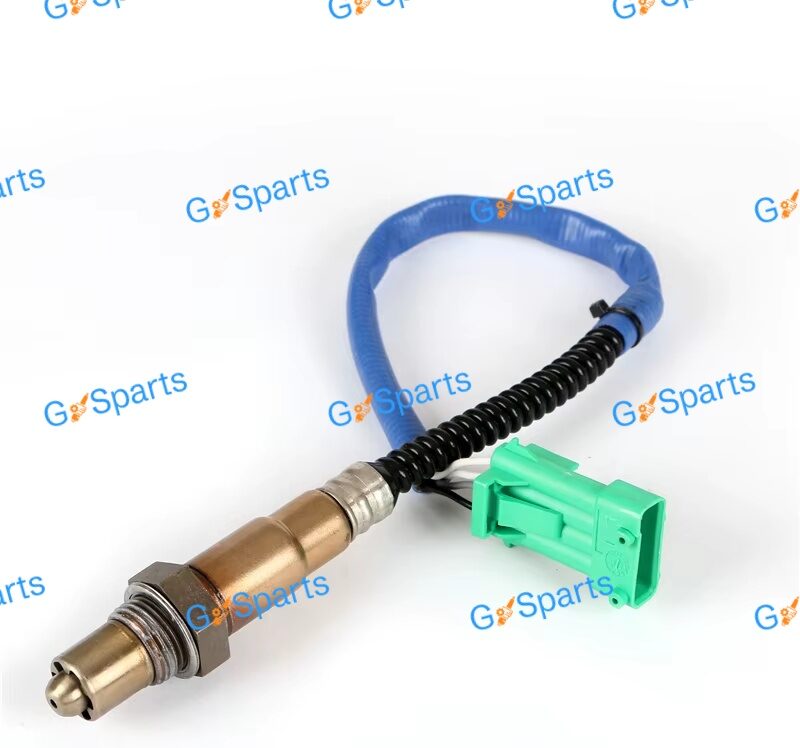
High-quality replacement Geely Oxygen Sensor 1066001623/1086001114/0258006028 for Geely Emgrand EC7, EC8, SC7, Vision, and KingKong models from mid-2000s to 2010s. Compatible with OEM references 1066001623, 1086001114, and Bosch 0258006028 cross. Typically used in upstream (Bank 1 Sensor 1) or downstream positions. Features 4-wire heated configuration, common M18×1.5 thread, and varying connectors by engine type. Always confirm fitment via VIN or part image before purchase.
Why Oxygen Sensing Drives Everyday Drivability
Your exhaust sensor is the quiet conductor of smooth fueling, crisp throttle, and clean emissions. It reports oxygen content so the ECU can correct mixture in milliseconds, keeping trims centered and the catalyst comfortable. When the signal slows or skews, mileage dips, idle flutters, and readiness drags. Choosing the correct replacement prevents that spiral. The fastest route back to factory manners is selecting a direct-fit unit that matches calibration and connector geometry, then validating with a short drive cycle. Within this context, Geely Oxygen Sensor 1066001623/1086001114/0258006028 represents the exact designation many owners search for when they want reliable warm-up behavior, stable switching, and an install that doesn’t demand improvisation or risky splices in a harsh, high-heat environment.
How Upstream and Downstream Sensors Share the Load
Your vehicle typically uses an upstream unit to command closed-loop fueling and a downstream unit to monitor catalyst efficiency. A healthy upstream signal oscillates briskly around stoichiometric, guiding trims during cruise and transients. The downstream trace, by contrast, should look calmer when the catalyst stores and releases oxygen properly. Confusing these roles leads to misdiagnosis and wasted spend. Matching location and specification matters because heater power, response rate, and lead length differ. For owners comparing listings, Geely Oxygen Sensor 1066001623/1086001114/0258006028 maps to applications where plug indexing, heater curve, and shell geometry align with the original equipment, ensuring the ECU receives the waveform it expects and the catalyst monitor can complete without unnecessary repeat trips or lingering fault codes.
Why Exact Part Matching Prevents Comebacks
Near-matches can physically thread in yet present the wrong warm-up ramp or switching profile, forcing the ECU to fight bias rather than fuel precisely. That’s when you see surging on gentle grades, rich odors on cold starts, or efficiency codes that return after a few days. Exact ID and calibration save time. Confirm plug keyways, pin count, wire length, and strain-relief clips against your existing harness before you buy. Look for heat-sleeve locations and shell shoulders that clear shields cleanly. When all cues align, Geely Oxygen Sensor 1066001623/1086001114/0258006028 integrates without adaptation drama, so trims settle quickly, idle smooths, and downstream monitoring behaves as designed—no improvised brackets, no stretched leads, and no “almost right” sensors that invite repeat labor later.
A Five-Minute Fitment Check Before Ordering
Start with eyes, photos, and measurements. Identify the bung location, access path, and shield removal needs. Count connector pins and study indexing rails so the plug clicks without force. Measure the existing lead from shell to connector to ensure clips reach naturally, not under tension. Note routing: does the cable pass a bracket or heat guard that demands a certain boot angle? These details separate drop-in parts from headaches. When your notes match catalog photos and specs, Geely Oxygen Sensor 1066001623/1086001114/0258006028 is positioned to install smoothly, seal correctly on the crush surface, and route exactly like the original, preserving insulation from radiant heat and vibration that would otherwise shorten service life in real-world driving.
Early Symptoms of a Tired Oxygen Sensor
Fading elements rarely fail overnight. The first clues are subtle: a small MPG drop, light surging at steady speeds, or a check engine lamp after longer highway runs. Cold mornings may reveal a fuel smell because closed loop arrives late. On a scan graph, upstream switching slows and amplitude narrows while short-term trims swing wider to compensate. Left unfixed, the catalyst works harder to mop up errors. Replacing the upstream unit restores crisp oscillation and steadier trims. If those patterns sound familiar, shortlisting Geely Oxygen Sensor 1066001623/1086001114/0258006028 is a pragmatic step toward regaining predictable part-throttle manners, faster warm-up into closed loop, and calmer downstream behavior that helps readiness monitors complete without drama.
Quick, Data-Led Diagnosis You Can Trust
Warm the engine and graph upstream voltage alongside short-term trims during a steady cruise and gentle throttle changes. Healthy control shows brisk, symmetrical switching with trims hovering near zero. Lazy toggling, flat-lining, or delayed recovery after small pedal blips point to a slow element—or to leaks and electrical issues you should rule out first. Verify heater operation, supply voltage, and ground integrity under load. Inspect for exhaust leaks ahead of the bung; fresh air fakes lean and drives enrichment. If plumbing and power are clean yet response lags, replacing with Geely Oxygen Sensor 1066001623/1086001114/0258006028 is justified, and you should see tighter trims and faster transitions on a repeat of the same validation loop afterward.
Simple Meter Tests and Leak Checks at Home
Without a scan tool, you can still learn a lot. Key on, back-probe heater power and ground for proper voltage and low resistance. Geely Oxygen Sensor 1066001623/1086001114/0258006028 A smoke test reveals pinholes at flanges and flex joints that mimic sensor failure. Fix leaks before condemning parts. Once the circuit and plumbing are verified, a direct-fit like Geely Oxygen Sensor 1066001623/1086001114/0258006028 becomes the rational choice, giving you a known-good reference that responds briskly to mixture changes and removes doubt when you recheck trims on the same stretch of road in similar conditions.
Tools, Supplies, and Setup for a Clean Install
Preparation prevents rounded hexes and singed sleeves. Gather an oxygen-sensor socket, 3/8-inch ratchet with extensions, a small torque wrench, penetrating oil, brake cleaner, and dielectric grease for the connector seal. Have fresh loom clips or reflective sleeve if originals are brittle. Plan access from above or below; sometimes moving an intake duct or shield creates safe leverage. Keep the new unit sealed until the engine is cool and the bung is clean. With workspace staged, Geely Oxygen Sensor 1066001623/1086001114/0258006028 installs predictably and torques accurately, helping the crush washer seat evenly so minor exhaust whispers don’t masquerade as mixture issues during your first verification drive after button-up.
Safe Removal Techniques That Save Threads and Skin
Thermal cycles can seize threads. Warm the manifold briefly to expand, then cool to a safe touch. Soak the bung with penetrant and give it minutes to wick. Keep the socket square and apply steady pressure, not hammering, which rounds flats and risks the shell. As the sensor breaks free, support the body so you don’t twist internal conductors if you plan to examine the old part. Brush carbon from the bung gently—no aggressive chasing that reshapes the seat. Clean threads and sealing faces make installation of Geely Oxygen Sensor 1066001623/1086001114/0258006028 painless, preventing leaks and ensuring accurate thermal coupling that brings the element to temperature quickly on the next cold start.
Installation, Torque, and Sealing Best Practices
Start by hand for several turns to confirm alignment; cross-threading a bung turns an easy job into a costly repair. If threads arrive pre-coated, don’t add compound—excess can migrate to the tip and poison the catalyst. Torque to spec so the crush washer seals without deforming the boss. Route the lead along factory clips, reinstating stand-offs and sleeves to protect from radiant heat and moving parts. Listen for a positive connector click, then tug gently to confirm retention. With care on these fundamentals, Geely Oxygen Sensor 1066001623/1086001114/0258006028 begins life with the best chance of long service and a clean, noise-free signal the ECU can trust in all seasons.
Harness Routing, Heat Management, and Longevity
Cable path matters as much as torque. Reinstall shields removed for access, ensuring edges don’t chafe insulation. Use all clips so the lead “floats,” maintaining air gaps near hot pipes. Where clearance is tight, add a short reflective sleeve. After a hot soak, recheck that the harness still clears the downpipe and brackets; expansion can shift relationships you thought were generous. This diligence preserves insulation and prevents intermittent opens that look like a failing element. When routed correctly, Geely Oxygen Sensor 1066001623/1086001114/0258006028 keeps its signal clean, helping closed-loop logic stay centered instead of chasing phantom noise from a harness that slowly cooked against a shield.
Clearing Codes and Resetting Adaptations Properly
Fresh hardware deserves fresh baselines. Clear stored faults and fuel trims so the ECU learns from clean inputs rather than compensating for the old sensor’s bias. Let the engine idle until the fan cycles, then cruise steadily while watching upstream activity. You want crisp oscillation with trims centered and narrow. Avoid hard accelerations during the first minutes as the catalyst stabilizes thermally. If your platform lists an idle-learn or speed-hold step, perform it now. With an accurate signal from Geely Oxygen Sensor 1066001623/1086001114/0258006028, drivability typically smooths within a short loop, and readiness monitors begin to advance predictably without the nuisance of borderline thresholds or repeat fault flags.
A Practical Drive Cycle to Confirm Success
Validation can be simple: begin with a cold start, allow full warm-up, hold a steady speed for several minutes, add gentle accelerations and decelerations, then finish with a brief idle. Log upstream voltage and short-term trims if possible. Healthy systems show stable switching, quick recovery after pedal changes, and centered trims under steady load. If inspection is imminent, follow your platform’s specific speed and temperature windows. With Geely Oxygen Sensor 1066001623/1086001114/0258006028 installed correctly, monitors usually complete without drama, leaving you with the factory-fresh composure that makes everyday traffic easier and long motorway stretches pleasantly uneventful.
Avoiding Common Mistakes That Trigger Comebacks
Most comebacks trace to small oversights: over-torque that distorts the seat, lubricant contamination near the tip, misrouted leads that cook against shields, or half-latched connectors that vibrate loose. Skipping minor strain-relief clips allows vibration to fatigue internal wires. Prevent all of this by hand-starting threads, torquing to spec, reinstalling sleeves, clicking the latch, confirming slack for engine rock, and finishing with a short data check. When these basics are respected, Geely Oxygen Sensor 1066001623/1086001114/0258006028 will provide the quick warm-up, brisk switching, and stable trims your ECU expects, reducing diagnostic noise and protecting downstream components from unnecessary thermal stress.
OEM vs Aftermarket: Choosing by Metrics, Not Hype
Select by data: switching speed at defined lambda steps, heater wattage curve, insulation temperature rating, and exact lead length. Avoid universal splice kits upstream; added resistance and moisture risk don’t belong in a precision circuit. Direct-fit sensors shorten installation and align calibration. Reputable vendors publish specs and show real photos of the connector keyway, not generic art. For platforms mapped to it, Geely Oxygen Sensor 1066001623/1086001114/0258006028 aligns heater behavior and response with the ECU’s expectations, minimizing adaptation time and nuisance codes, especially in winter when warm-up is the harshest test of a sensor’s build quality and internal chemistry.
Counterfeit Awareness and Fast Visual Screening
Counterfeits can mimic shells while missing heater curves or switching characteristics. Inspect labels for crisp printing, consistent fonts, and traceable batch codes. Compare connector molding, indexing rails, and plating quality to known good examples. The crush washer should be uniform and undamaged. If packaging is crushed or seals look disturbed, pause and document. Reliable sources back claims with specifications and clear photos rather than vague “fits many” language. Protect your time by buying Geely Oxygen Sensor 1066001623/1086001114/0258006028 from sellers who welcome returns when a quick, documented validation loop shows the part doesn’t meet the behavior your ECU requires under real-world conditions.
Shipping, Storage, and Handling That Protect the Element
Treat the ceramic like lab glass. Choose cushioned shipping, inspect the box before opening, and keep the sensor sealed until the engine is cool and the bung is clean. Don’t touch the tip with oily gloves or set it on gritty surfaces; contaminants can poison the catalyst coating. Handle the connector by its body, not the wires, to protect internal crimps. If storing, keep it dry and away from solvents at stable temperature. These simple habits help Geely Oxygen Sensor 1066001623/1086001114/0258006028 deliver factory-fresh behavior from the very first key-on, shortening the time the engine spends in enrichment and protecting the catalyst during cold seasons.
Seasonal Considerations: Cold Starts and Short Trips
Winter reveals weak heaters and marginal elements. Short trips keep engines in open loop longer, dulling throttle feel and elevating fuel smell. A sensor with a predictable warm-up ramp helps the ECU enter closed loop within blocks of leaving home. After installation, watch morning behavior: steadier idle, less odor, and quicker readiness progress are the wins you want. If roughness remains, verify coolant-temperature plausibility and check for intake leaks. With Geely Oxygen Sensor 1066001623/1086001114/0258006028 reaching temperature promptly, behavior across frosty errands becomes consistent, and the catalyst avoids the stress that comes from extended enrichment after every chilly start.
Fuel Economy Gains and Catalyst Protection
Accurate feedback centers trims and prevents overshoot, especially at light throttle where most driving occurs. When a sensor lags, the ECU chases errors, burning fuel and pushing the catalyst to work harder. Renewing upstream precision reduces enrichment spikes and stabilizes downstream temperatures, protecting the brick. Many drivers notice steadier cruise, cleaner tip-in, and small but meaningful MPG improvements after replacement. Regaining that polish is exactly what you should expect from Geely Oxygen Sensor 1066001623/1086001114/0258006028 when the installation and validation steps are followed carefully, making efficiency gains durable rather than fleeting or dependent on unusually friendly weather conditions.
Documentation, Warranty, and Long-Term Clarity
Geely Oxygen Sensor 1066001623/1086001114/0258006028 Turn today’s repair into tomorrow’s confidence. Record symptoms, codes, baseline logs, and post-install graphs showing stable switching and centered trims. Photograph routing and the latched connector. Keep the invoice and label for warranty support. Clear records speed future diagnostics and reassure buyers that emissions-critical work was done thoughtfully. Listing Geely Oxygen Sensor 1066001623/1086001114/0258006028 by name alongside date and mileage eliminates ambiguity for the next technician and shortens any return or exchange conversation should a supplier need proof of proper installation and validation steps performed in reasonable operating conditions.
When Professional Help Makes Sense
Most enthusiasts can complete this service with patience and the right tools. Still, certain patterns warrant expert support: recurring correlation faults pointing to shared references, suspected ECU issues, or behavior that changes with humidity and heat. A qualified shop brings scopes, calibrated meters, and platform-specific procedures that isolate root causes quickly. Arriving with Geely Oxygen Sensor 1066001623/1086001114/0258006028 ensures the technician installs the correct unit and focuses on verification, not sourcing. That saves downtime and avoids parts roulette, especially when inspection deadlines or road trips are on the calendar and you need predictable results on the first attempt.
Environmental Stewardship: Recycle the Retired Unit
Geely Oxygen Sensor 1066001623/1086001114/0258006028 contain ceramics and precious metals that should re-enter productive use, not landfills. Many parts stores and municipal depots accept them as e-waste alongside batteries and oil. Keep the old unit intact, wipe off fluids, and drop it at a proper collection point. Recycle cardboard after your validation loop passes. Responsible disposal pairs naturally with the efficiency gains you just restored. Completing the task thoughtfully—from sourcing to recycling—makes the upgrade to Geely Oxygen Sensor 1066001623/1086001114/0258006028 a win for drivability, emissions health, and the environment that absorbs what exits your tailpipe every single day.
FAQs Owners Ask After Replacement
Do cleaners revive a slow sensor? External grime can be wiped away, but internal aging or contamination won’t regain response; replacement is the durable fix. Is anti-seize required? Use only factory pre-applied coating on treated threads or a minimal nickel compound kept away from the tip. Will disconnecting the battery help? It may clear adaptations briefly, but proper trims reset and a calm validation drive are what cement results. For dependable upstream behavior, a correctly installed Geely Oxygen Sensor 1066001623/1086001114/0258006028 plus leak-free plumbing is the practical, evidence-based path to a car that simply feels “right” again.
Final Road-Test Checklist and Confident Sign-Off
End with a calm, repeatable loop: neighborhood speeds to listen for leaks, steady cruise to watch trims and switching, gentle transitions to test recovery, and a short idle. Geely Oxygen Sensor 1066001623/1086001114/0258006028 Confirm no pending codes and that upstream behavior is crisp. Back in the bay, inspect clip engagement and clearances after a hot soak.With Geely Oxygen Sensor 1066001623/1086001114/0258006028 seated, routed, and validated, you’ve restored the accurate feedback that underpins smooth drivability, efficient combustion, and inspection confidence for seasons of everyday use.
External Resources (Standards & Technical References)
- SAE J1979 — OBD-II Diagnostic Test Modes
- ISO 15031 — Road Vehicles/Scan Tool Communication
- US EPA — Basic Information on OBD-II
- NGK/NTK — Oxygen (Lambda) Sensors Overview
- Bosch Mobility — Oxygen Sensor Technology
Related Internal Links
Related products



G-SPARTS – Leading Auto Parts Supplier Since 2009
Trusted by 1000+ Clients Worldwide | Chinese (BYD, Geely, Chery, …), Japanese (Toyota, Honda, Nissan, …), European (BMW, Mercedes, VW, …) & American (Ford, Chevrolet, Tesla, …) Car Spares | Best Prices & OEM Quality | 15+ Years Expertise | Professional Team, Fast Global Shipping
Copyright 2025 © G-Sparts All Rights Reserved. | Premium Chinese Auto Parts Supplier – Worldwide Shipping | Best Prices on OEM & Aftermarket Spares

Reviews
There are no reviews yet.