
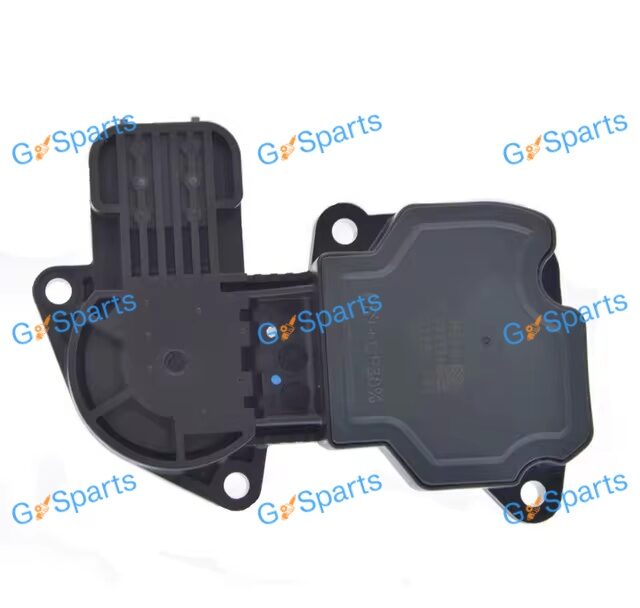
Genuine Geely TPS Sensor 28124938 – FC, Emgrand EC7, Lifan X60 (2005–2025)
Throttle Position Sensor (TPS) for Geely FC, Emgrand EC7, and Lifan X60 (2005–2025).
Did you like this product? Add to favorites now and follow the product.

(+86) 180 07 12 47 38 WhatsApp, Telegram, WeChat
Description
This high-quality Geely TPS Sensor 28124938 ensures accurate throttle response and optimal fuel efficiency for Geely FC, Emgrand EC7, and Lifan X60 models (2005–2025). Manufactured by DTS and Ditasi, it is designed with a 2-wire electric specification for precise performance. Always verify compatibility using your VIN.
Throttle Control Essentials: Why Accuracy Matters
A refined drive starts with the signal that tells the ECU exactly how far the throttle has moved, because every fueling and timing decision branches from that one data stream. When the reading is stable and linear, you feel it as crisp tip-in, steady idle, and predictable power in traffic or on hills. When it’s noisy or drifting, small maneuvers turn clumsy and fuel economy slips without obvious cause. Choosing a direct-fit replacement ensures geometry and voltage sweep match what the controller expects, eliminating guesswork and restoring that “factory fresh” feel. For drivers and workshops who want a dependable first-time fix, Geely TPS Sensor 28124938 is the straightforward path to calm, consistent throttle behavior across seasons and mileage.
What a TPS Does in Modern Engine Management
The throttle position signal is the ECU’s shorthand for driver intent, blending with airflow, manifold pressure, rpm, and temperature to orchestrate combustion. Accurate angle feedback stabilizes idle air control, sharpens transient fueling, and helps the catalyst stay in its efficient window. It even influences torque modeling that downstream systems—like transmission logic or traction control—use to anticipate load. If the signal grows erratic, the controller hunts and corrects, which you feel as hesitation or surging at light throttle. Replacing a drifting unit with Geely TPS Sensor 28124938 reestablishes a linear, repeatable sweep, letting adaptive strategies settle quickly so the car stops second-guessing and simply responds the way your right foot expects every time.
Matching Part Numbers and Fitment Confidence
Throttle sensors are not interchangeable by appearance alone; connector indexing, shaft interface, and the electrical curve all vary by application. A look-alike component that bolts up but outputs the wrong sweep can trigger nuisance codes, unstable idle, or awkward shift behavior. Verifying the correct identifier and connector keying avoids messy workarounds and protects your time. The easiest route is to match the vehicle details and choose Geely TPS Sensor 28124938, which is engineered to deliver the geometry and signal range the ECU was tuned around. With the right part number secured, you can move directly to clean installation and confident verification instead of trial-and-error returns.
Connector Geometry and Harness Routing Basics
A smooth install starts with a visual check of the plug face, latch style, and strain-relief features so the harness isn’t twisted or preloaded against hot components. Good routing prevents vibration-induced noise and protects the reference voltage from interference. Before tightening hardware, ensure the sensor seats without force and that the connector clicks with a positive lock. After it’s secure, cycle the throttle by hand; you should feel full travel and spring return without binding. Taking a minute for these basics means the controller reads a clean sweep from Geely TPS Sensor 28124938, translating directly into steadier idle trims and predictable response on the very first drive around the block.
Internal Design: Materials, Seals, and Longevity
Not all housings hide the same quality. Heat-stable polymers keep shape near the intake, seals block moisture and dust from sensitive tracks, and robust terminals maintain tension through years of vibration. The goal is a smooth, monotonic output that doesn’t develop flat spots as temperatures swing. Those choices keep the ECU calm and reduce the micro-corrections that make a car feel nervous. Selecting Geely TPS Sensor 28124938 pairs dependable internals with application-correct architecture, sustaining accuracy during winter cold starts, summer heat soak, and the daily bumps of urban driving so the throttle signal remains honest long after installation day.
Symptoms that Suggest TPS Wear or Drift
Most drivers notice subtle changes first: a slight stumble leaving a junction, a creeping idle when accessories load the engine, or a delayed surge after small pedal inputs. Occasionally there’s an intermittent warning light tied to plausibility checks between throttle angle and airflow. These clues often trace back to a sensor that no longer tracks movement smoothly, forcing the controller to hunt. After confirming that the throttle body is clean and the harness isn’t damaged, installing Geely TPS Sensor 28124938 typically eliminates the hesitation and restores the linear feel that makes precise parking and gentle ramps easy again, with fewer surprises in stop-and-go.
Preparation Checklist Before You Turn a Wrench
Give yourself a cool, clean workspace and a plan. Wipe debris from the throttle body exterior, stage a driver with the correct bit, and keep a flashlight handy to verify indexing marks. Photograph the original orientation for reference, and inspect the harness for brittle insulation or loose terminals. Have contact-safe cleaner and lint-free swabs ready for the mating plug if it looks dusty. These simple steps prevent pin contamination and misalignment, making the installation of Geely TPS Sensor 28124938 a predictable sequence rather than an improvised repair. When you prepare well, verification becomes fast because you trust the mechanical and electrical foundations.
Installation Technique for Consistent Results
Hand-start fasteners to ensure the sensor seats squarely, then tighten evenly so the housing isn’t distorted. Avoid using the connector as a handle; push on the body and listen for a clean latch click. Cycle the throttle linkage to confirm unobstructed motion, and check that the harness lies naturally with no tension. If the design allows small rotational adjustments, follow the manual’s alignment marks before final torque. This care lets the ECU read a seamless sweep from Geely TPS Sensor 28124938, which you’ll feel immediately as steadier idle and cleaner tip-in rather than the rubber-band effect common to misaligned or stressed installations.
Alignment and Idle Baseline After Replacement
Some platforms expect a particular resting angle and learn that position over time. After installation, turn the key on without starting to allow the controller to register the baseline, then start and let the engine warm quietly. Watch idle settle and avoid unnecessary pedal blips during the first minutes. If your model includes a simple alignment routine, follow it before driving. With Geely TPS Sensor 28124938 correctly seated and aligned, the idle control strategy stabilizes quickly, reducing the tendency to dip or flare when fans or air conditioning cycle and giving you that “it just holds steady” confidence at every stop.
ECU Relearn and Adaptation Tips That Stick
Modern controllers store trims and learned thresholds to accommodate wear. After a sensor change, a short adaptation period helps the ECU sync new readings with airflow and load models. The usual recipe is a warm idle, gentle low-speed maneuvers, and a brief cruise without heavy electrical loads. Resist the urge to test hard acceleration immediately. When the process completes, the benefits of Geely TPS Sensor 28124938 become obvious: smoother transitions, consistent torque delivery, and fewer abrupt corrections as the controller trusts the renewed signal and narrows its long-term adjustments around the fresh baseline.
Diagnosing Hesitation Without Guesswork
Good diagnostics start with observation and a few objective checks. Scan for codes tied to plausibility or correlation, inspect for intake leaks that can mimic throttle errors, and review live data to see whether angle changes linearly with your foot. If airflow tracks angle but torque arrives late, the signal may be noisy; if both drift, look for mechanical binding or contamination. Once you’ve ruled out peripherals, replacing the reader with Geely TPS Sensor 28124938 addresses the root cause rather than chasing symptoms, converting a frustrating on-again, off-again complaint into the stable drivability you expected when the car was new.
Live Data: Interpreting Throttle Angle and Correlation
A healthy system shows angle increasing smoothly with pedal position and correlating sensibly to airflow and manifold pressure. Watch idle timing and fuel trims as you perform gentle blips; they should react predictably without oscillation. Sudden plateaus or noisy jumps in angle suggest worn tracks or poor connector contact. After installing Geely TPS Sensor 28124938, repeat the same observations: you should see clean, monotonic angle changes, calmer trims, and steadier timing. Those traces translate into real-world improvements, like precise creeping in traffic and less throttle required to hold a modest grade without hunting between gears.
Preventing Noise with Clean Grounds and Shielding
Electrical path quality determines whether even the best hardware can perform as designed. Corroded grounds, rubbed insulation, or missing shielding allow interference that looks like signal jitter to the ECU. Verify ground points are bright metal and tight, ensure the loom isn’t chafing on brackets, and restore any missing clips that keep wiring away from coils or alternator leads. With a clean path established, Geely TPS Sensor 28124938 can deliver the smooth voltage sweep the controller expects, eliminating phantom surges the driver feels as small, annoying inconsistencies during parking maneuvers or steady-state cruising.
Idle Quality, Tip-In Smoothness, and Parking Manners
Low-speed finesse is where throttle accuracy shines. Drivers want predictable engagement when nudging forward into a tight space and a calm idle that doesn’t wander as accessories cycle. An accurate signal lets the ECU manage airflow and spark without hunting, so small pedal inputs produce exactly the torque you intend. If you’ve been compensating with extra pedal or brake, you’ll immediately notice the difference after fitting Geely TPS Sensor 28124938: smoother creep, gentler transitions in ramps, and an overall sense that the car obeys your foot like a dimmer switch rather than a flickering toggle.
Fuel Economy Benefits Across City and Highway
A clean throttle signal reduces enrichment spikes during tip-in and helps the controller keep trims tight at cruise. Over weeks, that steadiness adds up to fewer fuel stops and a quieter exhaust note, because the catalyst spends more time in its efficient range. Many drivers also report less odor after short errands once the control loop stops overcorrecting for noisy data. Replacing a drifting unit with Geely TPS Sensor 28124938 is a practical way to capture those gains without changing driving habits, because the engine simply returns to making smarter decisions about fuel and spark in every common situation.
Transmission Behavior and Load Calculations
Where applicable, automatic transmissions consult throttle angle to choose line pressure and shift timing. When the signal is clear, gear changes feel measured and appropriately responsive; when it’s jittery, shifts can arrive a beat late or thump unexpectedly. Stabilizing the input restores harmony between engine and gearbox, making the car feel cohesive again. By supplying the ECU with a trustworthy sweep, Geely TPS Sensor 28124938 helps the transmission logic read driver intent accurately, so upshifts and downshifts align with your expectations instead of surprising you in traffic or on rolling country roads.
Emissions, Catalysts, and Inspection Readiness
Accurate throttle data helps the ECU position fueling exactly where the catalyst likes to work, which improves conversion efficiency and reduces the likelihood of marginal monitors. When trims are steady, readiness completes sooner, meaning fewer repeat drives before inspection. This isn’t just regulatory; it’s also how your car stays pleasant to live with day after day. Install Geely TPS Sensor 28124938, allow a calm adaptation cycle, and you’ll typically see monitors finish without elaborate rituals, because the underlying control decisions no longer wobble with every small change in pedal or accessory load.
Maintenance Habits That Extend Sensor Life
Simple routines preserve accuracy: keep the intake tract sealed and the air filter fresh, avoid drowning the throttle area in harsh cleaners, and repair vacuum leaks promptly so idle control doesn’t work overtime. During unrelated service, verify that loom clips remain intact and that the connector is fully seated with firm terminal tension. These habits keep electrical noise low and mechanical motion smooth, allowing Geely TPS Sensor 28124938 to deliver a stable signal month after month. The payoff is the subtle, daily calm of a car that feels predictably “right” no matter the route or weather.
Avoiding Counterfeits and Protecting Your Time
Look-alike parts can hide weak internals, poor sealing, or inconsistent sweeps that lead to early drift and intermittent faults. Reputable sourcing includes clear connector photos, traceable packaging, and support that stands behind fitment. Choosing Geely TPS Sensor 28124938 from a trusted supplier eliminates guesswork, reduces comeback risk, and ensures the ECU receives the curve it expects. That confidence matters whether you’re a DIY owner working on a weekend or a shop manager balancing schedules—because nothing costs more than doing the same job twice due to bargain hardware that couldn’t hold calibration.
Packaging, Handling, and Shipping Safeguards
Precision electronics deserve careful transit and unboxing. Protective trays should immobilize the body, caps should guard terminals, and anti-static bags should keep contaminants away. On the bench, keep the connector covered until you’re ready to click it home, and avoid setting the unit on gritty surfaces that could transfer debris. These quiet disciplines ensure Geely TPS Sensor 28124938 reaches the throttle body in perfect condition, so your first start confirms success instead of introducing a mystery caused by bent pins or contamination that crept in during a hurried install.
Fleet and Workshop Advantages of Standardization
Teams thrive on predictable installs and repeatable results. Standardizing on a direct-fit reference reduces training time, simplifies stocking, and keeps bay flow steady because everyone understands the same steps and outcomes. Documenting a short verification routine further compresses turnaround without sacrificing quality. In that context, Geely TPS Sensor 28124938 becomes more than a part number—it’s a process anchor that delivers consistent drivability, fewer comebacks, and clear expectations for technicians and customers alike, mile after reliable mile.
Product Page Clarity that Reduces Returns
Great ecommerce pages answer silent questions with precision: connector face close-ups, alignment notes, and a plain-language explanation of benefits and installation basics. When photos, attributes, and copy align, buyers feel confident and support tickets fall. That’s the experience we aim to provide so you can select Geely TPS Sensor 28124938 quickly, verify fit at a glance, and move straight to a successful install. Clear content respects your time and turns a necessary repair into a brief, satisfying task that restores your vehicle’s best behavior.
Training Notes for Technicians and DIY Owners
A short, repeatable playbook helps everyone succeed: prepare the area, confirm indexing, hand-start fasteners, torque evenly, route the harness, and complete a calm relearn. For techs, add a five-minute live-data check; for DIYers, emphasize visual and feel-based verification like steady idle and clean tip-in. By teaching the “why” behind each step, you build confidence that the fix will last. Anchoring that playbook to Geely TPS Sensor 28124938 keeps outcomes consistent, so the next time the team sees similar symptoms, they already know the fastest, least stressful path to green lights.
Troubleshooting After the First Test Drive
If something still feels off, start with the basics: recheck the connector latch, ensure the harness isn’t under tension, and confirm there’s no binding in the linkage. Review live data for a smooth angle trace and reasonable correlation to airflow. If the signal looks clean, inspect for unrelated issues like vacuum leaks or dirty idle passages. Most lingering quirks resolve when the ECU finishes learning the new baseline. With Geely TPS Sensor 28124938 properly installed, second-day impressions usually match first-day relief: steadier low-speed control, calmer cruise, and fewer small corrections during city driving.
Seasonal Considerations from Winter to Summer
Cold mornings contract materials and can expose marginal connectors; hot traffic subjects routing and seals to sustained heat. A high-quality sensor Geely TPS Sensor 28124938 paired with tidy wiring shrugs off these extremes, so the car behaves the same in January and July. After installation, plan a quick check a week later to ensure clips stayed put and the harness hasn’t migrated. The resilient build of Geely TPS Sensor 28124938 supports that year-round consistency, which translates into the kind of reliability you stop noticing because nothing demands attention—precisely how a well-sorted vehicle should feel.
Tuning and Upgrades on a Stable Baseline
Any calibration tweaks, intake improvements, or exhaust changes rely on predictable throttle data to map transient fueling with finesse. If the baseline wobbles, even smart tuning feels jumpy at low speed. Establish accuracy first, then refine personality. By delivering a clean sweep the ECU can trust, Geely TPS Sensor 28124938 provides that foundation so pedal mapping feels intentional, downshifts align with load, and the entire powertrain acts like a team rather than a group of components negotiating with delay.
Warranty, Support, and Documentation Tips
Keep simple notes and photos: connector orientation, harness path, torque values, and a quick live-data screenshot post-install. If a question arises later, you’ll have proof of a clean procedure and a baseline for comparison. Reputable support appreciates clear documentation and responds faster when details are precise. This habit protects your schedule and ensures any warranty conversation stays focused on outcomes. It’s another reason many buyers standardize on Geely TPS Sensor 28124938—the process is transparent from cart to road test, backed by straightforward information that travels with the job history.
Common FAQs Answered with Practical Guidance
Do you need anti-seize? Follow what’s on the threads; adding more can contaminate nearby surfaces. Can a universal unit work? It might bolt up, but mismatched sweeps risk drivability—choose application-correct. How long does relearn take? Usually a short warm idle and a calm neighborhood loop. What if the light returns? Verify connector seating, harness tension, and look for vacuum leaks before condemning parts. Geely TPS Sensor 28124938 Most owners who follow these basics report immediate improvements after installing Geely TPS Sensor 28124938, with smoother engagement, steadier idle, and a dashboard that stays quietly satisfied.
Real-World Case Story and Lessons Learned
A customer complained of a slight surge at 30–40 km/h and a faint idle dip with the air-conditioner cycling. No codes appeared, but live data showed a choppy angle trace during gentle inputs. The shop inspected the harness, cleaned the throttle body, and replaced the reader with Geely TPS Sensor 28124938. After a calm relearn and short mixed drive, the angle trace became linear, trims narrowed, and the customer reported easier parking and less effort holding speed on small grades. The lesson was simple: accurate intent data fixes more than a stumble—it restores the composed character that makes a car pleasant to guide every day.
Final Takeaway: Restore Confidence in Every Drive
A great driving experience is the sum of small, consistent decisions made by the controller in response to honest inputs. When throttle position is accurate, everything else falls into place—idle steadies, shifts feel right, fuel economy recovers, and the catalyst stays happy. Choose a direct-fit unit, install carefully, complete a brief relearn, and enjoy the result. With Geely TPS Sensor 28124938 anchoring the control loop, your vehicle returns to that easy, intuitive feel where the car does exactly what you ask—no drama, just smooth, reliable response every time you set off.
External Resources (Standards & Technical References)
- ISO 26262 — Road Vehicles Functional Safety
- ISO 11898 — Controller Area Network (CAN)
- ISO 14229 — Unified Diagnostic Services (UDS)
- SAE J1979 — OBD-II Diagnostic Test Modes
- AEC-Q100 — Stress Test for Automotive ICs
Related Internal Links
Related products


Recently Viewed Products


G-SPARTS – Leading Auto Parts Supplier Since 2009
Trusted by 1000+ Clients Worldwide | Chinese (BYD, Geely, Chery, …), Japanese (Toyota, Honda, Nissan, …), European (BMW, Mercedes, VW, …) & American (Ford, Chevrolet, Tesla, …) Car Spares | Best Prices & OEM Quality | 15+ Years Expertise | Professional Team, Fast Global Shipping
Copyright 2025 © G-Sparts All Rights Reserved. | Premium Chinese Auto Parts Supplier – Worldwide Shipping | Best Prices on OEM & Aftermarket Spares

Reviews
There are no reviews yet.