
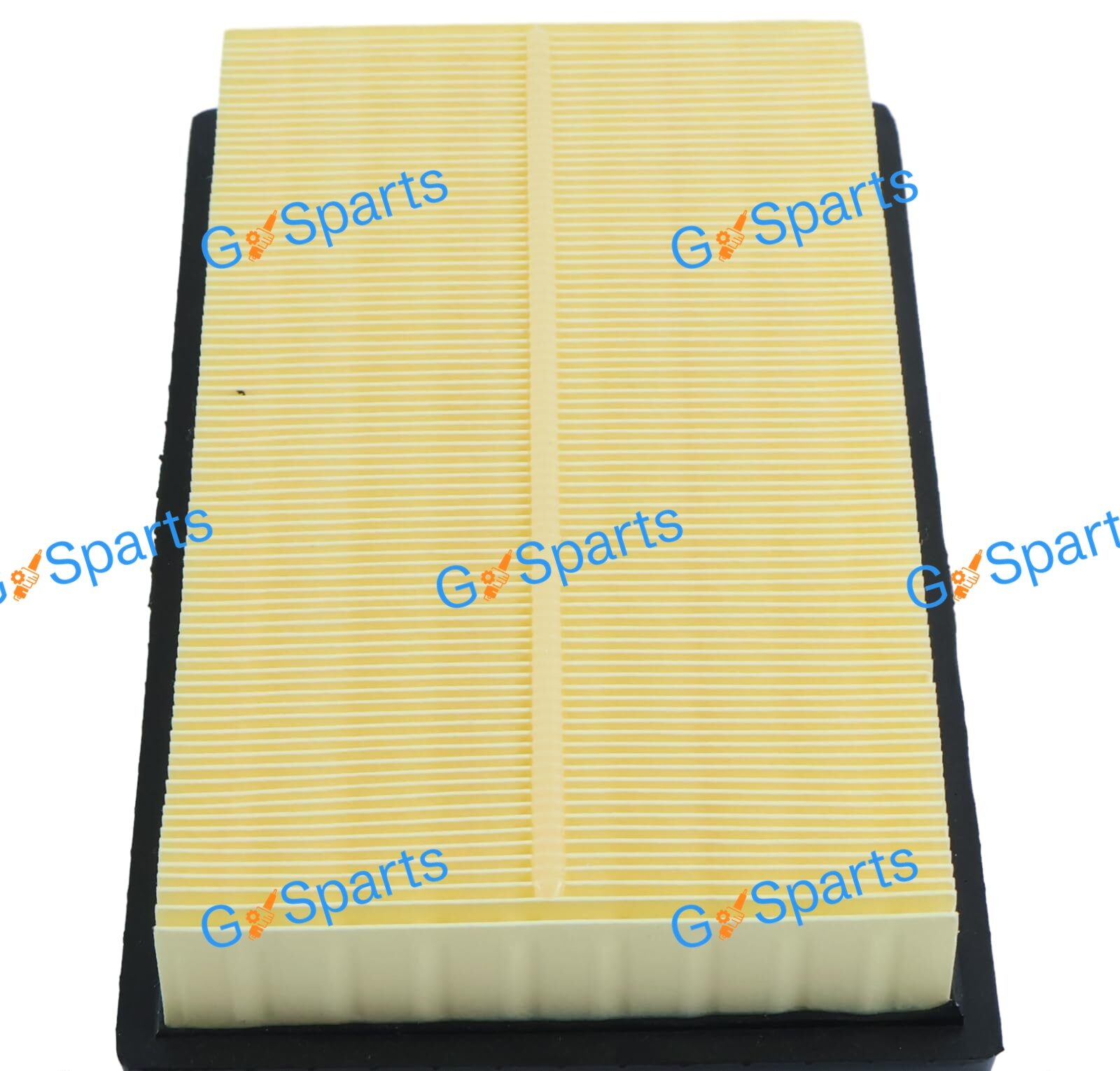
Ultimate Breathe-Easy Precision — High-Quality Toyota Air Filter 17801-YZZ16 | G-Sparts 2025
Reliable Toyota air filter for Toyota/Lexus 4-cylinder engines (2020–2025, hybrid + non-hybrid)
Did you like this product? Add to favorites now and follow the product.

(+86) 180 07 12 47 38 WhatsApp, Telegram, WeChat
Description
The Toyota air filter 17801-YZZ16 ensures maximum airflow and filtration performance. Specs: High pleat count; element filter. Cross-references: OEM element sub-assembly; aftermarket. Fits: Toyota/Lexus 4-cylinder engines (2020–2025, hybrid + non-hybrid). Notes: Engine code & hybrid vs non-hybrid matter.. Trusted OEM replacement compatible through 2025, designed to protect Toyota & Lexus engines.
Introduction and Core Benefits
Modern Toyota and Lexus powertrains deliver their best when intake airflow is stable, clean, and predictable across weather swings and route types. A premium panel keeps particles out while avoiding sudden restriction, so drivability feels effortless rather than “strained.” That’s the everyday value of Toyota Air Filter 17801-YZZ16, which mirrors factory geometry for reliable sealing and uniform flow distribution. By restoring baseline pressure drop, Toyota Air Filter 17801-YZZ16 helps the ECU meter fuel with confidence at tip-in, during cruise, and through long climbs, keeping trims centered and catalysts content. The result is quiet competence: fewer midrange flat spots, cleaner throttle transitions, and a calm cabin soundscape on commutes and road trips.
Fitment Scope and VIN Confirmation
Global catalogs consolidate many four-cylinder Toyota/Lexus applications, but local market packages, hybrid hardware, and running changes can alter airbox lids, latch angles, or tray depths. Confirm fit via VIN and compare airbox photos before ordering to avoid force-closing a lid or pinching a gasket. A correctly matched element drops in squarely, latches with light effort, and shows a flush cover line afterward. Choose Toyota Air Filter 17801-YZZ16 when the tray rails, corner radii, and gasket path match your housing; then validate with a brief idle and light-load drive. A silent intake and steady tip-in confirm the airflow meter is seeing clean, predictable mass flow as designed.
Why Baseline Airflow Matters
Engine management maps assume a tight relationship between commanded throttle and measured airflow. If a filter loads unevenly or the seal is imperfect, the controller chases trims and response gets mushy. A known-good panel restores the “reference curve” the calibration expects. Installing Toyota Air Filter 17801-YZZ16 returns pressure drop and turbulence to design levels, protecting delicate MAF films and keeping torque delivery linear. You won’t notice headline power gains; you’ll notice the absence of friction—smoother roll-ons, consistent cruise control behavior, and the kind of predictability that reduces driver fatigue. That’s the real-world win of Toyota Air Filter 17801-YZZ16 in daily use.
Media, Pleat Geometry, and Frame Integrity
On a bench, panels look similar; on the road, media chemistry and pleat architecture separate quiet competence from creeping frustration. Depth-loading fibers embed fines through the matrix rather than blinding the surface, delaying the steep rise in restriction. Even pleat spacing distributes delta-P so adjacent valleys don’t collapse, while a rigid frame prevents crown bowing that invites micro-bypass. The gasket must compress without taking a permanent set. By meeting these criteria, Toyota Air Filter 17801-YZZ16 maintains laminar entry into the duct and keeps the lid line stable across heat soak and humidity swings, preserving the intake’s subdued tone and your vehicle’s calm character.
Hybrid Versus Non-Hybrid Nuances
Hybrids cycle the engine frequently, so airflow transitions are more noticeable if sealing is marginal. Non-hybrids hold steady load longer, magnifying any gradual restriction growth. Either way, the aim is predictable metering. Correctly seated, Toyota Air Filter 17801-YZZ16 supports smooth hybrid restarts and preserves linear torque in conventional drivetrains. Verify inverter plumbing and harness routing near the hinge line so nothing interferes with lid closure. After installation, a short loop with a few EV-to-engine transitions should feel seamless. If a new tone appears, recheck the perimeter. A silent intake indicates Toyota Air Filter 17801-YZZ16 is sealed, aligned, and ready for the service interval ahead.
Dimensions, Tolerances, and Seating Feel
“Almost right” can still mean trouble. A millimeter too tall bows the lid; a little short allows corner lift. Rail width, corner radii, and foam density affect how the cover settles and holds compression under vibration. With Toyota Air Filter 17801-YZZ16, dimensional consistency keeps the element in the easy-close, airtight window. During install, verify uniform gasket contact and a natural latch click—no persuasion required. Afterward, scan the perimeter for ripples and confirm the cover line stays flush. A quick listen at light load should reveal no whistle. Those small checks ensure the air path remains sealed and the MAF sees stable flow.
Airflow, Pressure Drop, and Everyday Response
Drivers perceive rising restriction as dull tip-in, extra pedal on grades, and earlier downshifts into headwinds. Restoring baseline flow returns the “on-map” feel baked into factory tuning. In practice, Toyota Air Filter 17801-YZZ16 helps cruise control hold speed with less fuss and makes rolling passes feel honest rather than breathy. Because its pleats resist collapse, the increase in differential pressure is gradual, not abrupt, so drivability fades gently near the end of life instead of falling off a cliff. That predictability lets you plan service around real conditions rather than guessing—an underrated advantage of a well-engineered panel.
Filtration Across Real Dust and Pollen
Road air is messy: coarse grit, soot, road dust, and seasonal pollen all ride the intake stream. A balanced matrix captures the small particles that accelerate wear without choking flow prematurely. Installed cleanly, Toyota Air Filter 17801-YZZ16 reduces measurement noise at the airflow sensor, stabilizing trims through humid mornings and hot restarts. Over weeks of construction detours or spring blooms, the intake tract stays cleaner, throttle plates collect less residue, and the powertrain’s composure lasts longer between services. The payoff is mundane but meaningful: fewer hesitations, quieter operation, and a “sorted” feel on school runs and weekend loops alike.
Confirming Engine Codes and Regional Variants
Across 2020–2025 four-cylinder lineups, markets may mix different snorkels, braces, and lid ribbing. Before ordering Toyota Air Filter 17801-YZZ16, confirm the engine code and examine airbox markings. Measure tray depth if catalogs list near-twin part numbers. The right element should drop in squarely and close without force. If resistance appears, stop—recheck orientation, verify nothing sits on the perimeter, and compare frame outline to the tray rails. A perfect match avoids micro-leaks that dirty sensors and destabilize trims. Once Toyota Air Filter 17801-YZZ16 is latched with a clean click and the cover sits flush, you’ve protected both drivability and diagnostic sanity.
Installation Workflow and First-Drive Validation
Begin by releasing all clips so the lid lifts without twisting hinge towers; keep wiring looms clear. Lift the old panel straight up to avoid dumping debris downstream. Wipe the tray with a lint-free cloth, confirm drain paths, and orient Toyota Air Filter 17801-YZZ16 correctly. Close the lid without force and listen for crisp latch engagement. Start the engine, listen for whistle that hints at a gap, and take a brief loop—gentle roll-on, steady cruise, smooth decel. If everything stays quiet and tip-in feels natural, airflow is back on baseline. Those two minutes prevent weeks of chasing “ghost” intake issues later.
Service Intervals and Condition-Based Logic
Owner schedules assume “average” roads, but real routes include gravel detours, coastal spray, and winter sanding. Add a quick airbox check at oil-change cadence: tap for embedded grit, scan pleat valleys for matting, and note asymmetric darkening that hints at bypass. If heat waves, mountain passes, or delivery shifts loom, refresh early with Toyota Air Filter 17801-YZZ16 to keep response steady under peak mass-flow demand. Because its loading curve is predictable, you can tune timing to environment instead of a rigid odometer number. That small habit preserves the calm, effortless personality drivers expect from modern Toyota and Lexus platforms.
Intake Acoustics and Cabin Calm
Engineers tune airbox resonance and duct length to avoid drone while feeding the engine reliably. A mis-seated panel or rippled gasket can add flutter and whistle that drivers often mistake for belt or bearing noise. With Toyota Air Filter 17801-YZZ16 seated evenly, airflow remains laminar at the throttle body and the designed acoustic profile returns—subdued at idle, unobtrusive at cruise. If a tone appears after service, reseat the element, re-engage latches, and ensure no harness is trapped along the perimeter. Silence confirms geometry is right and sealing is uniform, letting you enjoy the “nothing to report” refinement premium vehicles are known for.
Diagnostics, Codes, and Airflow Integrity
When hesitation, rough idle, or drifting trims show up, eliminate intake ambiguity first. A fresh, correctly seated Toyota Air Filter 17801-YZZ16 restores baseline so clamps, couplers, and sensor cleanliness can be evaluated with confidence. Many owners log grams-per-second before and after replacement to visualize stability gains. If alerts persist, smoke-test for vacuum leaks and verify PCV routing—airflow is a system, not a single part. By standardizing the filter variable, you narrow the diagnostic tree, avoid parts-shotgunning, and return the vehicle to its composed self more quickly, saving both time and patience in the process.
Cross-References and Sourcing Confidence
Dealer catalogs and reputable distributors are your safest path to dimensional honesty, but always inspect shipments. Uniform pleats, clean adhesive lines, and intact corners indicate careful production and handling. Using Toyota Air Filter 17801-YZZ16 as your reference footprint across sellers streamlines reorders: it fits the first time, closes airtight, and behaves predictably. Keep invoices and log install dates and conditions; tidy records help with warranty discussions and build resale confidence. When your intake service becomes a five-minute routine anchored by Toyota Air Filter 17801-YZZ16, you protect schedules in busy seasons and keep shop bays moving efficiently.
Data Sheets and Practical Meaning
Spec pages list initial restriction, collapse strength, and flow at set pressure points. The practical lens is curve shape as dust loads and humidity shifts. A smooth, gradual rise in delta-P means drivability fades gently, giving time to plan service instead of reacting to sudden sluggishness. Housing-matched geometry limits turbulence spikes that would force short-term fueling corrections. In that context, Toyota Air Filter 17801-YZZ16 keeps the vehicle “on map” more of the time—steady climbs, consistent passing, and minimal gear hunting. That mundane steadiness is the everyday advantage that owners feel long after the box is back on the shelf.
Cold Weather, Humidity, and Condensation
Dense winter air raises mass flow at modest throttle, exaggerating any existing restriction. Short, cold trips also create condensation cycles that ripple weak media and stress marginal seals. Keep drain paths clear so water never pools in the housing after slush or heavy rain. Seated correctly, Toyota Air Filter 17801-YZZ16 holds perimeter contact through freeze-thaw, blocking bypass that would dirty sensors and skew trims. If you’ve driven through deep puddles or pressure-washed the bay, pop the lid for a quick check. Stable sealing and low turbulence keep cold starts smooth, warm-ups gentle, and intake acoustics unobtrusive in winter.
Long-Trip Prep and Post-Trip Checks
Before hot interstate runs or mountain passes, remove avoidable restriction so the engine breathes freely for hours at a time. Installing Toyota Air Filter 17801-YZZ16 ahead of demanding itineraries keeps torque delivery linear and catalysts in their preferred window under sustained load. After the trip, a two-minute lid check verifies the perimeter remained tight and corners didn’t collect debris. Pair the intake inspection with quick wins—tire pressures, coolant level, and a glance at belts—so the car feels “sorted” for the next outing. Simple rituals anchored by a proven panel reduce surprises and preserve that unruffled, long-drive character.
System Synergy Beyond the Filter
Filtration is one link in a chain with PCV function, clean throttle plates, elastic hoses, and snug clamps. Coordinating these tasks minimizes repeat disassembly, preserves hardware, and prevents overlapping small faults that confuse diagnostics. Replace Toyota Air Filter 17801-YZZ16, inspect couplers for hairline splits, verify clamp torque, and peek at the throttle blade for deposits in a single visit. With the intake variable stabilized, idle remains smooth and tip-in stays transparent, letting technicians and DIY owners focus on fluids, plugs, and software updates—the maintenance moves that actually extend life and keep ownership pleasantly uneventful.
Common Installation Pitfalls to Avoid
Most intake comebacks trace to small oversights: a trapped harness under the lid, a pebble in the tray corner, or a latch that never fully clicked. Never force a reluctant cover; recheck orientation and confirm nothing sits on the gasket path. After seating Toyota Air Filter 17801-YZZ16, run a fingertip along the perimeter to feel even compression, then flex the inlet duct gently to ensure engine motion won’t tug the lid. Finish with a short test loop—light throttle, steady cruise, soft decel. Silence plus natural tip-in means the job is truly complete and the system is sealed the way engineers intended.
Fleet/Shop Inventory and Recordkeeping
For shops and small fleets, standardizing intake service reduces downtime. Stock Toyota Air Filter 17801-YZZ16 where it’s the verified footprint, and tag bins with engine codes alongside chassis identifiers. Use barcodes or a simple spreadsheet to log install dates, mileage, and technician initials. Rotate stock so older boxes go first and keep a “control” sample for quick dimension checks if a shipment looks off. These habits prevent last-minute parts runs, reduce comebacks, and make seasonal spikes—pollen in spring, dust in summer—far easier to manage without sacrificing bay efficiency or customer experience.
Environmental Responsibility and Disposal
Responsible upkeep includes proper end-of-life handling. Don’t blast used panels with compressed air; ruptured fibers ruin efficiency and invite accidental reuse. Follow local guidance for disposal—some facilities recover paper and metal fractions. Store fresh elements flat, sealed, and away from solvents that can soften foams. Choosing a consistent, reputable footprint like Toyota Air Filter 17801-YZZ16 discourages counterfeit supply chains and supports quality and environmental standards. The result is a cleaner engine bay, fewer wasted parts, and a maintenance routine that respects both your schedule and the planet while keeping the vehicle’s demeanor calm and predictable.
Fuel Economy, Emissions, and Converter Harmony
Accurate metering keeps combustion near targets where catalysts excel. As restriction grows, compensations add tiny hesitations and incremental consumption drift that owners feel as “tiredness.” Refreshing with Toyota Air Filter 17801-YZZ16 resets airflow to design intent, smoothing hot restarts and urban stop-go without theatrics. Expect steadiness, not spectacle: stable cruise, fewer emissions flags indirectly tied to airflow noise, and relaxed midrange under weather swings. Because geometry and seal integrity hold across the interval, the ECU trims less around turbulence, sustaining the quietly confident personality associated with well-kept Toyota and Lexus models.
Owner Experience and Everyday Confidence
What drivers notice after restoring airflow is the absence of issues: cleaner tip-in, steadier cruise, and fewer midrange flat spots during rolling passes. That calm competence signals the ECU sees clean, predictable mass flow instead of chasing turbulence or creeping restriction. With Toyota Air Filter 17801-YZZ16 in place, the vehicle presents as composed and ready—equally comfortable in weekday errands or longer intercity stretches. Treat the filter as a small, high-leverage habit: install correctly, document the interval, and enjoy months of “nothing to report,” which is exactly how dependable ownership should feel when fundamentals are handled with care.
Myths, Mods, and Practical Realities
“More airflow” is often confused with “better,” but modern calibrations expect a defined pressure-flow relationship across operating ranges. Oversized, under-sealed elements can add turbulence that feels like hesitation rather than power. Real gains come from predictable restriction curves and airtight sealing—traits built into Toyota Air Filter 17801-YZZ16. Pairing the correct panel with healthy ducts and clamps preserves the smooth, low-drama delivery people buy these vehicles for. If you want sharper response, ensure the intake is stable first; only then will software or hardware tweaks express their benefits without masking issues rooted in basic airflow integrity.
Costs, Value, and Total Ownership
The cheapest panel becomes expensive if it whistles, deforms, or contaminates sensors. Stability has tangible value: predictable trims, linear torque, minimal cabin noise, and fewer shop visits. Anchoring service around Toyota Air Filter 17801-YZZ16 keeps airflow aligned with calibration and preserves the airbox’s acoustic tuning, quietly avoiding nickel-and-dime problems that erode trust. Over multi-year ownership, the modest spend returns itself in saved diagnostics and a car that consistently feels “sorted.” That’s the kind of value drivers actually experience day to day—fewer surprises, less fatigue, and confidence that every mile will feel reassuringly familiar.
Storage, Shelf Life, and Seasonal Starts
Vehicles that sit for weeks can trap humidity in the airbox, imprinting soft gaskets or rippling marginal media. Before a new season, pop the lid and check the element’s shape. If the panel feels damp or shows waviness, replace it with Toyota Air Filter 17801-YZZ16 to restore predictable behavior. After installation, run a gentle warm-up and a short loop to confirm smooth idle and clean transitions. Store spares flat in a dry cabinet, away from heat and solvents, so materials retain compression memory. Small habits like these prevent sluggish first weeks back on the road and keep the vehicle’s personality calm and composed.
Key Takeaways and Next Steps
Precision-matched filtration is foundational, not optional, for powertrains tuned around accurate metering and refined NVH. A correctly seated Toyota Air Filter 17801-YZZ16 keeps airflow inside the ECU’s sweet spot, preserving drivability, efficiency, and component life through seasons and route changes. If whistle, hesitation, or drifting trims appear, verify the perimeter seal and refresh the element before chasing deeper faults. From there, align intervals with environment, keep brief notes, and pair intake care with sensible checks of hoses, sensors, and fluids. Do this, and your Toyota or Lexus will keep delivering that quietly excellent normalcy mile after mile.
External Resources (Authoritative)
- Engine Air Filter — Wikipedia
- Honda Genuine Parts – Air Filters
- Toyota Genuine Engine Air Filters
- Bosch Automotive – Engine Air Filters
- MANN-FILTER – Engine Air Filters
- MAHLE Aftermarket – Air Filters
- K&N Performance Air Filters
- SAE International – Engine Air Filter Papers
Internal Links — G-Sparts Air Filters
Related products


Recently Viewed Products


G-SPARTS – Leading Auto Parts Supplier Since 2009
Trusted by 1000+ Clients Worldwide | Chinese (BYD, Geely, Chery, …), Japanese (Toyota, Honda, Nissan, …), European (BMW, Mercedes, VW, …) & American (Ford, Chevrolet, Tesla, …) Car Spares | Best Prices & OEM Quality | 15+ Years Expertise | Professional Team, Fast Global Shipping
Copyright 2025 © G-Sparts All Rights Reserved. | Premium Chinese Auto Parts Supplier – Worldwide Shipping | Best Prices on OEM & Aftermarket Spares

Reviews
There are no reviews yet.