
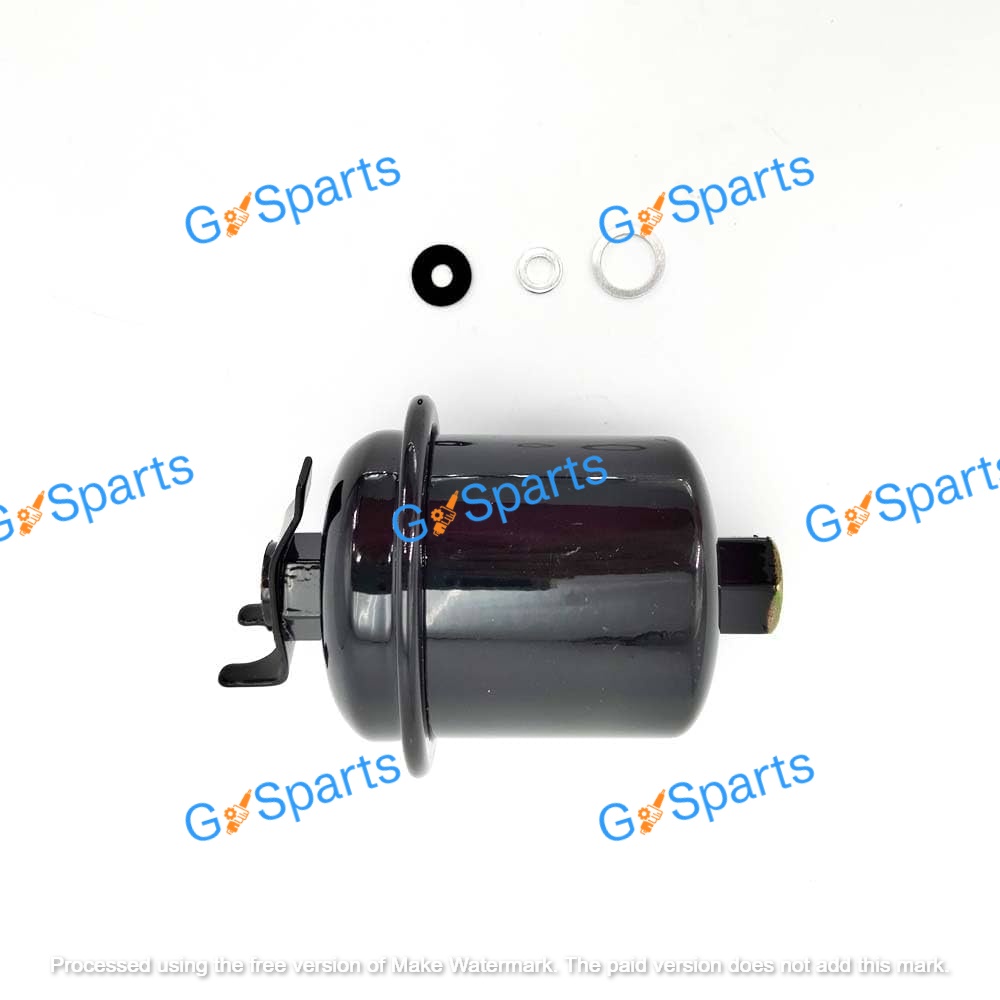
Ultimate Fuel-Flow Precision & Protection — Honda Fuel Filter 16010-ST5-E02
Honda Fuel Filter 16010-ST5-E02 – Honda Accord, Civic, Civic del Sol, Odyssey, CR-V (1994–2001, select trims) safeguards injectors with high-filtration, low-restriction media that maintains stable pressure and crisp throttle response. OE-accurate fittings ensure a dependable, leak-free install, while corrosion-resistant housings stand up to harsh climates and fuel contaminants. Designed for serviceability, it supports predictable maintenance intervals that keep older platforms running smoothly. Verify trim compatibility, then replace per schedule or when symptoms like hesitation, hard starts, or power loss appear. Protect pump life, smooth idle quality, and restore confident drivability with a precision fuel filter built for classic Honda reliability.
Did you like this product? Add to favorites now and follow the product.

(+86) 180 07 12 47 38 WhatsApp, Telegram, WeChat
Description
The Honda Fuel Filter 16010-ST5-E02 is engineered for Honda Accord, Civic, Civic del Sol, Odyssey, CR-V (1994–2001, select trims) to ensure reliable engine operation. It removes dirt, debris, and harmful contaminants, protecting fuel injectors and extending engine life. Manufactured to OEM specifications (Inline fuel filter set; OEM build; metal/plastic construction), it delivers consistent performance and precise fit. Cross-compatible with Honda Genuine; replaces 16010-ST5-933, 16010-ST5-931, it serves as a direct replacement part. Recommended replacement intervals align with Honda’s service schedules. Notes: VIN + engine displacement needed; housing design varies on older models.
Purpose and Performance Overview
Smooth starts, crisp throttle response, and predictable emissions all depend on a clean, stable fuel supply—especially on 1990s and early-2000s Honda platforms that millions still daily-drive. The inline assembly at the heart of that reliability is the Honda Fuel Filter 16010-ST5-E02, a service kit engineered to catch rust, varnish, and tank silt before they ever reach precision injector tips. Because its flow characteristics track OEM targets, the ECU’s short-term trims don’t drift when demand rises on highway merges or steep grades. Owners who refresh with the Honda Fuel Filter 16010-ST5-E02 commonly report steadier idle, faster hot restarts, and spark plugs that read cleaner under routine maintenance checks.
Model Coverage and Fitment Clarity
Between 1994 and 2001, Accord, Civic, Civic del Sol, early CR-V, and Odyssey models used variations of brackets, banjo bolts, and hose angles, which is why a VIN lookup matters before you wrench. With the Honda Fuel Filter 16010-ST5-E02, you’re aligning to an OEM-spec footprint that mates correctly with factory hard lines and washers, avoiding thread pitch mishaps and awkward clocking. Verify engine code and evap layout, compare your old canister’s orientation, and photograph hose routing. Once you confirm, the Honda Fuel Filter 16010-ST5-E02 slides into the bracket squarely, the latch points line up, and leak checks become routine rather than a troubleshooting odyssey.
Why Inline Filtration Still Matters
Decades of real-world service leave minute corrosion in tanks and films inside hoses that can strip into the supply circuit. A high-quality cartridge keeps those fines out of injectors so spray patterns stay even cylinder to cylinder. The Honda Fuel Filter 16010-ST5-E02 pairs correct micron rating with low restriction, protecting pump amperage and keeping fuel temps down on hot days. When the element is fresh, cold starts feel crisp and hill pulls don’t sag as rail pressure meets demand. That’s the everyday payoff of installing the Honda Fuel Filter 16010-ST5-E02 on schedule instead of waiting for a misfire or lean code to force the issue.
Construction Quality and Flow Behavior
Seam weld integrity, end-cap bonding, and media pleat stability separate true OEM builds from look-alikes. Inside the Honda Fuel Filter 16010-ST5-E02, pleated media maintains consistent delta-P across the interval so the regulator isn’t chasing transients during tip-in. The metal shell resists heat cycling and road spray, while seal materials tolerate modern ethanol blends without swelling. Those small choices add up to predictable trims and fewer drivability ghosts. If you’ve chased intermittent stumble after storage, returning the system to baseline with a new Honda Fuel Filter 16010-ST5-E02 often resolves the complaint without throwing a parts cannon at sensors that weren’t at fault.
Supersessions and Cross-References
Honda rationalized earlier kit numbers to simplify stocking while preserving fit and flow. If your catalog lists older references that supersede to the Honda Fuel Filter 16010-ST5-E02, you’re getting the current service solution with the right washers and bracket interfaces. For counter teams, listing both historic and current numbers prevents returns; for DIYers, the practical check is banjo diameter, thread pitch, and bracket ear alignment. When those match, the Honda Fuel Filter 16010-ST5-E02 installs cleanly and your leak-check routine becomes a formality—prime, scan for weeping, and drive, rather than wrestling mismatched hardware or chasing weeps a day later.
Symptoms of Restriction and Early Warnings
Filters load gradually, whispering long before they shout. Harder hot restarts, a flat spot rolling into the throttle, or lean codes that only appear climbing grades on hot afternoons signal rising restriction. You might also hear the pump hum more loudly as it works against a clogged element. Swap in a Honda Fuel Filter 16010-ST5-E02 and that background hum typically fades while response sharpens. If hesitation persists after the Honda Fuel Filter 16010-ST5-E02 install, verify regulator behavior and pump volume; the point is to isolate causes methodically instead of guessing at injectors, MAFs, or O2 sensors without a baseline.
Safety, Depressurization, and Prep
Working clean and safe protects you and the car. Ventilate the space, disconnect the negative terminal, and relieve fuel pressure at the service port or by pulling the pump fuse and letting the engine stall. Eye protection and fuel-rated gloves are non-negotiable. Label hose positions, lay absorbent pads, and keep a class-B fire extinguisher within reach. With the Honda Fuel Filter 16010-ST5-E02 staged, new crush washers ready, and a torque wrench set to spec, the job becomes straightforward instead of stressful. Careful prep keeps the process professional—and prevents small mistakes from turning into persistent smells or messy cleanup.
Tools, Hardware, and Reuse Rules
Use line wrenches on flare nuts, never adjustable pliers, and replace crush washers every time; reusing them invites weeping after heat cycles. The Honda Fuel Filter 16010-ST5-E02 kit is engineered around fresh sealing surfaces, so give it the hardware it deserves. Inspect bracket isolators; hardened rubber transmits vibration that can fatigue lines. A mirror-on-a-stick and a small LED make leak checks realistic in tight quarters. Bag removed fasteners so nothing migrates under the splash shield. With the Honda Fuel Filter 16010-ST5-E02 tightened to spec—not “German tight”—you’ll avoid stripped threads and ensure clamps seat evenly on their mating faces.
Installation Sequence and Orientation
Loosen outlet, then inlet, capping lines to control fuel drip and odor. Transfer sleeves or jackets to the new canister, match the arrow to flow direction, and finger-start fittings to prevent cross-threading. Torque banjos with new washers—one on each side—then snug flare nuts while holding back-up on the hard line. Prime the circuit by key-cycling before cranking, and use a dry white towel to check each joint for the faintest film. The Honda Fuel Filter 16010-ST5-E02 rewards this patience: square seating, no twists in hoses, and zero seepage once the system warms. Drive gently, recheck, and you’re done.
Priming, Leak Checks, and Verification
After priming, idle the engine and watch trims with a scan tool if available; expect them to settle as the ECU relearns. A short uphill pull at moderate throttle verifies volume without beating on the car. Back in the bay, inspect again—heat expansion can reveal a marginal joint you’d rather correct now. The Honda Fuel Filter 16010-ST5-E02 is built for consistent sealing, so a bone-dry towel at every joint is your green light. Record mileage, part number, and any observations; that record makes future diagnostics faster and proves the Honda Fuel Filter 16010-ST5-E02 service happened on a clear timeline.
Fuel Quality, Storage, and Additives
Old fuel grows varnish; sudden heavy cleaner doses can dislodge sludge faster than the system likes. If the car sat, dilute responsibly with fresh gas and avoid over-treating. The Honda Fuel Filter 16010-ST5-E02 can catch fines, but it’s not a miracle sponge for tank neglect. Pair the change with a fresh air filter and correct-heat-range plugs so the combustion side is ready to benefit. A disciplined approach keeps the new Honda Fuel Filter 16010-ST5-E02 from becoming a sacrificial trap for a big debris slug that should have been dealt with via careful fueling and, if necessary, tank service.
Pressure, Volume, and Diagnostic Clarity
Pressure that sags only under load points to restriction; pressure low everywhere hints at a pump. Run numbers before and after installing the Honda Fuel Filter 16010-ST5-E02 so you own the baseline. If trims tighten and hill pulls regain authority post-install, you confirmed root cause. If delivery is still marginal, you know to pursue pump current draw, regulator return flow, or injector balance instead of second-guessing the Honda Fuel Filter 16010-ST5-E02 work. Numbers beat hunches—especially when chasing intermittent lean pops that only surface after a long freeway stint in summer heat.
Emissions, Readiness, and Drivability
Stable atomization helps catalysts light off cleanly and keeps O2 feedback within easy correction range. Random lean spikes from restricted delivery trigger misfire counters and stall readiness monitors. Restoring flow with a Honda Fuel Filter 16010-ST5-E02 lets the ECU do its job without drama. Follow the replacement with a mixed-cycle drive—steady highway, urban stop-and-go, and a few gentle accelerations—to settle trims. When fuel supply is predictable, idle smooths with accessories on, and test loops complete without extra trips. That’s the quiet win that comes from doing the Honda Fuel Filter 16010-ST5-E02 at the right time, the right way.
Interval Planning and Record-Keeping
Age, mileage, and fuel quality dictate cadence more than the calendar alone on older platforms. Short-trip cars in humid climates benefit from the conservative end of the range; highway commuters on top-tier fuel can often extend slightly. Either way, log date, mileage, and symptoms. Clip the box label from the Honda Fuel Filter 16010-ST5-E02 to your records so future you, or your next tech, knows exactly what’s on the car. Linking the Honda Fuel Filter 16010-ST5-E02 entry to any concurrent work—plugs, injector cleaning, pump test—builds a diagnostic story that saves time later.
Avoiding Common Pitfalls
The most frequent comebacks trace to reused crush washers, over-torqued banjos, or hoses twisted to “make it fit.” Slow down. Align the flow arrow, confirm hose clocking with your photo, and torque once to spec. If a flare nut grinds, clean and start over instead of muscling it. With patience, the Honda Fuel Filter 16010-ST5-E02 install becomes a one-and-done task, not a recurring nuisance. And if you must fight the old hardware, plan ahead: penetrating oil the day prior, back-up wrenches on lines, and new bracket isolators so vibration doesn’t return as a buzz at idle.
Seasonal and Regional Variables
Winter blends, oxygenates, and freeze-thaw cycles change how fuel ages and how rubber seals behave. Schedule the Honda Fuel Filter 16010-ST5-E02 near seasonal transitions to reset the system before the toughest months. Stored cars should sit with stabilized, full tanks to limit condensation, then be diluted with fresh fuel in spring. In dusty or wildfire regions, consider earlier intervals. Planning around your environment means the Honda Fuel Filter 16010-ST5-E02 protects the rail when it matters most—summer climbs with A/C blasting or cold-start mornings when volatility profiles differ.
Corrosion, Brackets, and Durability
Rusty brackets and seized flare nuts can turn a simple job into a chore. Pre-soak hardware, support lines with a back-up wrench, and replace brittle isolation rubber. After installation, a light coat of corrosion inhibitor on the bracket slows future bloom without contaminating fuel. The sturdier the mounting, the happier the lines over time. Treat the Honda Fuel Filter 16010-ST5-E02 as part of a small system—hardware, isolators, and routing—so the next interval is as easy as this one and the under-hood area stays tidy and rattle-free.
System Thinking: Air, Spark, and Vacuum
Fuel is one leg of the stool; air and spark are the others. A clogged intake, tired plugs, or vacuum leaks can masquerade as fueling problems. Pair the Honda Fuel Filter 16010-ST5-E02 service with quick checks of the air filter, plug condition, and PCV integrity. When the whole intake-combustion path is healthy, the improvement is unmistakable: smoother tip-in, linear pull, and a calmer idle with accessories on. System thinking turns a single filter swap into a holistic refresh that you can feel on the first post-service drive.
OEM vs. Pattern Parts
Copycat canisters sometimes cut costs with inferior seams, soft plating, or media that collapses in heat—failures you discover the hard way. The Honda Fuel Filter 16010-ST5-E02 uses validated materials and geometry proven over millions of miles. The price delta is tiny compared to the risk of seepage, rail starvation, or a roadside tow. Budget for new washers, a few towels, and proper cleaner, and you’ll still be far ahead. Lean OEM on this part; the Honda Fuel Filter 16010-ST5-E02 is the definition of cheap insurance for fuel-system longevity.
Documentation, Resale, and Confidence
A tidy folder makes old Hondas easier to sell and easier to service. Staple the receipt and a photo of the Honda Fuel Filter 16010-ST5-E02 install into your records, note torque values, and add a quick trim snapshot if you logged with a scan tool. Buyers and future techs read that as proof you didn’t defer foundational maintenance. It also spares you from guessing which revision is on the car when diagnosing a future stumble. Clear paperwork turns the Honda Fuel Filter 16010-ST5-E02 from a forgotten part into a line item that signals care.
Environmental Handling and Shop Cleanliness
Gas-wet parts demand thoughtful disposal and cleanup. Slip the old unit into a sealable, fuel-safe bag, let rags off-gas per local guidance, and bin them correctly. Don’t blast fittings with compressed air—atomized fuel is dangerous and messy. Cap open lines during the job, wipe down nearby components, and leave the bay odor-free. That’s the professional finish the Honda Fuel Filter 16010-ST5-E02 deserves, and it keeps rubber and plastics from absorbing stray solvents that shorten their life.
Post-Install Feel and Final Takeaways
After a heat-soak and re-inspection, most drivers notice subtle but real gains: brisk hot starts, steadier idle with the headlights and blower on, and cleaner, more linear response merging onto freeways. Those are the everyday dividends of a rail supplied by a fresh Honda Fuel Filter 16010-ST5-E02—not flash, just correctness. Stay on cadence, torque correctly, and verify with a short road loop and a second leak check. Do that, and the Honda Fuel Filter 16010-ST5-E02 will quietly protect injectors, pumps, and catalysts until the next scheduled interval, keeping your classic Honda feeling modern where it counts.
Long-Term Troubleshooting and Confidence Checks
After a week of mixed driving, it’s smart to run a quick confidence audit that goes beyond the basic leak check. Start by inspecting hose clocking and bracket fasteners to ensure nothing migrated after heat cycles or rough pavement. Listen at idle with accessories on; a healthy system should keep pump noise subdued and throttle transitions clean. If there’s a faint fuel odor, trace upstream from the outlet fitting using a dry paper towel to detect a weep you can’t see. Confirm short-term fuel trims with a scan tool; stable numbers during gentle tip-in and steady cruise indicate predictable delivery.
External Resources (Authoritative)
- Fuel Filter — Wikipedia
- Bosch Automotive: Fuel Filters
- MAHLE Aftermarket: Fuel Filters
- MANN-FILTER Tech: Fuel Filters
- Parker Hannifin: Fuel Filtration
- DieselNet: Fuel Filters & Water Separators
- ICCT: Transportation Fuels & Quality
- US DOE: GDI Engine Basics
- EPA: Vehicle & Engine Emissions (Fuel Quality Context)
- SAE International — Standards (Fuel Systems)
Internal Links — G-Sparts (Fuel Filters)
Related products



G-SPARTS – Leading Auto Parts Supplier Since 2009
Trusted by 1000+ Clients Worldwide | Chinese (BYD, Geely, Chery, …), Japanese (Toyota, Honda, Nissan, …), European (BMW, Mercedes, VW, …) & American (Ford, Chevrolet, Tesla, …) Car Spares | Best Prices & OEM Quality | 15+ Years Expertise | Professional Team, Fast Global Shipping
Copyright 2025 © G-Sparts All Rights Reserved. | Premium Chinese Auto Parts Supplier – Worldwide Shipping | Best Prices on OEM & Aftermarket Spares

Reviews
There are no reviews yet.