
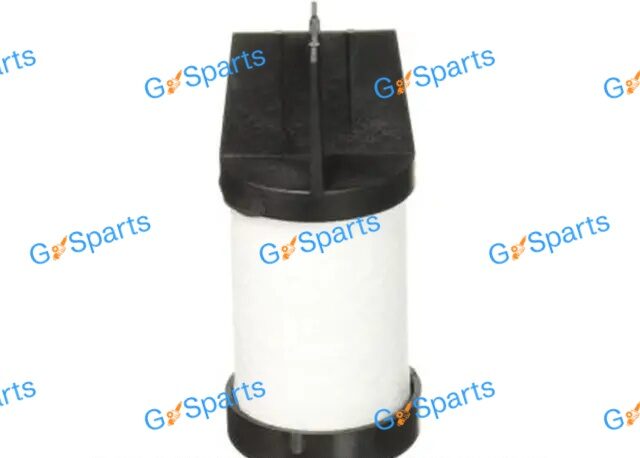
Ultimate Fuel-Flow Precision & Protection — Honda Fuel Filter 16905-RNEA-00
Honda Fuel Filter 16905-RNEA-00 – Honda Civic 1.8L CNG (2006–2015) safeguards injectors and the high-pressure CNG system with fine-media filtration that stabilizes fuel flow and maintains crisp throttle response. OE-accurate ports and sealing surfaces ensure a leak-free installation, while corrosion-resistant housings withstand harsh climates and fuel moisture. Low restriction supports consistent rail pressure and smoother idle, reducing hesitation under load. Ideal for preventative maintenance on CNG fleets and daily drivers alike, with service intervals aligned to demanding urban use. Replace per schedule or at the first signs of starvation, hard starts, or loss of power to protect the pump and extend engine life.
Did you like this product? Add to favorites now and follow the product.

(+86) 180 07 12 47 38 WhatsApp, Telegram, WeChat
Description
The Honda Fuel Filter 16905-RNEA-00 is engineered for Honda Civic 1.8L CNG (2006–2015) to ensure reliable engine operation. It removes dirt, debris, and harmful contaminants, protecting fuel injectors and extending engine life. Manufactured to OEM specifications (Fuel filter / strainer for CNG fuel system), it delivers consistent performance and precise fit. Cross-compatible with Honda Genuine OEM, it serves as a direct replacement part. Recommended replacement intervals align with Honda’s service schedules. Notes: Specialized for natural gas fuel; confirm VIN & market availability.
CNG System Basics and Why Filtration Matters
Compressed natural gas demands absolute cleanliness because injectors, regulators, and pressure sensors operate with tight tolerances and high differentials. Minute rust from storage cylinders, compressor oil aerosols, and pipeline dust can migrate downstream and upset atomization or pressure regulation. A purpose-built strainer preserves designed flow while trapping those intruders before they reach delicate metering components. This is the baseline for long-term reliability in Civic CNG drivetrains designed for daily duty cycles and fleet mileage. For owners who want consistent starts and crisp throttle response in every season, Honda Fuel Filter 16905-RNEA-00 is the anchor. In practice, installing Honda Fuel Filter 16905-RNEA-00 turns preventative maintenance into predictable peace of mind.
Fitment Scope, Model Years, and VIN Confirmation
Civic CNG models span multiple production updates between 2006 and 2015, and regional configurations can vary in plumbing, brackets, and service access. A quick VIN confirmation avoids buying a gasoline-only part or a generic substitute that fails to meet natural gas requirements. Matching the part to the exact engine code and market ensures the bracket aligns, the seals compress correctly, and the line torque values remain within spec. When the correct filter is installed, the vehicle regains that quiet, composed fuel delivery that makes urban driving effortless. For this application, Honda Fuel Filter 16905-RNEA-00 is the straightforward, OEM-calibrated solution.
OEM Specification and Natural Gas Design Priorities
Unlike gasoline filters that manage liquid flow at modest pressures, CNG-strainer components confront high-pressure differentials, rapid temperature swings, and dry-gas chemistry. Media formulation, seam integrity, and sealing surfaces must be tuned for these conditions to avoid channeling or collapse. That is why OEM specification matters: it places the filter in the exact resistance window the regulator expects while protecting injectors from micro-particulates that would otherwise scar seats. Field techs select Honda Fuel Filter 16905-RNEA-00 because it balances surface area, stiffness, and seal compression for this platform’s duty cycle. The result is steady rail pressure and predictable trim values during emissions monitors.
Contaminant Profiles: From Cylinder to Injector
Even well-maintained CNG supply chains can carry trace particulates—oxidized steel from tank walls, silica dust from handling, and compressor oil mist that agglomerates into tiny droplets. Over time, pressure cycling can break loose films inside lines, sending them downstream at exactly the wrong moment. A high-integrity barrier traps the offenders without choking flow when ambient temperatures drop. Owners who commit to routine replacement avoid limp-home scenarios caused by pressure sensor faults or injector imbalance. Centering maintenance around Honda Fuel Filter 16905-RNEA-00 keeps the whole system operating in its intended lane, minimizing diagnostic rabbit holes and unnecessary part swaps.
Air-Fuel Control, Driveability, and Emissions
CNG engines are unforgiving when fuel metering drifts: mixture errors show up as hesitation, rough idle, or stubborn monitors that refuse to set. When the filter is fresh and correctly seated, the regulator and injectors deliver consistent mass flow, letting closed-loop control do its job cleanly. That steadiness protects catalytic converters by preventing over-lean spikes and keeps long-term fuel trims in a comfortable range. For technicians chasing intermittent faults, a baseline replacement with Honda Fuel Filter 16905-RNEA-00 often clarifies the picture quickly. The combination of precise fit and verified restriction prevents many phantom issues from masquerading as sensor failures. Choosing Honda Fuel Filter 16905-RNEA-00 early saves time and parts.
Service Intervals and Practical Triggers
Published service schedules give a mileage or time anchor, but local fuel quality, refill station maintenance, and storage habits can compress the interval. Practical tells include slower monitor completion, creeping long-term trims, or a faint hesitation after cold start before the system stabilizes. Tie filter service to other underbody tasks—like cylinder inspections or line leak checks—so it never slips the calendar. When in doubt, a preventative install eliminates a major variable before emissions testing or a long trip. Owners who reset the fuel path with Honda Fuel Filter 16905-RNEA-00 report smoother readiness cycles and fewer surprises at inspection time.
Installation Planning and Safety Precautions
Working on CNG hardware requires respect for stored energy and cleanliness. Park in a ventilated area, disable ignition, and depressurize per service manual steps before touching fittings. Cap open lines immediately to prevent particulate ingress. Use proper flare-nut wrenches and torque to spec; overtightening can distort sealing faces and invite future leaks. Replace any damaged clips or deteriorated insulating sleeves during reassembly. A careful, methodical approach ensures the new component does its job without introducing new variables. With the right prep and tools, installing Honda Fuel Filter 16905-RNEA-00 is a clean, controlled task rather than an anxious guesswork exercise.
Step-by-Step Replacement Without Surprises
Begin with residual-pressure relief as prescribed. Support lines to prevent bending loads, then break fittings free in a controlled sequence. Photograph original orientation and note any alignment marks before removal. Inspect mating cones and threads for scoring; polish lightly if the manual allows or replace suspect fittings. Seat the new unit squarely, start threads by hand to avoid cross-threading, and torque in stages. After re-pressurizing, soap-test joints for bubbles, then perform a scan-tool key-on rail-pressure check if available. A short road test with live data confirms stability. When the job is done right with Honda Fuel Filter 16905-RNEA-00, the system fades into the background as it should.
Post-Install Verification and Data-Driven Checks
The most convincing confirmation comes from numbers. Review short- and long-term trims, injector pulse widths, and rail pressure behavior during various loads. Look for swift readiness after a few drive cycles and steady idle without compensatory swings. If the vehicle had complaints beforehand, compare pre- and post-replacement logs to quantify improvement. Smooth throttle transitions and clean decel fuel cut are everyday indicators of restored metering. A clean bill of health after installing Honda Fuel Filter 16905-RNEA-00 tells you the upstream path is no longer part of the diagnostic story.
Common Symptoms and Differential Diagnosis
Not every stumble is a filter. Coil degradation, vacuum leaks, failing regulators, or sensor drift can mimic fuel restriction. The diagnostic path is to lock down air leaks, verify ignition strength, and then confirm fuel delivery hygiene. If trims spike only during high load or cold ambient conditions, consider latent restriction or ice formation from residual moisture. When the upstream path is suspect, refreshing the barrier with Honda Fuel Filter 16905-RNEA-00 is the low-cost, high-yield step. If issues persist afterward, you’ve isolated variables and can proceed confidently to regulator or injector testing without second-guessing the filter.
Parts Quality, Counterfeits, and Why Source Matters
CNG-rated filtration is not a commodity. Subpar media or sloppy seam control can shed fibers, channel under pulsation, or leak at crimp interfaces. Sourcing from reputable channels prevents fit anomalies and maintains the validated resistance window the ECU expects. Packaging integrity, correct markings, and clean threads are minimum standards for a proper install. With Honda Fuel Filter 16905-RNEA-00, you’re selecting the precise component the platform was designed around, avoiding the cascading costs of rework or emissions failures that start with a bargain-bin part that never should have been there.
Line Cleanliness and Handling Discipline
Natural gas hardware hates grit. Keep lint-free caps on every open port, and stage the new filter in a clean tray away from dust or shop debris. Wipe fittings with approved solvents and use fresh gloves for final assembly. These small habits prevent the very contamination you’re trying to intercept. After seating the part, protect the assembly from chafe with proper clips and sleeves. Owners and techs who take these steps when installing Honda Fuel Filter 16905-RNEA-00 see fewer comebacks and more stable long-term behavior, especially in vehicles that rack up fleet mileage quickly.
Climate, Moisture, and Seasonal Effects
Cold climates amplify small restrictions as lubricants thicken and moisture condenses. Hot regions stress seals and accelerate aging in elastomers near the exhaust path. Both environments reward disciplined replacement cadence and careful inspection of insulation and heat shields. If your commute includes steep grades or frequent high-load events, consider pulling the service forward slightly to keep trims where they belong. Restoring baseline with Honda Fuel Filter 16905-RNEA-00 before winter or summer extremes helps the system adapt gracefully without triggering nuisance faults or drivability complaints.
Emissions Compliance and Inspection Readiness
CNG vehicles often ace emissions when fuel control is stable, but marginal filtration can slow monitor completion or nudge trim limits. Before scheduled testing, clear stored codes, complete a comprehensive drive cycle, and confirm all monitors have run. A fresh, correct barrier upstream minimizes the chance of last-minute MIL drama. If your area conducts visual or pressure-decay inspections on CNG hardware, present clean fittings and proper labeling. Many owners time a preventative install of Honda Fuel Filter 16905-RNEA-00 a few weeks before inspection to let the ECU relearn calmly and to verify everything is uneventful.
Fleet Use, TCO, and Downtime Avoidance
Fleet Civics live hard: long idle periods, frequent short trips, and varied fueling stations. Planned maintenance is cheaper than roadside calls and tow bills. Rolling the filter into quarterly or semiannual checks keeps the CNG system boring—in the best way. Stable fuel delivery protects injectors, staves off regulator overwork, and preserves catalytic health. Over a service year, building the schedule around Honda Fuel Filter 16905-RNEA-00 reduces diagnostic noise and keeps vehicles earning. Measured across a fleet, those avoided hours add up to real money and fewer customer-service headaches.
Owner DIY vs. Professional Service Choices
Competent DIYers can handle this job with manuals, proper tools, and patience. However, the risk tolerance for pressurized gas work is personal. If you prefer professional help, supply your chosen shop with the correct part and ask for data snapshots before and after. Whether you wrench at home or outsource, the target is the same: predictable sealing, verified pressure behavior, and stable trims. Using Honda Fuel Filter 16905-RNEA-00 eliminates guesswork about fit and media suitability, letting you focus on process quality rather than part identity.
Interactions with Regulators, Sensors, and Injectors
A healthy filter reduces workload on the pressure regulator, allowing it to maintain setpoint without oscillation. Stable upstream conditions also protect rail sensors from contamination films that skew readings. Injectors benefit most: clean metering orifices sustain consistent spray and balanced cylinder fueling, which supports smooth idle and even plug coloration. In aggregate, those outcomes feel like “the car just drives right.” Keeping the system anchored with Honda Fuel Filter 16905-RNEA-00 is the easiest way to preserve that sensation through mileage and seasonal swings.
Storage Practices for Infrequent Use
Some CNG Civics see intermittent duty, especially in secondary fleets or private collections. Long pauses invite condensation zones and particulate settlement. Honda Fuel Filter 16905-RNEA-00 Before returning to service, inspect lines, confirm valve function, and refresh the barrier if mileage-independent time has simply elapsed. Then complete a controlled shakedown drive, watching live data as the ECU relearns. A timely install of Honda Fuel Filter 16905-RNEA-00 before that first long trip eliminates a major unknown and lets you enjoy the quiet, low-emission character that drew you to factory CNG in the first place.
Real-World Driving: Urban, Suburban, and Highway
Stop-and-go grids, suburban loops with frequent cold starts, and long highway stints each stress different parts of the fuel system. Urban duty highlights idle stability; suburbs expose transition behavior; highways reveal sustained flow needs at temperature. A single constant improves all three: clean, correctly restricted delivery. Restoring the upstream baseline with Honda Fuel Filter 16905-RNEA-00 keeps driveability even across environments, so the car feels consistent whether you’re merging, cruising, or threading city traffic after a long day.
Myths About CNG Filtration Worth Dismissing
“Any gasoline filter will do” and “CNG is clean, so filters last forever” are persistent myths. The chemistry, pressures, and duty cycles differ; so do design requirements. Another misconception is that a filter can fix failing regulators or injectors—filtration is prevention, not cure. What it does do is guard against avoidable wear and erratic metering that snowball into expensive repairs. Selecting Honda Fuel Filter 16905-RNEA-00 aligns your maintenance with the platform’s engineering rather than with internet lore or parts-bin luck.
Purchasing Tips, Documentation, and Returns
Because some catalogs list sparse details, shop from sources that publish clear photos, part numbers, and return policies. Inspect packaging on arrival and compare port geometry before disassembly. Keep documentation with your maintenance log so future owners or technicians understand exactly what’s installed. When your chosen component is Honda Fuel Filter 16905-RNEA-00, you’re leveraging the exact fit and resistance profile intended for the car, reducing the odds of time-consuming returns or rework.
Environmental Responsibility and Practical Disposal
Even when components are small, responsible handling matters Honda Fuel Filter 16905-RNEA-00. Bag the removed unit, label it, and follow local rules for metal and media disposal. A well-maintained CNG system already lowers emissions; disciplined filtration ensures it stays that way. Fewer misfires, cleaner combustion, and reduced converter stress are tangible environmental wins. Keeping to a thoughtful cadence with Honda Fuel Filter 16905-RNEA-00 supports those outcomes without drama or wasteful trial-and-error part swaps.
Final Guidance and Confident Next Steps
Great CNG reliability isn’t luck—it’s a rhythm. Verify by VIN and engine code, prepare the workspace, depressurize properly, and install with torque discipline. Confirm with data, not hunches, and log results so the next interval is easier to plan. If your Civic’s drivability has drifted or inspection looms, refreshing the upstream path with Honda Fuel Filter 16905-RNEA-00 is the simplest, highest-leverage move you can make. With the right part seated cleanly, the fuel system becomes uneventful again—and that quiet competence is exactly what you bought a CNG Honda to enjoy.
External Resources (Authoritative)
- Fuel Filter — Wikipedia
- Bosch Automotive: Fuel Filters
- MAHLE Aftermarket: Fuel Filters
- MANN-FILTER Tech: Fuel Filters
- Parker Hannifin: Fuel Filtration
- DieselNet: Fuel Filters & Water Separators
- ICCT: Transportation Fuels & Quality
- US DOE: GDI Engine Basics
- EPA: Vehicle & Engine Emissions (Fuel Quality Context)
- SAE International — Standards (Fuel Systems)
Internal Links — G-Sparts (Fuel Filters)
Related products



G-SPARTS – Leading Auto Parts Supplier Since 2009
Trusted by 1000+ Clients Worldwide | Chinese (BYD, Geely, Chery, …), Japanese (Toyota, Honda, Nissan, …), European (BMW, Mercedes, VW, …) & American (Ford, Chevrolet, Tesla, …) Car Spares | Best Prices & OEM Quality | 15+ Years Expertise | Professional Team, Fast Global Shipping
Copyright 2025 © G-Sparts All Rights Reserved. | Premium Chinese Auto Parts Supplier – Worldwide Shipping | Best Prices on OEM & Aftermarket Spares

Reviews
There are no reviews yet.