
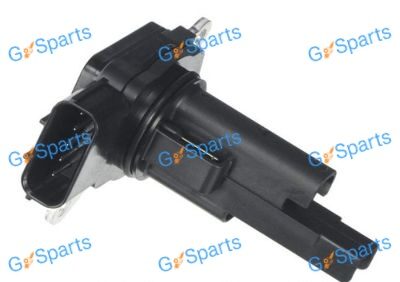
Genuine Honda MAF Sensor 37980-R11-A02 – 2008–2012 Honda Accord
MAF Sensor for 2008–2012 Honda Accord. OEM 37980-R11-A02 with 5-pin connector, hot-wire type for accurate airflow measurement.
Did you like this product? Add to favorites now and follow the product.

(+86) 180 07 12 47 38 WhatsApp, Telegram, WeChat
Description
Restore smooth performance and fuel economy on your 2008–2012 Honda Accord with this OEM‑equivalent Mass Air Flow (MAF) sensor (Part 37980-R11-A02). The 5-pin connector, hot-wire type hot‑wire element provides precise intake air data to the ECU, improving idle quality, throttle response, and emissions. Supported by trusted aftermarket brands: Denso, Bosch, Standard Motor Products. Verify with VIN for exact fitment. Always confirm by VIN, connector type, and pin configuration before ordering.
Precision Airflow Sets the Tone for Every Drive
Reliable drivability starts with honest airflow data, because the engine control unit bases fueling, timing, and idle strategy on that single truth. When the baseline is skewed, trims chase errors, throttle feels indecisive, and mileage drifts away from expectations. The simplest path back to factory character is restoring a clean signal the ECU can trust. That’s why owners who prefer first-time fixes focus on calibration, sealing, and repeatable installation practices that eliminate variables before they cause new ones. By resetting the input to what the software expects, you get back that quiet, confident power you bought the car for without overhauling half the engine bay, and the anchor of that reset is Honda MAF Sensor 37980-R11-A02.
How Mass Airflow Measurement Shapes Fuel, Spark, and Idle
A hot-film element measures heat loss as air passes, converting real-time mass flow into a voltage the ECU translates into injector pulse width and ignition advance. When the curve is consistent, trims stay near center, catalysts remain relaxed, and idle doesn’t wobble when accessories kick on. If the curve wanders, the controller leans on guardrails and you feel it as hesitation, hunting, or odd downshifts. Restoring accuracy allows the control loop to make small, decisive adjustments rather than big, nervous ones on every commute. That simple return to predictability is the everyday value delivered by Honda MAF Sensor 37980-R11-A02.
Why Calibration and Fitment Matter More Than a Matching Plug
Two meters can look identical yet report airflow very differently because housing geometry, protective grids, and temperature compensation shape the transfer curve. The ECU expects a specific signal for the intake architecture on your platform, and an almost-right curve can trap adaptation at the edge of its limits. The outcome is a car that “works” but never feels settled. Verifying production dates, engine codes, and flow-arrow orientation ensures you preserve the intended relationship between voltage and mass flow. When calibration and hardware align, throttle transitions feel natural, trims quiet down, and the entire vehicle behaves like itself again with Honda MAF Sensor 37980-R11-A02.
Recognizing Subtle Symptoms of Meter Drift Before Codes Appear
Airflow meters rarely fail with fireworks; they fade into inconsistency. You may notice a soft stumble leaving a light, a faint surge during neighborhood cruising, or an idle that twitches when the A/C cycles. Fuel economy might slip for the same route, or cruise control may need more toe nudges to hold speed. Sometimes you catch a faint raw-fuel smell after short trips with no warning lamp at all. These are classic signs the controller is compensating for noisy data rather than trusting it. Replacing the metering source with Honda MAF Sensor 37980-R11-A02 turns scattered hints into one decisive fix you can validate in a single road loop.
The Practical Payoff: Smoother Response, Cleaner Emissions, Better MPG
When the ECU receives a reliable signal, it fuels with intent instead of regret. Tip-in becomes crisp without lurching, the engine stops surging against the converter, and the transmission no longer masks torque dips with nuisance downshifts. Catalysts live easier lives because rich spikes fade and readiness monitors complete without drama. Drivers often describe the result as “calm power”—nothing flashy, just torque that arrives on time. That’s what a correct meter unlocks on real roads in mixed weather, and that’s the everyday benefit owners notice after installing Honda MAF Sensor 37980-R11-A02.
OEM-Grade vs. Bargain Copies: The Difference You Can’t See but Will Feel
Visual similarity can hide big differences in sensing film stability, temperature compensation, and housing tolerance. Lower-cost versions often pass a driveway test yet falter during heat-soaked restarts or rain-soaked commutes when low-speed signal fidelity matters most. The outcome is creeping trims, intermittent hesitation, or a wandering idle that appears and vanishes. An OEM-grade map replicates the expected transfer curve across seasons, anchoring closed-loop control with trustworthy numbers instead of hopeful approximations. That repeatability is the quiet advantage you buy with Honda MAF Sensor 37980-R11-A02.
Inside the Tech: Hot-Film Elements, Flow Straightening, and Signal Integrity
Hot-film sensors measure mass by maintaining a temperature delta above the intake stream, and the controller infers flow from the energy it takes to hold that difference. Flow straighteners calm boundary layers at idle, while protective grids deflect debris pulses that would otherwise ring the element. Even connector spring force and pin plating influence microvolts the ECU relies on. When the mechanical and electrical designs work together, the output stays linear and low-noise from parking-lot creep to highway merges, which is precisely the design target baked into Honda MAF Sensor 37980-R11-A02.
Electrical Health: Harness, Grounds, and Clean Power for Clean Data
A flawless sensor can still deliver ugly numbers if electrical fundamentals are neglected. Corroded terminals, loose grounds, and battery weakness inject noise that shows up as phantom spikes the ECU must smooth over. Keeping connectors clean, verifying ground integrity, and confirming charging health protect the signal path the same way a sealed airbox protects the mechanical path. Addressing these basics transforms a “maybe” fix into certain success, because sound wiring lets Honda MAF Sensor 37980-R11-A02 speak clearly to the controller without translation errors or interference.
Preparation that Turns a Quick Job into a Certain Win
Success starts with calm prep: photograph hose routing, clear space around the airbox, and have a lint-free cloth ready for the bore. Disconnect the battery ground to protect electronics, then loosen clamps evenly instead of prying on one corner that could distort sealing surfaces. Keep the new part capped until the moment you seat it, and follow the molded flow arrow toward the throttle body. Confirm the lid gasket isn’t pinched and every clip you disturbed is fully engaged. Those small, boring steps prevent leaks and keep the new baseline established by Honda MAF Sensor 37980-R11-A02 intact for the long haul.
A Repeatable Installation Flow That Builds Confidence
Release the harness lock by lifting the tab—never tug on the wires—then back out mounting screws in alternating turns to avoid binding. Draw the old meter straight out to protect the O-ring bore, wipe the seat clean, and hand-start fasteners on the replacement to prevent cross-threading composite plastic. Orient clamps for future access and snug them without crushing hose lips. Reconnect the harness until it clicks, then start the engine and listen for a smooth idle. A short neighborhood loop with gentle accelerations confirms the calm behavior you expect from Honda MAF Sensor 37980-R11-A02.
ECU Relearn: Helping Adaptation Settle Quickly and Cleanly
After any metering change, the controller benefits from a simple routine: idle to full temperature with accessories off, hold a light fast idle briefly to expose more of the curve, then cruise a gentle loop with lift-throttle decels. Clear historical codes if you have a scanner and watch trims drift toward center. Avoid spirited pulls until behavior stabilizes. The goal is boring graphs and uneventful manners—signs that the ECU trusts its inputs again. That fast return to composure is a hallmark of installing Honda MAF Sensor 37980-R11-A02.
Intake Housekeeping: Filters, Seals, and PCV Health
Air carries dust, pollen, and oil vapor that slowly haze sensing surfaces if upstream defenses falter. Use a rigid-frame filter, seat it squarely, and latch the lid evenly so the gasket compresses all around. Avoid over-oiling aftermarket media; excess mist migrates onto electronics and slows response. Keep the PCV system healthy so crankcase vapors don’t fog the element. After any unrelated service, recheck clamps so a tiny leak doesn’t undo your work. This simple discipline preserves the clean baseline that lets Honda MAF Sensor 37980-R11-A02 deliver stable, trustworthy data day after day.
Smarter Diagnostics: Reading Data in Context, Not Isolation
A code that names airflow is a clue, not a conviction. Split intake boots, warped airbox lids, or a missing oil-cap seal can all distort mixtures while the meter faithfully reports chaos. Start with a visual inspection, then smoke-test the intake if available. Compare trims at idle and steady cruise; if cruise is calm but idle wanders, suspect unmetered air rather than electronics. Replace the metering unit when evidence supports it, validate with a simple road loop, and enjoy the certainty that comes from installing Honda MAF Sensor 37980-R11-A02 for the right reason.
Air Filter Strategy and Ducting Details That Pay Real Dividends
No sensor can overcome a clogged or misseated filter, and even a tiny rolled gasket can admit enough debris to bias readings over time. Replace elements on schedule, especially after dusty detours, and orient worm-gear clamps so their housings don’t chew into hose lips. Check resonator joints and snorkels for hairline cracks that whisper under light throttle. Protecting the airstream upstream of the element is the quiet work that makes every calculation downstream more accurate, maximizing the benefit of Honda MAF Sensor 37980-R11-A02.
Weather, Altitude, and Fuel Quality: Real Variables, Predictable Outcomes
Heat-soaked parking lots, frosty dawns, mountain passes, and low-detergency fuels all push adaptation. A stable metering source lets the ECU absorb these swings gracefully rather than lurch between corrections. Pair quality fuel with a healthy PCV system and you’ll see small, predictable trim shifts instead of drivability drama. That’s how the car feels the same on a rainy commute as it does on a dry highway cruise: honest inputs empower calm outputs, and a dependable baseline begins with Honda MAF Sensor 37980-R11-A02.
Avoiding Counterfeits: Small Telltales That Protect Your Time
Look-alike parts often copy shells while skimping on potting depth, temperature compensation, and pin plating—the unglamorous essentials of reliability. Red flags include soft molding seams, flimsy strain reliefs, and packaging without protective caps. Buy from sources that publish real connector photos and stand behind returns. Compare the new unit to the original before installation, and pause if anything feels off. Protecting your weekend from rework is a core reason to insist on an authentic Honda MAF Sensor 37980-R11-A02.
Why “Almost Right” Cross-Fits Create Persistent Quirks
Sharing a connector doesn’t guarantee the same transfer function, and near-matches often keep adaptation hovering at the edge of its window—close enough to run, far enough to feel wrong. Symptoms include slightly delayed tip-in, trims that never quite center, and idle that wanders only when heat-soaked. Precision here isn’t perfectionism; it’s the shortest path to a car that behaves like itself. Exact mapping is the difference between nagging gray areas and quiet competence, which is why the safe choice remains Honda MAF Sensor 37980-R11-A02.
Workshop Insights: Patterns Pros Notice Across Seasons
Technicians see repeating stories: rainy-day hesitation that vanishes by noon, trims drifting lean after a filter change, or slow-to-settle cold starts when the blower is on high. Most roads lead back to intake sealing or a drifting baseline. Their playbook is consistent—verify the path, install a correctly mapped meter, validate with a short mixed drive. It’s how they turn complaints into calm cars without drama, and it’s a big reason many bays keep Honda MAF Sensor 37980-R11-A02 within easy reach.
Cleaning vs. Replacing: Knowing When Enough Is Enough
A targeted cleaner can help after an over-oiled filter incident, but sprays can’t reverse sensing-film fatigue, fix a damaged grid, or un-drift a transfer curve. Repeating clean-and-hope cycles wastes time and can create false confidence if behavior briefly improves. When data integrity is the issue, replacement is the decisive move that restores refinement, protects catalysts, and saves fuel. The point isn’t to tinker forever—it’s to drive a car that simply works, which is exactly what follows a proper install of Honda MAF Sensor 37980-R11-A02.
Product Content That Reduces Returns and Builds Trust
Helpful product pages answer real questions with authentic images, clear fitment notes, and driveway-ready installation tips. Cross-linking filters, clamps, and entry-level scan tools lets shoppers finish in one order. Structured data helps search surface the right solution at the right moment. When content feels like help rather than hype, customers finish faster and come back for future projects. That trust is easier to earn when the centerpiece is Honda MAF Sensor 37980-R11-A02.
Quality Assurance: From Bench Characterization to Messy Roads
Spec sheets matter, but truth lives on patched streets after a pressure wash. Validation routes should include garage spirals, light throttle transitions, and a relaxed highway hold. The target outcome is unremarkable: a steady idle, linear tip-in, and cruise that doesn’t need toe corrections. When numbers are boring, the drive is relaxing, and that’s the real-world signature you want to see after installing Honda MAF Sensor 37980-R11-A02.
When Issues Persist: Looking Beyond the Sensor to the Ecosystem
If quirks remain, widen the lens. Honda MAF Sensor 37980-R11-A02 Cracked ducts, pinched gaskets, or a warped airbox lid can sabotage even perfect hardware. Downstream, small exhaust leaks near O₂ sensors provoke odd corrections that mimic metering faults. Weak grounds or aging batteries inject noise that corrupts signals. Fix those surroundings methodically, then revalidate with a calm loop. Most lingering mysteries resolve once the environment supports the stable baseline created by Honda MAF Sensor 37980-R11-A02.
Owner Habits That Keep Refinement Locked In Over Time
Replace the engine air filter on schedule, recheck clamp tension after service, and keep a simple log of any drivability changes with notes about weather. Honda MAF Sensor 37980-R11-A02 If you use a consumer scanner, glance at trims after a mixed route; centered numbers signal a content system. Listen for faint whistles or hisses that suggest small leaks before they grow. Those quiet habits preserve the feel-good calm you notice every time the cluster completes its self-check—and they protect the value you gained by installing Honda MAF Sensor 37980-R11-A02.
Bringing It All Together: Restore Factory Feel and Simply Drive
Modern powertrains reward honesty at the sensor and discipline in the intake path. Reestablish a truthful airflow baseline, seal everything you touched, and give the ECU a brief relearn drive. The payoff is immediate: smooth launches, steady idle, predictable shifts, and fuel numbers that match the map in your head. That’s the everyday excellence most owners want—competence you stop noticing because it’s always there. If that’s the goal, the most direct route is installing Honda MAF Sensor 37980-R11-A02 and doing the small things right.
External Links (MAF Sensor Education & References)
Internal Links (Keep Users on G-Sparts)
Related products



G-SPARTS – Leading Auto Parts Supplier Since 2009
Trusted by 1000+ Clients Worldwide | Chinese (BYD, Geely, Chery, …), Japanese (Toyota, Honda, Nissan, …), European (BMW, Mercedes, VW, …) & American (Ford, Chevrolet, Tesla, …) Car Spares | Best Prices & OEM Quality | 15+ Years Expertise | Professional Team, Fast Global Shipping
Copyright 2025 © G-Sparts All Rights Reserved. | Premium Chinese Auto Parts Supplier – Worldwide Shipping | Best Prices on OEM & Aftermarket Spares

Reviews
There are no reviews yet.