
Honda Oxygen O2 Sensor 36531-RAA-A02 – Ultimate Guide, Pro Tips & Trusted Fit | G-Sparts
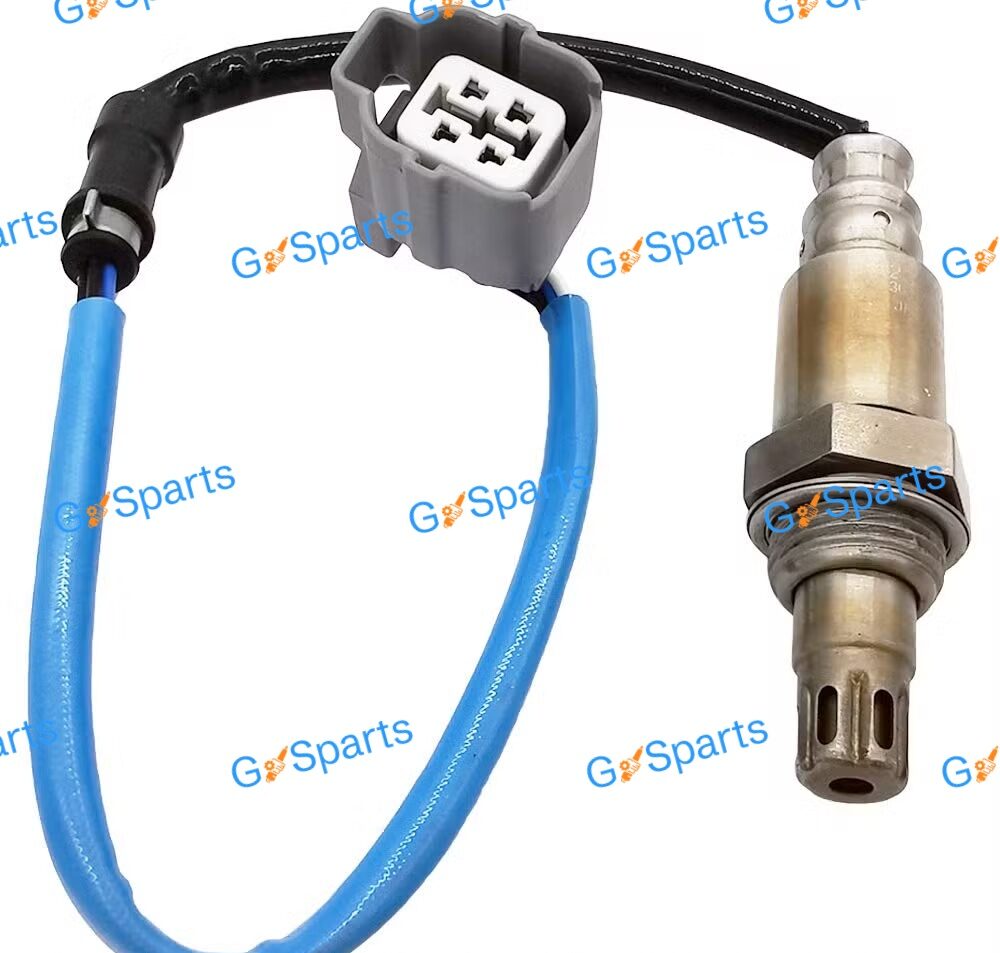
O₂ sensor for Honda Accord 2.4L (2003–2007) & related variants – Upstream / pre‑cat. Specs: 4‑wire heated A/F; OE connector; wire length & plug shape must match.
Did you like this product? Add to favorites now and follow the product.

(+86) 180 07 12 47 38 WhatsApp, Telegram, WeChat
Description
OE‑style oxygen (lambda) sensor listing for Honda applications. Models: Honda Accord 2.4L (2003–2007) & related variants. OEM/reference(s): 36531-RAA-A02. Position: Upstream / pre‑cat. Typical specification: 4‑wire heated A/F; OE connector; wire length & plug shape must match. Brands/cross‑refs: OEM Denso / aftermarket direct‑fits (Denso 234‑41xx family). Fitment guidance: Dealer VIN lookup confirms RAA‑A02 vs earlier 36531‑PPA variants. Source: kseriesparts.com.
Why Upstream Oxygen Sensing Shapes Everyday Drivability
Your engine’s smoothness and fuel economy depend on rapid, accurate oxygen feedback during closed-loop operation. The upstream sensor sits before the catalytic converter, reporting exhaust oxygen so the ECU can correct fueling in milliseconds. As the element ages, switching slows, trims drift, and cold starts linger in open loop, causing rough idle or fuel smells. Replace a tired unit to restore crisp transitions, steady idle, and predictable throttle feel. This guide explains fitment, diagnosis, removal, installation, and verification tailored to Honda platforms so you can complete the job confidently the first time. Throughout, we reference the exact part designation you’re likely shopping for: Honda Oxygen O2 Sensor 36531-RAA-A02, the direct-fit upstream sensor specified for many popular applications.
Part Number Meaning and Why Exact Match Matters
Factory identifiers encode more than a name; they describe connector indexing, lead length, heater wattage, thread pitch, crush washer style, and the switching profile the ECU expects. A near-match can bolt on yet delay warmup, skew voltage targets, or trip nuisance correlation codes. Honda Oxygen O2 Sensor 36531-RAA-A02 Confirm that the listing, packing slip, and label agree. Matching the calibration curve avoids long adaptation times and protects the catalyst during winter starts. When your order and the box clearly state Honda Oxygen O2 Sensor 36531-RAA-A02, you gain confidence that heater behavior, waveform speed, and physical geometry will align with the ECU’s strategy from the first key-on.
Fitment Verification and Visual Checks Before Ordering
Compatibility starts with eyes and measurements. Locate the upstream bung, note access from above or below, and photograph the harness path past shields and brackets. Count pins and inspect the connector’s indexing rails to ensure a true plug-and-play fit. Measure the old lead so the replacement reaches all clips without tension. Review emissions labels under the hood; regional packages sometimes change plug keys or routing. Cross-reference these observations with catalog notes to avoid last-minute improvisation. For a drop-in solution that preserves factory strain relief and heat clearances, choose Honda Oxygen O2 Sensor 36531-RAA-A02. Selecting Honda Oxygen O2 Sensor 36531-RAA-A02 based on both physical cues and documentation prevents forced fitment and protects wiring from long-term vibration fatigue.
Subtle Symptoms of an Aging Upstream Sensor
Upstream sensors usually fade, not fail instantly. Early clues include a small drop in mileage, gentle surging at steady cruise, or a check engine light after longer highway drives. Cold mornings may reveal an off-idle stumble as the heater struggles to reach operating temperature quickly. On a scan tool, upstream switching slows and amplitude narrows while short-term fuel trims swing wider to compensate. Left alone, this drift stresses the catalytic converter and can trigger efficiency codes. Replacing the sensor restores quick toggling around stoichiometric, stabilizes trims, and shortens the warmup window. If you’re chasing intermittent drivability quirks with no clear mechanical fault, suspect the feedback loop and consider Honda Oxygen O2 Sensor 36531-RAA-A02.
Data-Driven Diagnosis with Scan Graphs and Basic Meter Tests
Good diagnosis starts warm. Graph upstream voltage beside short-term trims during a steady 2,000–2,500 rpm cruise and gentle throttle changes. Healthy control shows brisk, consistent switching with trims hovering near zero. Lazy toggling, flat-lined voltage, or excessive delay after snaps points to a tired element. Verify basics: heater resistance per spec, supply voltage, ground integrity, and absence of exhaust leaks ahead of the bung. Inspect the harness where it passes shields for abrasion. If power, ground, and plumbing are sound yet waveforms remain sluggish, replacement is justified. Installing Honda Oxygen O2 Sensor 36531-RAA-A02 returns the rapid transitions the ECU expects, tightening trims and restoring that light, predictable part-throttle response you miss.
Tools, Supplies, and Prep to Set Up a Clean Job
Preparation prevents broken threads and burned knuckles. Gather a quality O2-sensor socket, 3/8-inch ratchet with extensions, torque wrench, penetrating oil, brake cleaner, and dielectric grease for the connector seal. Have replacement loom clips or heat sleeves if originals are brittle. Stage access: some engines allow removal from above after pulling the intake duct; others require lifting the car and dropping a shield. Keep the new part sealed until the engine is cool and the bung is clean. With workspace ready, Honda Oxygen O2 Sensor 36531-RAA-A02 installs smoothly. If the sensor is deeply recessed, add a wobble extension; it maintains socket alignment and reduces the risk of rounding the hex on Honda Oxygen O2 Sensor 36531-RAA-A02.
Safe Removal Techniques That Save Threads and Skin
Heat cycles can seize threads, so timing matters. Warm the engine briefly to expand the manifold, then shut down and let surfaces cool to a safe touch. Soak the bung with penetrating oil and give it a few minutes. Keep the socket square; use steady pressure rather than hammering the handle, which rounds flats. As the sensor loosens, support the body to avoid twisting the harness, protecting internal conductors for inspection or core return. Once out, brush carbon gently from the bung—no aggressive chasing that could taper threads. With the site prepared and hardware intact, the replacement will start by hand, seat cleanly, and torque accurately, eliminating the most common cause of post-repair exhaust leaks.
Installation Sequence, Torque, and Harness Routing Best Practices
Start the new sensor by hand for several turns to confirm alignment; cross-threading here means costly repair. If threads are pre-coated, don’t add compound—excess can migrate to the tip and poison the catalyst coating. Torque to spec so the crush washer seals without over-stressing the bung. Route the lead along the original path using all provided clips and stand-offs to maintain clearance from the downpipe and moving parts. Listen for a positive latch at the connector, then tug gently to confirm retention. Honda Oxygen O2 Sensor 36531-RAA-A02
Resetting Adaptations and Clearing Codes After Replacement
Fresh hardware deserves fresh data. Clear stored faults and reset fuel trims so the ECU can build baselines from the new signal. Let the engine idle until the fan cycles once, then hold a steady suburban cruise while watching upstream voltage and short-term trims. You want crisp switching with narrow trim oscillations centered near zero. Avoid hard accelerations in the first few minutes while the catalyst equilibrates. If your platform includes a published idle learn or speed-hold procedure, follow it now. With a clean slate and accurate feedback, drivability typically smooths within a single errand loop, and readiness monitors begin progressing predictably with Honda Oxygen O2 Sensor 36531-RAA-A02 reporting at full speed.
Drive Cycle Strategy to Confirm Readiness and Repair Quality
A deliberate route validates the repair and sets monitors efficiently. Begin with a cold start, allow full warmup, then maintain a steady speed for several minutes while logging upstream activity and trims. Add gentle accelerations and decelerations to observe transient response, then include a brief idle. Look for stable switching, quick recovery after transitions, and trim centering. If local inspection requires readiness, follow your platform’s sequence exactly—speed windows and coolant temperatures matter. When Honda Oxygen O2 Sensor 36531-RAA-A02 performs correctly, monitors set without drama and the car regains its factory-fresh composure. Keep a screenshot of the successful log with mileage and date; it’s valuable evidence if questions arise later.
Avoiding Common Mistakes That Cause Repeat Visits
Most comebacks trace to preventable oversights. Over-torquing can distort the bung, leading to micro-leaks that mimic mixture problems. Contaminating the tip with anti-seize or oil slows response. Misrouting the harness near radiant heat hardens insulation and invites intermittent faults. Skipping small strain-relief clips allows vibration to fatigue internal wires. Always hand-start threads, torque to spec, re-install heat sleeves, click the latch, and confirm slack with the engine rocked by hand. Finish with a quick data check. When these fundamentals are respected, the upstream circuit stays stable across seasons, and the benefits of Honda Oxygen O2 Sensor 36531-RAA-A02—steady trims, crisp transitions, reliable readiness—remain locked in for the long haul.
Choosing OEM vs Aftermarket Using Metrics That Matter
Upstream placement is unforgiving, so pick by data, not just price. Ask suppliers about switching speed at defined lambda steps, heater wattage curves, insulation temperature ratings, and exact lead length. Avoid universal kits that require crimp splices; added resistance and moisture risk can skew readings. Direct-fit parts reduce installation time and preserve designed routing. For predictable warmup and calibration alignment, Honda Oxygen O2 Sensor 36531-RAA-A02 remains a trusted choice backed by consistent heater behavior and correct connector indexing. Matching these details shortens adaptation, cuts nuisance codes, and protects the catalytic converter during winter starts. Reputable listings publish specs and show real photos of the connector keyway, not generic art.
Performance and Tuning: Why a Healthy Narrowband Still Matters
Even builds tuned with an external wideband rely on the factory upstream sensor during daily closed-loop operation. If that narrowband signal is slow or biased, transient fueling suffers and the car feels inconsistent in traffic despite a solid tune. Before dyno time, ensure the upstream waveform is crisp so your calibration sticks. Replace questionable components, repair exhaust leaks, and verify grounds. Once installed, log accelerator position, upstream voltage, and trims during light sweeps to confirm latency is minimal. With reliable feedback re-established through Honda Oxygen O2 Sensor 36531-RAA-A02, tuners can focus on meaningful refinements—throttle mapping, spark blending, and knock limits—instead of fighting noise from a drifting, slow-switching upstream reference.
Protecting the Catalyst and Emissions System Over Time
The catalytic converter depends on tight mixture control to store and release oxygen effectively. Rich spikes overheat the brick; lean spikes promote misfire. A sluggish upstream signal forces the converter to mop up bigger errors, shrinking your margin of safety under load or heat. Renewing the sensor restores brisk oscillation near stoichiometric, easing converter workload and stabilizing tailpipe output. Drivers typically notice fewer fuel smells after cold starts and more settled cruise refinement. Installing Honda Oxygen O2 Sensor 36531-RAA-A02 is inexpensive insurance compared with catalyst replacement, and its predictable heater curve shortens the time to closed loop on chilly mornings, protecting both emissions health and drivability.
If Issues Persist: A Structured Troubleshooting Playbook
When drivability quirks remain after replacement, broaden the search. Honda Oxygen O2 Sensor 36531-RAA-A02 Check for exhaust leaks before the sensor; false air reads as lean and compels the ECU to enrich. Smoke-test the intake for vacuum leaks, validate MAF or MAP plausibility, and confirm fuel pressure under load. Scope the upstream signal if possible; latency during quick throttle blips should be minimal. Verify heater power and ground under current draw, not just static. With those fundamentals confirmed and Honda Oxygen O2 Sensor 36531-RAA-A02 known good, look to injectors, ignition, or ECU updates rather than blaming the sensor again. Methodical testing preserves budget, clarifies causality, and prevents the parts-roulette spiral that frustrates owners.
Buying Online: Vetting Listings, Photos, and Policies
Smart purchasing starts with accurate visuals and transparent specs. Favor listings that show the exact connector keyway, lead length, thread coating, and any heat-shield geometry. Avoid stock renderings when possible. Read recent reviews for notes on fit, routing, and readiness success after install. Screenshot the page and keep your receipt with shipment photos for support. When the product description and packaging both specify Honda Oxygen O2 Sensor 36531-RAA-A02, you minimize compatibility risk and streamline any warranty conversation. Clear return windows, anti-counterfeit batch labels, and storage condition notes indicate a trustworthy supply chain that treats delicate ceramics with the care they require in transit.
Shipping, Storage, and Handling to Preserve Sensor Integrity
Treat the sensing element like glass. Honda Oxygen O2 Sensor 36531-RAA-A02 Choose shipping that cushions impacts, and inspect the box for crushed corners before opening. Keep the sensor sealed in its antistatic sleeve until the engine is cool and the work area is staged. Don’t touch the tip with oily gloves or set it on gritty surfaces; contaminants can poison the catalyst coating. Handle the connector by its body, not the wires, to protect internal crimps. If storing for a future service interval, keep it dry, away from solvents, and at stable temperatures. These small habits ensure Honda Oxygen O2 Sensor 36531-RAA-A02 installs flawlessly and delivers factory-fresh response from the first key-on after torqueing.
Regional Variants, Emissions Packages, and Connector Keys
Global platforms often carry region-specific emissions hardware that alters harness routing, plug indexing, or shield shapes. Imported vehicles and mid-cycle updates complicate catalog lookups. Match by physical features and under-hood certification labels rather than year alone. Confirm upstream location relative to the converter, note clip positions, and verify pin count before ordering. This diligence prevents rewiring or forced fitment on installation day. When everything aligns and labeling matches Honda Oxygen O2 Sensor 36531-RAA-A02, you can expect the ECU to accept the signal immediately, complete readiness smoothly, and maintain the polished manners that make daily driving effortless across seasons and altitudes.
Budget Planning and Total Cost of Ownership Perspective
Beyond the sensor cost, consider consumables—penetrating oil, a dedicated socket, dielectric grease, replacement clips, and possibly heat sleeves. Allocate time for a validating drive cycle after installation to confirm readiness prior to inspections or road trips. Balanced against those small investments are ongoing returns: steadier idle, improved fuel use, fewer diagnostic detours, and reduced risk of catalyst replacement. Viewed across months, the value is compelling. Choosing Honda Oxygen O2 Sensor 36531-RAA-A02 aligns up-front cost with durability and predictability, minimizing repeat labor and guarding your schedule against preventable comebacks while preserving the relaxed, consistent feel you expect from a well-maintained Honda.
Fast Answers to Common Owner Questions
Can cleaning revive a slow upstream sensor? You can remove external grime from the shell, but internal aging or contaminated coatings won’t recover switching speed reliably; replacement is the durable fix. Do you need anti-seize? Use only factory pre-applied compound on coated threads, or a minimal nickel formula sparingly—keep it away from the tip. Will disconnecting the battery solve the issue? It might clear adaptations temporarily but won’t repair a weak signal. The practical solution for verified sluggish switching or persistent range faults is installing Honda Oxygen O2 Sensor 36531-RAA-A02, then confirming results with a short log that shows quick oscillation and centered trims during light cruise.
Building a Maintenance Record That Adds Real Value
Documentation turns routine service into long-term clarity. Record symptoms, pre-repair codes, baseline scan captures, and post-install logs showing stable trims and fast switching. Photograph harness routing, clip points, and the latched connector. Keep the invoice and part label for warranty support. Noting the exact component—Honda Oxygen O2 Sensor 36531-RAA-A02—alongside date and mileage eliminates ambiguity for future owners or technicians. Clear records also speed diagnosis if a separate issue appears months later, because you can prove the upstream reference and heater circuit were addressed properly. Treat your notes like a service logbook; they pay dividends at resale and keep future troubleshooting focused and efficient.
Working with Professionals: When Expert Help Makes Sense
Most enthusiasts can handle upstream sensor service with patience and the right tools. Still, certain scenarios warrant pro support: recurring correlation codes implicating shared references, suspected ECU faults, or drive-by-wire platforms that require guided adaptations. A qualified shop brings scopes, calibrated meters, and platform-specific procedures that shorten diagnosis and prevent guesswork. Arriving with Honda Oxygen O2 Sensor 36531-RAA-A02 ensures the tech installs the correct unit and focuses effort on verification rather than parts sourcing. Professionals can also run heater current tests, leak checks, and readiness-driven drive cycles quickly—useful when inspection deadlines loom and downtime needs to be minimized without compromising repair quality.
Sustainability and Responsible Disposal After the Fix
Wrap up the job with care for the environment. Honda Oxygen O2 Sensor 36531-RAA-A02 Many communities accept oxygen sensors through e-waste programs that reclaim precious metals and ceramics, keeping them out of landfills. Retain packaging until you’ve completed validation drives and are satisfied with results, then recycle cardboard appropriately. Responsible disposal pairs well with the efficiency gains you just restored; both choices reduce overall impact. When you fit Honda Oxygen O2 Sensor 36531-RAA-A02, you improve combustion cleanliness today. Recycling the retired component extends that mindset beyond your engine bay, ensuring valuable materials re-enter productive use rather than becoming waste after thousands of faithful kilometers in service.
Supplier Vetting, Anti-Counterfeit Checks, and Peace of Mind
Counterfeits can mimic appearance while failing to match heater curves or switching speed. Inspect labels for crisp printing, consistent fonts, and traceable batch codes. Compare connector molding and indexing rails against your original. Reputable sellers provide detailed photos, publish specs, and list storage conditions. Keep unboxing photos and the invoice in your records. When product pages, packing slips, and the physical label all specify Honda Oxygen O2 Sensor 36531-RAA-A02, you reduce uncertainty and simplify any warranty conversation. If anything seems off—damaged packaging, misprinted labels—pause before installation and contact the vendor. A brief check today avoids chasing phantom drivability issues tomorrow.
Heat Management, Shields, and Harness Longevity
Thermal management is as important as torque Honda Oxygen O2 Sensor 36531-RAA-A02. Reinstall any factory shields you removed for access, ensuring they don’t chafe the harness. Replace missing stand-offs and clips; they create air gaps that reduce radiant heat soak. In tight bays, consider reflective sleeves on exposed sections of the lead where clearance is minimal. After a hot soak, recheck that the harness still clears sharp edges and the downpipe; expansion can change relationships. These habits protect insulation and preserve signal quality across summers and long climbs. Combined with the correct sensor choice—Honda Oxygen O2 Sensor 36531-RAA-A02—you’re stacking the deck for years of stable feedback and trouble-free readiness cycles.
Seasonal Considerations: Cold Starts and Short-Trip Driving
Winter exposes weak heaters and slow elements. Short trips keep the engine in enrichment longer, masking problems until fuel economy drops sharply. A healthy upstream unit reaches temperature quickly, enabling closed loop within blocks of leaving home. After replacement, observe morning behavior: steadier idle, fewer odors, and quicker monitor progress indicate success. If cold starts still feel rough, verify coolant-temp plausibility and intake air leaks. With Honda Oxygen O2 Sensor 36531-RAA-A02 warming predictably, you’ll notice more consistent behavior on errands, especially when combining brief drives with extended idles while clearing frost or waiting at lights in colder climates.
Road-Test Checklist: Verifying the Repair Under Real Conditions
End with a calm, purposeful drive. Start at neighborhood speeds to listen for leaks or rattles, then hold a steady 60–80 km/h cruise while logging upstream voltage and trims. Perform a few gentle passes to watch transient response, and include a short idle. Confirm no pending codes appear and that trims remain centered. Back in the bay, recheck harness clearances and clip engagement with the engine hot. When graphs show brisk switching and the dash stays quiet, the job is complete. With Honda Oxygen O2 Sensor 36531-RAA-A02 installed and verified, your Honda regains the refined, predictable manners that make daily driving easy and long trips pleasantly uneventful.
External Resources (Standards & Technical References)
- SAE J1979 — OBD-II Diagnostic Test Modes
- ISO 15031 — Road Vehicles/Scan Tool Communication
- US EPA — Basic Information on OBD-II
- NGK/NTK — Oxygen (Lambda) Sensors Overview
- Bosch Mobility — Oxygen Sensor Technology
Related Internal Links
Additional information
| OEM / Reference | 36531-RAA-A02 |
|---|---|
| Brands / Cross | OEM Denso / aftermarket direct‑fits (Denso 234‑41xx family) |
| Models | Honda Accord 2.4L (2003–2007) & related variants |
| Position | Upstream / pre‑cat |
| Specifications | 4‑wire heated A/F; OE connector; wire length & plug shape must match |
| Fitment note | Dealer VIN lookup confirms RAA‑A02 vs earlier 36531‑PPA variants. |
| Source | kseriesparts.com |
Related products



G-SPARTS – Leading Auto Parts Supplier Since 2009
Trusted by 1000+ Clients Worldwide | Chinese (BYD, Geely, Chery, …), Japanese (Toyota, Honda, Nissan, …), European (BMW, Mercedes, VW, …) & American (Ford, Chevrolet, Tesla, …) Car Spares | Best Prices & OEM Quality | 15+ Years Expertise | Professional Team, Fast Global Shipping
Copyright 2025 © G-Sparts All Rights Reserved. | Premium Chinese Auto Parts Supplier – Worldwide Shipping | Best Prices on OEM & Aftermarket Spares

Reviews
There are no reviews yet.