
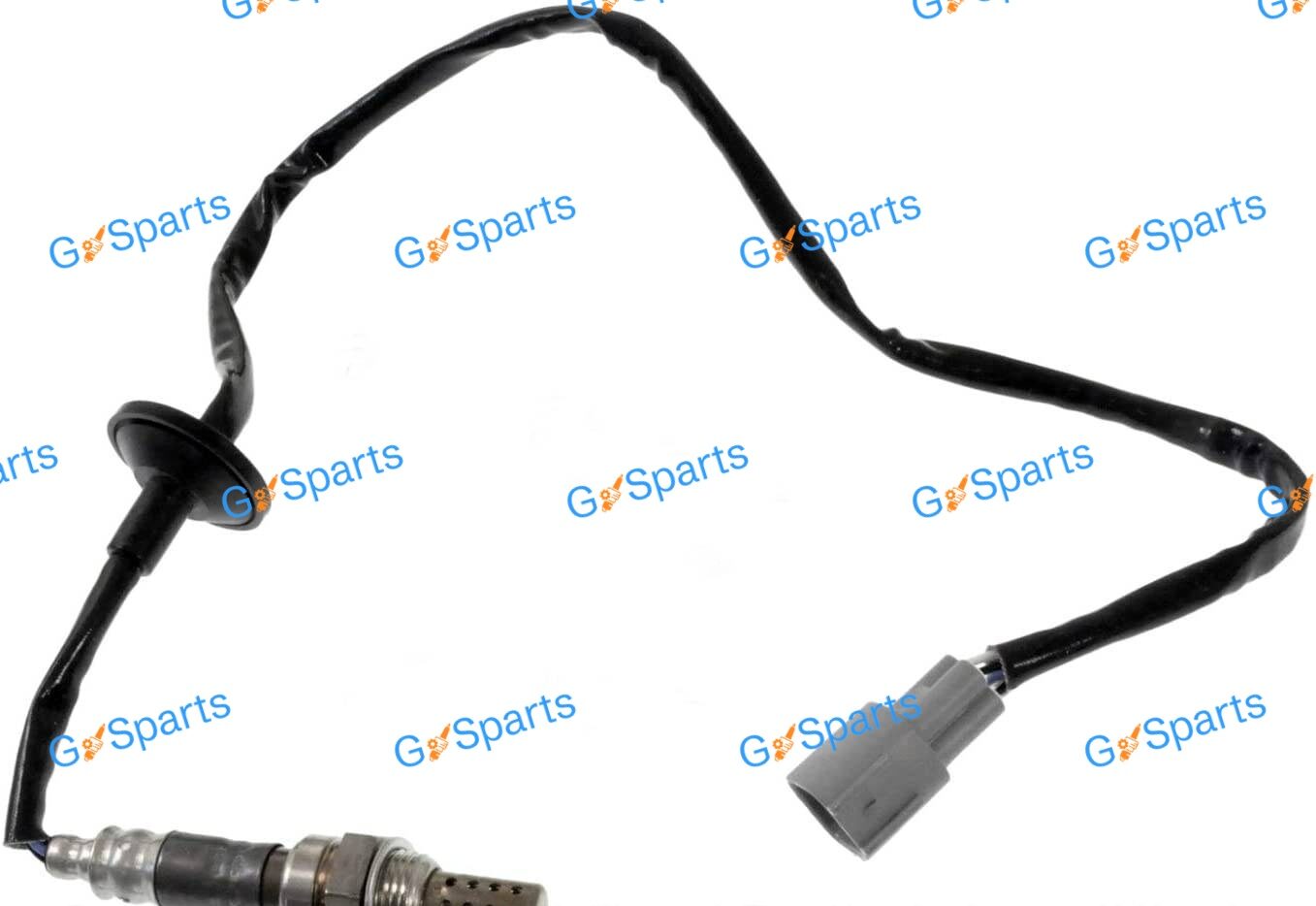
Genuine Lexus Oxygen O2 Sensor 89465-47070 – Cleaner Emissions & Stable Trims
O₂ sensor for Toyota Prius family & select Lexus models (e.g., LS460/LS600h rear sensors 2007–2016) – Rear / lower (post‑catalyst). Specs: Modern 4‑wire heated for many fits; confirm pinout & harness length. Cross: Denso 234‑4622 / 234‑4515 common crosses.
Did you like this product? Add to favorites now and follow the product.

(+86) 180 07 12 47 38 WhatsApp, Telegram, WeChat
Description
OE‑style oxygen (lambda) sensor entry for Lexus applications. Models: Toyota Prius family & select Lexus models (e.g., LS460/LS600h rear sensors 2007–2016). OEM/reference(s): 89465-47070. Position: Rear / lower (post‑catalyst). Typical specification: Modern 4‑wire heated for many fits; confirm pinout & harness length. Common aftermarket cross‑references: Denso 234‑4622 / 234‑4515 common crosses. Fitment guidance: Toyota/Lexus share this OEM number—confirm Lexus fit with VIN. Source: autoparts.toyotaofnorthmiami.com.
Introduction: Why This Sensor Changes Daily Drivability
Smooth idle, crisp tip-in, and predictable cruise depend on honest exhaust feedback that the ECU can trust every second. When upstream sensing slows or drifts, short-term trims chase noise, long-term trims skew, and timing becomes defensive—your Lexus feels like it’s breathing on hills and hesitating in parking lots. Replacing a tired unit with the Lexus Oxygen O2 Sensor 89465-47070 restores the warm-up profile and response speed the calibration expects. You’ll feel calmer transitions, fewer sulfur odors after grades, and steadier speed holding. Techs will see brisk cross-counts, centered trims, and a downstream trace that settles as the catalyst lights. The goal isn’t theatrics; it’s quiet precision that makes the car act like itself again.
Fitment Clarity: VIN, Bank/Position, and Connector Discipline
Thread size is easy; equivalence lives in heater wattage, connector indexing, lead length, and sample geometry. Confirm the VIN’s emissions family, bank/position, and plug keying before ordering so the Lexus Oxygen O2 Sensor 89465-47070 seats at the correct depth and passes self-tests instantly. Misplaced or mismatched sensors may bolt in but behave badly—slow loop closure, nuisance heater codes, or false lean from turbulence. Photograph the harness route and bung angle, compare wire colors and latch style, and verify the loom reaches factory clips without strain. With those checks done, the Lexus Oxygen O2 Sensor 89465-47070 installs cleanly and reports believable data from the first key-on, minimizing adaptation time and comeback risk.
Upstream vs. Downstream: Two Roles, Two Behaviors
Upstream steers fueling in real time; downstream audits catalyst storage. Mixing roles creates elegant installs that perform poorly. Use the Lexus Oxygen O2 Sensor 89465-47070 in the position the calibration expects so upstream switching is lively at idle and light cruise, while downstream remains comparatively calm once the substrate lights. This separation prevents phantom P0420 complaints and keeps readiness predictable. If a previous repair swapped locations or used a visually similar part, you’ll often see downstream “echoing” upstream—evidence the chemistry story is wrong. Correct placement with the proper element returns the triangle of angle, airflow, and oxygen to agreement—and drivability to normal.
Sensor Technology: Narrowband vs. AFR and Why It Matters
Some platforms specify zirconia narrowband upstream; others demand an air-fuel ratio (wideband) sensor with a pump cell and different control logic. Threads may match, electrical behavior does not. The Lexus Oxygen O2 Sensor 89465-47070 must match the ECU’s expected technology, heater map, and signal signature or the controller will delay closed loop, waste fuel, and set slow-response codes. Confirm the service data before ordering, then validate after install: narrowband should show crisp voltage switching at idle; AFR should present stable pump-current behavior the scanner interprets near stoichiometric. When technology and placement are correct, trims center quickly and transitions feel clean and linear.
Heater Circuits and Cold-Start Light-Off You Can Feel
Cold starts define emissions and owner perception. Under-powered heaters prolong open loop; over-powered ramps stress ceramics. The Lexus Oxygen O2 Sensor 89465-47070 is mapped to warm briskly and steadily so the upstream trace becomes lively within moments of stabilization, shortening enrichment and speeding catalyst light-off. Expect smoother morning departures, faster readiness after a battery pull, and fewer rich smells in winter traffic. If switching still lags, verify 12-V supply health, check the heater circuit fuse/relay path, and measure heater resistance; voltage sag or splice resistance can mimic a lazy element even when the sensor is new.
Diagnose the Environment Before Blaming the Element
A perfect sensor cannot overcome leaks or fuel-system drift. Before replacement, smoke the intake and pre-cat exhaust, confirm fuel pressure under load, and check grounds. Correlate throttle angle, MAF g/s, trims, and upstream behavior at warm idle, steady suburban cruise, and two gentle tip-ins. If plumbing and power are honest yet switching is dull, the Lexus Oxygen O2 Sensor 89465-47070 is justified. After installation, repeat the exact captures, save screenshots, and compare traces. This before/after discipline turns hunches into evidence and prevents the “parts cannon” from wasting time and goodwill.
Tools, Prep, and Safety That Save Hours
Exhaust work rewards patience. Let components cool fully, support pipes if leverage is required, and gather penetrant, an O2 socket, torque wrench, and a nylon brush for the bung. Clean threads lightly and keep anti-seize away from the tip. Hand-start the Lexus Oxygen O2 Sensor 89465-47070 to prevent cross-threading, torque to spec so the crush washer seals without shell distortion, and route the loom through factory clips with sleeve near shields. A careful approach avoids intermittent latches, fretted pins, and micro-leaks that masquerade as fuel or ignition faults on the first hot day.
Bung Integrity, Seat Geometry, and Leak-Proof Sealing
Micro-leaks pull in fresh air, fake lean, and push trims positive. After removing the old unit, inspect the seat for pitting, carbon tracks, or thread damage that could compromise the seal. Align and hand-start the Lexus Oxygen O2 Sensor 89465-47070, then torque evenly to keep the shell flat. Run a quick smoke test around the bung and nearby flanges; a dry joint proves the sample is honest. Proper seat geometry also matters: if the tip sits too shallow or at a turbulent angle, expect noisy data. Correct depth and a flat seal give your new sensor the laminar flow it needs to tell the truth.
Wiring, Pinouts, and Connector Health Under Heat
Signals live in millivolts, so connection quality is as important as part number. Inspect the loom for tight bends, previous splices, or abrasion near heat shields. Clean pins with contact-safe electronics cleaner; avoid dielectric grease on low-voltage signal pins unless specified. After fitting the Lexus Oxygen O2 Sensor 89465-47070, tug-test the latch and leave slack for engine rock. Add heat sleeve where routing passes hot panels. These quiet habits prevent intermittent dropouts that only appear after heat-soak or rough pavement—and they protect your diagnosis from being misled by a flaky ground or tired crimp.
Live-Data Signatures: What “Good” Looks Like in Minutes
Validate with a simple script instead of guessing. Warm idle should show brisk upstream switching with modest STFT oscillation around zero and LTFT near center. Light cruise steadies timing as load stabilizes. After installing the Lexus Oxygen O2 Sensor 89465-47070, add three gentle tip-ins and one clean engine-brake decel; enrichment should be brief and proportional, and downstream activity should calm as the catalyst stores oxygen. Save screenshots tied to the VIN. Six months later, repeating the same loop should yield tidy overlays that prove durable health or quickly expose new leaks or fueling variance.
Drive-Cycle and Readiness Without Games
Most monitors want coolant in range, a steady suburban cruise, and one or two clean decels. After you fit the Lexus Oxygen O2 Sensor 89465-47070, aim for a quarter-to-three-quarters tank, a calm 60–80 km/h stretch, and avoid cruise-control surging while monitors run. If EVAP lingers, that’s tank level or ambient—not upstream. Your sign-off is predictable upstream switching, centered trims, and a downstream trace that smooths as chemistry stabilizes. Following this recipe trades random laps for a boring, first-time pass—exactly what busy shops and owners need.
Hybrids and Start/Stop: Rapid Loop Closure Is Critical
Hybrid engines relight frequently for heat or charge, so the sensor must re-establish closed loop quickly after each restart. Installed upstream in its specified role, the Lexus Oxygen O2 Sensor 89465-47070 helps the controller settle trims within seconds, preventing lingering enrichment and protecting substrates. If trims wander only after brief restarts, recheck bung seal integrity and loom sections near shields for brittleness. With the Lexus Oxygen O2 Sensor 89465-47070 verified and wiring disciplined, blended torque events feel seamless—no smells, no hunting, just quiet transitions in city traffic and winter commutes.
Modified Exhausts: Sample Integrity in a Custom World
Headers, relocated cats, or aftermarket pipes change local flow and temperature. Keep the tip in laminar gas at factory-like depth, avoid recirculation pockets, and protect the harness with reflective sleeve. After installing the Lexus Oxygen O2 Sensor 89465-47070, validate with the same idle-cruise-decel loop; lively upstream and centered trims confirm your geometry tells the truth. If results wobble, adjust placement or fix a tiny pre-cat leak before suspecting the element. Sample honesty beats brand choice when the plumbing isn’t stock.
Recognizing Aging: Feelings, Codes, and Patterns
Owners describe hesitation leaving lights, cruise “breathing” on rolling terrain, or faint rotten-egg odors after hills. Scanners reveal lazy cross-counts, stuck lean/rich behavior, or disagreement between MAF and trims at steady pedal. After proving plumbing and power, installing the Lexus Oxygen O2 Sensor 89465-47070 restores a lively, believable trace that centers trims and calms timing. If behavior improves but doesn’t normalize, suspect injector imbalance or a sneaky intake leak. The new upstream truth source won’t hide environmental faults; it reveals them—so you can fix causes instead of chasing symptoms.
Fuel Economy, Catalyst Health, and Emissions Stability
Accurate lambda control keeps substrates in their thermal sweet spot, limiting both NOx from lean spikes and HC from rich excursions. With the Lexus Oxygen O2 Sensor 89465-47070 providing crisp feedback, the ECU avoids blunt enrichment that masks noise but wastes fuel. Over months, you’ll notice steadier cruise, cleaner tip-ins, and inspections that feel routine. The result is fewer catalyst complaints, longer converter life, and a dashboard that stays dark—quiet, compounding wins powered by a small component doing exactly what it was designed to do.
Product Page Details That Prevent Misorders and Returns
Great e-commerce eliminates friction. A clear listing for the Lexus Oxygen O2 Sensor 89465-47070 should show connector macros, pin roles, wire colors, lead length, seat depth, and explicit bank/position callouts. Add torque spec, a concise install checklist, a three-step drive-cycle primer, and a tiny diagnostic tree (“if trims still wander, smoke test first”). These details help DIYers move from checkout to proof in one evening and let shops document quickly, cutting returns and keeping support queues short.
Authenticity and Receiving QA: Catch Problems Early
Copycat parts often skimp on electrode loading, ceramic density, or heater calibration—flaws hybrid duty cycles expose fast. When the Lexus Oxygen O2 Sensor 89465-47070 arrives, photograph the label, measure heater resistance, and check latch tension before the car hits a bay. If packaging or readings look wrong, swap before install. Document bung condition and grab a quick live-data baseline after fitment. Good receiving discipline keeps warranty conversations short and comebacks rare—and protects the result your customer will feel at the pedal.
Troubleshooting Tree If Trims Won’t Center After Install
If STFT/LTFT remain unreasonable with a new Lexus Oxygen O2 Sensor 89465-47070, re-smoke the intake and all pre-cat joints, verify fuel pressure under load, and inspect splices for resistance or cold solder. Compare signal-ground continuity to spec. When the upstream waveform is crisp yet trims drift, look for unmetered air downstream of the MAF or injector variance. Honest upstream feedback exposes environment faults the old sluggish element hid; fix those, and the loop calms without additional parts.
Owner-Level Logging: Proof Without a Lab
You don’t need a dyno to validate. With a Bluetooth OBD adapter and a reliable app, run a five-minute routine: warm idle sixty seconds, steady 2,300 rpm ninety seconds, three gentle tip-ins, and one clean engine-brake decel. After installing the Lexus Oxygen O2 Sensor 89465-47070, save upstream/downstream, STFT/LTFT, and timing screenshots. Repeat at oil changes. Neat overlays confirm durable health; drift points early to leaks or fuel-pressure variance. This light habit turns vague feelings into objective proof and keeps dashboards boringly dark.
Fleet SOP: Beat Variance, Not Just Price
For fleets, variance is the real cost. Standardize on vetted SKUs and a one-page SOP tied to the VIN: bank/position verification, heater resistance check, bung photo, routing photo, and idle/cruise screenshots after fitting the Lexus Oxygen O2 Sensor 89465-47070. This ritual shrinks monitor-set time, reduces comebacks, and makes warranty data-driven. Predictable inputs and clean documentation transform a commodity sensor into measurable uptime and consistent fuel economy across vehicles.
Winter, Short Trips, and Start-Stop Reality
Short runs and oxygenated blends test heater mapping and seal integrity. After installing the Lexus Oxygen O2 Sensor 89465-47070, confirm quick loop entry after restarts and brisk oscillation within seconds of idle stabilization. If behavior changes only in deep cold, inspect condensation-corroded pins, brittle loom near shields, and tiny bung leaks. Add heat sleeve where needed. With the new sensor validated, winter drivability becomes uneventful—no rich whiffs, no wandering cruise, just quiet competence.
Sustainability and the Quiet ROI of Accuracy
Cleaner feedback reduces raw hydrocarbons and diagnostic thrash, saving fuel and technician hours. Over thousands of kilometers, a trustworthy upstream truth source preserves catalysts and minimizes parts churn. Selecting and validating the Lexus Oxygen O2 Sensor 89465-47070 is a small step that compounds: fewer comebacks, steadier economy, and inspections that feel routine. Sustainability here is practical—measure honestly, correct quickly, document lightly—and let the sensor anchor that rhythm.
Case Study: Wandering Cruise Cured by Honest Sampling
A V6 crossover arrived with breathing cruise and occasional sulfur scent after long grades. Baseline logs showed lazy switching and downstream mirroring upstream too closely—classic symptoms of a sluggish element plus a tiny pre-cat leak. After sealing the joint and installing the Lexus Oxygen O2 Sensor 89465-47070, upstream oscillation turned brisk, trims centered at cruise, and downstream calmed as the catalyst lit. Readiness set on the first drive cycle. The part wasn’t magic; leak integrity plus correct heater mapping turned noise into truth and truth into a predictable pass.
Pre-Inspection Checklist That Ends Debates
Before the test lane, confirm no pending heater or correlation codes, coolant fully warm, and fuel in the EVAP window. Drive five to seven minutes at 60–80 km/h with one clean decel. With a healthy Lexus Oxygen O2 Sensor 89465-47070, expect lively upstream switching, centered STFT, near-zero LTFT, and a calm downstream trace. Bring baseline screenshots tied to the VIN; paper-backed calm ends retest arguments and proves the loop is healthy, saving time for both owner and inspector.
Owner Habits That Preserve the Win Over Time
Keep the intake sealed, replace air filters on schedule, fix misfires quickly, and avoid silicone aerosols near the intake—volatile contamination slows response. Re-run your quick validation script after seasonal fuel changes. With healthy plumbing and an honest upstream signal from the Lexus Oxygen O2 Sensor 89465-47070, trims remain centered and transitions stay clean through heat waves, winter blends, and traffic. If overlays drift, hunt leaks and fuel pressure first; let data, not worry, guide your next step.
Documentation That Pays Months Later
Photograph the bung surface, connector latch, and loom routing; record torque and measured heater resistance; save before/after idle and cruise screenshots. Attach these to the work order the day you fit the Lexus Oxygen O2 Sensor 89465-47070. When a future complaint appears, you’ll compare to day-one truth and decide in minutes—no fishing expeditions, no guesswork. That’s how a small, precise component plus a light process becomes durable refinement you can measure.
The Confident Finish: Calm, Centered, and Predictable
Great repairs are mostly invisible: diagnose first, install cleanly, verify with a five-minute data loop, and document the outcome. Do those steps with the Lexus Oxygen O2 Sensor 89465-47070 and you’ll get centered trims, calm transitions, predictable readiness, and an odor-free drive. No theatrics—just a control loop that hears a clear signal and responds exactly as its engineers intended, day after day, season after season.
External Resources (Standards & Technical References)
- SAE J1979 — OBD-II Diagnostic Test Modes
- ISO 15031 — Road Vehicles/Scan Tool Communication
- US EPA — Basic Information on OBD-II
- NGK/NTK — Oxygen (Lambda) Sensors Overview
- Bosch Mobility — Oxygen Sensor Technology
Related Internal Links
Additional information
| OEM / Reference | 89465-47070 |
|---|---|
| Cross reference | Denso 234‑4622 / 234‑4515 common crosses |
| Models | LS460/LS600h rear sensors 2007–2016), Toyota Prius family & select Lexus models (e.g. |
| Position | Rear / lower (post‑catalyst) |
| Specifications | Modern 4‑wire heated for many fits; confirm pinout & harness length |
| Fitment note | Toyota/Lexus share this OEM number—confirm Lexus fit with VIN. |
| Source | autoparts.toyotaofnorthmiami.com |
Related products


Recently Viewed Products


G-SPARTS – Leading Auto Parts Supplier Since 2009
Trusted by 1000+ Clients Worldwide | Chinese (BYD, Geely, Chery, …), Japanese (Toyota, Honda, Nissan, …), European (BMW, Mercedes, VW, …) & American (Ford, Chevrolet, Tesla, …) Car Spares | Best Prices & OEM Quality | 15+ Years Expertise | Professional Team, Fast Global Shipping
Copyright 2025 © G-Sparts All Rights Reserved. | Premium Chinese Auto Parts Supplier – Worldwide Shipping | Best Prices on OEM & Aftermarket Spares

Reviews
There are no reviews yet.