
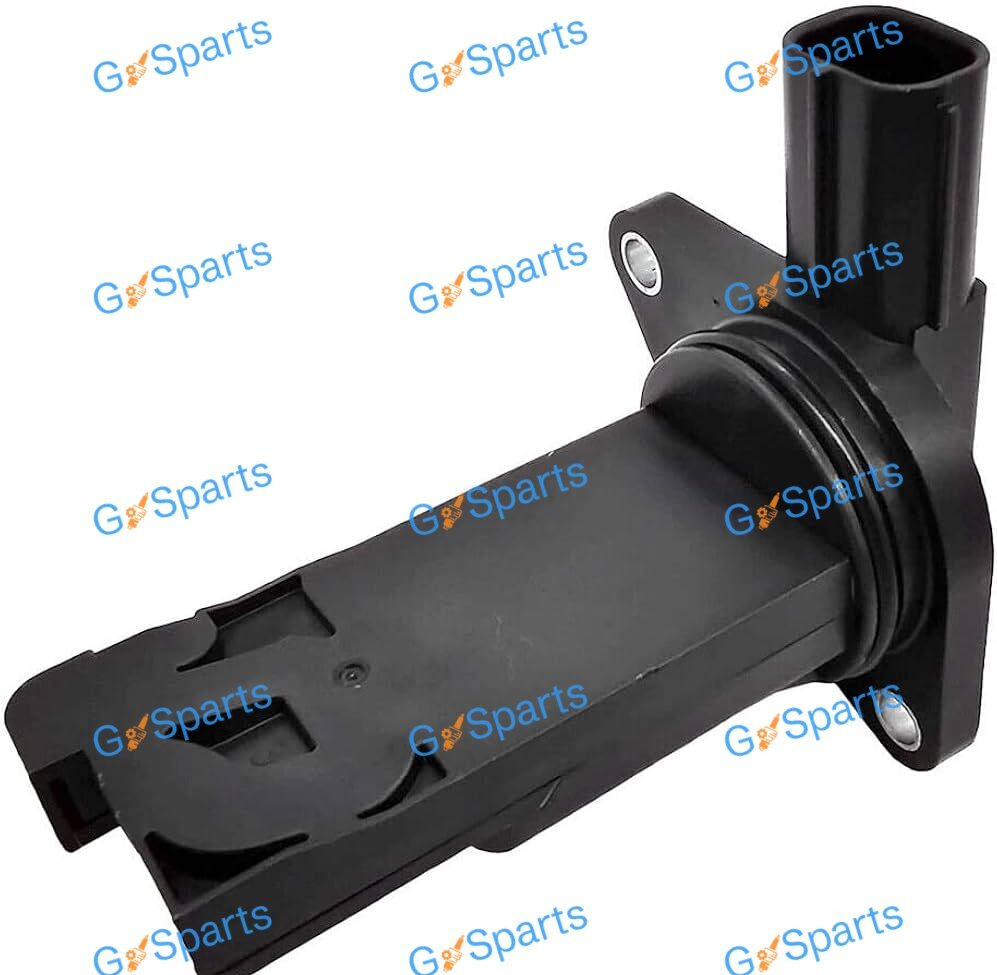
Genuine Mazda MAF Sensor PYFS-13-215 – Mazda MX-5 Miata (2006–2015)
MAF Sensor for Mazda MX-5 Miata (2006–2015). OEM PYFS-13-215 with 5-pin connector, hot-wire type for precise airflow measurement.
Did you like this product? Add to favorites now and follow the product.

(+86) 180 07 12 47 38 WhatsApp, Telegram, WeChat
Description
Restore optimal fueling and throttle response on your Mazda MX-5 Miata (2006–2015) with this OEM‑equivalent Mass Air Flow (MAF) sensor (Part PYFS-13-215). The 5-pin connector, hot-wire type hot‑wire element reports accurate intake airflow so the ECU can maintain correct fuel trims, improve idle quality, and reduce emissions. Trusted aftermarket coverage includes Denso, Bosch, OCPTY, A-Premium. Used in various models; check for compatibility with your vehicle. Always confirm by VIN, connector type, and pin configuration before ordering.
Precision Airflow for Confident Daily Driving
Accurate air-mass measurement is the quiet backbone of drivability, fuel economy, and emissions control. When the meter reads correctly, throttle response is clean, idle settles, and catalytic converters stay happier for longer. If you’ve noticed hesitation off the line, wandering fuel trims, or a persistent mixture code, your airflow baseline may be drifting. Restoring that foundation transforms the way the whole system behaves, because spark, fueling, and torque modeling can finally trust the intake data again. Choosing Mazda MAF Sensor PYFS-13-215 gives the controller a faithful signal that aligns with factory tables and puts an end to guesswork, turning “almost right” into consistently right from the first turn of the key.
Fitment Confidence that Prevents Repeat Work
The most efficient repair starts with exact identification. Confirm engine family, intake layout, and connector keying, then compare the housing orientation and sealing surfaces to the unit on your vehicle. Small geometry differences matter; they change how the sensing bridge sits in the duct and can introduce turbulence that skews readings. Inspect airbox gaskets, snorkels, and couplers so the new part seats square without stretching the loom. With this groundwork done well, installing Mazda MAF Sensor PYFS-13-215 becomes a true drop-in experience. The right fit preserves the designed flow window, keeps the harness happy through engine movement, and removes variables before they create nuisance diagnostics later.
Symptom Clarity: When Airflow Data Goes Off Script
Air-metering faults rarely shout at first; they whisper. Drivers feel wavering idle after warmup, flat spots at light throttle, and shift timing that suddenly feels indecisive. Fuel economy may swing week to week, and the tailpipe can show soot from rich operation. On a scan tool you’ll see long-term trims creeping high as the ECU tries to compensate. Before chasing injectors, pumps, or exotic electrical ghosts, recheck the airflow baseline. Replacing a drifting unit with Mazda MAF Sensor PYFS-13-215 recenters the numbers, calming trims and returning that easy, stocklike character that makes the car feel eager yet civilized in everyday traffic.
How Hot-Wire Mass Sensing Translates Air into Strategy
Inside the housing, a heated element is held at a temperature delta above the incoming stream; as mass flow rises, cooling increases and the circuit draws more current to maintain that offset. Electronics convert this into a signal the ECU interprets as grams per second, blending with intake temperature to correct for density. Placement and duct geometry are everything—stable, laminar flow across the window yields stable output. That’s why Mazda MAF Sensor PYFS-13-215 is designed around the same geometry your calibration expects, and why replacing a tired meter with Mazda MAF Sensor PYFS-13-215 often feels like a quiet tune-up that suddenly makes every other system smarter.
Data-Led Diagnosis Beats Parts Darts Every Time
Strong outcomes come from evidence. Capture airflow and calculated load at warm idle with accessories off; then log a steady cruise and a glide to near stop. Healthy systems show repeatable values and crisp response to small throttle nudges. If trims are elevated, smoke-test the intake for unmetered leaks and inspect the harness before condemning the sensor. When data points to a skewed meter, installing Mazda MAF Sensor PYFS-13-215 establishes a known-good reference. Repeat your captures afterward: trims should pull toward center, load should stabilize, and the car should feel more linear everywhere—proof that you fixed the baseline, not just the symptoms.
Preparation and Clean Handling Protect Your Investment
Small habits deliver big wins. Work on a cool engine, keep the new part sealed until the duct is clean, and protect the open intake from stray grit. Avoid blasting compressed air at connectors; brush and vacuum instead. Inspect couplers for hairline cracks and ensure clamps are round and free-moving. Never touch the sensing film, and do not spray cleaners through a fresh unit. When the path is tidy and hardware is staged, Mazda MAF Sensor PYFS-13-215 installs smoothly the first time, starting its service life free from contamination and electrical stress that could otherwise masquerade as calibration drift.
Removal Tips that Save Time and Components
Distorted plastic necks and stubborn gaskets can turn a simple job into a headache. Loosen clamps evenly, unlock the connector by pressing the tab instead of tugging the loom, and rock the old meter gently to break the seal. Cover the intake immediately to keep debris out. Transfer O-rings only if the new unit doesn’t include them, and inspect the airbox lid for warpage that might admit unmetered air later. This measured approach prevents cracks, bent pins, and lost fasteners. With the space prepared and distractions eliminated, Mazda MAF Sensor PYFS-13-215 seats squarely and seals as intended on the very first attempt.
Installation Best Practices for a Clean Signal
Orientation matters. Align the airflow arrow toward the throttle body, seat the duct fully, and snug clamps without crushing. Confirm a positive connector click and route the harness away from edges and heat. Refit resonators and covers that tame turbulence; deleting them can introduce swirl that corrupts low-flow readings. Finish with a slow visual sweep for crooked couplers or pinched grommets. When installed with this care, Mazda MAF Sensor PYFS-13-215 generates a strong, low-noise signal right away, and your validation route will feel beautifully uneventful, because the ECU is no longer spending cycles filtering bad data from a chaotic intake stream.
Helping the ECU Relearn with Minimal Drama
Controllers adapt to long-term behavior, so give them a clean slate. After installation, allow the engine to reach operating temperature and complete a calm loop that includes steady cruise, gentle accelerations, and smooth decels to a crawl. Keep accessories consistent and the intake fully sealed. Clearing learned trims where applicable accelerates convergence. With stable numbers coming from Mazda MAF Sensor PYFS-13-215, the module quickly rediscovers its ideal blend, smoothing tip-in and sharpening midrange response without surging. The result is the quietly confident feel you remember from day one, achieved without gimmicks or band-aid tuning.
Real-World Payoff: Response, Economy, and Emissions Health
When the airflow baseline is right, everything downstream comes into line. Spark targets can be more assertive, torque requests translate cleanly, and converters see fewer over-rich heat events. You’ll feel crisper launches, steadier cruise, and fewer downshifts on mild grades. Over time, oil stays cleaner and oxygen sensors age more gracefully. Those compounding gains start with a small, reliable signal. Installing Mazda MAF Sensor PYFS-13-215 restores that signal and lets the ECU optimize again, turning a car that felt a little dull and thirsty into one that simply behaves—calm at idle, eager on request, and consistent from season to season.
Built to Endure Heat, Vibration, and Time
Under-hood life is relentless. Dimensional stability keeps the bridge exactly where the duct design expects it; conformal coatings shield circuitry from moisture; and robust soldering resists micro-cracks from vibration. Protective grids temper pulses without measurable restriction, and quality control locks in the transfer curve the calibration expects. This is the quiet durability that minimizes comebacks. Technicians choose Mazda MAF Sensor PYFS-13-215 when they need calibration fidelity that doesn’t wander a week later, because stable output keeps trims steady and customers happy, with no return visits to chase ghosts that were baked into a bargain part’s hardware.
Why Calibration Fidelity Beats Cosmetic Similarity
A connector match is not a calibration match. Cheap look-alikes often output a soft, noisy curve that forces the ECU to chase corrections, leaving drivability “almost fixed.” That uncertainty wastes hours and erodes trust. Selecting Mazda MAF Sensor PYFS-13-215 aligns the meter’s transfer function with factory strategy, preserving the manners engineers tuned into the platform. The payoff is immediate: no hacks, no band-aids, just a car that feels naturally sorted. The best part is invisible—no drama, no dashboard light show, and no strange compromises to explain at the counter or on the next test drive.
Catalog Clarity that Avoids Misorders and Misfits
Supersessions, regional packaging, and housing look-alikes can confuse even careful buyers. Anchor your decision with the VIN, then verify interface geometry, seal type, and connector keying. Be skeptical of broad interchange claims that lack calibration notes, and ask for dimensional drawings when in doubt. Those minutes of diligence prevent hours of rework chasing trims that refuse to settle. When the application points to it clearly, Mazda MAF Sensor PYFS-13-215 is the straightforward choice, combining physical compatibility with the response curve your ECU tables were built around, so results are predictable, repeatable, and easy to validate.
Buying Smart: Protect Yourself from Counterfeits
Clone electronics cut corners where you can’t see them—on the sensing bridge, potting, and internal references. Telltales include fuzzy box print, inconsistent fonts, flimsy trays, or residue near the element window. Inspect terminals for scratches hinting at prior use, and reject any unit with bent pins. Choose sellers who publish real connector photos, provide traceable invoices, and stand behind returns. Sourcing with care and fitting Mazda MAF Sensor PYFS-13-215 once beats buying twice and diagnosing thrice. It protects your time, your budget, and your reputation for fixes that work the first time and keep working long after hand-off.
Keep the Intake Sealed, Clean, and Laminar
Even the best meter can’t rescue a leaky or turbulent intake tract. Replace filters on schedule—earlier in dusty climates—and ensure the airbox lid seals uniformly. Verify couplers aren’t brittle, clamps sit square, and PCV lines don’t seep unmetered air. Avoid over-oiling performance elements that can mist the sensing film. These small, sustainable habits let Mazda MAF Sensor PYFS-13-215 do its quiet job day after day, delivering stable numbers that keep trims centered and drivability consistent, so the ECU remains focused on controlling combustion rather than compensating for avoidable airflow chaos.
Calm Troubleshooting if a Warning Reappears
If a light returns after installation, start with basics rather than assumptions. Recheck clamp positions and lid seating, and inspect the harness for tension or pinch points near brackets. Compare live airflow and trims to your pre-install baseline. If corrections remain high, smoke-test for unmetered leaks and examine for exhaust leaks ahead of the first oxygen sensor that could skew feedback. Most post-install surprises trace to environment rather than electronics. With conditions restored and Mazda MAF Sensor PYFS-13-215 sending a clean signal, nuisance codes typically fade as adaptation finishes and the system stops fighting bad data.
Reading Live Data Like a Pro without Overthinking
Healthy systems show stable airflow and calculated load at hot idle, crisp rises on throttle blips, and smooth returns. During steady cruise, airflow should correlate tightly with engine speed and throttle angle; jitter suggests turbulence, noise, or leaks. Use short logs over familiar routes so comparisons are apples to apples after changes. Creating this baseline immediately after fitting Mazda MAF Sensor PYFS-13-215 makes future deviations obvious, turning diagnostics into a quick confirmation instead of a fishing expedition through unrelated subsystems that only happen to be downstream from incorrect air measurement.
Mod-Friendly Planning that Keeps Drivability Intact
Aftermarket intakes can shine when built around the factory transfer curve; they can also introduce swirl and heat soak that confuse measurement. If you’ve altered duct length or diameter, expect to recalibrate so inferred load remains honest. Begin with a verified baseline: sealed plumbing, a fresh filter, and Mazda MAF Sensor PYFS-13-215 delivering consistent data. Many builds see better real-world results from a high-flow panel in the stock box plus smart heat shielding—steady temperature and clean laminar flow beat flashy cones that inhale warm bay air and trip mixture corrections on hot days.
Weather, Altitude, and Fuel Quality in Daily Life
Air density, humidity, and barometric pressure change constantly, so controllers adapt in real time. Rapid swings can challenge transient fueling if the intake recirculates heat or the sensor window gathers moisture. Keep splash shields and undertrays intact to stabilize inlet conditions, and check cowl seals that prevent hot-bay ingestion at low speeds. Fuel volatility variation can exaggerate stumble that gets unfairly blamed on metering. With those variables under control and Mazda MAF Sensor PYFS-13-215 reporting faithfully, the ECU’s adaptive logic smooths seasonal shifts so the car feels composed from chilly mornings to humid commutes.
Support that Shortens the Path from Cart to Calm
Good parts are only half the story; clear documentation and reachable humans complete it. Save your invoice, snap before-and-after data, and note any companion maintenance like filter replacement. Vendors who publish relearn guidance, torque notes, and troubleshooting flowcharts make first-try success far more likely. Backed by that ecosystem, Mazda MAF Sensor PYFS-13-215 becomes an easy recommendation—simple to defend in a shop environment and reassuring for owners who want results without drama, because everything about the process points toward a predictable, verifiable outcome.
Standardizing for Shops and Fleets that Value Uptime
Operations that manage many vehicles live on repeatability. Stocking trusted airflow meters for common platforms shortens cycle times, simplifies training, and clarifies estimates. Build a playbook that starts with intake inspection, continues through precise installation, and ends with a structured validation drive and saved data snapshot. With that framework in place, Mazda MAF Sensor PYFS-13-215 is the reliable constant that keeps vehicles earning rather than waiting, while technicians build confidence by seeing the same clean post-repair patterns across climates, routes, and driver styles.
The Value Equation Beyond Sticker Price
The least expensive box can be the costliest choice if drivability remains “almost right.” Consider diagnostic hours, repeat visits, wasted fuel, and catalyst stress from rich operation. A faithful curve and stable build shrink those hidden costs. Installing Mazda MAF Sensor PYFS-13-215 stabilizes trims and restores smoothness, turning a small upfront decision into months of uneventful ownership, where the most noticeable change is the absence of surprises—no hunting idle, no flat spots, and no warning icons returning on the rainy drive home.
Packaging and Handling that Keep Sensors Perfect Until Install
Sensitive elements deserve thoughtful logistics. Look for protective caps over the sensing window, sealed bags that keep lint out, and inserts that prevent the housing from rattling around in transit. Store the box away from grinding or drilling that throws metallic dust, and open it only when the intake path is clean and ready. With careful handling and Mazda MAF Sensor PYFS-13-215 in hand, you remove contamination as a variable, so your road test evaluates results, not excuses created on the bench by an unprotected element.
Replacing Myths with Maintainable Practices
A few ideas need retiring. Cleaning a drifting element rarely restores calibration; at best it buys time. Matching plugs don’t guarantee the same transfer function. Unplug-tests trigger limp strategies that mislead diagnosis. And while adaptive learning helps, it cannot permanently correct a skewed baseline. The reliable recipe is simple: verify the environment, install the correct part, and validate with data. Following that process with Mazda MAF Sensor PYFS-13-215 turns internet lore into predictable outcomes you can stand behind, whether you’re a careful DIYer or a shop that values first-time fixes.
Road-Test Protocol that Proves the Fix
Structure beats guesswork. Begin with idle stability, then a quiet neighborhood loop that includes gentle take-offs, steady cruise, and smooth decels. Follow with a short highway stint to confirm load tracking at speed. Review logs: no fresh faults, stable trims, crisp airflow response. Share the highlights with the vehicle owner so expectations are clear. With Mazda MAF Sensor PYFS-13-215 providing the baseline, this validation feels pleasantly boring—the best kind of test drive, where nothing calls attention to itself because everything is finally in harmony again.
Coaching Drivers for Long-Term Success
A minute at hand-off pays for months. Explain how a properly sealed airbox, timely filter changes, and careful handling of oiled elements protect the new meter. Encourage early reporting of renewed stumble or uneven idle rather than waiting for a light. When drivers understand the basics, they help preserve the conditions that keep metering stable. That partnership lets Mazda MAF Sensor PYFS-13-215 continue feeding trustworthy data, which the ECU translates into smooth power, predictable economy, and a dashboard that stays blissfully uneventful through seasons and driving styles.
Training the Team: Turning Good Habits into a Playbook
Shops scale quality by teaching repeatable habits. Create a concise checklist covering intake inspection, sensor handling, connector hygiene, routing checks, and post-repair validation. Build a library of “known-good” logs for fast comparisons and technician mentoring. Celebrate saves where a reseated clamp or replaced grommet prevented a comeback. Within that culture, Mazda MAF Sensor PYFS-13-215 is more than a SKU—it’s the reliable input anchoring a disciplined workflow that customers notice only because there’s nothing to notice after the repair.
Troubleshooting Edge Cases with Correlated Signals
Sometimes feel and data disagree. Mazda MAF Sensor PYFS-13-215 Correlate airflow with throttle position, manifold pressure, and fuel trims on the same timeline to reveal delays or oscillations. Check grounds and battery health; low supply voltage can skew references in subtle ways. Inspect for upstream exhaust leaks that upset oxygen feedback and cloud your interpretation. With those variables ruled out and Mazda MAF Sensor PYFS-13-215 keeping the airflow story honest, you can isolate the last stubborn variable quickly, avoiding costly parts exploration that solves nothing but the mystery of where your afternoon went.
A Confident Conclusion and Clear Next Step
Accurate airflow is the linchpin that makes modern engines feel refined, efficient, and responsive. Restoring that baseline lets every subsystem—from ignition to emissions—work with quiet confidence. Choose a calibration-faithful meter, install it methodically, and verify with a short, structured drive. Do that, and Mazda MAF Sensor PYFS-13-215 delivers exactly what you’re after: a steady idle, an eager midrange, and day-to-day consistency that turns commutes into non-events. Mazda MAF Sensor PYFS-13-215 For anyone who values a car that simply behaves, the most effective upgrade is often the one you never notice again—because it just works.
External Links (MAF Sensor Education & References)
Internal Links (Keep Users on G-Sparts)
Related products



G-SPARTS – Leading Auto Parts Supplier Since 2009
Trusted by 1000+ Clients Worldwide | Chinese (BYD, Geely, Chery, …), Japanese (Toyota, Honda, Nissan, …), European (BMW, Mercedes, VW, …) & American (Ford, Chevrolet, Tesla, …) Car Spares | Best Prices & OEM Quality | 15+ Years Expertise | Professional Team, Fast Global Shipping
Copyright 2025 © G-Sparts All Rights Reserved. | Premium Chinese Auto Parts Supplier – Worldwide Shipping | Best Prices on OEM & Aftermarket Spares

Reviews
There are no reviews yet.