
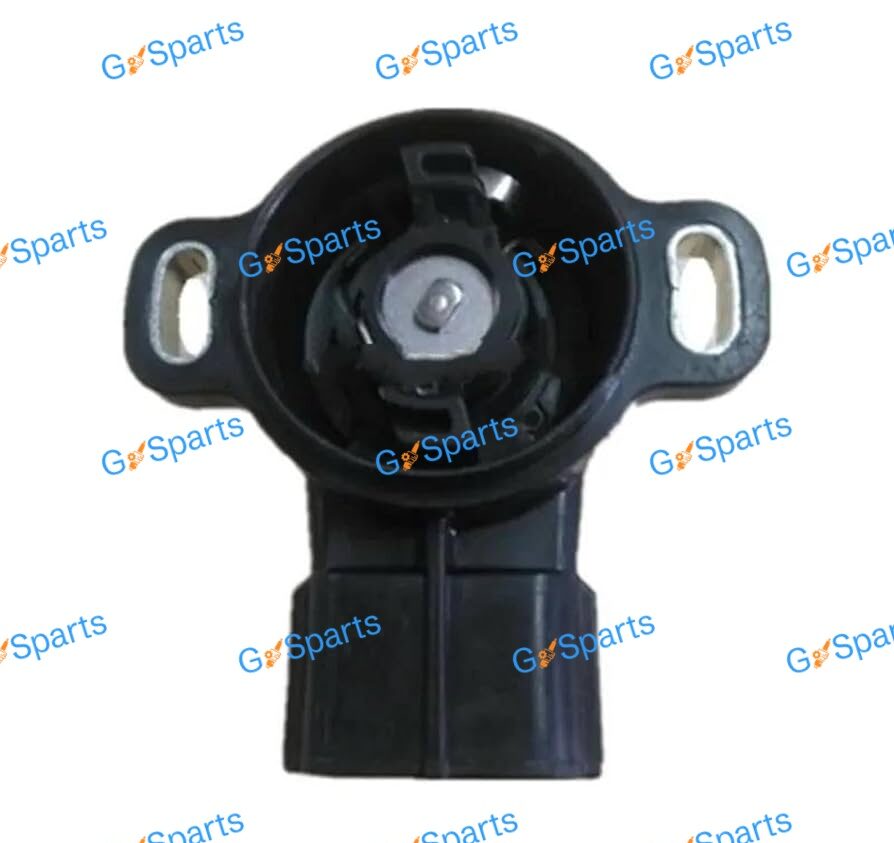
Ultimate Mazda TPS B6HF-18-911 – Mazda3 SP23 (2003–2009) – Smooth Idle & Sharper Throttle
3‑wire electronic TPS for **Mazda3 SP23 (2003–2009)**. OEM connector; VIN confirmation advised.
Did you like this product? Add to favorites now and follow the product.

(+86) 180 07 12 47 38 WhatsApp, Telegram, WeChat
Description
Throttle position sensor **B6HF‑18‑911** for **Mazda3 SP23 (2003–2009)**. The 3‑wire electronic design provides precise throttle angle reporting for better throttle response and fuel economy. Built to Mazda OEM standards for plug‑and‑play replacement. Verify compatibility via VIN.
Introduction and Why This Part Matters
Great drivability starts with truthful load sensing, and nothing restores that faster than the correct throttle position sensor. The Mazda TPS B6HF-18-911 – Mazda3 SP23 is the exact-fit unit Mazda’s calibration expects, so the ECU’s angle-to-voltage curve matches reality at tiny pedal inputs, parking speeds, and steady cruise. With a clean signal, trims re-center, ignition steadies, and auto shift logic stops second-guessing your foot. If you’ve been chasing hesitation, idle hunt, or random kick-downs, replacing with Mazda TPS B6HF-18-911 – Mazda3 SP23 anchors a first-time-right repair. In this guide, you’ll learn how to diagnose correctly, install cleanly, run relearns, and verify with live data—so your SP23 returns to the quiet factory rhythm that makes daily driving and weekend backroads feel composed.
Fitment Clarity and the Case for Exact Geometry
Look-alike parts can bolt on yet misreport angle because shaft tang depth, indexing, or connector keying are slightly off. Those small mismatches force the ECU to burn adaptation budget all day, masking real mechanical issues behind noisy data. The Mazda TPS B6HF-18-911 – Mazda3 SP23 mates precisely with the throttle body, latches with confident connector tension, and places its sensing track exactly where Mazda’s tables expect it. That precision protects a millivolt-scale signal from vibration, heat-soak drift, and humidity creep. The payoff is linear tip-in, calmer return-to-idle with accessories on, and cruise control that holds speed without “hunting.” Exact fit prevents the kind of intermittent gremlins that only appear after the car is fully heat-soaked.
Translating Driver Complaints into Sensor Symptoms
Drivers never say “my wiper track is noisy.” They say the car stumbles leaving a turn, lurches during parking, or hunts gears on rolling terrain. On a scan graph, a drifting sensor shows spikes, plateaus, or disagreement with airflow at a steady pedal. Replace that ambiguity with the Mazda TPS B6HF-18-911 – Mazda3 SP23 and the ECU stops guessing: short-term trims calm, timing jitter shrinks, and converter behavior makes sense again. If the throttle bore is clean and the blade moves freely, a degraded TPS is a high-leverage fix that collapses diagnostic uncertainty into a crisp, believable angle ramp. You’ll feel smoother neighborhood maneuvers, easier hill launches, and steadier cruise within minutes.
Diagnostics First: Prove It, Then Replace
Start with fundamentals before installing the Mazda TPS B6HF-18-911 – Mazda3 SP23. Verify the 5-volt reference and ground integrity, ensure the throttle blade isn’t sticky, and smoke-test the intake for leaks. Log throttle angle against RPM and MAF at fixed pedal positions—10%, 25%, 40%, and 60% are practical checkpoints. A healthy system shows a smooth, repeatable slope and tight airflow correlation. Repeatability matters more than perfection; spikes and flat spots are red flags. If wiring and plumbing are sound yet the trace jitters, you’ve earned the replacement. Save baseline screenshots; after the new sensor, repeat the same script to confirm improvement and build a long-term reference for future decisions.
Tools, Prep, and Install Planning that Prevent Comebacks
Good work starts on the bench. Gather correct driver bits, a torque screwdriver, electronic-safe cleaner, and a flashlight or mirror for the connector. Pre-stage harness clips so the loom can follow factory paths away from heat and abrasion. Before fitting Mazda TPS B6HF-18-911 – Mazda3 SP23, learn the connector’s latch feel on the bench so you recognize a full click in tight spaces. Mark the old orientation if your housing allows micro-adjustment, then remove evenly and engage the new tang gently—resistance means misalignment. With the Mazda TPS B6HF-18-911 – Mazda3 SP23 seated flat and torqued to spec, you eliminate micro-movement that scrubs tracks and creates intermittent faults after hot soaks and bumpy commutes.
Removal and Seating: Small Habits, Big Outcomes
Loosen fasteners in small, alternating increments to preserve housing flatness; don’t twist the shaft; keep aggressive solvents off seals. Hand-start screws during install to prevent cross-threading, then torque evenly. Route the loom in proper clips—not around sharp edges or hot shields—and verify strain relief isn’t tugging on the connector. These basics sound boring because they are, and because they’re the easiest way to prevent the “mystery” intermittent that shows up a week later. A careful install lets the Mazda TPS B6HF-18-911 – Mazda3 SP23 deliver a clean, stable ramp for months and seasons, not just the first perfect test drive.
Relearns and Idle Normalization After the Swap
Some ECUs relearn instantly; others prefer a brief ritual: warm idle, steady suburban cruise, and calm decels to a stop. Expect short-term trims to hover near zero and long-term trims to migrate toward center as the controller trusts the new signal from the Mazda TPS B6HF-18-911 – Mazda3 SP23. Return-to-idle should feel uneventful even as fans or A/C engage. If prior noise forced defensive enrichment, a short adaptation window is normal; don’t mistake it for a fault. The goal is predictability: a platform that simply behaves without asking for attention—on hot days, cold mornings, and long highway slogs alike.
Live-Data Confirmation: What “Good” Looks Like
Graph throttle angle with MAF grams/second and ignition timing at warm idle and light cruise. A healthy trace shows a smooth angle slope at tiny inputs, tight airflow correlation, and reduced timing jitter. Add three clean tip-ins from idle to mid-throttle and confirm proportional enrichment—no flare, no bog. Save screenshots as your post-repair baseline; they turn future diagnostics into compare-and-contrast rather than guesswork. When the Mazda TPS B6HF-18-911 – Mazda3 SP23 feeds a believable angle signal, remaining faults—vacuum leaks, injector imbalance, subtle exhaust leaks—stand out quickly instead of hiding behind TPS chatter.
Why Exact Fit Beats “Universal” or “Close Enough”
A sensor that bolts on but reports the wrong taper creates a just-barely-off world the ECU fights all day, wasting fuel and aging hardware. Choosing the Mazda TPS B6HF-18-911 – Mazda3 SP23 aligns the voltage curve with tables already burned into the controller, so adaptation isn’t wasted masking a hardware mismatch. The result is clean takeoffs, less idle wander, and readiness monitors that set on schedule. Exactness is not vanity; it’s required when millivolt-level signals drive millisecond decisions. If you tried a generic substitute and the car is “better but weird,” moving to the Mazda TPS B6HF-18-911 – Mazda3 SP23 is usually the shortest path to “it just works.”
Transmission Logic and Shift Quality on SP23 Trims
Automatic strategies infer load heavily from throttle angle. A drifting input forces early kick-downs, delayed upshifts, and converter indecision that feels like busyness on mild grades. With the Mazda TPS B6HF-18-911 – Mazda3 SP23 restoring a stable ramp, line pressure and scheduling follow the map Mazda intended. Expect calmer neighborhood driving, predictable hill climbs, and suburban cruising free of gear hunting. It’s not magic; it’s a controller finally trusting the truth about what your right foot is asking for—and delivering smooth, logical shifts again.
Fuel Economy, Emissions, and Catalyst Protection
Accurate angle data prevents defensive enrichment that wastes fuel and overheats catalysts. Over months, small improvements compound into quieter operation, steadier speed-holding, and inspection numbers that are pleasantly boring. With the Mazda TPS B6HF-18-911 – Mazda3 SP23 in place, transitions stay clean, reducing soot and protecting substrates in traffic, on hills, and after summer heat soaks. Those quiet wins matter for commuters and weekend drivers alike, paying back in both maintenance costs and daily refinement. A trustworthy TPS is the subtle upgrade that protects everything downstream.
Materials, Sealing, and Durability in the Engine Bay
Thermal cycling, oil mist, and humidity attack seals and tracks; vibration tests connector tension all day. Robust housings, gas-tight interfaces, and stable contact metallurgy keep the voltage ramp flat and believable. Installed correctly, the Mazda TPS B6HF-18-911 – Mazda3 SP23 resists mid-range chatter and hot-restart wander, preserving the calm, predictable feel that defines a professional repair. Months later, your graph should still look like an engineering drawing instead of a polygraph. That long-term stability is why exact parts beat look-alikes every time.
Avoiding Pitfalls that Cause Comebacks
Most comebacks start with basics: over-tightened screws warping housings, half-latched connectors, misrouted looms rubbing a bracket, or solvent-swollen seals. Slow down for torque, alignment, and clip engagement. After fitting the Mazda TPS B6HF-18-911 – Mazda3 SP23, run a five-minute verification loop and recheck the latch. Those tiny investments avert the “intermittent after heat soak” story that erodes trust. When details are right, the Mazda TPS B6HF-18-911 – Mazda3 SP23 becomes the quiet hero of a repair that simply stays fixed—no drama, no returns, just predictable behavior.
Owner-Level Validation Without Shop Tools
You can verify success with a Bluetooth OBD adapter and a quality app. Warm the engine, then log angle, MAF g/s, RPM, timing, and short-term trims at idle and at a steady 2,200–2,500 rpm cruise. Add three gentle tip-ins; a smooth angle ramp with modest STFT oscillation near zero is your signature of health after installing the Mazda TPS B6HF-18-911 – Mazda3 SP23. Save the screenshots under your VIN and re-run the script in six months. Clean overlays mean the fix is holding under your real duty cycle; if drift appears, you’ll catch it early—before it becomes a drivability complaint.
Hot Soak, Cold Starts, and Seasonal Fuels
Oxygenated winter blends, dense cold air, and summer heat soaks stress mixture control and idle compensation. A stable angle map from the Mazda TPS B6HF-18-911 – Mazda3 SP23 shortens adaptation, prevents cold tip-in flare or dip, and keeps trims from wandering on long grades. As the catalyst warms, downstream traces calm the way they should. Consistency across seasons is how daily driving feels civilized in January rush hour and equally composed during July road trips. The right sensor is the difference between constant adaptation and effortless normality.
How TPS Data Interacts with MAF and O2 Feedback
Throttle angle, airflow, and oxygen feedback triangulate true load in closed loop. If angle lies, trims chase noise, timing goes conservative, and catalysts get needless heat. Fixing the primary input with the Mazda TPS B6HF-18-911 – Mazda3 SP23 realigns that triangle so genuine issues—vacuum leaks, injector imbalance, minor exhaust leaks—stand out quickly. Shorter troubleshooting trees and fewer parts-cannon detours follow when the cornerstone input tells the truth. The result is a car that feels “on script” again.
Tuning, Light Mods, and Keeping the Baseline Honest
Intakes and cat-backs change airflow reality; a stable throttle map becomes even more important so calibrations target truth rather than compensate for noise. With the Mazda TPS B6HF-18-911 – Mazda3 SP23 feeding clean angles, tuners get repeatable pulls and street manners that survive rain, heat, and traffic. Expect steadier idle after hot restarts and linear pedal mapping that makes subtle performance changes feel refined rather than edgy. For mildly modified SP23s, this TPS is the quiet foundation that lets everything else work properly.
E-Commerce Clarity to Prevent Misorders
A great product page reduces friction. Show connector macro photos, screw pattern and indexing notes, harness length, and a compatibility matrix tied to engine codes and production splits. Include torque targets and a short drive-cycle primer so buyers move from checkout to confirmation smoothly. Presented with those specifics, the Mazda TPS B6HF-18-911 – Mazda3 SP23 inspires confidence and reduces returns. Clear info turns nervous DIYers into calm customers and makes professional shops faster and more consistent.
Authenticity, Packaging, and Receiving Inspection
Counterfeits cut corners on track metallurgy, sealing, and QA. On arrival, check housing flatness, tang engagement feel, and latch tension before the car hits the lift. Proper packaging should protect against humidity and impact so the Mazda TPS B6HF-18-911 – Mazda3 SP23 performs as intended from the first key-on—not after rework to correct avoidable variability. Five minutes at receiving is cheap insurance against “weird” faults later, protecting both your time and reputation.
Owner Playbook: Simple Habits that Preserve the Win
Keep the intake sealed, replace filters on schedule, and fix misfires quickly—raw fuel and vibration age components across the control loop. Avoid aggressive solvents near seals and electronics. Once or twice a year, run a short logging script at fixed pedal positions; trends reveal degradation early. These simple habits pair with the Mazda TPS B6HF-18-911 – Mazda3 SP23 to keep the car’s calm character intact across seasons and mileage, stretching the value of your repair and avoiding surprises.
Shop-Floor Documentation That Saves Hours Later
After installation, attach before/after screenshots, torque notes, connector photos, and any relearn steps to the work order. Tie the record to the VIN. Next time the car returns, diagnostics start from a known-good baseline, not from scratch. This discipline—paired with the Mazda TPS B6HF-18-911 – Mazda3 SP23—reduces comeback risk, speeds warranty conversations, and trains newer technicians to reproduce the same high bar without guesswork. In busy bays, the Mazda TPS B6HF-18-911 – Mazda3 SP23 plus documentation equals uptime.
Transmission Behavior, Revisited: Autos and Manuals
With credible load input, automatic line-pressure targets feel natural, while manual drivers notice cleaner blips and easier low-speed modulation. The Mazda TPS B6HF-18-911 – Mazda3 SP23 doesn’t add power; it unlocks the powertrain’s ability to apply the power you already have with grace. That’s the difference between a car that’s “fine on the dyno” and one that feels “great in traffic.” Consistency is what turns effort into confidence behind the wheel.
Road-Test Script: From Complaint to Confirmation
Replicate the original symptoms: gentle launches, steady suburban cruise, on-off throttle in traffic, and A/C engagement at idle. After fitting the Mazda TPS B6HF-18-911 – Mazda3 SP23, these checks should feel uneventful—in the best way. If quirks remain, revisit vacuum integrity and throttle cleanliness before suspecting new electronics. Calm, predictable results paired with saved live-data screenshots turn subjective impressions into objective proof that the fix worked and will keep working.
Idle Quality with Accessory Loads
Fans and compressors can upset a marginal control loop, producing dips, flares, or stalls at stoplights. With the Mazda TPS B6HF-18-911 – Mazda3 SP23 delivering a crisp, believable angle signal, the ECU predicts load changes more accurately and nudges airflow and timing just enough to keep RPM composed. Expect fewer steering-wheel vibrations, quieter operation with A/C on, and less need to “babysit” the pedal. That low-drama composure is what daily refinement feels like in practice.
Sustainability, Emissions, and Long-Term Component Health
Clean control loops reduce raw hydrocarbons, keep catalysts within design temperature, and avoid fuel-heavy workarounds that age hardware—all supported by the Mazda TPS B6HF-18-911 – Mazda3 SP23 providing truthful load data. Over thousands of kilometers, those small reductions in enrichment and misfire risk translate into cleaner air and lower costs. It’s the kind of improvement you don’t brag about, but appreciate every time the car passes inspection without drama or surprise repairs.
Customer Communication: Turn Feelings into Facts
Owners describe sensations—“it hunts,” “it jerks,” “it lags.” Translate them into simple graphs after installing the Mazda TPS B6HF-18-911 – Mazda3 SP23: a smooth angle slope, centered trims, calmer timing. Provide a short road-test script they can replicate. When your explanation is anchored in clear evidence, satisfaction lasts longer than the test drive, because customers understand not just that the car feels better, but why it will keep feeling better.
Fleet and Uptime Economics for Multi-Vehicle Owners
Variance kills uptime. Random surges, idle wander, and shift indecision waste technician hours and driver trust. Standardizing on the Mazda TPS B6HF-18-911 – Mazda3 SP23 across compatible units reduces diagnostic spread and stabilizes fuel spend. It improves inspection pass rates and cuts nuisance drivability tickets that clog bays. Over a quarter, those quiet gains become visible KPIs: faster throughput, calmer dashboards, and cars that simply behave.
The Confident Finish: Factory Calm, Every Drive
Great repairs are invisible. Diagnose first, install cleanly, validate with data, and choose the part Mazda mapped the platform around. With the Mazda TPS B6HF-18-911 – Mazda3 SP23 installed thoughtfully, your SP23 returns to its intended rhythm—linear throttle, steady idle, logical shifts, and a dashboard that stays quiet. That’s the everyday luxury of precision: a car that stops asking for attention and simply rewards it, commute after commute and road trip after road trip.
External Resources (Standards & Technical References)
- ISO 26262 — Road Vehicles Functional Safety
- ISO 11898 — Controller Area Network (CAN)
- ISO 14229 — Unified Diagnostic Services (UDS)
- SAE J1979 — OBD-II Diagnostic Test Modes
- AEC-Q100 — Stress Test for Automotive ICs
Related Internal Links
Related products


Recently Viewed Products



G-SPARTS – Leading Auto Parts Supplier Since 2009
Trusted by 1000+ Clients Worldwide | Chinese (BYD, Geely, Chery, …), Japanese (Toyota, Honda, Nissan, …), European (BMW, Mercedes, VW, …) & American (Ford, Chevrolet, Tesla, …) Car Spares | Best Prices & OEM Quality | 15+ Years Expertise | Professional Team, Fast Global Shipping
Copyright 2025 © G-Sparts All Rights Reserved. | Premium Chinese Auto Parts Supplier – Worldwide Shipping | Best Prices on OEM & Aftermarket Spares

Reviews
There are no reviews yet.