
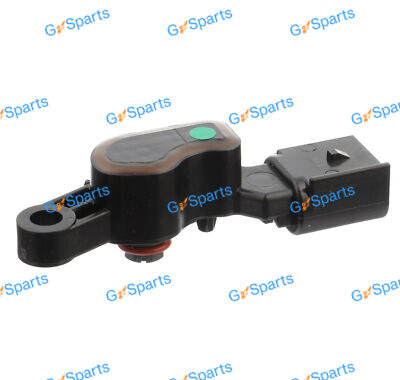
Genuine Mazda TPS L538-18-9B1 – Mazda3/Mazda6/CX‑7/Mazda5 (2009–2012) – Smooth Idle, Sharper Throttle, OEM Confidence
OEM 3‑wire TPS for **Mazda3, Mazda6, CX‑7 & Mazda5 (2009–2012)**. Direct‑fit; check VIN for exact match.
Did you like this product? Add to favorites now and follow the product.

(+86) 180 07 12 47 38 WhatsApp, Telegram, WeChat
Description
TPS **L538‑18‑9B1** fits **Mazda3, Mazda6, CX‑7, and Mazda5** from **2009–2012**. This genuine‑fit 3‑wire electronic sensor provides accurate throttle signal to the ECU, improving drivability and emissions control. Designed for quick installation with the correct OEM connector and mounting. Please verify compatibility with your VIN/engine code Mazda TPS L538-18-9B1.
Overview: Why the Right TPS Transforms Driveability
Throttle position is the ECU’s primary window into driver intent. A clean, predictable angle signal helps the controller shape injector pulse width, spark timing, and even transmission behavior. As sensors age, dead zones and noise creep in, causing hesitation, hunting idle, and poor fuel economy. Replacing the unit with the correct part restores the original calibration assumptions the software was designed around. That is the promise of Mazda TPS L538-18-9B1: a direct-fit solution that returns the platform to factory rhythm without improvisation, splicing, or guesswork.
Fitment Confidence: Geometry, Indexing, and Connector Integrity
Not all look-alike sensors are created equal. Even tiny differences in shaft tang geometry, clocking, and connector keying can distort the angle-to-voltage map that your ECU expects. A direct-fit unit avoids harness strain, awkward routing, or loose latches that invite intermittent faults on hot days. Mazda TPS L538-18-9B1 is engineered to seat cleanly, align with the throttle body without forcing, and latch with a confident click. That mechanical certainty protects the delicate signal path from vibration and heat soak, while sealing strategies keep humidity and dust from creeping in. The result is reliable telemetry that lets the ECU act decisively rather than conservatively, improving response at tip-in and settling idle after accessory loads kick in.
Inside the Sensor: Signal Geometry and Materials That Matter
A quality TPS delivers a smooth, repeatable voltage ramp across tiny blade movements where you spend most of your driving. Contact metallurgy, track taper, and housing flatness all contribute to low-noise output—especially around parking-lot speeds and light cruise. Cheap copies often develop mid-range chatter that looks like noise on live data and feels like surging on the road. Mazda TPS L538-18-9B1 focuses on stable output across the angles that matter most. With Mazda TPS L538-18-9B1 in place, the ECU’s modeled load aligns with reality again, which is why timing, fueling, and transmission logic regain their intended coordination without heavy adaptation or band-aid relearns.
Recognizing a Failing TPS: Real-World Symptoms You’ll Notice
Drivers rarely say “my throttle sensor is drifting.” They say the car hesitates out of turns, lurches in parking maneuvers, or hunts at a stop with the A/C on. Scan tools may show an angle trace that sticks, spikes, or disagrees with airflow data. Harsh shifts, odd converter lockup, and stubborn fuel trims often follow because other strategies are inferring load from bad inputs. When underlying mechanical integrity is sound, replacing the TPS is a high-leverage fix: it collapses diagnostic ambiguity by removing signal noise at the source. That is exactly the point of choosing Mazda TPS L538-18-9B1—restoring the truthful primary load input that every other routine depends on.
Diagnostic Workflow: Prove the Cause Before You Replace
Good process beats parts-cannon guesswork. Start by confirming smooth throttle blade movement and a clean bore. Verify 5-volt reference and ground quality, then log angle vs. RPM and MAF at several steady pedal positions. Repeatability matters more than perfection—spikes are red flags. If the trace is noisy despite sound wiring and mechanics, replacement is warranted. After fitting the correct sensor, rerun the same captures to confirm improvement. When the ECU sees a stable ramp again, trims relax, timing becomes more consistent, and idle compensation behaves. This is the disciplined pathway that makes a targeted install of Mazda TPS L538-18-9B1 both efficient and convincing to owners and auditors alike.
Preparation: Tools, Safety, and Install Planning
A tidy install begins on the bench. Gather the correct driver bits, a torque screwdriver if available, electronic-safe cleaner, a flashlight for connector inspection, and a mirror for hard angles. Disconnect the battery only if your service procedure recommends it, to preserve learned data where appropriate. Inspect the throttle shaft for play and verify gasket condition. Mazda TPS L538-18-9B1 ships with clocking designed to engage the tang without force, reducing risk of cracked housings. Because Mazda TPS L538-18-9B1 routes like the original, you can follow factory paths to protect the harness from heat, abrasion, and moving linkages—habitual details that prevent intermittent faults months later.
Removal and Seating: Small Habits, Big Results
Mark the old sensor’s orientation if your throttle body allows slight adjustment. Loosen mounting screws evenly, then ease the unit off without twisting the shaft. Align the new sensor carefully so the internal tang engages cleanly; you should feel positive mating rather than resistance. Tighten fasteners to spec in small increments, preserving housing flatness and seal integrity. Reconnect the harness until you hear a distinct click—partial engagement is a common source of “mystery” faults. With a correctly seated part, you avoid micro-movement that scrubs the wiper track over bumps and heat cycles, ensuring your fresh signal remains pristine long after the first perfect test drive.
Relearns and Idle Normalization: Let the ECU Catch Up
Some ECUs relearn immediately; others prefer a brief ritual. After installation, allow a warm idle, cycle key-on/key-off as specified, and perform a gentle mixed drive. Watch for stable idle RPM, clean return to idle when coasting, and smooth off-idle response. If trims were skewed by a bad signal, a short adaptation window is normal as modeled load realigns with truth. Clearing codes can help if prior faults lock out certain strategies. The end state you want is boring in the best way: a car that idles calmly with accessories, responds linearly to small pedal inputs, and maintains steady speed at light throttle without oscillation Mazda TPS L538-18-9B1.
Live Data Verification: What “Good” Looks Like on a Scan Tool
Graph throttle angle alongside MAF grams/second and ignition timing. A healthy system shows a smooth, repeatable slope with minimal noise around light inputs. Correlation with airflow tightens, and timing becomes less jittery at cruise. Add a few tip-ins from idle to mid-throttle and confirm that enrichment is brief and proportional—no flare, no bog. With Mazda TPS L538-18-9B1 delivering a clean signal, the controller can stop guessing and start optimizing. That data-backed confidence is what separates a hopeful parts swap from a professional repair that stands up to scrutiny, road tests, and future diagnostics months down the line.
Shift Quality and Transmission Logic: Why TPS Matters Beyond Fuel
Modern automatics lean on throttle angle Mazda TPS L538-18-9B1 to decide shift timing, line pressure, and converter lockup. A drifting signal triggers early kick-downs, delayed upshifts, or hunting on mild grades—wearing clutches and annoying drivers. Restoring an accurate input gives the transmission control module the context it needs to behave decisively yet smoothly. Expect calmer neighborhood driving, predictable parking maneuvers, and steadier hill climbs with gear changes that make sense. This is why a correct throttle signal is a gift to the whole powertrain, not just the engine map, and why installing the right component pays dividends that drivers notice immediately.
Fuel Economy and Emissions: Subtle Gains That Compound
When throttle information is crisp, the ECU can target leaner transitions and avoid defensive enrichment that wastes fuel and overheats catalysts. The benefits appear as quieter operation, steadier cruise speeds, and fewer rich spikes around small pedal changes. Over thousands of kilometers, these small optimizations add up to real money saved and less stress on aftertreatment. The simplest way to unlock those gains is to restore the input the controller trusts most. That’s the practical impact of a precise, direct-fit sensor—less guessing, more optimizing, and a platform that feels composed in traffic rather than on edge.
Built for the Bay: Heat, Vibration, and Contaminant Resistance
Under-hood life is rough. Mazda TPS L538-18-9B1 Thermal cycles, oil mist, and humidity challenge seals and tracks; vibration tests harness strain and connector tension. Durable housings, gas-tight interfaces, and robust contact materials protect the signal from drift across seasons. Cheap alternatives can work briefly, then slowly inject noise right where drivers live—light throttle and parking speeds. An OEM-spec unit exists to withstand those daily insults while preserving the ramp the ECU counts on. Your payoff is consistency: the car that felt perfect after installation still feels calm in six months, even after summer heat soak or a week of rainy commutes.
Compatibility and VIN Checks: Avoid Surprises Before They Start
Platform evolutions change throttle bodies, indexing, and even connector keying. Before ordering, confirm engine code, throttle body variant, and any production splits that might matter for your build. Mazda TPS L538-18-9B1 A quick VIN decode and a smartphone photo of the old connector’s shape and clocking eliminate doubt at the counter. Matching screw pattern, tang depth, and harness length ensures the part lands, latches, and routes like factory—no awkward bends or stretched clips. Doing this homework once saves hours later, shields you from returns, and turns installation day into an uneventful success.
Direct-Fit vs. “Close Enough”: Why Exact Matters
A sensor that bolts on but feeds the wrong taper is worse than a no-start—it creates a just-barely-off world the ECU fights all day with trims and timing tweaks. That wastes fuel, ages hardware, and erodes driver confidence. Direct-fit means the voltage curve aligns with the tables already burned into your controller, so the system doesn’t waste adaptation budget masking a hardware mismatch. In practice, that looks like clean takeoffs, less hunting at lights, and monitors that set on schedule. Exactness isn’t vanity; it’s a requirement when millivolt-scale signals drive millisecond decisions.
Sensor Ecosystem: How TPS Interacts with MAF, MAP, and O2
Throttle angle is one leg of a three-sensor stool with airflow and exhaust feedback. If TPS data lies, the model tilts—fuel trims chase noise, timing gets conservative, and downstream sensors “blame” the catalyst. Fixing the primary input clarifies what’s left. With Mazda TPS L538-18-9B1 feeding clean angles, MAF plausibility checks tighten, O2 feedback stabilizes, and genuine mechanical issues surface quickly if they exist. The payoff is shorter troubleshooting trees and fewer wild-goose chases, because the ECU is no longer trying to triangulate load from an unreliable cornerstone.
Avoiding Installation Pitfalls: Torque, Routing, and Cleanliness
Over-tightening can warp housings; under-tightening invites micro-movement that scrubs tracks. Use proper torque, keep solvents off seals, and don’t flood the area with aggressive cleaners. Route the harness along factory paths, away from heat shields and sharp edges, and ensure clips actually restrain the loom. Confirm the connector is fully seated—half-latched plugs can work on the lift and fail on the road. These basics sound simple because they are, yet they prevent most “it came back next week” stories that tarnish otherwise solid repair work.
Hot Soak, Cold Starts, and Seasonal Behavior
Electronics show their character at the extremes. After a summer heat soak, marginal components drift; on winter mornings, sticky blades and brittle plastics test tolerances. Mazda TPS L538-18-9B1 A robust sensor helps the controller compensate cleanly: no idle dip when accessories load, no flare on a cold tip-in, and fewer stalls in tight parking. As fuels shift seasonally, the ECU still finds its footing quickly because the primary input is stable. This is how a small part can make a car feel “newer” across the year Mazda TPS L538-18-9B1—by staying predictable when conditions aren’t.
Fleet and Uptime Economics: The Hidden ROI
In fleets, variance is the enemy. Random surges, idle wander, and shift indecision burn driver trust and shop hours. Standardizing on a known-good TPS profile reduces diagnostic spread and comeback risk. A repeatable signal also stabilizes fuel bills and protects converters from thermal stress caused by needless enrichment. Over a quarter, that quiet stability becomes visible in KPIs—lower diagnostic hours per ticket, faster inspection pass rates, and fewer “nuisance drivability” returns. Mazda TPS L538-18-9B1 is the kind of small, exact choice that scales into real operating gains.
What a Great Product Page Should Tell You
Clarity prevents mistakes. Mazda TPS L538-18-9B1 The ideal listing shows connector macro photos, screw pattern, indexing notes, harness length, and a concise compatibility matrix tied to engine codes and production splits. Add an installation micro-guide—safe lift points, torque targets, and a short drive-cycle primer—so buyers move from checkout to confirmation smoothly. Mazda TPS L538-18-9B1 This blend of precision and guidance keeps DIYers confident and pros efficient, while reducing returns that waste everyone’s time.
Authenticity, Packaging, and Receiving Inspection
Counterfeits cut corners on track metallurgy, sealing, and QA. Source from vendors who document batch codes and show the exact connector you’ll receive. On arrival, check housing flatness, tang engagement feel, and latch tension before the car hits the lift. Mazda TPS L538-18-9B1 Proper packaging protects against humidity and impact; a good unit feels consistent out of the box. These simple checks at receiving save headaches later, and they’re fast insurance against out-of-box variability.
Post-Install Troubleshooting: A Calm, Logical Tree
If behavior isn’t perfect after replacement, verify vacuum integrity, throttle cleanliness, and ground stability under accessory loads. Cross-check MAF plausibility at steady angles. If the angle trace is clean but trims wander, look to airflow leaks or injector balance rather than the new sensor. A disciplined tree Mazda TPS L538-18-9B1 prevents parts-cannon spirals and keeps budgets focused on the true constraint. Mazda TPS L538-18-9B1 Document each step—today’s notes are tomorrow’s time savers.
Communicating Results: Data, Not Vibes
Customers describe symptoms in feelings: “hesitates,” “jerks,” or “hunts.” Translate those into data—before/after angle traces, trims at idle and light cruise, and a quick road-test script they can replicate. That transparency builds trust and reduces post-repair anxiety. Mazda TPS L538-18-9B1 When you can point to calm telemetry and a predictable drive, the explanation writes itself and the satisfaction sticks.
Sustainability and Catalyst Health: Quiet Wins Over Time
Mazda TPS L538-18-9B1 Accurate load sensing reduces unnecessary enrichment, protecting substrates from thermal shock and keeping emissions in check without blunt, fuel-heavy workarounds. Over months, the converter stays cleaner, monitors set faster, and the whole system lives closer to engineering intent. Those are invisible wins—until an inspection looms or a long trip demands quiet, predictable behavior day after day. Precision here is kindness to both your wallet and the air everyone breathes.
Owner Playbook: Daily Habits That Keep It Great
Keep the intake sealed, change air filters on schedule, and fix misfires quickly. Avoid aggressive solvents near seals and electronics. Periodically log a short data session at fixed pedal positions; trends reveal degradation before it becomes a complaint. These simple habits stretch the value of your repair and keep the vehicle’s composed character intact across seasons and mileage.
Technician Playbook: Repeatable Proof of Repair
Mazda TPS L538-18-9B1 Bake verification into the job. After installation, capture upstream angle vs. MAF at warm idle and 2,000–2,500 rpm cruise, plus three clean tip-ins. Store screenshots with torque spec, connector photos, and notes on any relearn steps performed. This file turns future diagnostics into a fast compare-and-contrast rather than a fresh mystery—and it trains new techs to hit the same high bar every time.
When Modifications Enter the Picture
Intakes, exhausts, and tunes change airflow reality. A clean throttle signal becomes even more important so calibrations can target truth rather than compensate for noise. Mazda TPS L538-18-9B1 If you’re refining a mild setup for street manners, start by ensuring the ECU’s cornerstone input is solid. It’s the anchor that keeps the rest of the tune honest on hot days, cold starts, and long grades.
Risk Management: Avoiding Comebacks the Boring Way
Most comebacks trace to small misses—half-latched connectors, misrouted looms, or skipped verification drives. Slow down for those basics. A five-minute recheck after a short drive often catches what an hour on the phone later cannot. Boring is beautiful when it means a repair Mazda TPS L538-18-9B1 that just works and stays worked, documented in a way any teammate can understand.
The Confident Finish: Factory Feel, Every Drive
A great TPS like Mazda TPS L538-18-9B1 install is invisible in the best sense: the car simply behaves—no stumble, no flare, no hunt. Steering, braking, and throttle settle into a calm conversation rather than a series of surprises. That experience is what drivers remember and what keeps fleets on schedule. If your goals are smoothness, efficiency, and predictable compliance, the shortest path is restoring a clean, exact throttle signal with the right part the first time—delivered and supported by a partner that understands the whole journey.
External Resources (Standards & Technical References)
- ISO 26262 — Road Vehicles Functional Safety
- ISO 11898 — Controller Area Network (CAN)
- ISO 14229 — Unified Diagnostic Services (UDS)
- SAE J1979 — OBD-II Diagnostic Test Modes
- AEC-Q100 — Stress Test for Automotive ICs
Related Internal Links
Related products



G-SPARTS – Leading Auto Parts Supplier Since 2009
Trusted by 1000+ Clients Worldwide | Chinese (BYD, Geely, Chery, …), Japanese (Toyota, Honda, Nissan, …), European (BMW, Mercedes, VW, …) & American (Ford, Chevrolet, Tesla, …) Car Spares | Best Prices & OEM Quality | 15+ Years Expertise | Professional Team, Fast Global Shipping
Copyright 2025 © G-Sparts All Rights Reserved. | Premium Chinese Auto Parts Supplier – Worldwide Shipping | Best Prices on OEM & Aftermarket Spares

Reviews
There are no reviews yet.