
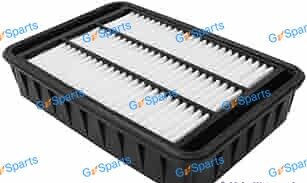
Powerful, Dust-Crushing Upgrade — Genuine Mitsubishi Air Filter Other OEM / Aftermarket G-Sparts 2025
Mitsubishi Air Filter Other OEM / Aftermarket listings – Lancer, Outlander, Outlander Sport, ASX/RVR, Mirage, Outlander PHEV (2012–2025) delivers high-capture, low-restriction intake filtration tailored to popular Mitsubishi platforms. Precision-pleated media traps fine dust and pollen while preserving airflow for smooth throttle and efficient combustion. OE-accurate frames and seals help prevent bypass dirt that can skew sensors, and rugged materials resist heat and humidity across daily cycles. Choose from reputable brands to match budget and performance goals, including long-life and performance options. Verify fitment by VIN or airbox code, then replace at factory intervals—earlier in dusty regions—to sustain fuel economy, reduce induction noise, and keep your Mitsubishi driving confident.
Did you like this product? Add to favorites now and follow the product.

(+86) 180 07 12 47 38 WhatsApp, Telegram, WeChat
Description
The Mitsubishi Air Filter Other OEM / Aftermarket listings is precision-designed for compatibility with Lancer, Outlander, Outlander Sport, ASX/RVR, Mirage, Outlander PHEV (2012–2025). It ensures clean airflow to the engine, enhancing fuel economy and performance while extending engine life. Manufactured with durable pleated paper media, it captures dirt and debris efficiently. Engineered to meet OEM specifications, its size is Panel pleated paper, typical height ~50 mm, ensuring a perfect fit. Cross-compatible with Mitsubishi Genuine, K&N, Fram, Bosch, etc.. Recommended replacement intervals follow Mitsubishi’s official service guidelines. Notes: Confirm OEM part stamped on airbox lid or filter; VIN & trim essential.
Overview and Purpose
A clean, predictable intake path protects drivability, efficiency, and long-term reliability across Mitsubishi platforms. The panel element at the heart of that system must balance capture efficiency with low restriction so fuel trims and throttle feel remain stable in daily use. Replacing on time restores the baseline your ECU expects, reducing nuisance diagnostics and preserving catalytic converter happiness. For broad catalog shoppers mixing genuine and branded aftermarket, Mitsubishi Air Filter Other OEM is the organizing term for fit-first options that still respect factory geometry. Choose a source that documents media quality, frame rigidity, and gasket compliance; done right, Mitsubishi Air Filter Other OEM makes maintenance feel invisible—quiet, linear, and confidence-inspiring.
Fitment Scope and VIN Confirmation
Coverage spans Lancer, Outlander, Outlander Sport, ASX/RVR, Mirage, and Outlander PHEV over multiple generations. Airbox shapes, latch spacing, and snorkel heights can shift with year, trim, and market, so confirm via VIN and compare tray rails before purchase. A correct match seats flat without bowing, and latches snap closed without force. That even compression prevents unmetered air bypass that upsets mass-airflow readings. When the listing refers to Mitsubishi Air Filter Other OEM, expect cross-referenced part codes and dimensionally consistent frames that mirror factory intent. After installation, a quick idle check and short drive verify sealed behavior and steady tip-in—simple steps that protect your sensors and keep the intake’s acoustic character calm and unobtrusive.
Platform Nuances and PHEV Considerations
Electrified trims often alter under-hood packaging, ribbing, or harness routing to manage noise and cooling, which can subtly change clamping patterns. Before closing the lid, ensure no loom sits between the rim and tray, and confirm the hinge towers are true if the car has seen bodywork. Listings that aggregate compatible choices under Mitsubishi Air Filter Other OEM should still show photos and dimensions; compare corner radii and rail width to your housing. If you test-close the lid and feel resistance, reassess orientation or part selection. When the correct Mitsubishi Air Filter Other OEM is used, transitions between EV assist and engine torque stay seamless, because airflow remains within the calibration window the ECU anticipates during quick demand spikes.
Construction, Media, and Pleat Geometry
Paper isn’t just paper. Depth-loading media with controlled resin impregnation lets fines embed within the fiber bed, delaying surface blinding and the steep rise in restriction that follows. Pleat height, count, and spacing govern effective area and airflow uniformity, while a stiff frame prevents crown collapse that would funnel dust into hot spots. Gasket hardness must compress to seal yet rebound after heat soak. Reputable Mitsubishi Air Filter Other OEM lines publish these design choices because stable restriction across the interval is what owners actually feel. When geometry mirrors the airbox diffuser and snorkel, turbulence drops before the throttle blade, preserving that smooth, “invisible” intake behavior that defines a well-maintained daily driver.
Dimensions, Tolerances, and Seating Behavior
Most panels hover around a familiar height and footprint, but tiny variances determine whether the lid closes squarely. A fraction too tall can bow the cover; too short invites corner lift under vibration. Corner radii, rail thickness, and foam density all matter. Accurate Mitsubishi Air Filter Other OEM cataloging includes measurements you can compare to the tray with a ruler and a quick photo. During install, feel for even latch engagement and watch the gasket line—no ripples, no pinches. If the lid settles naturally and the cover line sits flush, you’ve preserved the seal that keeps dust out and noise down. Done correctly, Mitsubishi Air Filter Other OEM becomes a five-minute win with long-term dividends.
Airflow Stability and Pressure Drop in Daily Use
Drivers sense restriction as muted tip-in, extra pedal during merges, or a subtle reluctance on grades. As a filter loads, differential pressure rises; the ECU compensates, but transient torque softens and pumping losses climb. Returning to baseline airflow makes the car feel “right” again without any performance theatrics. A well-chosen Mitsubishi Air Filter Other OEM maintains pleat integrity so restriction growth is gradual, delaying the point where drivability changes become noticeable. That steadiness also keeps boost-like demand spikes (from downshifts or heavy A/C loads) from exposing turbulence in the duct. The result is confidence you can feel: consistent passing behavior, stable cruise, and fewer mysteries for technicians to chase later.
Filtration Efficiency Across Real-World Dust
Engines inhale a spectrum—from coarse grit and road dust to soot and pollen. Depth-loading designs capture fines inside the matrix while leaving upstream pores open, slowing the curve of pressure rise. Cleaner induction reduces sensor fouling and keeps long- and short-term fuel trims from drifting. In practice, that means fewer hesitations and less midrange wavering during rolling passes. When a catalog groups multiple makes under Mitsubishi Air Filter Other OEM, look for media claims tied to standardized tests, not only marketing adjectives. A balanced element protects throttle plates and extends MAF clarity, helping the powertrain meet emissions expectations through seasons marked by construction detours, agricultural dust, and tree bloom surges.
Service Intervals and Condition-Based Timing
Manuals assume “average” roads, yet life includes gravel detours, winter sanding, spring pollen, and dusty job sites. A quick visual at oil-change cadence catches accelerated loading early. Check pleat valleys for matted dust that resists a gentle tap, and note any uneven darkening that hints at bypass. If a summer road trip, heat wave, or mountain drive is coming, refresh proactively. A fit-correct Mitsubishi Air Filter Other OEM is inexpensive insurance against sluggish climbs and unplanned diagnostics. Keep a spare stored flat in a dry cabinet so a five-minute swap is always an option. Condition-based logic beats rigid mileage alone and preserves that easygoing “nothing to report” feeling week after week.
Installation Workflow and First-Drive Validation
Preparation prevents headaches. Release every latch and mind hidden tabs; lift the lid carefully so harnesses aren’t stressed. Pull the old element straight up so grit doesn’t tumble downstream. Wipe the tray with a lint-free cloth, check the drain, and inspect corners for pebbles. Seat the new panel in correct orientation, verify even gasket contact, and close the cover without force. Start the engine and listen for whistle, then take a short loop to confirm steady idle and natural throttle. A well-fit Mitsubishi Air Filter Other OEM makes this process repeatable. Taking three extra minutes now saves an afternoon later by avoiding micro-gaps that mimic mechanical faults and trigger nuisance codes.
Sealing Integrity Through Heat, Humidity, and Splash
Under-hood parts see heat soak, humidity swings, and occasional splash. Foam that takes a permanent compression set or frames that warp create tiny leaks large enough to admit damaging dust. Moisture-resistant media and resilient perimeters keep geometry true through freeze-thaw cycles and short, damp commutes. After heavy rain or slush, a two-minute airbox check is cheap assurance. Quality Mitsubishi Air Filter Other OEM options balance compression with rebound so clamping force remains effective across seasons. Stored spares should remain flat and solvent-free to preserve properties until installation. These small habits, paired with a correct part, keep the intake quiet, airtight, and protective for the long haul.
OEM-Spec Versus Branded Aftermarket Choices
Look-alike panels sometimes cut pleats, loosen tolerances, or harden foams to save cost. They may pass a bench fit, then deform in service, raising restriction unevenly and creating whistles that drivers mistake for belt or bearing issues. You want stability across the interval—not only day-one numbers. Reputable Mitsubishi Air Filter Other OEM suppliers publish dimensional drawings, media specs, and test curves. When geometry mirrors your airbox, latches close squarely and the cover line stays flush. Over months, that translates to steadier trims, cleaner sensors, and fewer “mystery driveability” visits. Paying for predictable sealing and pressure behavior usually costs less than chasing symptoms created by marginal components.
Fuel Economy, Emissions, and Catalyst Harmony
Accurately metered air keeps combustion near intended targets, where catalysts work best. As restriction climbs, compensations can add subtle hesitation and cumulative consumption creep. A fresh panel resets airflow to design intent, smoothing transitions during hot restarts and urban stop-go. Don’t expect dramatic mpg swings—expect repeatable consistency. Choosing a correctly dimensioned Mitsubishi Air Filter Other OEM helps the ECU avoid chasing turbulence and borderline flow, which reduces the chance of emissions warnings linked indirectly to airflow. The quiet payoff is predictability: stable cruise, cleaner tailpipes, and the absence of odd behavior that hints at intake anomalies rather than true hardware faults.
Intake Acoustics and Cabin Calm
Airbox resonance, snorkel length, and internal baffles define the vehicle’s subdued tone. Mis-seated panels, rippled foam, or bowed lids introduce flutter and whistle under load, which drivers often misread as mechanical wear. A precise Mitsubishi Air Filter Other OEM fit keeps airflow laminar into the throttle body, preserving that relaxed, premium character at highway speeds and during parking maneuvers. If a new tone appears after service, recheck seating, orientation, and latch engagement first. Restoring perfect contact almost always restores quiet. Good filtration isn’t only about capture; it’s also about respecting the acoustic tuning engineers built into the housing so every mile sounds as composed as it feels.
Cross-References, Brands, and Sourcing Confidence
Catalogs list Mitsubishi Genuine alongside K&N, Fram, Bosch, and others. Cross numbers are helpful, but they’re not substitutes for measuring tray depth and validating VIN coverage. Inspect the shipped part for clean adhesive lines, uniform pleats, and undamaged corners. Reputable Mitsubishi Air Filter Other OEM vendors back orders with documentation and responsive exchanges. Keep receipts and log install dates for warranty conversations and resale confidence. Once a given brand proves cooperative geometry in your housing, reorders become routine rather than risky. The goal is a process that takes minutes and never steals time from trips, errands, or shop schedules.
Data Sheets, Flow Curves, and Practical Meaning
Spec pages often cite initial restriction, collapse strength, and flow at specific pressure points. The real insight is how those curves evolve with dust loading and humidity. Depth-loading media spreads accumulation through the matrix so drivability fades slowly instead of abruptly. Owners who scan trims often see stabilization after replacement—proof that the intake returned to the calibration window. A trustworthy Mitsubishi Air Filter Other OEM will show smooth restriction growth and maintain dimensional integrity under pulsating demand. That translates to mundane but valuable results: predictable merges, steady hill climbs, and consistent responses that keep the car from feeling “tired” between official interval milestones.
Synergy with Related Maintenance Items
Filtration is one link in a chain alongside PCV health, clean throttle plates, elastic hoses, and snug clamps. Coordinating these checks minimizes repeated disassembly and preserves hardware. Replace the panel, inspect couplers for splits, verify clamp torque, and peek at throttle cleanliness in one visit. With a fit-correct Mitsubishi Air Filter Other OEM in place, intake variability disappears from the troubleshooting narrative, freeing attention for fluids, spark, and software updates. That holistic cadence reduces cumulative wear and keeps idle quality, tip-in, and cruise behavior pleasantly forgettable—in the best way. Reliability often looks like “nothing happened,” because the fundamentals were handled before symptoms appeared.
Driving Profiles and Interval Tuning by Environment
Short urban trips saturate media with fine particulate without the long, steady flow that sheds coarse grit. Highway commuters see smoother loading but may inhale construction dust or crosswinds. Light dirt-road detours add bursts of debris that settle deep in pleat valleys. Let route reality inform timing. If your patterns shift—or pollen and dust spike—pull inspection forward and decide based on condition. Swapping in a cooperative Mitsubishi Air Filter Other OEM before demanding weeks keeps trims centered and throttle linear. That small decision prevents the creeping fatigue drivers feel when borderline restriction forces constant throttle adjustments during commutes, errands, and weekend miles.
Cold Weather, Humidity, and Condensation Cycles
Dense winter air increases mass flow at modest throttle angles, magnifying the sensation of restriction when a panel is overdue. Short cold trips also create condensation cycles that can ripple weak media and stress marginal seals. Clear drains prevent pooling after slush or heavy rain. Geometry that remains true through freeze-thaw keeps perimeter contact and blocks bypass. A correctly seated Mitsubishi Air Filter Other OEM sustains smooth cold starts, gentle warm-ups, and quiet induction. If you pass through deep puddles or pressure-wash the bay, pop the lid for a quick look. Two minutes of diligence now avoids weeks of subtle drivability annoyance rooted in moisture-distorted elements.
Diagnostics, Codes, and Airflow Integrity
When hesitation, rough idle, or odd trims appear, removing airflow ambiguity makes diagnosis efficient. A fresh, seated panel restores baseline so you can evaluate couplers, clamps, and MAF cleanliness with confidence. Many owners log grams-per-second before and after to visualize improvements. Standardizing on a well-documented Mitsubishi Air Filter Other OEM narrows the diagnostic tree and discourages parts-shotgunning. If warnings persist, smoke-test for vacuum leaks and verify PCV routing—airflow is a system, not a single part. Getting the intake variable out of the way lets the powertrain control logic work as designed and focuses troubleshooting where it belongs.
Environmental Responsibility and Waste Reduction
Good maintenance includes responsible end-of-life handling. Don’t blast used panels with compressed air—fibers rupture and efficiency plummets, risking accidental reuse. Follow local disposal guidance; some centers recover paper and metal fractions. Store new elements flat, sealed, and away from solvents that can soften gaskets. Clean install surfaces and careful seating reduce rework, saving materials and time. Choosing a reputable Mitsubishi Air Filter Other OEM discourages counterfeit channels that sidestep environmental standards. The payoff is a steadier maintenance rhythm with fewer do-overs—quiet stewardship that aligns with dependable vehicle care without adding complexity to your routine.
Total Cost of Ownership and Predictability
Cheap panels that whistle, deform, or dirty sensors become expensive fast. Stability has tangible value: predictable trims, linear torque, minimal cabin noise, and fewer shop visits. A dimensionally honest Mitsubishi Air Filter Other OEM keeps airflow aligned with calibration and preserves the airbox’s acoustic tuning. Fleets benefit from synchronized intervals and simplified bins; individuals enjoy a vehicle that feels “sorted” most of the time. Predictability is the product: a car that starts, idles, merges, and cruises exactly as expected, season after season. Paying once for correctness costs less than chasing symptoms spawned by inconsistent breathing and marginal sealing.
Owner Experience and Everyday Confidence
Most drivers notice the absence of problems rather than headline gains: cleaner tip-in, steadier cruise, and fewer midrange flat spots on rolling passes. That calm competence means sensors see what the ECU expects, without turbulence or creeping restriction. With a well-fitted Mitsubishi Air Filter Other OEM in place, the car presents as composed and ready—equally at home in errands, commutes, or weekend loops. Pair disciplined filtration with correct tire pressures and timely oil service, and the powertrain’s personality remains relaxed and responsive. Reliability is a chain of small, correct decisions, and the intake element is one of the strongest links because it prevents issues before they masquerade as something bigger.
Receiving Inspection, Storage, and Shelf Practices
Before install day, inspect the shipment: no crushed corners, pleat waves, or adhesive overflow near the gasket. A quality panel drops into the tray without force and the lid closes squarely with every latch engaged. Keep documentation until fit is confirmed, then log date, mileage, and conditions. Store spares flat, dry, and labeled by platform to prevent mix-ups in busy seasons. Reordering the same Mitsubishi Air Filter Other OEM that already proved cooperative turns intake service into a predictable habit rather than a gamble. When the intake variable is consistently correct, technicians and owners can focus on higher-leverage checks that actually extend service life.
DIY Versus Professional Service Considerations
Shops value predictability; DIY owners value clarity and speed. The shared goal is a quick, clean install with zero callbacks. Orientation marks, cooperative gasket compression, and lids that close without theatrics make the difference. A reliable Mitsubishi Air Filter Other OEM helps both paths: techs use saved minutes for hose and belt checks, while DIYers gain confidence from repeatable outcomes. Mitsubishi Air Filter Other OEM. Document intervals and environment to replace for cause, not guesswork. With the intake side stabilized, the rest of the vehicle can shine—brakes feel consistent, ride quality stays calm, and the car presents as quietly excellent instead of unpredictably “off.”
Trip Readiness and Demanding Routes
Long grades, summer heat, and heavy cargo stress cooling and intake systems simultaneously. Removing avoidable restriction beforehand is the simplest reliability upgrade. Installing a fresh Mitsubishi Air Filter Other OEM keeps trims tight during extended climbs and reduces the chance that borderline airflow becomes obvious far from home. Verify tire pressures, coolant level, and oil freshness, then take a short shakedown to confirm quiet, consistent response. After dusty detours, schedule a quick post-trip inspection. That small routine maintains an effortless driving envelope where the vehicle remains composed and comfortable, regardless of route, weather, or traffic.
Key Takeaways and Next Steps
Precision-matched filtration is foundational, not optional. A correctly seated panel keeps airflow inside the ECU’s sweet spot, preserving drivability, efficiency, and component life. If hesitation, whistle, or drifting trims appear, verify the airbox seal and element first, then refresh with a fit-verified Mitsubishi Air Filter Other OEM. From there, align intervals with your environment, keep brief notes, and pair intake care with sensible checks of hoses, sensors, and fluids. The payoff is a car that feels consistently composed—exactly what dependable ownership should deliver—because a small, well-chosen part is doing quiet, critical work every mile.
External Resources (Authoritative)
- Engine Air Filter — Wikipedia
- Honda Genuine Parts – Air Filters
- Toyota Genuine Engine Air Filters
- Bosch Automotive – Engine Air Filters
- MANN-FILTER – Engine Air Filters
- MAHLE Aftermarket – Air Filters
- K&N Performance Air Filters
- SAE International – Engine Air Filter Papers
Internal Links — G-Sparts Air Filters
Related products


Genuine Toyota Front Brake Pad Kit 04465-0E010 – Highlander (2010–2019) / Sienna (2011–2020) | Quiet Confidence, OE Fit, Long-Life Value
Original price was: $88.00.$75.00Current price is: $75.00.

G-SPARTS – Leading Auto Parts Supplier Since 2009
Trusted by 1000+ Clients Worldwide | Chinese (BYD, Geely, Chery, …), Japanese (Toyota, Honda, Nissan, …), European (BMW, Mercedes, VW, …) & American (Ford, Chevrolet, Tesla, …) Car Spares | Best Prices & OEM Quality | 15+ Years Expertise | Professional Team, Fast Global Shipping
Copyright 2025 © G-Sparts All Rights Reserved. | Premium Chinese Auto Parts Supplier – Worldwide Shipping | Best Prices on OEM & Aftermarket Spares

Reviews
There are no reviews yet.