
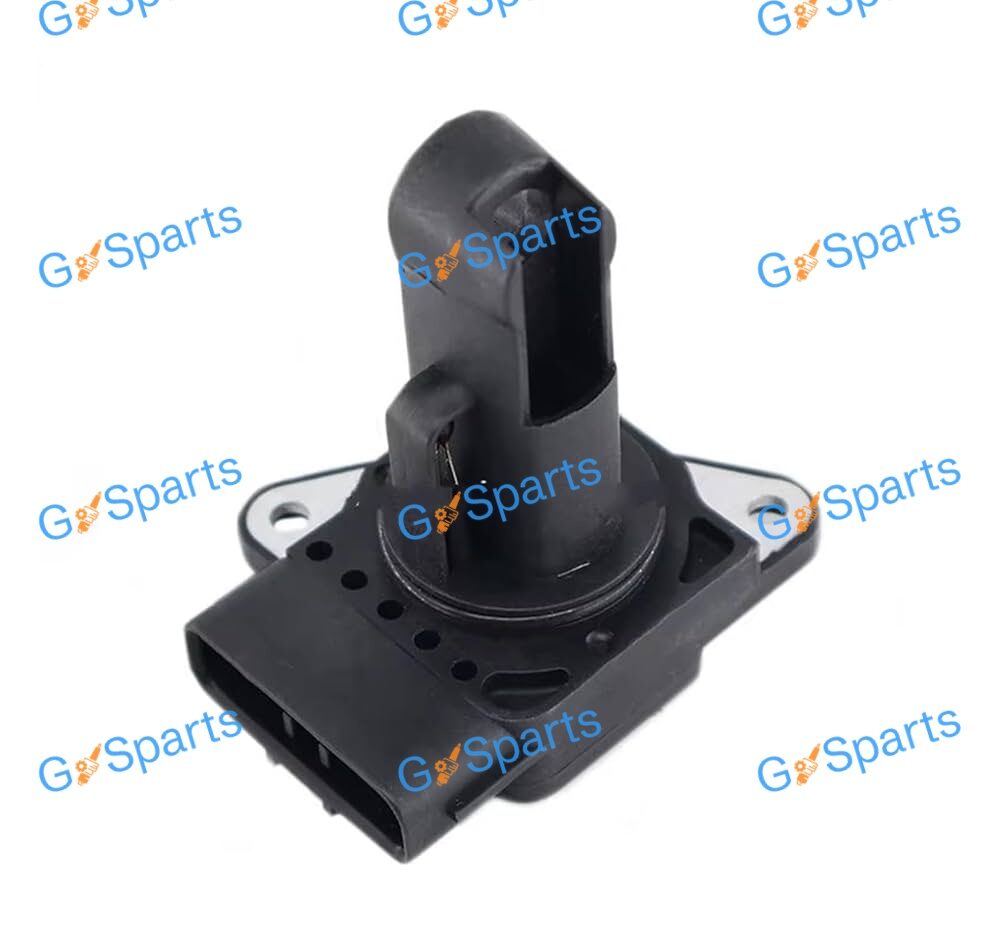
Genuine Mitsubishi MAF Sensor 1525A016 – 2007–2025 Mitsubishi L200, Pajero IV
MAF Sensor for 2007–2025 Mitsubishi L200, Pajero IV. OEM 1525A016 with 5-pin connector, hot-wire type for precise airflow measurement and stable idle.
Did you like this product? Add to favorites now and follow the product.

(+86) 180 07 12 47 38 WhatsApp, Telegram, WeChat
Description
Restore correct fueling on your 2007–2025 Mitsubishi L200, Pajero IV with this OEM‑equivalent Mass Air Flow (MAF) sensor (Part 1525A016). The 5-pin connector, hot-wire type hot‑wire element delivers accurate intake airflow data to the ECU to maintain proper fuel trims, reduce emissions, and improve throttle response. Trusted aftermarket coverage includes Mitsubishi, Bosch, Denso. Verify with VIN for exact fitment. Always confirm by VIN, connector style, and pin configuration before ordering.
Precision Airflow: Why Accurate Metering Matters for Reliability
Modern engine management lives or dies by the accuracy of its air-intake data. When airflow is measured correctly, the ECU can calculate fuel delivery, ignition timing, and transmission shift strategy with confidence, delivering smooth drivability and clean emissions. A degraded or contaminated meter skews mixture, causing hesitation, sulfur smells, and premature catalytic converter wear. That’s where the Mitsubishi MAF Sensor 1525A016 steps in, restoring proper air-mass measurement so your engine breathes as designed. Installing a trustworthy unit reduces long-term operating cost and keeps adaptive trims centered, which prevents the ECU from fighting bad data.
Fitment Confidence: Matching Platforms, Engines, and Build Nuances
Selecting the right meter means confirming model year spans, engine codes, and intake layouts, because even small packaging differences can change connector orientation and housing diameter. Start with VIN-level research and verify plug shape, pin count, and gasket style against your existing part. The Mitsubishi MAF Sensor 1525A016 is engineered to align with factory harness lengths and airbox geometry, minimizing strain on wiring and ensuring the sensing element sits precisely in the airflow path. A correct mechanical fit prevents false turbulence that can corrupt readings. When you pair proper fitment with sound intake plumbing—no collapsed ducts, missing clamps, or warped airbox lids—you sidestep repeat diagnostics and protect downstream components such as turbochargers and catalytic substrates.
Recognizing Trouble: Symptoms That Point to Air-Metering Faults
If your dashboard shows a check-engine light tied to mixture faults, or you experience rough idle after warm-up, sluggish throttle response, flat spots under light load, and unexpected fuel economy swings, the airflow meter deserves attention. The Mitsubishi MAF Sensor 1525A016 provides the baseline data the ECU expects, so a failing or dirty meter can nudge fuel trims high, invite misfire codes, and cause overly rich operation that blackens tailpipes. Drivers often report jerky shifts in automatic gearboxes because load estimation is wrong. You may also smell raw fuel after cold starts or notice hunting idle when accessories engage.
Inside the Tech: Hot-Wire Principles and Signal Integrity
A modern hot-wire meter maintains a heated element at a temperature offset above incoming air; as air mass rises, it cools the element, demanding more current to hold the setpoint. The control circuit translates that current into a clean voltage or frequency signal for the ECU. Because of this tight coupling between physics and electronics, the Mitsubishi MAF Sensor 1525A016 is calibrated for specific duct geometry to avoid swirl and separation. That is why using the Mitsubishi MAF Sensor 1525A016 in the correct housing matters so much. The sensor’s thermistor tracks intake air temperature for density correction, while internal compensation resists drift from battery voltage fluctuations.
Smart Diagnosis: Reading Data Instead of Guessing at Parts
Good diagnostics rely on evidence. Before replacing components, examine short- and long-term fuel trims, observe grams-per-second airflow at hot idle, and compare load values during steady cruise. A healthy measurement device will produce repeatable readings and respond instantly to throttle changes. The Mitsubishi MAF Sensor 1525A016 gives the ECU the reference it expects; when the numbers are off, it’s vital to confirm intake leaks, clogged filters, or exhaust restrictions that can mimic metering faults. Use non-intrusive tests such as smoke evaluation for unmetered air and verify connector integrity. Swapping in a verified-good unit should bring trims toward center and quiet nuisance codes, proving the root cause without replacing a shopping list of parts.
Prep Work Done Right: Tools, Safety, and Work Area Setup
Preparation is the difference between a flawless install and an avoidable comeback. Park on a level surface, let the engine cool, and gather gloves, a drive-size ratchet, appropriate sockets, a torque wrench, and a non-residue electronics cleaner. Disconnect the battery’s negative terminal if your platform’s service information calls for it, and protect the intake from debris while the duct is open. The Mitsubishi MAF Sensor 1525A016 ships ready for direct replacement; avoid touching the sensing element and never spray cleaners through the new unit. Check the air filter and the ducting for tears, hardened couplers, or missing clamps that would admit unmetered air. Meticulous preparation prevents contamination and ensures the new part starts its service life under ideal conditions.
Hassle-Free Installation: Orientation, Sealing, and Final Checks
Begin by loosening the intake clamps, removing any resonator fasteners, and unplugging the harness tab by pressing its lock rather than yanking the wire. Transfer any O-rings or seals if the new unit does not include them, inspecting for cracks that would undermine airtightness. Position the new meter with the airflow arrow pointed toward the throttle body, then seat the duct evenly and tighten clamps until snug, avoiding distortion of plastic necks. Plug the connector until you feel a positive click and route the loom away from sharp edges. The Mitsubishi MAF Sensor 1525A016 should sit without stress or twist in the housing.
Relearn and Calibration: Helping the ECU Trust Fresh Data
Engine controllers adapt over time, so giving them a clean slate speeds results. After installing the Mitsubishi MAF Sensor 1525A016, clear learned trims if your platform allows, then perform a controlled drive that includes idle, gentle acceleration, light cruise, and a few moderate pulls to midrange. This pattern teaches the computer the signature of the Mitsubishi MAF Sensor 1525A016 under varied loads. Keep the intake closed, avoid spirited launches, and let the engine reach full operating temperature. Within a short adaptation window, trims should settle and throttle transitions should feel effortless. If your vehicle requires a specific idle relearn procedure, follow it precisely; skipping steps can leave the engine hunting or the transmission confused about true load.
Power and MPG: The Real-World Gains of Correct Air Data
When airflow is measured correctly, fueling tightens, spark timing stabilizes, and torque arrives earlier in the rev range. Drivers feel this as stronger tip-in, steadier cruise, and fewer downshifts on hills. The Mitsubishi MAF Sensor 1525A016 plays a quiet but essential role here by restoring the ECU’s confidence in load. With trims near center, catalytic converters run cooler, oxygen sensors age more gracefully, and evaporative systems avoid over-rich events that can trip monitors. Over long ownership, these benefits compound into cleaner oil, fewer misfire counters, and consistently better mileage. It’s not magic; it’s physics and software working together because the foundational airflow number is finally right again.
Built to Last: Materials, Coatings, and Quality Assurance
Sensor longevity depends on the stability of its hot-wire element, the precision of its control electronics, and how well its body resists heat cycling and under-hood contaminants. The Mitsubishi MAF Sensor 1525A016 is manufactured with tight tolerances to maintain calibration through thousands of heat cycles. Robust solder joints resist vibration, while the housing maintains dimensional accuracy so the sensing bridge sits where laminar flow is most predictable. Protective grids temper incoming pulses without adding restriction, and conformal coatings help shield circuitry from moisture. Pair that with an air filter change interval tailored to dusty climates, and you create the conditions for years of consistent signal quality.
OEM vs. Aftermarket: Choosing the Right Balance for Your Goals
There’s a spectrum between budget replacements and premium, OE-spec components, and the optimal choice depends on how you use your vehicle. Daily commuters, fleet operators, and drivers who value durability tend to prefer OE-grade pieces for their repeatable calibration. The Mitsubishi MAF Sensor 1525A016 aligns with that philosophy by emphasizing stable output that matches factory tables. Enthusiasts with highly modified intakes might prioritize tunability or removable housings, but even then, a known-good baseline is vital before chasing performance gains. Reliability isn’t just about avoiding breakdowns; it’s also about saving time otherwise spent diagnosing drivability ghosts that are rooted in marginal airflow data.
Part Number Clarity: Cross-References and Catalog Accuracy
Cataloging can be messy, with supersessions, market-specific listings, and different housings that share connectors but not flow characteristics. Treat the part number as your anchor and verify any substitutes against credible data. The Mitsubishi MAF Sensor 1525A016 is widely recognized in service literature, but regional packaging may differ, and some catalogs group it with assemblies that include the airbox cap. When comparing options, confirm the sensing element’s calibration rather than relying only on appearance. If in doubt, ask for dimensional drawings or housing ID to ensure the duct’s cross-section matches your application. When you choose the Mitsubishi MAF Sensor 1525A016 confidently, you remove uncertainty that can derail an otherwise simple repair.
Buy Smart: Avoiding Counterfeits and Questionable Remans
Counterfeit electronics often mimic housings and labels while cutting corners on the element and control circuitry, leading to unstable signals and premature failures. Protect yourself by purchasing from reputable sources that offer verifiable provenance, tamper-evident packaging, and clear return policies. The Mitsubishi MAF Sensor 1525A016 should arrive with intact protective caps, pristine connector pins, and no residue on the sensing bridge. Be wary of units that appear polished, carry mismatched fonts, or include generic paperwork. For remanufactured options, confirm that the refurbisher replaces the sensing element, not just cleans it, and that each unit is flow-bench tested against a known standard. Solid documentation is your ally against wasted labor.
Preventive Care: Keep the Intake Clean and Airtight
The best meter in the world cannot overcome a leaky or contaminated intake. Replace filters on schedule, especially if you drive in dusty areas, and ensure the airbox seals evenly all around its perimeter. If you use an oiled performance element, follow the oiling instructions meticulously and let it cure fully before installation to avoid mist reaching the sensing element. The Mitsubishi MAF Sensor 1525A016 thrives in a clean, laminar stream, so inspect couplers for cracks, replace brittle clamps, and secure PCV lines that can collapse under vacuum. Periodically check for rodent nests or leaves in the snorkel. Small housekeeping habits pay big dividends in signal stability.
After the Swap: What to Do If the Light Comes Back
Occasionally, a post-install warning lamp returns, but that doesn’t automatically implicate the new part. Recheck clamp positions, verify the airbox lid is seated, and confirm no hoses were left unplugged. Scan for codes and compare live data to baseline values recorded before the repair. The Mitsubishi MAF Sensor 1525A016 should quickly settle trims after a short adaptation drive. If it doesn’t, look for exhaust leaks upstream of oxygen sensors, vacuum leaks at brake boosters or purge plumbing, and oddities like sticking EGR valves that tilt mixture. Only after verifying the environment is healthy should you suspect the replacement component. Methodical steps prevent unnecessary parts swapping.
Reading the Numbers: Turning Data Streams into Insight
Live data is your friend. At warm idle with accessories off, airflow values should remain steady, and during gentle cruise, they should track load predictably without oscillation. Snap-throttle tests should show crisp rises and smooth returns. If the pattern is noisy or laggy, investigate wiring integrity, grounds, and intake turbulence. The Mitsubishi MAF Sensor 1525A016 is designed to produce a clean, monotonic signal the ECU can trust. When you overlay airflow against throttle position and rpm, correlations reveal leaks and restrictions you might otherwise miss. Pair this with oxygen sensor feedback to confirm mixture control is stable. Solid interpretation saves hours of parts darts and guesswork.
Mod-Friendly Planning: Intakes, Tunes, and Realistic Expectations
Performance intakes can work beautifully when designed around factory calibrations, but they can also introduce swirl, heat soak, and resonance that confuse metering. If you’ve altered duct length, diameter, or filter placement, be prepared to revise tune tables so the ECU’s inferred load matches reality. Start from a stable baseline by confirming the health of the Mitsubishi MAF Sensor 1525A016, then consult a tuner who understands airflow modeling, not just fuel targets. In many builds, a well-sealed factory-style intake with a high-flow panel filter outperforms flashy cones by delivering cooler, steadier air. Balance the look you want with the data your ECU needs to stay happy.
Operating Conditions: Weather, Altitude, and Fuel Quality
Air density changes with temperature and barometric pressure, which is why modern controllers constantly adapt. However, rapid swings in humidity or heat soak after a long idle can skew transient response if the intake layout encourages hot recirculation. The Mitsubishi MAF Sensor 1525A016 reports both mass flow and inlet temperature to help the ECU normalize fueling, but the surrounding hardware still matters. Use intact splash shields, avoid missing under-trays, and route aftermarket ducting away from radiant exhaust heat. Fuel quality also plays a role; inconsistent volatility can amplify drivability issues that are wrongly blamed on the meter. Approach diagnostics holistically to keep your system balanced.
Peace of Mind: Warranty Coverage and Helpful Support
Trustworthy components are backed by clear policies and reachable humans. Look for suppliers who publish installation guidance, relearn steps, and troubleshooting trees alongside their products. When you purchase the Mitsubishi MAF Sensor 1525A016 from a reputable source, you gain the assurance that defects will be addressed and advice is available if your platform has quirks. Keep your receipt, record pre- and post-install data snapshots, and document any companion repairs you performed. Organized records speed resolution should you need assistance, and they also help you or the next owner understand the vehicle’s service history.
For Pros and Fleets: Standardizing Parts to Reduce Downtime
Shops and fleet managers benefit from parts standardization, training techs on one proven component so workflows are consistent across vehicles. Stocking the Mitsubishi MAF Sensor 1525A016 in sensible quantities shortens cycle time when a vehicle arrives with mixture complaints. It also lets you build a data library around how the Mitsubishi MAF Sensor 1525A016 behaves on your routes and climates, sharpening your diagnostic instincts. Bundle installs with intake inspections and filter replacements so each ticket closes cleanly. Track comebacks, attach baseline logs to work orders, and you’ll quickly see pattern failures unrelated to the meter—like brittle couplers—that you can preempt during routine maintenance.
Value Equation: Price, Total Cost, and Long-Term Payoff
A bargain is only a bargain if it performs today and keeps performing tomorrow. The headline price of a meter is just one piece of the puzzle; factor in technician time, vehicle downtime, fuel economy shifts, and the risk of collateral damage from incorrect fueling. The Mitsubishi MAF Sensor 1525A016 earns its keep by delivering stable readings that align with factory expectations, minimizing repeat diagnostics. When your load model is right, transmission life improves, catalytic converters live longer, and owner satisfaction climbs. Over the horizon of years, the cost difference between grades of parts often vanishes compared to the savings from reliable operation.
Shipping and Handling: Protecting Sensitive Electronics in Transit
Airflow meters are precise instruments, and careless packaging can compromise them before they’re even installed. Look for sturdy cartons, internal bracing, and caps that shield the sensing bridge from dust. Avoid carriers known for rough handling during extreme weather. Upon delivery, inspect the Mitsubishi MAF Sensor 1525A016 for broken tabs, bent pins, or missing seals before you sign off. Store the unit in a clean, dry space away from solvents until installation day. When returning a core or defective item, replicate the original packaging to preserve eligibility. A few minutes of attention prevents disappointment and keeps projects on schedule.
Answers First: Clearing Up Common Myths About Air Meters
One persistent myth is that any intake upgrade requires a new meter; in reality, many factory housings flow more than enough for moderate builds when kept airtight. Another myth says cleaning always fixes faults; while dust can cause issues, electrical drift and damaged elements cannot be washed back into calibration. The Mitsubishi MAF Sensor 1525A016 is designed for stability, but it still depends on sound plumbing and filters to do its best work. It’s also untrue that unplugging the meter for a test tells the whole story—limp strategies vary by platform and can mislead. Evidence-based diagnosis remains the gold standard.
Final Checks: Road Test, Verification, and Customer Hand-Off
Before calling any repair complete, validate results with a structured road test. Start with steady idle, evaluate gentle take-offs, then confirm smooth response through the middle of the rev range. Review trims, load, and oxygen sensor behavior to ensure the system is satisfied. If you’ve installed the Mitsubishi MAF Sensor 1525A016, you should see stable readings and a relaxed ECU. Provide the customer with your data snapshot and tips for intake maintenance so the fix lasts. Communication turns a part replacement into a confidence-building experience, and it reduces the chance of misattributed issues in the weeks that follow.
Your Next Step: Confident Purchase and Long-Term Care
You now understand how accurate airflow data underpins everything from throttle feel to emissions longevity, and how careful installation and maintenance preserve that edge. Choosing the Mitsubishi MAF Sensor 1525A016 gives you a calibrated baseline you can trust, whether you commute daily or manage a busy service bay. Pair the Mitsubishi MAF Sensor 1525A016 with a clean filter, sealed ducting, and a brief relearn drive, and you’ll lock in stable trims, crisp response, and fewer surprises. Mitsubishi MAF Sensor 1525A016 If you’re ready to restore confidence in your engine management, select a reputable supplier, verify fitment, and enjoy the quiet satisfaction of a job done right.
External Links (MAF Sensor Education & References)
Internal Links (Keep Users on G-Sparts)
Related products



G-SPARTS – Leading Auto Parts Supplier Since 2009
Trusted by 1000+ Clients Worldwide | Chinese (BYD, Geely, Chery, …), Japanese (Toyota, Honda, Nissan, …), European (BMW, Mercedes, VW, …) & American (Ford, Chevrolet, Tesla, …) Car Spares | Best Prices & OEM Quality | 15+ Years Expertise | Professional Team, Fast Global Shipping
Copyright 2025 © G-Sparts All Rights Reserved. | Premium Chinese Auto Parts Supplier – Worldwide Shipping | Best Prices on OEM & Aftermarket Spares

Reviews
There are no reviews yet.