
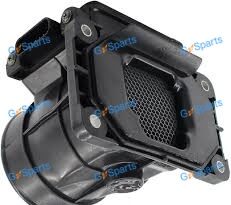
Genuine Mitsubishi MAF Sensor MD343605 – 1997–2007 Mitsubishi Mirage, Lancer, Montero
MAF Sensor for 1997–2007 Mitsubishi Mirage, Lancer, Montero. OEM MD343605 with 5-pin connector, hot-wire type for precise airflow measurement and stable idle.
Did you like this product? Add to favorites now and follow the product.

(+86) 180 07 12 47 38 WhatsApp, Telegram, WeChat
Description
Restore correct fueling on your 1997–2007 Mitsubishi Mirage, Lancer, Montero with this OEM‑equivalent Mass Air Flow (MAF) sensor (Part MD343605). The 5-pin connector, hot-wire type hot‑wire element delivers accurate intake airflow data to the ECU to maintain proper fuel trims, reduce emissions, and improve throttle response. Trusted aftermarket coverage includes Mitsubishi, Bosch, Denso. Widely used across various Mitsubishi models; ensure compatibility with your specific vehicle. Always confirm by VIN, connector style, and pin configuration before ordering.
Overview: why this guide exists and who should read it
This guide is a practical resource for technicians, parts buyers, and DIY enthusiasts who need reliable information about the Mitsubishi MAF Sensor MD343605. The mass air flow (MAF) sensor plays a central role in engine management by measuring the mass of intake air so the ECU can balance fuel delivery and emissions control. Replacing or testing this sensor correctly prevents rough idle, poor fuel economy, and drivability issues that often prompt repeated shop visits. The content is structured to move from fundamentals to advanced diagnostics and commercial considerations so both novices and pros get value. mitsubishi.oempartsonline.com+1
Core function: how the MAF sensor measures airflow and affects engine control
At its core, the Mitsubishi MAF Sensor MD343605 quantifies the amount of air entering the intake tract and converts that measurement into an electrical signal for the engine control unit (ECU). The ECU relies on this input, together with temperature and oxygen sensor data, to calculate the correct fuel injection duration and maintain optimal air-fuel ratios under varying loads and throttle positions. When the MAF sensor gives incorrect readings—due to contamination, wiring faults, or internal failure—the ECU’s fueling calculations become inaccurate and symptoms like stumbling, hesitation, and rich or lean conditions can follow. Understanding this data path clarifies why precise electrical characteristics and clean air passages are essential for engine performance.
Symptom recognition: common drivability issues that point to the MAF sensor
Drivers and technicians often detect MAF sensor problems via a characteristic set of symptoms: rough idle, stalling after startup, poor throttle response, decreased fuel economy, and sometimes an illuminated check engine light with related diagnostic trouble codes. Because the Mitsubishi MAF Sensor MD343605 directly affects fueling logic, these symptoms can look like other issues (vacuum leaks, fuel pressure problems, or faulty oxygen sensors), so disciplined diagnostics are necessary to avoid unnecessary parts swaps. Spotting the pattern and correlating it with data from a scan tool (live air flow readings, long-term fuel trim data) helps decide whether the MAF sensor is truly the root cause.
Quick-scanner workflow: first checks before removing the sensor
When a vehicle arrives showing symptoms that might implicate the Mitsubishi MAF Sensor MD343605, start with a scan for stored trouble codes and observe live MAF readings at idle and under light throttle. Check long-term and short-term fuel trims for clues: large, persistent trims often indicate incorrect airflow measurement. Perform a visual inspection of the MAF housing for oil, dust, or debris. Verify vacuum lines and intake tract seals because unmetered air will mask as MAF problems. These quick checks reduce the chance of replacing a sensor unnecessarily and make subsequent electrical tests more targeted.
Electrical testing basics: multimeter checks and connector inspection
Before ordering a replacement, test the Mitsubishi MAF Sensor MD343605 electrically. With the ignition on and engine off, measure power and ground at the MAF connector; confirm reference voltage and signal wire behavior while the engine cranks or idles. A multimeter resistance check across the sensor terminals—when specified by the manufacturer’s service data—helps detect open or shorted elements. Inspect the connector for bent pins, corrosion, or water ingress. Often a poor contact at the harness is the culprit, and cleaning or repairing the connector restores reliable signal flow without a sensor swap.
Live-data troubleshooting: interpreting MAF readings with a scan tool
Live data from a scan tool is one of the most valuable diagnostics for the Mitsubishi MAF Sensor MD343605. At idle, the MAF reading for a typical 4-cylinder engine will sit in a predictable range (specified per engine), and the reading should rise smoothly with throttle input. Erratic jumps, flatlined numbers, or readings that don’t correlate with throttle position indicate sensor problems or wiring faults. Comparing MAF values to expected ranges and cross-checking with throttle position and RPM data eliminates ambiguity. When possible, capture and save data logs to support warranty claims or to compare before-and-after repair behavior.
Oscilloscope testing: advanced waveform analysis for pros
For shops with an oscilloscope, waveform analysis of the Mitsubishi MAF Sensor MD343605 signal reveals details that a multimeter misses. Oscilloscopes show signal shape, noise, and transient behavior while the engine changes speed—allowing technicians to see if the sensor’s internal electronics are producing clean, consistent waveforms. Noise or irregularities often point to grounding issues, excessive electrical interference, or a partially failing sensor. While this tool requires skill to interpret, it reduces guesswork and is particularly effective on intermittent faults that do not present as obvious codes.
Visual inspection: cleaning and mechanical checks that often fix symptoms
Physical contamination is a frequent cause of MAF sensor misreading; oil-saturated air filters, crankcase ventilation oil, and road dust can coat the sensing element and alter airflow sensing characteristics. A careful visual inspection of the intake tube and the Mitsubishi MAF Sensor MD343605 housing will often reveal deposits that should be addressed. When cleaning is appropriate, use manufacturer-recommended MAF cleaner sprays and allow complete drying before reinstallation. Avoid abrasive cleaning or improvised solvents that damage thin-film sensors. Sometimes restoring the sensor surface to near-new condition fixes drivability problems without replacement.
Connector and harness repair: common failures and economical fixes
Connector corrosion, frayed wires, or terminal separation cause intermittent MAF signals that mimic full sensor failure. Diagnosing the Mitsubishi MAF Sensor MD343605 often means tracing the signal back through the harness to the ECU, checking continuity and shielding integrity. Repairing or replacing sections of the harness, crimping new terminals, and using heat-shrink boots or dielectric grease to improve seals are cost-effective fixes. These repairs restore reliable electrical contact and are cheaper than replacing the sensor in many cases; they also address failures caused by routing near hot exhaust components or points of repeated flex.
Fitment and compatibility: models and years that commonly use this part
The Mitsubishi MAF Sensor MD343605 is referenced across catalogues as the OEM mass air flow unit for many late-1990s and early-2000s Mitsubishi models, commonly listed for applications such as Lancer, Mirage, and Montero Sport across certain production ranges. Always verify fitment by VIN and engine code because even within the same model year different engine options or emissions packages can require alternate MAF designs. Using manufacturer or authorized distributor VIN lookups eliminates guesswork and reduces costly returns by ensuring the sensor you buy matches the vehicle’s original specifications. mitsubishi.oempartsonline.com+1
OEM vs aftermarket: what to prioritize when buying a replacement
When deciding between an OEM Mitsubishi MAF Sensor MD343605 and aftermarket options, prioritize fitment accuracy, supplier reputation, and warranty. OEM units are built to original tolerances, which minimizes surprises at installation and ensures electrical and mounting compatibility. High-quality aftermarket manufacturers can offer cost savings and comparable performance, but variation in resistance, connector pinouts, or calibration can cause drivability headaches. For vehicles with tight emissions tolerances or for fleet applications where uptime matters, OEM parts often provide the best risk-to-cost ratio.
Cross-reference and interchange numbers that help procurement
Cross-referencing part numbers reduces the time spent hunting for the correct unit. The Mitsubishi MAF Sensor MD343605 commonly appears alongside interchange IDs in vendor catalogs; noting these alternate numbers helps comparison-shop and verifies equivalence between suppliers. Reliable listings will show OEM numbers, commonly accepted aftermarket references, and any superseded part IDs so buyers can find exact matches or OEM-equivalent replacements. Cross-referencing is particularly useful when sourcing international or obsolete parts that may be listed under different catalog conventions.
Purchasing channels: where to buy and how to vet vendors
Buy the Mitsubishi MAF Sensor MD343605 from trusted sources—authorized OEM dealers, reputable national distributors, or well-reviewed aftermarket suppliers. Look for clear fitment tables, VIN verification tools, warranty terms, and transparent returns policies. Avoid listings with vague descriptions or generic photos that could hide compatibility issues. When in doubt, contact the supplier with the vehicle VIN and ask for explicit confirmation. This diligence protects shops and DIYers from ordering the wrong part and reduces reverse logistics expenses.
Inbound quality checks: what to inspect when the part arrives
Upon receiving the Mitsubishi MAF Sensor MD343605, perform inbound checks before installation: verify the printed part number and packaging seals, inspect the connector pins for straightness and corrosion, compare the housing and flange to the removed unit, and, if possible, bench-test basic electrical continuity. Photograph discrepancies immediately and notify the vendor if anything looks off. Early discovery of shipping damage or mis-shipped items prevents wasted labor and simplifies warranty claims, while also protecting customers from repeated visits for the same issue.
Replacement procedure: step-by-step removal and fitting guidance
Replacing the Mitsubishi MAF Sensor MD343605 typically involves removing intake ducting to access the sensor housing, disconnecting the electrical connector with care to avoid bending pins, unfastening mounting screws, and gently removing the old unit. Clean mating surfaces and inspect the air duct for leaks or cracks that could cause unmetered air. Install the new sensor in the same orientation, torque screws to specification, and reconnect the harness securely. Reassemble the intake, clear any stored fault codes, and proceed to live-data verification as the final step before road testing.
Post-replacement verification: clearing codes and running a test drive
After fitting the Mitsubishi MAF Sensor MD343605, clear all relevant codes with a diagnostic scanner and then monitor live MAF readings during a short drive cycle. Confirm that airflow values rise proportionally with RPM and throttle; ensure that fuel trims return to normal operating ranges. Some systems will require a brief idle relearn or throttle adaptation routine—follow manufacturer guidance where available. A controlled road test under varied throttle loads is the best confirmation that the repair fixed the original symptom and that no other systems are masking problems.
Cleaning vs replacing: when to choose refurbishment
Not every MAF issue requires a new Mitsubishi MAF Sensor MD343605. Light contamination can sometimes be remedied using manufacturer-recommended MAF cleaner, restoring a working signal if the sensing element is intact. However, sensors with internal electronic failures, physical damage, or heavily degraded calibration should be replaced. If cleaning, document before-and-after live data to validate improvement; if the readings don’t normalize, move to replacement. This approach balances cost-effectiveness with reliability and avoids repeated clean-then-replace cycles that waste shop time.
Common installation mistakes and how to avoid them
Common errors when installing the Mitsubishi MAF Sensor MD343605 include forcing the sensor into a misaligned flange, not replacing damaged intake boots that permit unmetered air, over-tightening screws that distort the sensor housing, and failing to verify connector seals. Each mistake compromises the sensor’s reading or longevity. Use the correct gaskets or O-rings, follow torque specs, and run live-data checks post-install. Preventing these mistakes the first time cuts down on customer callbacks and preserves the credibility of the repair shop.
Emissions and regulatory notes technicians should remember
Because the Mitsubishi MAF Sensor MD343605 affects air-fuel ratios, a failing unit can produce elevated emissions or trip onboard diagnostics readiness monitors, potentially causing emissions-test failures. Technicians should re-run readiness checks after repair and advise customers on any required drive cycles to set monitors. For regions with strict inspection standards, documenting pre- and post-repair data helps demonstrate compliance and supports warranty or regulatory inquiries should a retest be requested by authorities.
Environmental effects and protective measures for longevity
Exposure to oil from PCV systems, dust in off-road driving, or salt-laden air can degrade the Mitsubishi MAF Sensor MD343605 over time. Installing high-quality intake filters, maintaining crankcase ventilation components, and ensuring intake ducts remain intact help preserve sensor life. For vehicles operated in harsh environments, periodic inspection and earlier replacement intervals are reasonable precautions that avoid in-service failures and roadside instabilities.
Warranty, returns, and supplier guarantees to look for
A strong warranty and straightforward return policy are important when buying the Mitsubishi MAF Sensor MD343605. Prefer suppliers who clearly state defect coverage, duration, and the steps for initiating returns. For shops, vendor policies that cover replacement labor in documented cases of early failure reduce financial exposure. Recording VINs, order numbers, and test results at the time of installation streamlines any necessary claims and protects both buyer and supplier in edge cases.
Cross-sell opportunities and maintenance upsells for shops
When replacing the Mitsubishi MAF Sensor MD343605, offer complementary services that improve long-term results: intake filter replacement, PCV system inspection, throttle body cleaning, and a diagnostic tune-up. Bundling these items increases average repair order value and assures the customer that the whole intake system was addressed—not just the sensor. Educating customers about these preventive measures builds trust and reduces repeat visits for related issues.
Product page best practices that increase conversions
Optimize the product page for the Mitsubishi MAF Sensor MD343605 with VIN lookup, high-resolution photos showing connector pinouts, and a clear fitment table. Display resistance or signal characteristics if available, include installation videos or quick guides, and highlight warranty terms and return policy prominently. Adding verified user reviews and a troubleshooting FAQ reduces hesitancy for DIY customers and lowers support overhead for vendors.
Structured data and SEO recommendations for the SKU page
Implement Product schema for the Mitsubishi MAF Sensor MD343605 including SKU, manufacturer, and offer details to enable rich snippets. Provide clear fitment data in machine-readable form and ensure images have descriptive alt text containing the exact part number. These steps help search engines match the page to shopper queries and improve click-through rates for buyers searching with the part number.
Documentation and shop records: why measurements matter
Record pre- and post-replacement measurements—MAF readings, resistance values, and VIN confirmation—when servicing a Mitsubishi MAF Sensor MD343605. These records support warranty claims, provide transparency for the customer, and build a service history that simplifies future diagnostics. Good documentation also helps shops analyze failure trends and refine procurement choices over time.
Real-world troubleshooting case: intermittent stalling resolved by harness repair
In practice, many intermittent stalling cases traced to the Mitsubishi MAF Sensor MD343605 were solved by repairing a chafed harness near the filter box rather than replacing the sensor. Back-probing the connector while inducing movement revealed transient drops in signal voltage. Repairing and rerouting the harness resolved the issue without part replacement, saving labor and parts cost. This example highlights why methodical diagnosis—harness check before replacement—yields better results for shops and customers.
Final checklist for a first-time-right repair
Before closing the job, confirm the Mitsubishi MAF Sensor MD343605 is physically secure, connectors are sealed, fault codes are cleared, and live-data behavior matches expected ranges under idle and load. Provide the customer with a brief explanation of the work done, any recommended follow-ups, and the warranty terms. These last steps protect both the shop and the vehicle owner and increase the chance of a satisfied, returning customer.
Summary: why accuracy in diagnosis and procurement matters
In summary, the Mitsubishi MAF Sensor MD343605 is a small but critical component that profoundly affects driveability, fuel economy, and emissions. Accurate diagnosis—using scan tools, live data, and careful harness checks—combined with smart procurement (VIN verification and supplier vetting) ensures repairs are efficient and durable. For shops, investing a little time in inbound checks and documentation reduces comebacks and preserves customer trust; for DIY buyers, following manufacturer cleaning and installation guidance avoids costly mistakes. The right sensor, installed and tested correctly, restores engine performance and keeps emissions within design limits. eBay+1
External Links (MAF Sensor Education & References)
Internal Links (Keep Users on G-Sparts)
Related products



G-SPARTS – Leading Auto Parts Supplier Since 2009
Trusted by 1000+ Clients Worldwide | Chinese (BYD, Geely, Chery, …), Japanese (Toyota, Honda, Nissan, …), European (BMW, Mercedes, VW, …) & American (Ford, Chevrolet, Tesla, …) Car Spares | Best Prices & OEM Quality | 15+ Years Expertise | Professional Team, Fast Global Shipping
Copyright 2025 © G-Sparts All Rights Reserved. | Premium Chinese Auto Parts Supplier – Worldwide Shipping | Best Prices on OEM & Aftermarket Spares

Reviews
There are no reviews yet.