
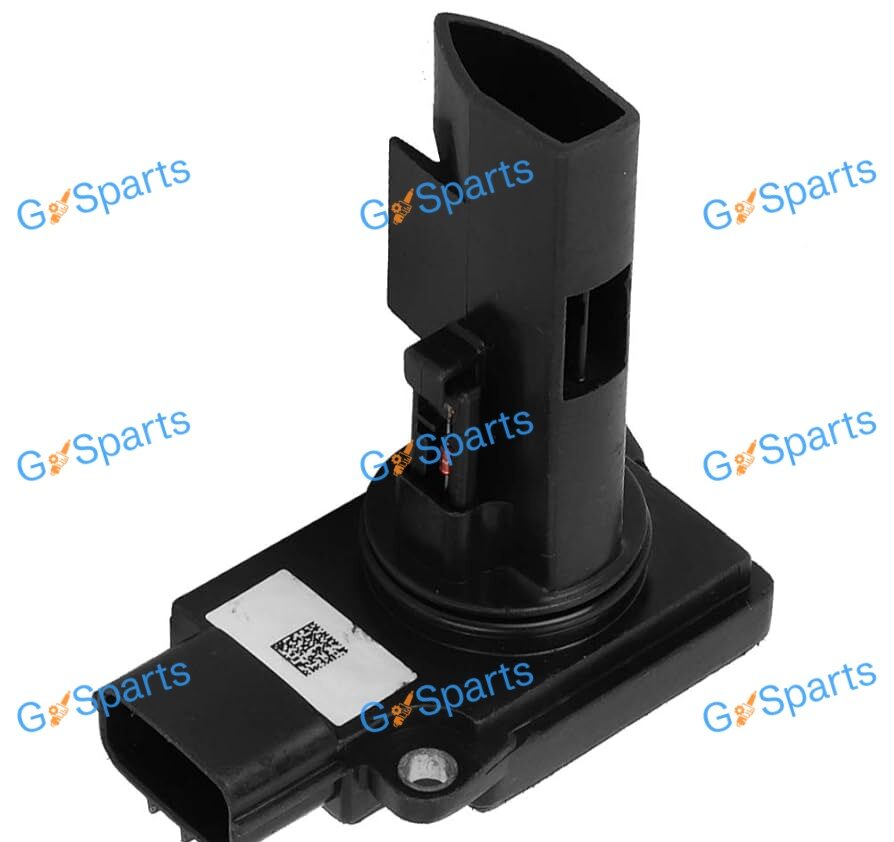
Genuine Mitsubishi MAF Sensor MR985187 – 2008–2015 Mitsubishi Lancer Evolution X
MAF Sensor for 2008–2015 Mitsubishi Lancer Evolution X. OEM MR985187 with 5-pin connector, hot-wire type for precise airflow measurement and stable idle.
Did you like this product? Add to favorites now and follow the product.

(+86) 180 07 12 47 38 WhatsApp, Telegram, WeChat
Description
Restore correct fueling on your 2008–2015 Mitsubishi Lancer Evolution X with this OEM‑equivalent Mass Air Flow (MAF) sensor (Part MR985187). The 5-pin connector, hot-wire type hot‑wire element delivers accurate intake airflow data to the ECU to maintain proper fuel trims, reduce emissions, and improve throttle response. Trusted aftermarket coverage includes Mitsubishi, Bosch, Denso. Specific to performance models; ensure correct part number. Always confirm by VIN, connector style, and pin configuration before ordering.
Overview: who this guide is for and what it covers
This guide is written for professional technicians, parts buyers, and informed DIYers who want an authoritative resource about the Mitsubishi MAF Sensor MR985187 and how it affects engine performance. You’ll find practical diagnostic steps, inbound inspection protocols, installation best practices, post-repair verification, sourcing tips, and shop workflow recommendations to reduce comebacks. The aim is to help users avoid common mistakes—like replacing a sensor when the harness or intake leak is the real problem—by laying out an efficient, data-driven approach to airflow sensor troubleshooting. Whether you manage a fleet or tune a single vehicle, the guidance here will help you make first-time-right repairs and maintain consistent service quality while minimizing wasted parts and labor.
What a MAF sensor does and why it matters to engine control
A mass air flow sensor measures the mass of incoming air so the engine control unit can calculate the correct fuel delivery and maintain emissions compliance; the Mitsubishi MAF Sensor MR985187 is a direct participant in that feedback loop. If the sensor reads inaccurately, the ECU compensates with incorrect fuel trims, which can cause rough idle, hesitation, poor fuel economy, and elevated emissions. Understanding the MAF’s role clarifies why scanning live airflow data and fuel trims is the logical first step in diagnosis, rather than guessing part failure from symptoms alone. Properly functioning MAFs keep lambda control, idle stability, and transient response within designed tolerances.
Common symptoms that point to a failing MAF sensor
Drivers and technicians usually recognize MAF-related problems through a set of repeatable symptoms: irregular idle, stalling on cold start, hesitation under load, reduced MPG, and an illuminated check engine light with related fault codes. The Mitsubishi MAF Sensor MR985187 may also produce unstable short-term and long-term fuel trims as the ECU struggles to match fuel to actual airflow. Because many other issues mimic these signs—vacuum leaks, bad injectors, or faulty MAP sensors—relying solely on symptoms leads to unnecessary parts swaps. Instead, combine symptom observation with live-data scans to isolate the airflow sensor as the root cause before ordering replacements.
Quick pre-checks and scanner workflow to isolate airflow faults
Before removing components, connect a diagnostic scanner and capture live MAF values, RPM, TPS, and fuel trims during idle and throttle transitions. Observing whether the Mitsubishi MAF Sensor MR985187 produces readings that scale smoothly with throttle and RPM quickly separates sensor failures from unrelated drivability problems. Check freeze-frame data to see the conditions when codes were set, then perform a visual inspection of intake boots and clamps for leaks that cause unmetered air. These pre-checks are fast and inexpensive and reduce the risk of replacing a sensor when the real issue lies elsewhere in the intake or harness.
Electrical tests: power, ground, and signal checks you should run
A reliable diagnostic workflow includes verifying power and ground at the MAF connector, checking reference voltage where applicable, and observing the signal line while cranking or idling. Measure resistance where factory data is provided, and confirm continuity back to the ECU to rule out wiring faults. For the Mitsubishi MAF Sensor MR985187, ensure that the connector pins are clean and that harness routing avoids heat sources and sharp edges. These electrical checks often reveal harness issues or connector corrosion—problems that are cheaper and faster to fix than replacing the sensor itself.
Live-data interpretation and what normal vs abnormal looks like
Interpreting live MAF readings alongside RPM and throttle position provides decisive insight into whether the Mitsubishi MAF Sensor MR985187 is functioning. At idle, airflow numbers should fall within a predictable range for the engine displacement and rise proportionally as RPM and throttle increase. Erratic spikes, flatline values, or readings that don’t correlate with engine speed usually point to contamination, electrical noise, or sensor degradation. Capturing data logs helps techs show before-and-after evidence and supports warranty claims if a replacement fails to correct the issue.
Oscilloscope testing for advanced diagnostics and intermittent faults
For intermittent or marginal failures that elude simple tests, an oscilloscope can uncover waveform noise, transient drops, or signal distortion on the Mitsubishi MAF Sensor MR985187 that a multimeter won’t reveal. Observing the signal during throttle ramps and at steady-state conditions shows whether the sensor’s internal electronics produce a clean waveform or whether interference or grounding issues affect the output. Shops with oscilloscope capability can save time and parts by identifying the true source—harness, grounding, or sensor—before purchasing replacements, reducing comebacks and improving first-time-fix rates.
Mechanical inspection: intake tract, boots, and mounting area checks
Mechanical faults often masquerade as sensor failures: torn intake boots, loose clamps, cracked ducts, or oil contamination from PCV systems change intake dynamics and skew readings. Inspect the sensor’s mounting flange for corrosion or debris that could misposition the Mitsubishi MAF Sensor MR985187 and ensure the mating surfaces are clean and flat. Remove any filter oil residue or road grime carefully, and repair cracked hoses before changing the sensor. Addressing these mechanical contributors frequently resolves drivability without needing a new sensor, saving time and parts.
Connector and harness inspection: watch for corrosion and chafe
Connector pin corrosion, pin misalignment, and chafed wiring cause intermittent or total signal loss and are frequent root causes of airflow-related faults. Back-probe the Mitsubishi MAF Sensor MR985187 connector and wiggle the harness while monitoring live data to detect intermittent contacts. If corrosion is present, replace terminal ends or the connector housing rather than throwing parts at the problem. Properly secure and route the harness away from heat and moving components to prevent recurring damage. Culprit harnesses repaired correctly restore reliable operation in many cases without sensor replacement.
Inbound inspection checklist for newly received parts
When a replacement arrives for the Mitsubishi MAF Sensor MR985187 perform inbound checks: verify the printed part number, inspect connector pins for straightness and corrosion, compare flange dimensions to the removed OEM piece, and photograph any discrepancies. If feasible, do a basic continuity check on the sensor leads. Documenting these checks protects you in warranty interactions and avoids wasted labor installing a damaged or incorrect part. Fast, routine inbound inspections are a low-effort safeguard that preserves shop time and ensures first-time-right installations.
Fitment and VIN verification to avoid ordering the wrong variant
MAF sensors vary slightly by calibration, connector pitch, and flange geometry, so confirming the correct variant for a vehicle is critical. Use VIN lookup tools to verify that the Mitsubishi MAF Sensor MR985187 matches the vehicle’s production code and engine variant. Sellers that provide VIN compatibility checks reduce error rates significantly. Ensuring accurate fitment before purchase saves return shipping, avoids lost labor, and guarantees that the replacement integrates with the ECU’s expected signal profile for clean drivability.
OEM vs aftermarket: balancing cost, calibration, and warranty
Choosing between OEM and aftermarket options requires balancing immediate cost savings with the risk of miscalibration or premature failure. OEM units typically match factory calibration and mechanical fit exactly, reducing the risk of unexpected behavior; the Mitsubishi MAF Sensor MR985187 as an OEM part often comes with longer warranty coverage that protects shops and customers. High-quality aftermarket sensors can be acceptable, but vet suppliers for published electrical specs, clear fitment notes, and good return policies. Prioritize vendor transparency and warranty terms when purchasing safety- and emissions-related components.
Cross-reference and superseded numbers to help procurement
Cross-references and superseded part numbers help buyers find correct equivalents when original stock is unavailable. For the Mitsubishi MAF Sensor MR985187, suppliers often list interchange IDs and related numbers so buyers can compare options confidently. Use trusted parts catalogs or OEM databases to confirm equivalence rather than relying on ambiguous listings. Accurate cross-referencing avoids ordering visually similar—but electrically different—sensors that can lead to return shipments and wasted installation time.
Pricing expectations and what influences the cost
MAF sensor pricing varies by OEM status, supplier, and geographic region; genuine OEM sensors like the Mitsubishi MAF Sensor MR985187 can command a premium due to guaranteed fitment and factory calibration. Aftermarket alternatives can be significantly cheaper but may lack the same testing or warranty coverage. Shipping speed, vendor return policies, and whether the part is listed as new, remanufactured, or aftermarket all influence total cost. Understanding these variables helps shops make economical purchasing choices while protecting uptime and customer satisfaction.
Reliable channels to source authentic replacements
Buy from authorized dealers, OEM parts channels, or established distributors with clear VIN verification and return policies to source the Mitsubishi MAF Sensor MR985187 reliably. Marketplaces also list this sensor, but due diligence is required—look for clear photos, seller ratings, and explicit warranty terms. For fleet purchases, setting up trade accounts with vetted vendors streamlines procurement and usually nets better return support if parts arrive damaged or incorrect. Prioritizing reputable channels reduces risk and accelerates repairs.
How to perform a proper removal and installation sequence
A careful removal and installation sequence minimizes damage and ensures correct seating of the Mitsubishi MAF Sensor MR985187: secure the vehicle, remove intake ducting without stressing the harness, unplug the connector gently, unfasten mounting screws, and clean mating surfaces before installing the new unit. Avoid prying on fragile housings, and use the correct torque on fasteners to prevent distortion. Reconnect the harness, ensuring the seal is tight, then clear codes and proceed to live-data verification. Proper technique reduces the risk of post-install issues and improves overall reliability.
Torque, sealing, and connector sealing best practices
Fastener torque, proper gasket seating, and connector seals are small details that dramatically affect longevity. Use factory torque settings for the Mitsubishi MAF Sensor MR985187 mounting screws to avoid compressing or warping the housing. Replace any worn O-rings or gaskets to maintain airflow integrity, and apply dielectric grease sparingly to connector pins if the manufacturer recommends it to improve moisture resistance. Attention to these details during installation prevents vibration-related loosening and ingress that can shorten sensor life.
Post-install testing and the importance of a test drive
After installing a replacement, clear relevant trouble codes and monitor live MAF readings while performing a controlled test drive through various RPM ranges and load conditions. Confirm that the Mitsubishi MAF Sensor MR985187 output scales predictably with throttle input and that short-term and long-term fuel trims have settled into normal ranges. If the ECU requires an adaptation or relearn cycle, follow manufacturer guidance. Real-world testing verifies the repair and provides confidence that the vehicle’s driveability and emissions readiness are restored.
Cleaning vs replacement: when refurbishment is appropriate
Light contamination can often be remedied with manufacturer-approved MAF cleaner and careful technique, restoring reliable readings without replacement. However, sensors with internal electronic faults, damaged elements, or chronic calibration drift should be replaced rather than cleaned repeatedly. If cleaning the Mitsubishi MAF Sensor MR985187 does not return live-data behavior to expected ranges, replacement is the sensible choice to avoid repeated service visits and extended downtime.
Warranty, returns, and documentation to protect your shop and customers
Document VIN, pre- and post-installation live-data, and inbound part inspection photos when installing the Mitsubishi MAF Sensor MR985187 to streamline any future warranty claims. Confirm vendor warranty terms before purchase and retain receipts and diagnostic logs to support claims if necessary. Clear documentation reduces friction for returns and demonstrates due diligence to customers, protecting the shop’s margins and reputation when a part fails prematurely.
Inbound part verification: a quick practical checklist
On receiving a replacement, verify the Mitsubishi MAF Sensor MR985187 packaging, printed part number, connector shape, and flange orientation against the removed unit. Scan photos and document anomalies to support rapid returns. If the supplier provides electrical specifications, do a quick bench continuity test. These simple verifications prevent wasted labor installing incorrect or damaged parts and minimize the risk of immediate post-installation failures.
Product page copy and assets that reduce returns and increase conversions
A strong product listing for the Mitsubishi MAF Sensor MR985187 should include VIN lookup, high-resolution photos of connector pins and flange, a clear fitment table, and published electrical specs if available. Adding an installation video, a short troubleshooting checklist, and concise warranty details reduces pre-sale confusion and lowers return rates. Educating buyers through quality content increases conversion and minimizes support overhead.
Structured data and schema recommendations for SEO visibility
Implement Product schema with SKU, manufacturer, price, and availability for the Mitsubishi MAF Sensor MR985187 to enable rich snippets. Include Offer markup and AggregateRating if verified reviews exist, and provide machine-readable fitment data to help search engines match the SKU to vehicle-specific searches. Structured data increases click-through rates from organic results and helps qualified buyers find the part faster.
Cross-sell and bundle ideas to improve first-time-fix rates
When selling the Mitsubishi MAF Sensor MR985187, offer complementary items that reduce comebacks: new intake boot/clamps, a fresh air filter, harness repair kits, and dielectric grease. Bundling these items helps ensure the entire intake path is addressed during service and increases the probability of a first-time-right repair while boosting average order value.
Fleet strategies: monitoring and preventive maintenance for uptime
For fleets, implement periodic logging of MAF values and fuel trim trends so gradual sensor degradation is visible before failure. Proactive cleaning schedules, intake inspection on service intervals, and harness routing audits prevent roadside failures of the Mitsubishi MAF Sensor MR985187. Trend analysis across a fleet identifies systemic issues—such as recurring contamination from a faulty PCV system—that are cheaper to fix centrally than handling repeated breakdowns.
Troubleshooting intermittent and temperature-dependent failures
Intermittent faults that correlate with temperature swings often indicate connector corrosion, intermittent solder joint failures, or internal component drift. Back-probe the Mitsubishi MAF Sensor MR985187 while applying thermal variation and vibration to reproduce the failure in the shop. Capturing this behavior helps determine whether a harness repair suffices or full sensor replacement is required, avoiding unnecessary part swaps in tricky cases.
Final checklist and handoff guidance for technicians
Before handing a vehicle back to the owner, confirm secure mounting, sealed connectors, cleared codes, proper live-data values under idle and load, and that fuel trims are within nominal range. Provide the customer a simple explanation of what was done, part number details, and warranty coverage for the Mitsubishi MAF Sensor MR985187 to reinforce confidence in the repair and reduce follow-up calls.
Summary and call-to-action for sourcing the right part
The Mitsubishi MAF Sensor MR985187 is a critical engine-management component whose correct diagnosis, sourcing, and installation restore drivability and emissions performance. Use VIN verification, inbound inspection, careful electrical and live-data testing, and documented post-install validation to ensure first-time-right repairs. For reliable sourcing, prioritize reputable vendors offering OEM parts or verified equivalents and clear warranty terms. If you’d like, G-Sparts can provide VIN-based fitment checks, high-resolution photos, and trade pricing to help you secure the correct Mitsubishi MAF Sensor MR985187 quickly and reliably. Mitsubishi Parts Warehouse+4mitsubishi.oempartsonline.com+4STM Tuned Inc.+4
External Links (MAF Sensor Education & References)
Internal Links (Keep Users on G-Sparts)
Related products


Recently Viewed Products



G-SPARTS – Leading Auto Parts Supplier Since 2009
Trusted by 1000+ Clients Worldwide | Chinese (BYD, Geely, Chery, …), Japanese (Toyota, Honda, Nissan, …), European (BMW, Mercedes, VW, …) & American (Ford, Chevrolet, Tesla, …) Car Spares | Best Prices & OEM Quality | 15+ Years Expertise | Professional Team, Fast Global Shipping
Copyright 2025 © G-Sparts All Rights Reserved. | Premium Chinese Auto Parts Supplier – Worldwide Shipping | Best Prices on OEM & Aftermarket Spares

Reviews
There are no reviews yet.