
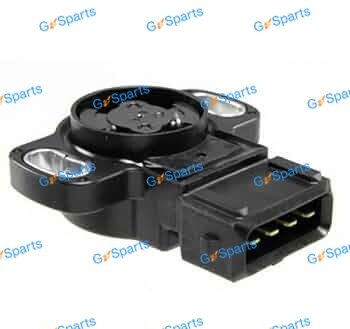
Ultimate Mitsubishi TPS MD614772 Mirage/Diamante (1997–2002) – Lightning Response, Rock-Solid Idle, OEM-Grade Precision
OEM 3‑wire TPS for **Mitsubishi Mirage & Diamante (1997–2002)**. Restores accurate throttle feedback; verify with VIN.
Did you like this product? Add to favorites now and follow the product.

(+86) 180 07 12 47 38 WhatsApp, Telegram, WeChat
Description
TPS **MD614772** for **Mitsubishi Mirage and Diamante (1997–2002)**. Genuine‑fit 3‑wire electronic sensor that communicates throttle angle to the ECU for smooth idle and crisp response. Ideal OE‑style replacement; match the part number to your VIN for exact compatibility.
Understanding TPS Fundamentals on the Mitsubishi Platform
Throttle position is the ECU’s first clue about driver intent. A clean, monotonic voltage ramp lets fueling, spark, and transmission logic synchronize smoothly, preventing the “rubber band” effect during tip-in or light cruise. The fastest path back to confidence is to restore a trustworthy angle signal, validate it on a short road loop, and archive the proof for future reference. For owners and shops seeking predictable, OE-calibrated behavior, Mitsubishi TPS MD614772 Mirage/Diamante aligns mechanically and electrically with factory assumptions; install carefully, re-learn idle as needed, and you’ll feel throttle coherence return. In daily use, Mitsubishi TPS MD614772 Mirage/Diamante makes response feel intentional again, not approximate guesswork.
Fitment Overview, Throttle Bodies, and Connector Indexing
Across trims and markets, throttle body castings and connector keying can vary slightly, so careful visual matching matters. Confirm the throttle shaft profile, screw spacing, and loom length before opening the parts bag. Inspect the harness for heat glaze and verify that the connector locks positively without forcing. When the geometry matches, the sensor seats flush, and the sweep direction aligns with ECU expectations, idle stability and mid-throttle precision follow quickly. In practice, installing Mitsubishi TPS MD614772 Mirage/Diamante with correct clocking, gentle torque, and proper strain relief prevents intermittent signals that masquerade as misfires later, turning your diagnostic time into an evidence-backed repair you can trust.
Recognizing Symptoms: Drift, Noise, and Heat-Soak Artifacts
Subtle hints often precede fault codes: a faint stumble pulling away from a stop, light throttle “yo-yo” on gentle grades, or idle that drifts when accessories cycle. Logs may show stair-steps during slow pedal sweeps or flat spots near the hand-off into boost on turbo variants. Before condemning injectors or coils, confirm that the angle signal is credible. Clean the throttle bore, check cable free play, verify a stable 5-volt reference, and examine grounds. If the ramp remains jagged despite healthy fundamentals, replacing the sensor is the cleanest path. A fresh Mitsubishi TPS MD614772 Mirage/Diamante typically restores a smooth, monotonic curve, letting closed-loop trims center and returning a calm drivability owners often describe as “it feels new again.”
Baseline Diagnostics: Sweep Tests and Electrical Integrity
Start warm. With the engine idling, view TPS voltage and confirm a stable closed-throttle reading. Perform a slow pedal sweep; the trace should climb smoothly without “dead air,” plateaus, or sudden jumps. Compare angle with airflow to ensure correlation, then repeat the sweep with lights, rear defogger, and A/C engaged to expose possible supply sag or ground noise. Smoke-test the intake to rule out leaks that confuse the ECU’s inference of load. Document your baseline plots. If the sweep is inconsistent after electrical hygiene, replacing the unit is warranted. Post-install, Mitsubishi TPS MD614772 Mirage/Diamante should present a clean ramp; archive the new graph so future services have a trustworthy reference and seasonal changes can be interpreted correctly.
Installation Prep: Tools, Indexing Marks, and Safety
Success begins before a wrench turns. Gather a torque-limited driver, correct JIS bits, contact-safe cleaner, and lint-free swabs. Remove the intake tube for sightlines, wipe varnish from the throttle plate perimeter, and scribe a tiny reference mark across the sensor ear and body. Hand-start screws to avoid ear distortion and confirm the connector clears loom brackets and heat sources. Photograph the original orientation for your records. When you’re ready, mount Mitsubishi TPS MD614772 Mirage/Diamante with gentle torque, verify a smooth mechanical sweep by hand, and reattach any clips you removed. After the bay reassembly, perform an idle relearn if the ECU supports it; Mitsubishi TPS MD614772 Mirage/Diamante will then report angle truthfully from the very first key cycle.
Correct Clocking, Gentle Torque, and Strain Relief
A slightly over-rotated sensor can fake an elevated idle angle and provoke the ECU into chasing airflow with trims and idle control. Set the unit so closed-throttle voltage lands in spec, tighten evenly, and recheck the sweep end-to-end. Route the harness with service slack for engine movement, avoid sharp bends near the connector, and secure at factory clip points. Looseness invites vibration; excessive tension invites broken conductors—both produce intermittent artifacts in logs that look like random jerks on the road. Once seated carefully, Mitsubishi TPS MD614772 Mirage/Diamante produces the kind of “boringly linear” output that makes transient fuel math work properly and ensures your time is spent validating success, not hunting elusive wiring gremlins later.
Idle Quality: Agreeing on “Closed” with the ECU and ISC
Idle calm requires agreement between the throttle angle the ECU believes and airflow the engine actually ingests. After installation, verify the closed-throttle switch state (if present) and confirm learned idle angles are sane. A throttle bore that’s sticky or misaligned cables can trick the controller into fighting itself: the idle valve opens while trims pull fuel, producing oscillation. Clean the bore, reset learned idle, and validate with electrical loads like A/C and fans cycling. With a stable closed reading from Mitsubishi TPS MD614772 Mirage/Diamante, the ECU’s idle loop stops chasing phantoms, STFTs hover near zero, and the cabin feels serene—even in congested stop-and-go traffic with accessories clicking on and off.
Part-Throttle Smoothness: Creep, Cruise, and Tip-In
Drivers notice refinement most at low angles: alleyway creeping, parking maneuvers, and steady 60–80 km/h cruise. Here, the ECU blends angle rate with airflow to command tiny fueling nudges; any jitter appears as shudder or vague response. After install, run a short validation route that includes two gentle accelerations and a long decel. The angle trace should be monotonic; trims should oscillate narrowly. When Mitsubishi TPS MD614772 Mirage/Diamante supplies that clean signal, gear changes and torque hand-offs feel invisible, and the car responds predictably to millimeter-scale pedal movements—exactly the composure commuters want and tuners rely on before touching transient maps or boost control strategies.
Deceleration Fuel-Cut: Temperature, Economy, and Feel
Recognizing closed throttle quickly during overrun saves fuel and protects the catalyst from unnecessary heat. Watch for decisive injector cut during long downhill coasts and a crisp, bump-free re-entry when you roll back into the pedal. If fuel-cut triggers late or re-entry thumps, revisit clocking and confirm the closed-throttle voltage. After proper setup with Mitsubishi TPS MD614772 Mirage/Diamante, the ECU trusts the signal, fuel-cut initiates promptly, exhaust temps stay saner, and drivers experience that polished factory feel on every decline—no rich smell, no weird shudder, just calmly controlled overrun followed by smooth, linear torque when acceleration resumes a moment later.
Heat-Soak Consistency for Summer Traffic
Under-hood temperature swings can expose weak ceramics and poor internal contacts, leading to drift that appears only after idling with A/C on. Validate repeatability: log a sweep when cold, then repeat after ten minutes of hot idle. Curves should overlay closely. If the hot trace sags or stair-steps, recheck grounds and routing; the sensor should not require “cool-down” to behave. The construction quality behind Mitsubishi TPS MD614772 Mirage/Diamante is designed to maintain output stability across heat cycles, so trims remain centered even when the bay is radiant. That consistency shortens tuning sessions and keeps daily drivability civilized in the worst city traffic conditions.
Electrical Hygiene: Grounds, Voltage Drop, and Connectors
A perfect sensor can be framed by noisy wiring. Clean ground eyelets, measure voltage drop with accessories engaged, and inspect terminals for corrosion or oil wicking that raises impedance. Perform a gentle tug test near stress risers and reseat connectors until the lock audibly snaps. Good wiring practices remove external variables, ensuring the clean ramp produced by Mitsubishi TPS MD614772 Mirage/Diamante reaches the ECU intact. The payoff shows up in graphs first—tidy progression, stable idle readings—then in the seat as a car that feels “sorted” in daily errands and long highway stretches alike, without surprise hiccups when loads change or fans kick on unexpectedly.
Five-Minute Logging Loop That Proves Success
Evidence beats adjectives. Build a repeatable route: one minute warm idle, steady mid-speed cruise, two gentle accelerations, and one extended decel to fuel cut. Log TPS angle, rate-of-change, MAF, pulsewidth, ignition advance, and short-term trims. Overlay “before” and “after” passes with ambient temperature noted. With Mitsubishi TPS MD614772 Mirage/Diamante installed correctly, you’ll see a smooth angle curve, narrowly oscillating trims at cruise, decisive decel cut, and bump-free re-entry. Save the PDF by VIN so future seasonal fuel blends or maintenance can be compared objectively instead of argued subjectively, turning support questions into quick, data-backed approvals or guidance.
Calibration Considerations: Stock ECU and Standalone
A truthful sensor reduces band-aid fueling. On stock controllers, transient enrichment tables respond predictably when angle rate is clean; you can trim tip-in without courting stumble. On standalones, verify ADC scaling and ensure noise filtering isn’t masking real rate-of-change data. The goal is subtlety: crisp response that feels OEM-civil on the street but never robs character when you lean into it. Because Mitsubishi TPS MD614772 Mirage/Diamante aligns with OE expectations, small map changes stick across weather swings, and you spend more time refining driving feel and less time chasing artifacts caused by inconsistent input signals that make otherwise solid tunes look unstable.
Avoiding Misdiagnosis: Sequence Beats Guesswork
Hesitation, odor, or roughness can overlap ignition faults, fuel pressure issues, vacuum leaks, and airflow errors. Enforce sequence: confirm fuel pressure and delivery volume, scope ignition under load, smoke-test intake and pre-throttle plumbing, then interrogate the TPS sweep. If fundamentals are green and the angle trace still shows rungs or flats, correct the reference. Installing Mitsubishi TPS MD614772 Mirage/Diamante turns many “maybe injectors?” conversations into a single solved cause. Re-run the identical route, overlay plots, and show customers the improvement in black and white—confidence rises when the graph, the pedal, and the seat of the pants all agree.
Maintenance Rhythm: Seasonal Checks and Early Warnings
Add light electrical hygiene to seasonal service: re-torque grounds, inspect harness clips, and clean the throttle bore so sticky varnish doesn’t mimic sensor error. Record a quick validation sweep at each visit and compare to your archived baseline. Trending deviations jump out early, long before drivability turns messy. Because Mitsubishi TPS MD614772 Mirage/Diamante provides a consistent reference, those comparisons actually mean something; a growing offset prompts proactive attention instead of reactive frustration. Little habits like these save fuel, reduce emissions, and keep the car feeling composed for years rather than months after the initial repair.
Quality Assurance: Counterfeit Avoidance and Returns
Critical signals attract convincing copies that drift early and waste diagnostic hours. Protect outcomes with tamper-evident packaging, scannable serials tied to orders, and a “verify your unit” photo guide that shows genuine connector mold lines, logo depth, and terminal finish. Ask installers to photograph labels and final clocking for the work order. When behavior doesn’t match the expected sweep, routing or the part is wrong—simple. The predictable output of Mitsubishi TPS MD614772 Mirage/Diamante makes approvals quick and fair, shrinking RMAs while keeping honest buyers happy because the decision rests on clean, repeatable evidence, not arguments.
Buyer’s Checklist: First-Pass DIY Success
Clarity creates wins. Match throttle-body style, connector keying, and sweep direction; confirm screw length and thread condition; stage tools and cleaner; and plan a five-minute validation route in advance. Photograph the original index, then replicate it at install. After mounting Mitsubishi TPS MD614772 Mirage/Diamante, verify idle voltage, perform a slow pedal sweep, and run your loop with A/C on for load. Save the after-plot and attach it to your maintenance records. This practical, evidence-first approach turns a Saturday project into a once-and-done success—with smoother parking-lot creep, steadier cruise, and tip-in that feels telepathic rather than tentative.
Product Page Content and Helpful Schema
Education sells technical parts and cuts returns. Pair your listing with an indexing photo, torque spec, connector close-up, and a tiny “good vs. bad sweep” thumbnail. Add HowTo and FAQ schema so search surfaces answers directly. Provide a downloadable validation worksheet that lists idle target, sweep steps, and a decel observation box. When shoppers see that Mitsubishi TPS MD614772 Mirage/Diamante comes with guidance and proof tools, anxiety drops and conversion rises—because success looks obvious before they click “Buy,” and the post-install graphs they capture will match the examples shown right on the page.
Community Proof: Reviews That Teach and Reassure
Ask buyers to include car year, install time, a photo of final clocking, and a screenshot of their validation sweep. Curate the best submissions into a gallery that shows hot-day, cold-morning, and high-altitude plots. Seeing the smooth, linear curve produced by Mitsubishi TPS MD614772 Mirage/Diamante across conditions builds trust quickly, and future shoppers arrive better informed. Support load shrinks because customers bring data, not just adjectives, and your replies can point to known-good overlays that match their vehicles, closing loops faster and reinforcing your brand as both expert and helpful.
Club and Fleet Playbooks: Repeatability at Scale
Across many vehicles, tiny inefficiencies compound into line items—extra fuel, driver complaints, and wasted technician hours. Standardize parts, checklists, and sign-off so veterans and rookies achieve the same outcome. A shared five-minute route, plus archived overlays by VIN, turns “feels off” into quick data checks. By centering the workflow on Mitsubishi TPS MD614772 Mirage/Diamante, angle truth becomes a constant, and differences in logs point to real mechanical issues instead of input inconsistency. The result is predictable drivability, fewer comebacks, and calmer phones during busy seasons when schedules are least forgiving.
Cold-Climate Starts, Short Trips, and Voltage Reality
Frosty mornings stress batteries and sticky throttles, revealing weak sensors or marginal grounds as rough flares and delayed closed-loop entry. Confirm cranking voltage and alternator output, clean the bore, and validate time-to-stable idle after installation. With Mitsubishi TPS MD614772 Mirage/Diamante providing a steady closed-angle and clean ramp, short-trip enrichment settles faster, trims converge quickly, and consumption returns to normal. The improvement is measurable on saved overlays—and perceptible on every driveway exit, where the car no longer hesitates when you feather the pedal to merge smoothly with early-morning traffic.
Customer Education: Simple Explanations That Convert
Most owners don’t need oscilloscope jargon; they want assurance. Present a one-page summary after installation: what changed, why it matters, and two tiny graphs—idle and cruise—showing the “before” wobble and the “after” clean rise. Add three tips: keep the throttle bore clean, fix grounds promptly, and save the validation PDF for future services. Framing the outcome around Mitsubishi TPS MD614772 Mirage/Diamante turns an invisible electrical fix into a felt difference and a story people can share, which strengthens reviews and reduces pre-sale anxiety for others shopping the same solution.
Edge-Case Troubleshooting: When Oddities Remain
If logs still show odd behavior after replacement, widen the lens. Compare TPS to MAF during micro-transients, check throttle cable free play, inspect engine mounts that can tug the loom under torque, and look for heat shields that radiate onto the connector. Once externals are corrected, Mitsubishi TPS MD614772 Mirage/Diamante will exhibit the steady ramp your maps expect, allowing subtle transient trims to land perfectly. Re-run the loop, save overlays, and your next tuning step becomes smaller, faster, and easier to defend because each change sits atop stable, trustworthy input data.
Environmental Robustness: Materials and Longevity
Daily driving means vibration, moisture, dust, and temperature swings. Robust sealing, stable wiper materials, and vibration-resistant construction preserve calibration through abuse. These design choices ensure the reported angle reflects reality, not thermal drift or mechanical chatter. In practice, that means Mitsubishi TPS MD614772 Mirage/Diamante keeps trims centered on summer commutes and winter errands alike, protecting catalysts from over-fueling and preserving that factory-polished drivability. Reliability isn’t glamorous, but it’s the reason inspections go smoothly and why owners describe the car as “easy to live with” months after the initial repair and validation session.
Tuning Confidence: Subtlety Over Spectacle
Great tunes are built on honest sensors. When angle rate is faithful, you can trim transient enrichment gently, smoothing torque rise without dulling character. Test across fuels and weather; the curve should remain consistent, and the driver should feel the same predictability in a parking garage as on an open highway. Anchoring calibration work on Mitsubishi TPS MD614772 Mirage/Diamante keeps attention on shaping response rather than compensating for input noise. The result is a car that behaves like a precise instrument at low angles and still rewards decisive pedal work when you want it—a mature refinement enthusiasts appreciate.
Tech Training: Checklists That Survive Busy Seasons
Under pressure, memory fails; checklists don’t. Teach techs to mark clocking, hand-start fasteners, verify closed-throttle voltage, route with slack, and run the validation loop. Require two screenshots Mitsubishi TPS MD614772 Mirage/Diamante and one routing photo in every job packet. This discipline scales quality even when the schedule is packed. With Mitsubishi TPS MD614772 Mirage/Diamante as the part standard, expected voltage windows and sweep shapes become institutional knowledge, and deviations trigger smart investigation, not guesswork—protecting margins and reputations when time and patience are both in short supply.
Final Validation and Long-Term Action Plan
Make evidence your habit: baseline, install, validate, and archive. Share a concise handover sheet—what changed, why it matters, and where the plot should sit next service. If a future complaint appears, re-run the route and overlay today’s graph with your saved reference to decide in minutes whether attention belongs on airflow, ignition, or fueling—not the angle signal. Built on Mitsubishi TPS MD614772 Mirage/Diamante, this loop delivers months of calm composure: steady idle, linear tip-in, and predictable cruise that feels quietly “OEM-new” every day, long after the tools are back in the box.
External Resources (Standards & Technical References)
- ISO 26262 — Road Vehicles Functional Safety
- ISO 11898 — Controller Area Network (CAN)
- ISO 14229 — Unified Diagnostic Services (UDS)
- SAE J1979 — OBD-II Diagnostic Test Modes
- AEC-Q100 — Stress Test for Automotive ICs
Related Internal Links
Related products



G-SPARTS – Leading Auto Parts Supplier Since 2009
Trusted by 1000+ Clients Worldwide | Chinese (BYD, Geely, Chery, …), Japanese (Toyota, Honda, Nissan, …), European (BMW, Mercedes, VW, …) & American (Ford, Chevrolet, Tesla, …) Car Spares | Best Prices & OEM Quality | 15+ Years Expertise | Professional Team, Fast Global Shipping
Copyright 2025 © G-Sparts All Rights Reserved. | Premium Chinese Auto Parts Supplier – Worldwide Shipping | Best Prices on OEM & Aftermarket Spares

Reviews
There are no reviews yet.