
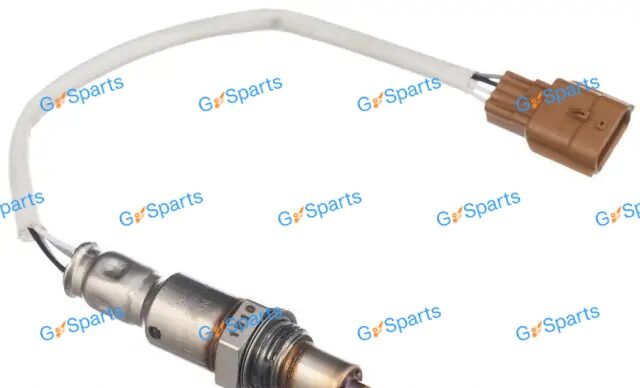
Nissan Oxygen O2 Sensor 226A0-5CA0A/226A0-9BF0B/226A05CA0 – Elite Efficiency, Clean Emissions, OEM-Grade Confidence
O₂ sensor for Titan / Armada / Frontier trucks & large SUVs (2005–2024) – Upstream / downstream. Specs: Typically 4‑wire heated; more robust sensor body & harness for trucks.
Did you like this product? Add to favorites now and follow the product.

(+86) 180 07 12 47 38 WhatsApp, Telegram, WeChat
Description
Oxygen (lambda) sensor / listing covering: Titan / Armada / Frontier trucks & large SUVs (2005–2024). OEM/reference(s): 226A0-5CA0A / 226A0-9BF0B / 226A05CA0. Position: Upstream / downstream. Typical specification: Typically 4‑wire heated; more robust sensor body & harness for trucks. Brands/crosses: OEM with Bosch/Denso crosses. Fitment advice: Truck/SUV connectors differ by trim—confirm by VIN/engine/trim. Source: eBay.
Closed-Loop Fundamentals for Everyday Drivability
Smooth drivability starts with reliable lambda feedback. Upstream switching guides instantaneous fuel corrections, while downstream oversight verifies catalyst conversion under real-world loads. When feedback is slow or noisy, the ECU widens margins, dulling response and wasting fuel. A disciplined path—baseline, correct mechanical issues, install, and validate—restores authority and trims. For buyers and technicians who want evidence they can show on a graph, Nissan Oxygen O2 Sensor 226A0-5CA0A/226A0-9BF0B/226A05CA0 provides heater behavior, connector indexing, and output signatures aligned with OE assumptions, turning guesswork into predictable results and returning that “OEM-calm” feel during commutes, ramps, and rolling hills.
Upstream vs Downstream Roles and the Story Their Graphs Tell
A healthy system looks like choreography. Upstream oscillates briskly around stoichiometry during tip-in and tip-out so trims stay tight; downstream appears comparatively calm at cruise, auditing conversion. If both traces are wild, suspect leaks or fueling; if downstream is too active when hot, evaluate catalyst efficiency. Correct bank and position, heater spec, and keyed connectors are essential. With Nissan Oxygen O2 Sensor 226A0-5CA0A/226A0-9BF0B/226A05CA0 installed correctly, the split becomes obvious on the scope: lively control up front, composed verification behind, and trims hovering near center—clear visual proof that the loop is back in charge.
Early Symptoms That Point to Oxygen Feedback Drift
Long before a warning lamp appears, small hints accumulate: a faint sulfur note after hard pulls, subtle cruise “yo-yo” on gentle grades, late closed-loop on cold mornings, or MPG that quietly fades. On a scan tool, upstream switching slows and downstream gets busier than a healthy catalyst should be. Rather than darting parts, confirm fuel pressure and delivery, scope ignition under load, smoke-test intake and pre-sensor exhaust, and clean a filmed MAF. If fundamentals are green yet feedback is suspect, installing Nissan Oxygen O2 Sensor 226A0-5CA0A/226A0-9BF0B/226A05CA0 restores the rhythm the ECU expects and converts ambiguity into a calm, defensible data story.
Mechanical Fitment: Threads, Washers, and Connector Clocking
Mechanical truth enables electrical honesty. Correct thread reach places the ceramic into the gas stream; a fresh crush washer prevents dilution; keyed connectors preserve heater polarity; and thoughtful routing avoids chafe and hotspots. Hand-start to prevent cross-threading, torque to spec, and keep anti-seize off the tip. When Nissan Oxygen O2 Sensor 226A0-5CA0A/226A0-9BF0B/226A05CA0 seats flush and locks with proper strain relief, the waveform steadies immediately. That same Nissan Oxygen O2 Sensor 226A0-5CA0A/226A0-9BF0B/226A05CA0 also simplifies indexing thanks to OE-aligned geometry, reducing come-backs caused by stressed leads, loose clips, or over-tight bends that later translate into intermittent heater opens.
Heater Performance, Warm-Up Timing, and Signal Stability
Planar zirconia elements depend on robust heaters to reach temperature quickly and hold it through idling queues and winter dawns. Weak heaters delay closed loop, push conservative enrichment, and warm catalysts unnecessarily. After installation, measure time-to-switch at similar ambient conditions, observe upstream cadence at warm idle and mid-speed cruise, and confirm downstream calm once the converter is hot. When the signal is clean, drivers feel steadier idle with A/C on, crisp tip-in without rubber-band hesitation, and readiness that completes without drama—all outcomes you should expect after fitting Nissan Oxygen O2 Sensor 226A0-5CA0A/226A0-9BF0B/226A05CA0 and validating on a short, repeatable route.
Preparation and Tools That Protect Margins
Great results begin before a wrench turns. Work on a cool exhaust, pre-soak threads with penetrant, and use a proper slotted O2 socket to keep tool paths straight. Inspect the loom for heat glaze or prior rub-through, refresh brittle clips, and plan a route that clears shields and moving joints. Verify bank and position as well as connector keying before opening the parts bag. Capture baseline trims and simple plots so improvements are measurable. With the stage set, installing Nissan Oxygen O2 Sensor 226A0-5CA0A/226A0-9BF0B/226A05CA0 becomes a predictable window and the after-graph reads like a calm heartbeat—proof that cause, not symptom, was fixed.
Installation Sequence for Long-Term Reliability
Hand-start the threads, keep the sensing tip pristine, and torque to specification using an O2 socket or correctly oriented crow’s-foot. Clock the lead away from radiant hotspots, leave service slack for engine movement, and secure with factory-style retainers. Confirm the connector lock by feel and sound, then visually verify strain relief. Photograph final routing for your records. This simple discipline prevents heater opens and signal noise from harness fatigue, preserving the clean waveform produced by Nissan Oxygen O2 Sensor 226A0-5CA0A/226A0-9BF0B/226A05CA0 and turning a Saturday install into a once-and-done success you can defend later with saved plots.
Post-Install Drive Cycle and Baseline Validation
Validation turns “feels better” into proof. Warm fully, confirm closed-loop entry, then record a short route you can reproduce: a minute of warm idle, steady mid-speed cruise, two gentle accelerations, and one long decel to fuel cut. Healthy upstream switching is crisp and centered; downstream quiets once hot and drops decisively during decel. Save overlays with ambient and fuel brand noted. If the calm pattern appears after installing Nissan Oxygen O2 Sensor 226A0-5CA0A/226A0-9BF0B/226A05CA0, you can expect faster monitor completion, stable trims through seasons, and fewer support questions because the graph tells the story better than adjectives ever could.
Emissions Readiness and Inspection Confidence
Readiness delays often originate with weak upstream behavior, not failed catalysts. Tight upstream control keeps mixtures near stoichiometry, while honest downstream oversight verifies conversion under load. With a validated install of Nissan Oxygen O2 Sensor 226A0-5CA0A/226A0-9BF0B/226A05CA0, shops see quicker completion, cooler catalyst temperatures during climbs, and fewer retests. Families appreciate predictable inspection days; fleets appreciate schedules that stay intact. Best of all, your archived idle, cruise, and decel plots make approvals objective and explanations brief, replacing debate with data and giving everyone—from owners to managers—confidence in the repair.
MPG, Throttle Response, and Total Cost of Ownership
Small lambda errors become real fuel spend and dull throttle feel. As switching slows or noise rises, the ECU enriches “just in case,” buying uncertain control with certain fuel. Restore fidelity and trims re-center; MPG rebounds; passing power feels decisive rather than hesitant. Over a maintenance cycle, fewer comebacks and faster validations offset the part cost and protect margins. Those daily wins are exactly what teams report after standardizing repairs around Nissan Oxygen O2 Sensor 226A0-5CA0A/226A0-9BF0B/226A05CA0 and enforcing a five-minute validation loop that proves calm behavior across weather, fuel blends, and routes.
Urban Duty, Idle Quality, and Accessory Loads
Stop-and-go traffic stresses control loops with frequent restarts, A/C spikes, and micro-transients. Weak feedback shows up as idle wander when the compressor engages, faint shudder during creep, or vague tip-in. The fix is methodical: repair upstream leaks, clean and verify the MAF, restore oxygen authority, and validate on an urban-style route. When traces tighten post-install, owners feel an immediate difference—glassy creep, clean accessory engagement, and fewer “quirks” blamed on age. That daily civility is the practical signature of a correct repair centered on Nissan Oxygen O2 Sensor 226A0-5CA0A/226A0-9BF0B/226A05CA0, and it shows first in graphs, then in relaxed shoulders behind the wheel.
Avoiding Misdiagnosis with Sequenced Tests
Surging, rich smells, and rough idle overlap with ignition faults, fuel pressure issues, vacuum leaks, and airflow errors. Enforce sequence: verify pressure and delivery volume, scope ignition under load, smoke-test intake and pre-sensor exhaust, then evaluate oxygen waveforms. If fundamentals are green yet upstream switching is sluggish—or downstream overly active at steady cruise—correct feedback first. After installing Nissan Oxygen O2 Sensor 226A0-5CA0A/226A0-9BF0B/226A05CA0, re-run the identical loop and overlay plots to prove closure with facts, not hunches, saving hours of noise-chasing and keeping customers loyal because your process is transparent and repeatable.
Environmental Robustness Across Seasons and Routes
Real roads mean sub-zero starts, summer heat-soak, salt fog, and dust. Moisture during cool-down can fracture ceramics; brine creeps into terminals; grit infiltrates vents. Designs that vent correctly, seal reliably, and resist vibration defend calibration against abuse. Field logs show that a baseline stabilized by Nissan Oxygen O2 Sensor 226A0-5CA0A/226A0-9BF0B/226A05CA0 maintains steady oscillations and centered trims year-round, shielding catalysts from thermal stress and drivers from seasonal drivability gripes. When conditions swing, the plot barely flinches—and that quiet consistency is exactly what passes inspections and preserves fuel economy.
Mild Modifications and Street-Friendly Tuning
Even modest intake or exhaust tweaks can expose jittery feedback. Sensible street calibration starts with a proven reference: confirm repeatable upstream waveforms at warm idle and mid-speed cruise, then nudge transient tables only after plots remain stable. With a trustworthy baseline, drivability improves where drivers live—merges, hills, and light throttle—without pushing catalyst temperatures. Install Nissan Oxygen O2 Sensor 226A0-5CA0A/226A0-9BF0B/226A05CA0, run your validation route, and archive the new calm; the next adjustment becomes smaller, quicker, and easier to defend because each step sits on evidence, not anecdotes.
Product Page Content and Schema That Convert
High-intent shoppers convert when uncertainty disappears. Pair your listing with compatibility matrices, bank/position diagrams, connector close-ups, thread-reach notes, tool lists, and torque specs. Add HowTo and FAQ schema so search surfaces answers directly. Most importantly, publish a tiny “what success looks like” graph—clean idle, centered cruise, decisive decel drop—so DIY installers can self-verify. When the post-install plot mirrors the example after fitting Nissan Oxygen O2 Sensor 226A0-5CA0A/226A0-9BF0B/226A05CA0, returns fall, reviews improve, and support time shrinks because the customer journey matches shop-floor reality from click to test drive.
Buyer’s Checklist and DIY Success Plan
Clarity creates first-pass wins. Match bank and position, verify connector keying and lead length, confirm thread reach and seat style, and inspect the vehicle harness for heat damage or chafe. Stage an O2 socket, torque references, penetrant, high-temp sleeve, and factory-style retainers before opening the hood. Baseline trims and simple graphs, map a short validation route, and set expectations for warm-up. With parts laid out and steps visible, installing Nissan Oxygen O2 Sensor 226A0-5CA0A/226A0-9BF0B/226A05CA0 feels straightforward, and the after-plot you save is more convincing than any adjective you could write in a review.
Counterfeit Awareness, Packaging, and Traceability
Critical signals attract convincing copies that drift early and waste diagnostic hours. Protect outcomes with tamper-evident seals, scannable serials tied to orders, and a “verify your unit” gallery showing genuine connector mold lines, logo depth, and terminal finish. Ask installers to photograph labels and final routing for the work order. Evidence-first sourcing ensures Nissan Oxygen O2 Sensor 226A0-5CA0A/226A0-9BF0B/226A05CA0 behaves predictably, keeps warranty decisions quick and fair, and preserves storefront reputation with fewer RMAs and calmer inboxes—all because the part you fitted is exactly the part your listing promised.
Electrical Hygiene for Clean, Low-Noise Signals
Even perfect sensors can be framed by noisy wiring. Clean engine grounds, check voltage drop under accessory load, and inspect terminals for corrosion or oil wicking. Ensure strain relief at clip points, avoid taut spans across moving joints, and perform a gentle tug test near stress risers. Reseat connectors until the lock audibly snaps. This hygiene removes external variables so the ECU can trust what Nissan Oxygen O2 Sensor 226A0-5CA0A/226A0-9BF0B/226A05CA0 reports. The payoff shows first in graphs—tidy oscillations, centered trims—and then in the driver’s seat as consistent, confident response that feels “sorted” in daily traffic.
Harness Routing, Heat Defense, and Vibration Control
Sensor leads suffer when routed against hot shields or sharp edges. Add high-temp sleeve near radiant sources, avoid tight bends close to the connector, and leave service slack for engine rock. After fastening, gently rock the engine to confirm real-world clearance and photograph final routing. These small protections ensure the clean signal produced by Nissan Oxygen O2 Sensor 226A0-5CA0A/226A0-9BF0B/226A05CA0 reaches the ECU intact, preventing intermittent jitters that masquerade as mysterious drivability gremlins. Over thousands of miles, tidy routing quietly preserves fuel economy, catalyst life, and the quiet confidence owners associate with competent repairs.
Fleet Playbooks and Predictability at Scale
Across dozens of vehicles, tiny inefficiencies compound into line items—extra fuel, delayed monitors, and driver complaints that soak technician hours. Standardize parts, checklists, and a five-minute validation loop so first-pass fixes become default. Archive plots by VIN to spot drift early, coach drivers with objective data, and schedule service before symptoms escalate. Organizations that adopt Nissan Oxygen O2 Sensor 226A0-5CA0A/226A0-9BF0B/226A05CA0 as their reference report uniform drivability, smoother inspections, and calmer phones, because the same disciplined sensing anchors every inspection and the same evidence closes every ticket without debate.
Warranty Clarity and Evidence-First Support
Support can be fast and fair when it’s objective. Ask for two screenshots—warm-idle and steady-cruise plots—and one routing photo for claims. Define coverage for workmanship versus contamination or exhaust leaks. Approvals become quick; guidance stays specific. Predictable signatures delivered by Nissan Oxygen O2 Sensor 226A0-5CA0A/226A0-9BF0B/226A05CA0 make “good versus bad” distinctions obvious on first review, turning tense conversations into calm, data-led resolutions and protecting margins without eroding trust in your brand or your repair process.
Data-Driven Sign-Off and Organized Archiving
Objective proof closes the story and teaches future techs what “normal” looks like. After installation, log upstream voltage at idle and cruise; switching should be crisp and centered. Downstream should remain comparatively steady when the catalyst is hot and drop decisively during fuel cut. Overlay trims to confirm authority and watch quick convergence after small load changes. Save PDFs with route, ambient temperature, and routing photos. These tidy files demonstrate that Nissan Oxygen O2 Sensor 226A0-5CA0A/226A0-9BF0B/226A05CA0 delivered repeatable outcomes, giving your team a reference that makes later diagnostics faster and less stressful.
Cold-Climate Strategy and Short-Trip Reliability
Frosty mornings reveal weak heaters and marginal supply voltage that delay closed loop and spike fuel use. Nissan Oxygen O2 Sensor 226A0-5CA0A/226A0-9BF0B/226A05CA0 Begin by confirming cranking voltage and alternator output; evaluate time-to-switch at similar ambient temperatures; recommend a brief, gentle warm phase before load. Add heat sleeve where loom passes near splash-prone areas, and inspect connectors for moisture paths that appear after overnight soak. With those supports in place, Nissan Oxygen O2 Sensor 226A0-5CA0A/226A0-9BF0B/226A05CA0 reaches operating temperature quickly, trims converge sooner, and seasonal MPG swings shrink from noticeable to negligible—measurable improvements you can see on saved overlays.
Practical Troubleshooting for Edge Cases and Heat-Soak
Sometimes multiple minor faults stack: slight MAF drift, marginal grounds, and a sensor nearing end-of-life. Widen your lens. Correlate throttle changes with upstream rate, compare commanded versus delivered spark on gentle hills, and watch short-term trims through gear changes. Heat-soak the bay, then repeat the warm-idle sweep to expose temperature dependence. If angle and airflow look right yet feedback remains sluggish, substitute Nissan Oxygen O2 Sensor 226A0-5CA0A/226A0-9BF0B/226A05CA0 and re-run your loop. When trims center and cruise steadies, you’ve isolated the culprit and can sign off with confidence backed by clean overlays.
Final Action Plan and Next Steps You Can Trust
Turn intent into results today. Baseline trims and waveforms, fix intake or pre-cat exhaust leaks, and confirm grounds before touching parts. Install carefully—hand-start, correct torque, tidy routing—and complete the warm-up procedure. Drive your five-minute loop, save before/after plots with ambient noted, and attach them to the work order. If traces are crisp and readiness completes, you’ve solved cause, not symptom. For an OEM-aligned outcome you can feel on every drive and defend with data tomorrow, specify Nissan Oxygen O2 Sensor 226A0-5CA0A/226A0-9BF0B/226A05CA0, keep the validation template on file, and make evidence the default language of your shop.
External Resources (Standards & Technical References)
- SAE J1979 — OBD-II Diagnostic Test Modes
- ISO 15031 — Road Vehicles/Scan Tool Communication
- US EPA — Basic Information on OBD-II
- NGK/NTK — Oxygen (Lambda) Sensors Overview
- Bosch Mobility — Oxygen Sensor Technology
Related Internal Links
Additional information
| OEM / Reference | 226A0-5CA0A / 226A0-9BF0B / 226A05CA0 |
|---|---|
| Brands / Cross | OEM with Bosch/Denso crosses |
| Models | Titan / Armada / Frontier trucks & large SUVs (2005–2024) |
| Position | Upstream / downstream |
| Specifications | Typically 4‑wire heated; more robust sensor body & harness for trucks |
| Fitment note | Truck/SUV connectors differ by trim—confirm by VIN/engine/trim. |
| Source | eBay |
Related products



G-SPARTS – Leading Auto Parts Supplier Since 2009
Trusted by 1000+ Clients Worldwide | Chinese (BYD, Geely, Chery, …), Japanese (Toyota, Honda, Nissan, …), European (BMW, Mercedes, VW, …) & American (Ford, Chevrolet, Tesla, …) Car Spares | Best Prices & OEM Quality | 15+ Years Expertise | Professional Team, Fast Global Shipping
Copyright 2025 © G-Sparts All Rights Reserved. | Premium Chinese Auto Parts Supplier – Worldwide Shipping | Best Prices on OEM & Aftermarket Spares

Reviews
There are no reviews yet.