
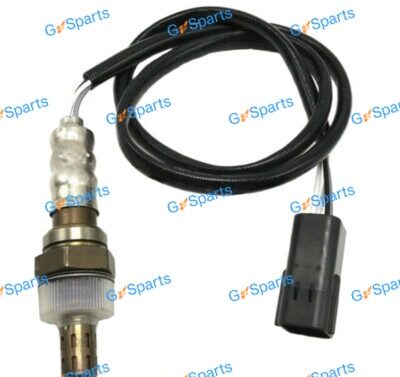
Genuine Mazda Oxygen O2 Sensor L362-18-8G1/L363-18-861A – Cleaner Emissions, Stable Trims
O₂ sensor for Mazda6 (2008–2015) 2.0/2.3/2.5 MZR engines – Upstream (A/F) & downstream. Specs: Upstream may be A/F sensor (higher precision); wiring differs from basic O₂.
Did you like this product? Add to favorites now and follow the product.

(+86) 180 07 12 47 38 WhatsApp, Telegram, WeChat
Description
OE‑style oxygen (lambda) sensor listing covering: Mazda6 (2008–2015) 2.0/2.3/2.5 MZR engines. OEM/reference(s): L362-18-8G1 / L363-18-861A. Position: Upstream (A/F) & downstream. Typical specification: Upstream may be A/F sensor (higher precision); wiring differs from basic O₂. Brands/cross‑refs: Denso / Bosch cross (e.g., Denso 234‑41xx). Fitment: VIN/engine code selects exact L362 vs L363 reference. Source: realmazdaparts.com.
Introduction: Why This Sensor Matters
Closed-loop fueling rises and falls with upstream feedback quality. Lazy switching invites rich spikes, idle wobble, and inspection stress; crisp signals restore confidence. When you choose a direct-fit unit that matches heater behavior, voltage dynamics, and connector geometry, the ECU stops compensating for noise and returns to optimizing combustion. That’s precisely the promise of Mazda Oxygen O2 Sensor L362-18-8G1/L363-18-861A in everyday city driving, winter cold starts, and long highway climbs where catalysts work hardest and small control-loop improvements compound into noticeable calm.
Role in the Control Loop: Upstream Truth Source
The upstream element compares oxygen in exhaust against ambient, letting the controller nudge injector pulse width and timing around lambda = 1. A fast, low-noise waveform keeps short- and long-term trims centered, stabilizes idle with accessories, and prevents converter overheat after aggressive throttle. If the trace is slow, the ECU retreats into fuel-heavy “safe” strategies. Replacing a drifting unit with Mazda Oxygen O2 Sensor L362-18-8G1/L363-18-861A returns a trustworthy truth source so mixture control behaves as calibrated rather than improvised.
Exact Fitment: Geometry, Connector, and Tip Depth
Two sensors can share threads yet differ in heater wattage, response curve, or harness length. Those tiny mismatches create nuisance codes, delayed readiness, or strained routing that fails after heat cycles. A correct upstream part places the tip at the designed sample point, latches decisively, and aligns electrically with the ECU’s expectations. That’s why choosing Mazda Oxygen O2 Sensor L362-18-8G1/L363-18-861A is the first step toward a first-time-right repair rather than a temporary lull in symptoms.
Upstream vs. Downstream: Different Jobs, Different Signals
Upstream units steer fueling; downstream units audit catalyst efficiency. Swapping locations or installing a “universal” with mismatched heater current confuses monitors and delays readiness. Keep the upstream switching brisk at light load and the downstream comparatively calm when the converter is healthy. Specifying Mazda Oxygen O2 Sensor L362-18-8G1/L363-18-861A in the upstream position preserves that designed division of labor and the smooth drivability it enables.
Heater Mapping and Cold-Start Behavior
Cold starts define both emissions and feel. Under-powered heaters prolong open-loop; over-powered ones stress ceramics. A correctly mapped element lights quickly, shrinks the first minute of roughness, and stabilizes idle as fans or A/C engage. Expect those outcomes when your upstream is Mazda Oxygen O2 Sensor L362-18-8G1/L363-18-861A, because the heater ramp is engineered to meet the controller’s expectations for clean, repeatable switching at idle and early cruise with Mazda Oxygen O2 Sensor L362-18-8G1/L363-18-861A in place.
Recognizing a Tired Sensor in Daily Driving
Symptoms include reduced mileage, sulfur odor after hills, stubborn trims, and MILs for slow response or heater faults. Live data may show lazy oscillation, stuck-rich/lean behavior, or cross-counts that lag load changes. After confirming there are no pre-cat leaks or wiring issues, replacing the upstream with Mazda Oxygen O2 Sensor L362-18-8G1/L363-18-861A typically restores crisp oscillation, smoother tip-in, and calmer downstream monitoring—concrete proof the feedback loop is healthy again.
Diagnostics First: Replace Once, Not Twice
A disciplined path beats parts cannons. Smoke-test intake and pre-cat exhaust, verify ground integrity and reference voltages, and check connector pins for corrosion. Correlate throttle angle, MAF grams/second, and trims at idle, light cruise, and gentle accel. If plumbing and wiring pass yet switching remains dull, install Mazda Oxygen O2 Sensor L362-18-8G1/L363-18-861A and repeat your captures to confirm improvement. That “before/after” telemetry is objective validation—not wishful thinking.
Why Direct-Fit Beats Splice-In Universals
Millivolt circuits hate added resistance, questionable grounds, and EMI from ad-hoc splices. Universals often miss heater wattage or response nuances that ECUs scrutinize. A direct-fit unit preserves signal purity and monitor logic. Choosing Mazda Oxygen O2 Sensor L362-18-8G1/L363-18-861A eliminates splice risk, connector guesswork, and the slow-burn issues that masquerade as “random” drivability complaints weeks later.
Installation Prep: Tools, Access, and Safety
Work on a cool exhaust to prevent burns and thread galling. Essentials include penetrant, a quality O2 socket, torque wrench, and a nylon brush for the bung. Pre-stage harness clips along factory paths away from heat shields and moving linkages. With Mazda Oxygen O2 Sensor L362-18-8G1/L363-18-861A on the bench, learn the latch feel so the on-car click is unmistakable, then confirm the connector keying and lead length against your original Mazda Oxygen O2 Sensor L362-18-8G1/L363-18-861A before crawling under.
Removal, Bung Care, and Thread Integrity
Support the exhaust if needed. Break the old unit free without twisting the harness, clean threads lightly, and inspect the seat. Hand-start the new sensor to avoid cross-threading, then snug with the correct socket. A careful approach when installing Mazda Oxygen O2 Sensor L362-18-8G1/L363-18-861A preserves shell flatness and sealing, preventing fresh-air dilution that fakes lean and drives trims up for no mechanical reason.
Torque, Sealing, and Leak Verification
Under-torque invites leaks; over-torque risks shell distortion or cracked ceramics. Tighten to spec, then listen for tick-like leaks at the bung and run a quick smoke check upstream. A gas-tight joint lets Mazda Oxygen O2 Sensor L362-18-8G1/L363-18-861A report combustion reality instead of diluted samples—exactly what the ECU needs to keep trims hovering near center.
Post-Install Drive Cycle and Readiness
Platforms vary, but most want a warm idle, steady suburban cruise, and a few engine-braking decels. If trims were far off, clear codes to speed adaptation. After fitting Mazda Oxygen O2 Sensor L362-18-8G1/L363-18-861A, expect brisk upstream switching at light load, centered STFT/LTFT, and a calming downstream trace as the converter reaches temperature. Clean readiness is your sign-off.
Live-Data Confirmation: What “Good” Looks Like
At warm idle and light cruise, a healthy upstream shows rapid oscillation near stoichiometric; STFT moves modestly around zero; LTFT hovers near center. Add three gentle tip-ins—enrichment should be brief and proportional. Seeing that pattern after installing Mazda Oxygen O2 Sensor L362-18-8G1/L363-18-861A proves the controller trusts its feedback again and that fuel control is acting, not reacting.
Catalyst Protection: Chemistry in the Sweet Spot
Rich operation overheats substrates; lean spikes raise NOx. Accurate feedback limits both, preserving converter efficiency through hills, towing, and stop-and-go traffic. By restoring crisp upstream control with Mazda Oxygen O2 Sensor L362-18-8G1/L363-18-861A, you protect expensive aftertreatment, avoid inspection surprises, and keep downstream monitoring as uneventful—and boring—as it should be.
Fuel Economy and Emissions: Quiet, Bankable Gains
Small control-loop improvements compound over thousands of kilometers. With consistent feedback, the ECU trims unnecessary enrichment, steadies cruise speeds, and prevents plug sooting. Drivers notice quieter operation and fewer hesitation complaints. The upstream fidelity delivered by Mazda Oxygen O2 Sensor L362-18-8G1/L363-18-861A turns “almost fine” into “predictably right,” which is what emissions programs and wallets both prefer.
Cold Weather, Seasonal Fuels, and Altitude
Winter oxygenates, dense air, and elevation changes stress mixture control. A fast-lighting, correctly heated upstream element shortens open-loop and stabilizes idle during the first minute of operation. In these conditions, Mazda Oxygen O2 Sensor L362-18-8G1/L363-18-861A maintains crisp switching so the ECU adapts smoothly, protecting plugs, converters, and fuel economy without resorting to blunt, fuel-heavy workarounds.
Modified Vehicles: Heat Management and Repeatability
Headers, intakes, and under-hood heat shift local temperatures and flow. Shielding, leak-free joints, and correct bung placement keep the cell in its temperature window so switching stays crisp. With Mazda Oxygen O2 Sensor L362-18-8G1/L363-18-861A as a stable reference, tuners refine maps around real signals instead of compensating for lag—street manners and readiness both benefit with Mazda Oxygen O2 Sensor L362-18-8G1/L363-18-861A anchoring the loop.
Fleet and Uptime Economics
Variance kills uptime. Standardizing on dependable upstream components reduces diagnostic spread, shortens monitor set times, and limits retest fees. Stocking Mazda Oxygen O2 Sensor L362-18-8G1/L363-18-861A for applicable platforms gives technicians one connector feel, one routing plan, and a predictable waveform signature—quiet advantages that compound on KPI dashboards every quarter.
E-Commerce Clarity: Preventing Misorders
Great product pages eliminate friction before it starts: connector macro photos, lead length, seat depth, bank/position callouts, and VIN-tied compatibility. Include torque targets and a simple drive-cycle primer. Presenting Mazda Oxygen O2 Sensor L362-18-8G1/L363-18-861A with that clarity reduces returns and converts searches into first-try success for DIYers and shops alike.
EVAP & Readiness Interactions You Should Expect
After installation, some owners worry when only EVAP or catalyst monitors lag while others set quickly. That’s normal because EVAP often needs specific fuel level and ambient ranges, while catalyst tests require a stable upstream signal during warm cruise. With Mazda Oxygen O2 Sensor L362-18-8G1/L363-18-861A feeding crisp data, focus on completing the right drive conditions: ¼–¾ tank, steady 60–80 km/h for several minutes, and at least one engine-brake decel. If readiness still hangs, look for micro-leaks ahead of the cat or an aging thermostat that keeps ECT below spec; the upstream is doing its job—conditions just haven’t been met.
Avoiding False P0420 After a Fresh Upstream Install
A brand-new upstream can reveal a marginal converter because mixture control tightens. If P0420 appears, don’t blame Mazda Oxygen O2 Sensor L362-18-8G1/L363-18-861A prematurely. First, verify no pre-cat leaks, confirm fuel trims (±5% at cruise), and check for misfire counters or rich events that could overheat the substrate. A brief catalyst efficiency test—steady cruise followed by a clean decel—should show a calm downstream waveform. If downstream mirrors upstream rapidly, the converter is weak; if downstream stays smooth while upstream switches briskly, the new sensor has restored normal behavior and the cat is likely fine.
DIY vs. Shop: When to Escalate the Job
Most driveway installs go smoothly, but escalate if the bung is deformed, the old sensor is seized, or access requires subframe looseness. Forcing threads risks leaks that fake lean and waste days of diagnostics. A shop will heat-cycle the bung carefully, chase threads, and torque the new unit correctly. Bringing Mazda Oxygen O2 Sensor L362-18-8G1/L363-18-861A with you ensures the technician fits the exact part you selected, keeps the harness in factory clips, and validates with a quick live-data loop—proof you can take home alongside the old sensor and your invoice.
Data Template: A Simple Way to Prove Success Later
Create a small, reusable checklist for oil-change visits: warm idle (60 seconds), steady 2,300 rpm (90 seconds), three gentle tip-ins, and one engine-brake decel. Log RPM, MAF g/s, STFT, LTFT, upstream and downstream voltages. Save screenshots in a VIN-named folder so you can overlay months apart. With Mazda Oxygen O2 Sensor L362-18-8G1/L363-18-861A in place, you’ll see brisk upstream switching, centered trims, and a calmer downstream trace as the cat lights—objective evidence the control loop is healthy and your installation is aging gracefully.
Authenticity and Packaging Discipline
Copycat parts often skimp on heater mapping, sealing quality, and electrode loading—shortcuts that surface later as early drift. Source Mazda Oxygen O2 Sensor L362-18-8G1/L363-18-861A from vendors who show real connector close-ups, batch codes, and moisture-controlled packaging. Those small assurances translate into predictable readiness behavior and fewer comebacks tied to out-of-box variability.
Owner Baseline Logging: Proof Without Jargon
A Bluetooth OBD adapter and a reliable app are enough to verify health. After installing Mazda Oxygen O2 Sensor L362-18-8G1/L363-18-861A, log warm-idle and steady 2,200–2,500 rpm cruise: capture upstream waveform, STFT/LTFT, and downstream calmness. Save screenshots to your VIN record; six months later, repeat the same loop. Neat overlays mean stability; drift flags issues early—before they become complaints—with Mazda Oxygen O2 Sensor L362-18-8G1/L363-18-861A still at the center.
Troubleshooting if Trims Still Wander
If trims remain unreasonable after replacement, re-smoke the intake and pre-cat exhaust, validate fuel pressure, and scope ignition for random misfires. Confirm ground integrity and reference voltage under accessory loads. When Mazda Oxygen O2 Sensor L362-18-8G1/L363-18-861A shows a crisp waveform but trims drift, the bottleneck is likely airflow measurement, injector balance, or a subtle leak—not the new sensor.
Straight Answers to Common Owner Questions
How long should an upstream unit last? Duty cycle and engine health matter; upstream sees the harshest cycles. Will premium fuel fix a weak element? Cleaner burn reduces deposits but won’t revive a poisoned cell. Is proactive replacement sensible? If logs show slow cross-counts, yes—Mazda Oxygen O2 Sensor L362-18-8G1/L363-18-861A restores feedback integrity so the ECU can optimize timing and injection reliably.
Start-Stop (i-STOP) Behavior, Cold Idles, and Quick Re-Light
Mazda’s i-STOP/start-stop strategy is sensitive to upstream feedback during engine restarts and short heat-soak periods. A sluggish element extends open-loop and can cause rough restarts, A/C-on shudder, or brief rich spikes that the catalyst must absorb. Installing Mazda Oxygen O2 Sensor L362-18-8G1/L363-18-861A restores fast switching right at warm idle, so the ECU re-enters closed loop quickly after each restart. Pair the sensor with a healthy thermostat and sealed intake to keep ECT and airflow within spec; that combination lets start-stop feel seamless in traffic while protecting catalyst life and fuel economy across seasonal fuel blends and short urban trips.
ROI, Service Intervals, and Long-Term Care
Small control-loop improvements compound over thousands of kilometers—especially for commuters who live in stop-and-go. By centering trims and shortening open-loop time, Mazda Oxygen O2 Sensor L362-18-8G1/L363-18-861A helps reduce unnecessary enrichment, stabilizes cruise, and prevents the “band-aid” strategies that waste fuel and heat the catalyst. Build a simple maintenance rhythm: verify no exhaust leaks at each oil change, keep air filters fresh, avoid silicone sprays near the intake, and run a quick OBD check (idle + 2,300 rpm snapshots) to confirm the upstream waveform stays crisp. This light, repeatable routine preserves the calm factory rhythm you just restored and turns a one-time part swap into long-term, measurable value.
Field Case: Urban Stop-Start Confidence Restored
A city commuter arrived with hesitation and idle shake when A/C engaged. Pre-install data showed sluggish switching and pinned trims at tip-in. After fitting Mazda Oxygen O2 Sensor L362-18-8G1/L363-18-861A, warm-idle oscillation became brisk, trims re-centered, and the downstream trace calmed as the converter lit. The driver reported smoother creep and cleaner shifts the same day. Documenting before/after logs alongside the invoice makes future diagnostics a quick compare rather than a fresh investigation.
Documentation That Pays You Back Later
Attach before/after screenshots (idle and light cruise), torque notes, bung condition, and routing photos to the job record. Tie them to the VIN and part label so any warranty discussion is straightforward. If readiness ever lags, that baseline helps you re-smoke for micro-leaks, recheck heater continuity, and compare live data against day-one traces—especially helpful when Mazda Oxygen O2 Sensor L362-18-8G1/L363-18-861A is part of a larger drivability workup.
Sustainability and Compliance: Quiet Wins Over Time
Accurate lambda control reduces raw hydrocarbons, keeps substrates within design temperature, and avoids fuel-heavy fallbacks that age hardware. Over thousands of kilometers, those small reductions pay off in cleaner air, steadier fuel spend, and longer catalyst life. Installing Mazda Oxygen O2 Sensor L362-18-8G1/L363-18-861A is a small, data-backed step with outsized effects on both daily refinement and environmental responsibility.
The Confident Finish: Back to Factory Rhythm
Great repairs pair disciplined diagnostics with the right upstream component, clean technique, and proof. Fit Mazda Oxygen O2 Sensor L362-18-8G1/L363-18-861A, validate with live data, complete a short drive cycle, and enjoy the outcome: centered trims, smooth idle, crisp transitions, and readiness that sets without drama—the calm, predictable rhythm your Mazda was engineered to deliver with Mazda Oxygen O2 Sensor L362-18-8G1/L363-18-861A anchoring the loop.
External Resources (Standards & Technical References)
- SAE J1979 — OBD-II Diagnostic Test Modes
- ISO 15031 — Road Vehicles/Scan Tool Communication
- US EPA — Basic Information on OBD-II
- NGK/NTK — Oxygen (Lambda) Sensors Overview
- Bosch Mobility — Oxygen Sensor Technology
Related Internal Links
Additional information
| OEM / Reference | L362-18-8G1 / L363-18-861A |
|---|---|
| Brands / Cross | Denso / Bosch cross (e.g., Denso 234‑41xx) |
| Models | Mazda6 (2008–2015) 2.0/2.3/2.5 MZR engines |
| Position | Upstream (A/F) & downstream |
| Specifications | Upstream may be A/F sensor (higher precision); wiring differs from basic O₂ |
| Fitment note | VIN/engine code selects exact L362 vs L363 reference. |
| Source | realmazdaparts.com |
Related products



G-SPARTS – Leading Auto Parts Supplier Since 2009
Trusted by 1000+ Clients Worldwide | Chinese (BYD, Geely, Chery, …), Japanese (Toyota, Honda, Nissan, …), European (BMW, Mercedes, VW, …) & American (Ford, Chevrolet, Tesla, …) Car Spares | Best Prices & OEM Quality | 15+ Years Expertise | Professional Team, Fast Global Shipping
Copyright 2025 © G-Sparts All Rights Reserved. | Premium Chinese Auto Parts Supplier – Worldwide Shipping | Best Prices on OEM & Aftermarket Spares

Reviews
There are no reviews yet.