
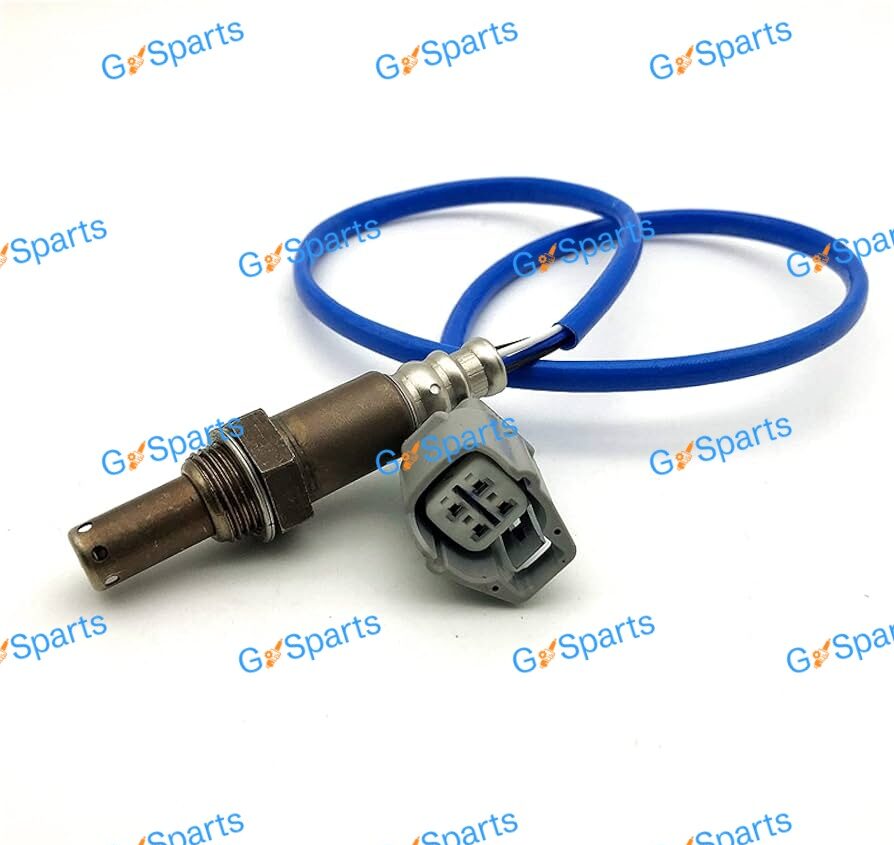
Ultimate Mazda Oxygen O2 Sensor PE02-18-86Z/PE02-18-86ZA – Cleaner Emissions & Stable Trims
O₂ sensor for Mazda3 (2014–2022) 2.0–2.5L (sedan/hatch) – Upstream / pre-cat. Specs: 4‑wire heated zirconia, direct OEM connector; M18×1.5 common thread.
Did you like this product? Add to favorites now and follow the product.

(+86) 180 07 12 47 38 WhatsApp, Telegram, WeChat
Description
OE‑style oxygen (lambda) sensor listing covering: Mazda3 (2014–2022) 2.0–2.5L (sedan/hatch). OEM/reference(s): PE02-18-86Z / PE02-18-86ZA. Position: Upstream / pre-cat. Typical specification: 4‑wire heated zirconia, direct OEM connector; M18×1.5 common thread. Brands/cross‑refs: Denso, Bosch, NTK direct-fit cross. Fitment: Use VIN to confirm PE02 variant and front vs rear sensor. Source: parts.mazdausa.com.
Introduction: Why Upstream Feedback Rules Drivability
Closed-loop fueling rises or falls with upstream signal quality, so choosing the right replacement matters. The upstream element compares exhaust oxygen against ambient and lets the ECU trim injector pulse to maintain stoichiometry under changing loads. When the cell is slow or noisy, trims drift, idle jitters with A/C, and fuel economy suffers. Replacing the old unit with Mazda Oxygen O2 Sensor PE02-18-86Z/PE02-18-86ZA restores heater mapping, response speed, and sample depth the calibration expects. The practical payoffs are shorter open-loop time after cold starts, smoother tip-in at neighborhood speeds, calmer timing at cruise, and fewer sulfur odors after hill climbs—quiet improvements that add up to predictable readiness and a car that simply behaves the way Mazda engineered it to.
Fitment Factors That Decide Success
Thread size is the easy part; precision lives in heater wattage, response curve, connector keying, lead length, and how the tip sits in the stream. A correct upstream part seats flat, latches decisively, and routes along factory clips without strain or contact with heat shields. By matching geometry and electrical behavior, Mazda Oxygen O2 Sensor PE02-18-86Z/PE02-18-86ZA places the ceramic at Mazda’s designed sample point, away from eddy zones that dilute oxygen and fake lean. Electrical equivalence means the ECU’s heater tests and switching thresholds pass immediately. That exactness prevents the “almost right” installs that behave on the lift but misfire after the first hot soak, saving bay time and diagnostic guesswork later.
Roles: Upstream vs. Downstream Are Not Interchangeable
On modern Mazdas, the upstream steers mixture in real time while the downstream audits catalyst efficiency; they differ in logic, heater power, and expected waveform. Installing Mazda Oxygen O2 Sensor PE02-18-86Z/PE02-18-86ZA in the upstream position restores brisk oscillation near lambda at light load so injector trimming and ignition stay decisive. Downstream should read comparatively calm when the converter is healthy. Swapping locations or using a slow universal upstream invites readiness delays, nuisance codes, and trims that won’t center. Choosing Mazda Oxygen O2 Sensor PE02-18-86Z/PE02-18-86ZA for the correct bank/position preserves that designed division of labor and the smooth drivability it enables every day.
Cold-Start Behavior: Heater Mapping You Can Feel
Cold starts define both emissions numbers and driver feel. Under-powered heaters prolong open-loop; over-powered ones overshoot temperature and stress ceramics. A correctly mapped element lights quickly, shrinks that first minute of roughness, and stabilizes idle as fans or A/C engage. With Mazda Oxygen O2 Sensor PE02-18-86Z/PE02-18-86ZA installed, early switching becomes crisp at warm idle and light cruise, keeping enrichment brief while the catalyst reaches efficiency without drama. Winter commutes smell cleaner, tip-in feels less soggy, and downstream monitoring calms sooner. Those small improvements compound across thousands of short trips, protecting substrates from thermal abuse and preserving fuel economy when ambient temperatures and fuel blends are least forgiving.
Recognizing a Tired Upstream in Daily Driving
Symptoms often sound like “soft” complaints: hesitation leaving lights, cruise surging, a sulfur whiff after hills, or a MIL for slow response. Live data reveals lazy cross-counts, stuck rich/lean behavior, or disagreement between throttle angle and airflow at steady pedal. After confirming there are no intake or pre-cat leaks, replacing the upstream with Mazda Oxygen O2 Sensor PE02-18-86Z/PE02-18-86ZA typically restores a lively, centered waveform. Short-term trims oscillate modestly near zero, long-term trims drift back toward center, and idle dips when accessories kick in largely disappear. The biggest change is subtle: the powertrain stops second-guessing and simply follows your right foot without drama.
Diagnostics First: Replace Once, Not Twice
Parts cannons waste money. Begin with a smoke test of intake and pre-cat exhaust, verify ground integrity and reference voltages, and confirm fuel pressure before condemning the element. Correlate throttle angle, MAF g/s, and trims at idle, light cruise, and gentle accel. If plumbing and wiring pass while switching remains dull, Mazda Oxygen O2 Sensor PE02-18-86Z/PE02-18-86ZA is warranted. After installation, repeat identical captures—warm idle, steady 2,300 rpm cruise, three gentle tip-ins, one clean decel. Expect brisk oscillation and centered trims, and save screenshots under the VIN. These baselines prove Mazda Oxygen O2 Sensor PE02-18-86Z/PE02-18-86ZA restored loop integrity and turn future diagnostics into quick compare-and-contrast instead of fresh mysteries.
Tools, Access, and Safety for a Clean Install
Exhaust work rewards patience and planning. Let the system cool fully to prevent burns and thread galling. Essentials include penetrant, a quality O2 socket, torque wrench, and a nylon brush for the bung. Hand-start Mazda Oxygen O2 Sensor PE02-18-86Z/PE02-18-86ZA so threads align cleanly, then torque to spec so the crush washer seals without shell distortion. Keep anti-seize off the sensing tip and avoid oils or silicone sprays that poison ceramics. Support the exhaust if leverage is needed, and dress the harness along factory clips with enough slack for engine rock. Boring details, yes—but they prevent intermittent faults that appear after heat-soak or rough roads.
Removal, Bung Care, and Thread Integrity
Break the old unit free without twisting the harness, clean threads lightly, and inspect the seat for pitting or carbon. Repair damaged bungs before continuing; a perfect sensor in a leaky joint gives bad data. Align and hand-start Mazda Oxygen O2 Sensor PE02-18-86Z/PE02-18-86ZA, then snug evenly with the proper socket. A careful approach preserves shell flatness and sealing so stray oxygen can’t dilute samples and fake lean. Good thread hygiene also helps the next service go smoothly years later. Five extra minutes here is cheap insurance against stubborn leaks and is often the difference between “fixed” and “almost.”
Harness Discipline, Routing, and Latch Confidence
Many comebacks trace to basics: half-latched connectors, looms rubbing brackets, or wires stretched across hot shields. After installing Mazda Oxygen O2 Sensor PE02-18-86Z/PE02-18-86ZA, tug-test the latch, anchor the harness in factory clips, and double-check strain relief near the plug. Keep the loom at least a few finger-widths from hot panels, adding heat sleeve if needed. Photograph routing for the work record. These small habits stop fretting pins, intermittent dropouts, and odd faults that surface only after your first long highway run. When in doubt, re-seat until the click is unmistakable; connector tension is your friend in a vibrating, heat-soaked environment.
Leak Integrity: Five Minutes That Save Hours
Micro-leaks upstream of the sensor pull in fresh air and fake lean, pushing trims positive and confusing diagnosis. After fitting Mazda Oxygen O2 Sensor PE02-18-86Z/PE02-18-86ZA, listen for tick-like leaks at the bung, then smoke the joint and nearby flanges. If trims wander despite a crisp upstream waveform, suspect injector imbalance, marginal fuel pressure, or unmetered air downstream of the MAF rather than the new element. The point of restoring upstream fidelity is to make remaining faults obvious. Once the truth source is credible, you’ll pinpoint real constraints quickly instead of chasing phantom mixture problems for days.
Live-Data Confirmation: What “Good” Looks Like
At warm idle and light cruise, a healthy upstream shows rapid oscillation around stoichiometric, with STFT moving modestly around zero and LTFT hovering near center. Add three clean tip-ins; enrichment should be brief and proportional, with timing steadying as load stabilizes. Seeing that pattern after Mazda Oxygen O2 Sensor PE02-18-86Z/PE02-18-86ZA proves the controller trusts its feedback again. Save screenshots as a baseline tied to the VIN; six-month overlays should look tidy if the loop remains healthy. If switching slows over time, re-smoke the intake and re-check fuel pressure before suspecting the sensor—most drift is environmental, not electronic.
Drive Cycle & Readiness Without Drama
Platforms differ, but most want a warm idle, steady suburban cruise, and one or two engine-brake decels. If trims were far off, clear codes to speed adaptation. After installing Mazda Oxygen O2 Sensor PE02-18-86Z/PE02-18-86ZA, expect quick closed-loop entry, centered trims at cruise, and a calming downstream trace as the converter lights. EVAP may lag because of fuel-level or ambient constraints—normal behavior that resolves once conditions are met. Predictable readiness is the practical sign-off that plumbing, heater mapping, and upstream behavior are aligned and that your repair isn’t propped up by luck.
Start-Stop, Short Heat-Soaks, and Urban Use
Frequent restarts and brief hot soaks punish marginal loops. Rough re-lights, shudder with A/C on, or a rich whiff after long signals often trace to slow lighting or tiny leaks—not just electronics. With Mazda Oxygen O2 Sensor PE02-18-86Z/PE02-18-86ZA in place, the ECU re-enters closed loop quickly, and idle remains steady as accessories load the engine. Pair the new sensor with a healthy thermostat so coolant rises into the monitor window promptly. That combination keeps downstream monitoring calm, protects catalysts from thermal spikes, and makes start-stop feel seamless rather than fussy through winter traffic and summer heat.
Fuel Economy & Emissions: Quiet, Bankable Gains
Small control-loop improvements compound across thousands of kilometers. With consistent upstream feedback from Mazda Oxygen O2 Sensor PE02-18-86Z/PE02-18-86ZA, the ECU trims unnecessary enrichment, steadies cruise speeds, and prevents plug sooting during daily short trips. Drivers notice quieter operation and fewer hesitation complaints; inspectors see predictably clean numbers. Protecting the catalyst from persistent rich operation extends service life and reduces the chance of P0420 after long grades. The result isn’t flashy power—it’s refined normality that saves fuel and money while keeping the dash light dark.
Modified Vehicles: Heat, Routing, and Repeatability
Intakes, headers, or turbo hardware change local temperature and flow. To keep feedback stable, maintain sample depth and correct bung angle so the cell avoids turbulence. Shield nearby looms and add reflective sleeve where wiring passes close to hot panels. After installing Mazda Oxygen O2 Sensor PE02-18-86Z/PE02-18-86ZA, validate with a short loop and save screenshots. Tuners benefit from a stable upstream truth source—maps target reality rather than compensate for lag—yielding repeatable pulls, civilized street manners, and readiness that sets before inspection without extra drive cycles or workaround strategies.
E-Commerce Clarity That Prevents Misorders
Great product pages eliminate friction before it starts. A proper listing for Mazda Oxygen O2 Sensor PE02-18-86Z/PE02-18-86ZA should show connector macro photos, lead length, seat depth, bank/position callouts, and supported emissions families. Include torque spec, a concise install guide, and a three-step drive-cycle primer so DIY buyers move from checkout to proof without guesswork. Shops appreciate batch codes and packaging photos for receiving inspection. Clear information reduces returns, speeds readiness, and turns nervous buyers into confident customers who complete the loop successfully the first time.
Authenticity & Receiving Inspection
Copycat parts commonly skimp on electrode loading, sealing, or heater calibration. Source Mazda Oxygen O2 Sensor PE02-18-86Z/PE02-18-86ZA from vendors who share real connector close-ups, batch codes, and moisture-controlled packaging. At receiving, inspect housing flatness, tip protection, and latch tension before the car hits the lift. Five minutes of checks protect hours later by catching out-of-box variability that would otherwise masquerade as “weird drivability.” Authentic components align with Mazda’s heater tests and transient behavior, so the ECU returns to optimization instead of masking noisy data with blunt enrichment that wastes fuel and ages hardware.
Owner Baseline Logging Without Shop Tools
You can verify outcomes with a Bluetooth OBD adapter and a reliable app—no lab needed. After installing Mazda Oxygen O2 Sensor PE02-18-86Z/PE02-18-86ZA, log warm idle for sixty seconds, steady 2,300 rpm cruise, three gentle tip-ins, and one clean decel. Healthy results show brisk upstream switching, modest STFT oscillation, LTFT near center, and a downstream trace that calms as the converter lights. Save screenshots under your VIN; repeat at each oil change. Neat overlays confirm the repair is aging gracefully and flag drift early—typically leaks, fuel-pressure variance, or contamination—before it becomes a drivability complaint.
Fleet & Shop SOP: Variance Is the Enemy
Standardization lowers chaos in busy bays. Stocking Mazda Oxygen O2 Sensor PE02-18-86Z/PE02-18-86ZA for eligible platforms gives technicians one connector feel, one routing plan, and a predictable waveform signature. Add a repeatable acceptance checklist—torque noted, bung photo, upstream/downstream screenshots at idle and cruise—and comebacks plummet. Monitor set times shrink, retest fees fall, and warranty conversations get shorter because evidence is baked into the work order. Quiet, repeatable results are the KPI wins that move throughput and satisfaction without extra headcount or heroic troubleshooting.
Troubleshooting If Trims Still Wander
If trims remain unreasonable after replacement, re-smoke the intake and pre-cat, validate fuel pressure under load, and scope ignition for random misfires. Confirm ground integrity and reference voltage while accessories cycle. When the upstream waveform is crisp after Mazda Oxygen O2 Sensor PE02-18-86Z/PE02-18-86ZA yet trims drift, the bottleneck is usually airflow measurement, injector balance, or a subtle leak—not the new sensor. The whole point of restoring upstream fidelity is that remaining faults stand out and can be fixed efficiently, without firing the parts cannon or rewriting a healthy calibration.
Case Study: Urban Stop-Start Confidence Restored
A commuter reported hesitation and idle shake when A/C engaged, plus long readiness after battery service. Pre-install logs showed sluggish switching and pinned trims during tip-in. After fitting Mazda Oxygen O2 Sensor PE02-18-86Z/PE02-18-86ZA, warm-idle oscillation turned brisk, trims re-centered, and the downstream trace calmed as the converter lit. The driver noticed smoother creep, fewer steering-wheel vibrations at lights, and quicker monitor set. Before/after screenshots attached to the invoice created a useful baseline for future visits, turning a subjective complaint into objective proof that the loop is healthy and likely to stay that way across seasons and traffic.
Regulatory Notes & Emissions-Legal Choices
In strict regions (e.g., CARB states), inspectors may verify approvals during visual checks. If your program requires it, ensure your chosen Mazda Oxygen O2 Sensor PE02-18-86Z/PE02-18-86ZA or its approved equivalent carries the right certification for your engine family. Keep the invoice, batch code photo, installation date, and brief live-data baseline (idle and light cruise). That documentation prevents retest disputes and accelerates warranty conversations. Where no approved universal exists, stick with application-specific components to avoid readiness delays and catalyst flags that aren’t actually caused by feedback—just by non-conforming parts.
Sustainability & Long-Term Component Health
Accurate lambda control reduces raw hydrocarbons, keeps substrates within design temperature, and avoids blunt enrichment that ages hardware. Over thousands of kilometers, Mazda Oxygen O2 Sensor PE02-18-86Z/PE02-18-86ZA helps maintain compliance without drama while saving fuel at the margins every week. Cleaner exhaust, fewer parts tossed early, and less diagnostic thrash are practical environmental wins. For fleets, they show up as steadier KPIs and lower operating costs; for private owners, they feel like a car that passes inspection, holds speed calmly, and stops asking for attention—because the feedback loop finally trusts its upstream truth source again.
Pre-Inspection Fast-Track Checklist
Before heading to the lane, aim for ¼–¾ tank, confirm coolant is fully warm, and ensure no pending misfire or heater-circuit codes remain after installing Mazda Oxygen O2 Sensor PE02-18-86Z/PE02-18-86ZA. Drive five to seven minutes at a steady 60–80 km/h, then perform one clean engine-brake decel from roughly 3,000 to 1,500 rpm. On your OBD app, look for brisk upstream switching, STFT oscillating modestly around zero, LTFT near center, and a calm downstream trace as the catalyst lights. If EVAP lingers, that’s conditions—not the upstream—so repeat with ambient and fuel-level requirements met and finish the day with a confident pass.
Documentation Discipline That Pays Later
Quality work should be measurable. Photograph the bung condition, connector latch, and harness routing. Save before/after screenshots at warm idle and light cruise, and attach torque notes to the work record. With Mazda Oxygen O2 Sensor PE02-18-86Z/PE02-18-86ZA installed, this baseline accelerates future diagnostics and keeps warranty short and painless. It also trains newer techs to hit the same high bar without guesswork. Months from now, when a new complaint appears, you’ll compare data to day-one truth and make decisions in minutes, not hours—turning small discipline into real throughput.
Total Cost of Ownership: Why Precision Pays
The cheapest option isn’t cheap if it triggers retests, comebacks, or early catalyst wear. A trustworthy upstream clarifies decisions, shortens diagnostic trees, and preserves hardware downstream. Pair Mazda Oxygen O2 Sensor PE02-18-86Z/PE02-18-86ZA with a simple maintenance rhythm—verify no exhaust leaks each oil change, keep air filters fresh, and fix misfires quickly—and the loop stays healthy. That’s how a modest repair pays back: fewer wasted liters, fewer hours lost, and far fewer surprises. The return shows up in calm dashboards, predictable readiness, and a driving experience that feels consistently “right,” day after day.
Conclusion: Back to the Factory Rhythm
Precision parts plus disciplined process create the feel drivers notice: smooth idle, linear throttle, steady cruise, and a dash that stays silent. Install Mazda Oxygen O2 Sensor PE02-18-86Z/PE02-18-86ZA thoughtfully, validate with live data, document the outcome, and enjoy the result—centered trims, crisp transitions, and readiness that sets without drama. When the upstream truth source is credible, everything downstream becomes easier: tunes behave, inspections pass, and trips feel effortless. That quiet excellence is the point of getting this job right the first time—and the everyday reward that follows.
External Resources (Standards & Technical References)
- SAE J1979 — OBD-II Diagnostic Test Modes
- ISO 15031 — Road Vehicles/Scan Tool Communication
- US EPA — Basic Information on OBD-II
- NGK/NTK — Oxygen (Lambda) Sensors Overview
- Bosch Mobility — Oxygen Sensor Technology
Related Internal Links
Additional information
| OEM / Reference | PE02-18-86Z / PE02-18-86ZA |
|---|---|
| Brands / Cross | Bosch, Denso, NTK direct-fit cross |
| Models | Mazda3 (2014–2022) 2.0–2.5L (sedan/hatch) |
| Position | Upstream / pre-cat |
| Specifications | 4‑wire heated zirconia, direct OEM connector; M18×1.5 common thread |
| Fitment note | Use VIN to confirm PE02 variant and front vs rear sensor. |
| Source | parts.mazdausa.com |
Related products



G-SPARTS – Leading Auto Parts Supplier Since 2009
Trusted by 1000+ Clients Worldwide | Chinese (BYD, Geely, Chery, …), Japanese (Toyota, Honda, Nissan, …), European (BMW, Mercedes, VW, …) & American (Ford, Chevrolet, Tesla, …) Car Spares | Best Prices & OEM Quality | 15+ Years Expertise | Professional Team, Fast Global Shipping
Copyright 2025 © G-Sparts All Rights Reserved. | Premium Chinese Auto Parts Supplier – Worldwide Shipping | Best Prices on OEM & Aftermarket Spares

Reviews
There are no reviews yet.