
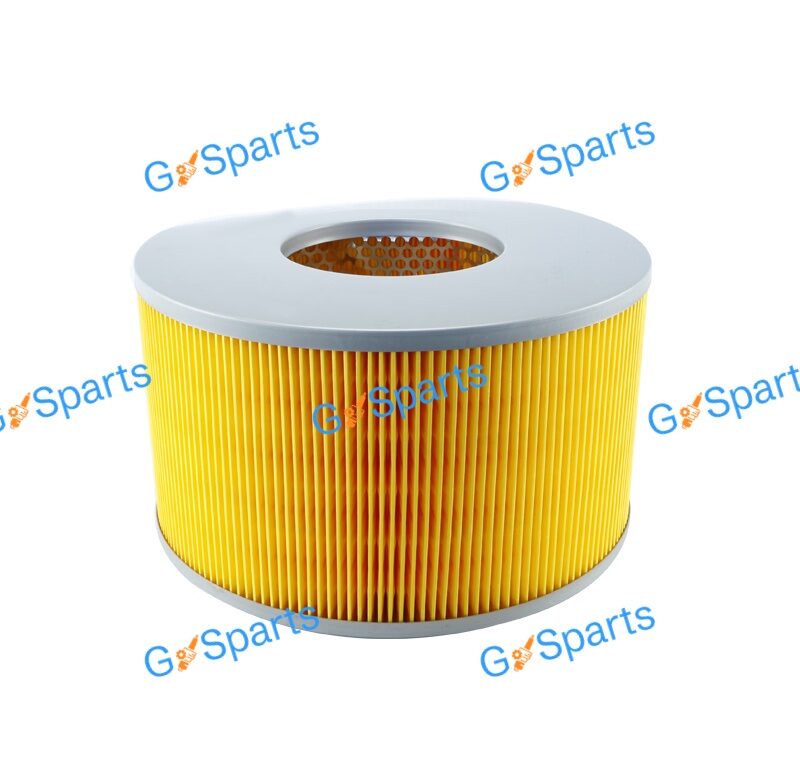
Powerful Long-Life Assurance — High-Quality Toyota Air Filter 17801-17010 / 17801-17020 | G-Sparts 2025
Reliable Toyota air filter for Corolla, Yaris, Corolla Cross (2019–2025)
Did you like this product? Add to favorites now and follow the product.

(+86) 180 07 12 47 38 WhatsApp, Telegram, WeChat
Description
The Toyota air filter 17801-17010 / 17801-17020 ensures maximum airflow and filtration performance. Specs: Panel type (supplier listings). Cross-references: Toyota Genuine; aftermarket panels. Fits: Corolla, Yaris, Corolla Cross (2019–2025). Notes: Used in SE Asia; verify VIN & regional catalog.. Trusted OEM replacement compatible through 2025, designed to protect Toyota & Lexus engines.
Platform Overview and Why This Filter Matters
Owners of compact and compact-plus Toyota vehicles want an engine bay that feels “factory right” on every start, in any season. The panel element specified for these airboxes restores a predictable pressure-drop curve, calms MAF readings, and returns tip-in to a smooth, linear feel. When the right footprint meets the correct sealing land, the lid closes once and stays silent, protecting drivability across city hops and highway climbs. This is especially relevant for mixed fleets of Corolla, Yaris, and Corolla Cross models where one footprint can span multiple trims and years. For that dependable, OE-correct outcome, many technicians standardize on Toyota Air Filter 17801-17010, and seasoned DIYers increasingly ask for Toyota Air Filter 17801-17010 by name.
Fitment Scope Across Corolla, Yaris, and Corolla Cross
Model lineups and market packages evolve quickly, and a filter that truly fits must match the housing geometry rather than just a catalog line. In Southeast Asian catalogs, the footprint covers late-2010s Corolla families, regional Yaris variants, and emerging Corolla Cross applications, with engine codes dictating final confirmation. The payoffs of choosing correctly are quiet: no reed-tone whistle, no mid-throttle hiss, and a return to effortless cruise on light grades. A quick VIN check captures build plant and trim exceptions so installation becomes a one-pass success. Based on those realities, owners looking for predictable results focus on Toyota Air Filter 17801-17010 as their starting point for a painless service experience.
Dimensions, Construction, and Why Geometry Wins
Panel elements succeed or fail on details you can’t always see in a thumbnail photo. Frame stiffness prevents corner bow under lid load, bead durometer ensures even compression, and pleat architecture manages dust loading without late-interval spikes. Supplier listings describe a panel-type design tuned for the airbox’s seal land and snorkel angle, creating a stable airflow signature the ECU can trust. The result is consistent torque delivery without the woolly throttle feel that creeps in when restriction rises. If you want a car that simply feels “right” again, matching the intended geometry is the whole game, which is why installers return to Toyota Air Filter 17801-17010 for repeatable, OE-style outcomes.
Hybrid vs. Non-Hybrid Intake Behavior
Hybrids pulse the engine on and off, while non-hybrids run continuously across wider load envelopes. That difference changes resonance and transient airflow at the element. A panel designed to behave predictably in both scenarios keeps trims calm and prevents odd noises that sometimes follow a generic fit. Drivers won’t see charts—they’ll feel smoother restarts, steadier idle quality, and fewer gear hunts at suburban speeds. The easiest way to hit that target is to choose the footprint the housing expects, then install methodically. For owners who want calibration-faithful responses without experimentation, Toyota Air Filter 17801-17010 is the pragmatic, drop-in choice that respects both hybrid and non-hybrid realities.
Cross-References and Catalog Confidence
Online results mix OE numbers with private-label and brand-name equivalents, which is helpful only if geometry truly matches. Before relying on cross-refs, confirm published dimensions, study the sealing bead profile in high-resolution photos, and verify trim coverage by model year. A VIN lookup resolves regional nuance, preventing Saturday surprises. When the goal is an uneventful test drive and a lid that closes cleanly the first time, many counters treat Toyota Air Filter 17801-17010 as the anchor part number, mapping equivalents to it rather than the other way around. That approach keeps the shopping process simple and the installation result blissfully boring—in a good way.
Daily Drivability You Notice by Not Noticing
Most drivers judge maintenance by pedal precision, shift timing, and the absence of fuss. A stable, OE-profile panel restores the intake’s intended pressure-drop, so the ECU refines rather than corrects during hot afternoons, humid mornings, and quick altitude changes on weekend drives. Launches regain crispness, midrange steadies on rolling terrain, and light-throttle merges become effortless again. The improvement isn’t theatrical horsepower; it’s the removal of friction you were masking with extra pedal. For that “like new” feel without guesswork, installers choose Toyota Air Filter 17801-17010, aligning the intake path with calibration expectations so the car quietly does exactly what it’s supposed to do.
Fuel Economy Stability Over Real-World Routes
Economy gains arrive in small moments—steadier cruise with less pedal, smoother closed-loop trims, and fewer corrective downshifts. When the element maintains its shape and seal through the interval, those little wins add up over months. Pair the intake refresh with a cabin filter to reduce HVAC load and keep the evaporator fresher, especially before hot season. Keep a simple log—mileage, weather, and one sentence on throttle feel—to decide your next change with confidence. A consistent footprint makes that cadence repeatable, and Toyota Air Filter 17801-17010 is designed to hold its pressure-drop profile so MPG displays track expectations rather than wandering without explanation.
Engine Protection That Pays Dividends Later
Dust bypass is the enemy of cylinder walls, ring lands, and—on shared platforms—compressor blades where fitted. Even capture across the pleat field matters more than a single micron headline, and a rigid frame preserves seal integrity when roads get corrugated or engine bays run hot. Over time, that discipline shows up as steadier compression, fewer oil consumption mysteries, and cleaner throttle bodies. Preventive care compounds quietly, and it costs far less than downstream repairs. Anchoring your intake routine with Toyota Air Filter 17801-17010 provides that frontline defense, turning a small spend into multi-year stability for high-value components you’d rather not replace.
Emissions Readiness and Sensor Harmony
Stable airflow helps oxygen sensors and fuel trims live within their preferred bands, shortening readiness cycles after battery disconnects or module updates. Tiny leaks at a rolled corner or bowed frame add noise to the signal and can delay inspections in markets that check monitors. Think of the intake panel as emissions hardware by another name: it protects catalysts from thermal stress by reducing control effort in the first place. For a quietly compliant ownership experience, refreshing with Toyota Air Filter 17801-17010 on schedule keeps the powertrain invisible in the best way—no lights, no drama, just uneventful passes through readiness.
Climate and Storage Considerations
Coastal air lays a film on fibers; inland dust loads pleats silently; long storage can stiffen gaskets. If the car sits, resume service with a perimeter check and confirm the airbox drain is clear. After gravel detours or construction-zone parking, plan a quick inspection rather than waiting for symptoms. Keeping intake behavior boringly stable protects drivability during heat waves and preserves that hushed cruise at 90–110 km/h. A consistent, OE-style element simplifies seasonal adjustments, which is why owners in varied climates standardize on Toyota Air Filter 17801-17010 for a single, dependable part number that behaves across environments.
Sourcing Without Guesswork
E-commerce listings can blur dimensions or hide the bead profile behind stylized photos. Favor sellers who publish exact measurements, coverage by engine code, and high-resolution images of the sealing surfaces. Packaging should protect pleats from crush and keep the gasket from flattening in transit. On arrival, bench-match the new element to the old—length, width, depth, and flow arrow—before opening the airbox. That sixty-second gate prevents weekend detours. When details align, installation becomes a single session and the first drive is blissfully familiar, which is exactly the reputation Toyota Air Filter 17801-17010 has earned with careful DIYers and busy service bays.
DIY Steps for a One-Pass Install
Set a clean surface, release clips evenly, and lift the lid without stressing the snorkel or MAF wiring. Vacuum the lower box to remove grit and leaves that can whistle later, then wipe the sealing land with a lint-free cloth. Seat the panel square—watching each corner so the gasket doesn’t roll—then close the lid without force; compression comes from design, not muscle. Sight down the edges to confirm uniform contact, latch, and take a short mixed-speed loop. If all you notice is nothing, that’s success. This tidy method pairs perfectly with Toyota Air Filter 17801-17010, which rewards neat hands with a quiet acceptance drive every time.
Avoiding Pitfalls and Solving Little Noises
Most complaints trace to basics: a pinched gasket, debris left in the lower box, a clip that didn’t bite, or a lid forced against the frame. If a thin flute-like tone appears at a specific RPM, reopen and check snorkel alignment and perimeter seating. Avoid oily dressings near the MAF grid; residue invites false readings. Finish with a fingertip sweep to confirm continuous compression around the seal land. A rigid frame and correct bead profile eliminate most of these problems up front, which is why technicians who value one-and-done outcomes specify Toyota Air Filter 17801-17010 for routine services.
City, Suburban, and Highway Scenarios Covered
Urban stop-and-go exposes hesitation if restriction creeps up; suburban loops reveal faint whistle from a lifted lid corner; highways test gear stability on light grades with the blower high. Restoring the intake baseline addresses all three at once—launches regain crispness, midrange steadies under A/C load, and cruise becomes quietly efficient again. The best results feel unremarkable—exactly like a well-kept Toyota should. Owners looking for this across-scenario composure reach for Toyota Air Filter 17801-17010, because it returns the air path to calibration intent without inviting new variables.
Data You Can Track Without Special Tools
Capture short- and long-term trims at warm idle, note throttle angle at a fixed speed on a familiar road, and jot one line about a known hill. Repeat under similar weather after the swap. Expect slightly less pedal for the same pace and calmer trims to match the seat-of-the-pants calm. Save screenshots with your maintenance log; next season’s decision becomes obvious. Because geometry is consistent, Toyota Air Filter 17801-17010 keeps comparisons fair and turns vague impressions into a repeatable, data-backed cadence.
Interval Planning for Real-World Conditions
Handbooks give a solid baseline, but pollen bursts, monsoonal humidity, and construction dust can shorten the effective interval. Stage a proactive refresh before hot season so the intake starts with margin when density drops and accessory loads rise. Pair the change with a cabin filter to protect HVAC performance and minimize evaporator odor. Keep a small log—date, mileage, conditions, and a sentence on pedal feel. Owners who prefer predictability make Toyota Air Filter 17801-17010 their baseline part so interval planning feels effortless rather than experimental.
Warranty-Safe Maintenance and Documentation
Good records protect you. Save receipts, note mileage and date, and snap a photo of the installed element and odometer. If a shop performs the work, ensure the exact part number appears on the repair order. Buying online? Print the product page with dimensions and coverage and file it with the invoice. These habits create a clear paper trail while preserving the composed drivability you expect. They also reinforce that your choice—Toyota Air Filter 17801-17010—meets OEM intent, supporting peace of mind if warranty questions ever arise.
Fleet, Rideshare, and High-Cycle Duty
Heat soak and start-stop cycles expose weaknesses quickly in high-utilization vehicles. Standardize intervals by kilometers and climate, keep elements on hand, and train drivers to flag early hints: woolly throttle, faint whistle, or a busier fan at idle. Add a two-minute lid check to oil changes to catch drift before it becomes a complaint. Operations teams prefer repeatability, and Toyota Air Filter 17801-17010 installs quickly, seals predictably, and yields consistent outcomes across mixed-year fleets that share this airbox footprint.
Environmental Stewardship From a Small Part
Used elements trap more than dust; hydrocarbons and road film cling to fibers. Bag the old panel to protect cargo liners and check local guidance for recycling cartons or frames. Stable metering also avoids wasted fuel over thousands of kilometers—a quiet environmental win that accumulates commute by commute. Because fit is precise and the profile holds through the interval, rework and shipping waste decline. In short, responsible habits pair naturally with Toyota Air Filter 17801-17010, making cleaner operation the default rather than an aspiration.
Regional Catalog Nuance and SE Asia Focus
Regional parts systems sometimes list successor numbers or parallel fits based on assembly plant and emissions package. Southeast Asia catalogs frequently align the footprint with multiple trims that North American lists separate, which underlines the importance of VIN verification. Supplier notes may cite sibling references like 17801-17020 for context, but the housing geometry remains the final arbiter of fit. When you want one answer that works across those regional distinctions, Toyota Air Filter 17801-17010 is the practical, field-tested selection that service counters recognize for its reliable closure and quiet post-install road test.
Towing, Cargo, and Holiday Travel Prep
Even compact vehicles see heavy-load duty during holiday seasons—roof boxes, passengers, and mountain routes. Added thermal load makes intake discipline matter more, and a fresh, well-seated panel preserves throttle precision on long grades while reducing mid-trip sogginess. Refresh the element before travel, inspect the snorkel for debris, and plan a quick lid pop after dusty parking. These five-minute habits pay back for months. The predictable fit and stable media of Toyota Air Filter 17801-17010 make those checks quick, so you start each demanding week with the intake baseline restored.
Post-Detailing and After-Shop Etiquette
Engine-bay washing or larger repairs can leave microfiber lint or leaves near the snorkel. Pop the lid, flashlight the path, and confirm the airbox drain is clear so no water pools. Reseat the lid evenly and do a quiet neighborhood pass followed by a brief highway cruise to catch reed-tones or lid chatter. These tiny habits prevent comebacks and protect the refined soundtrack that defines modern Toyota sedans and crossovers. They’re also easier when the panel seats squarely, which is the hallmark of Toyota Air Filter 17801-17010 in everyday maintenance.
Troubleshooting Subtle Intake Noises
A whistle that appears at one RPM often points to a slightly lifted edge or debris at the seal land; a buzz over bumps can indicate a mislatched clip. If trims wander more than expected after service, inspect for a rolled corner or a lid rib pressing on the frame. Correcting these takes minutes and restores the muted intake hush you expect. Because part geometry is a known constant, starting with Toyota Air Filter 17801-17010 narrows variables immediately, turning diagnosis into quick verification rather than trial-and-error guesswork.
What “OE-Correct” Feels Like on the Road
The biggest compliment to an intake service is forgetting it happened. Linear throttle, quiet cruise, clean tip-in with the A/C high, and an instrument cluster that reports steady economy—those are the tells. Achieving them reliably is about removing variables: correct footprint, even compression, and stable pleat support across the interval. That’s the design brief behind Toyota Air Filter 17801-17010, a panel that aligns with housing lands and calibration targets so the ECU can refine, not chase noise. For drivers who prefer competence over theatrics, it’s the simple, durable choice.
Bringing It All Together for Predictable, Factory-Correct Results
Great ownership experiences are built on small, disciplined steps: choose an element that matches the housing, install methodically, verify with a short drive, and log what you feel. Across Corolla, Yaris, and Corolla Cross applications in the covered years and regions, Toyota Air Filter 17801-17010 meets that brief with an OE-style seal, steady pressure-drop behavior, and an intake note that disappears. Plan cadence by climate and routes, keep simple notes, and let Toyota Air Filter 17801-17010 anchor an air path that stays happily invisible—exactly how a well-maintained Toyota should feel.
External Resources (Authoritative)
- Engine Air Filter — Wikipedia
- Honda Genuine Parts – Air Filters
- Toyota Genuine Engine Air Filters
- Bosch Automotive – Engine Air Filters
- MANN-FILTER – Engine Air Filters
- MAHLE Aftermarket – Air Filters
- K&N Performance Air Filters
- SAE International – Engine Air Filter Papers
Internal Links — G-Sparts Air Filters
Related products


Buy Genuine Toyota Rear Brake Pad Kit 04466-02310 – Corolla (~2009–2019) / Matrix (2012–2014) | OEM Comfort, Quiet Braking, Long Life
Original price was: $64.00.$50.00Current price is: $50.00.


Genuine Toyota Front Brake Pad Kit 04465-0E010 – Highlander (2010–2019) / Sienna (2011–2020) | Quiet Confidence, OE Fit, Long-Life Value
Original price was: $88.00.$75.00Current price is: $75.00.Recently Viewed Products


G-SPARTS – Leading Auto Parts Supplier Since 2009
Trusted by 1000+ Clients Worldwide | Chinese (BYD, Geely, Chery, …), Japanese (Toyota, Honda, Nissan, …), European (BMW, Mercedes, VW, …) & American (Ford, Chevrolet, Tesla, …) Car Spares | Best Prices & OEM Quality | 15+ Years Expertise | Professional Team, Fast Global Shipping
Copyright 2025 © G-Sparts All Rights Reserved. | Premium Chinese Auto Parts Supplier – Worldwide Shipping | Best Prices on OEM & Aftermarket Spares

Reviews
There are no reviews yet.