
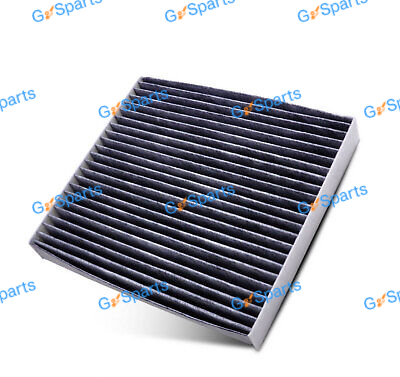
Ultimate Fresh-Air Boost — Toyota Cabin Filter 87139-50060
Toyota Cabin Filter 87139-50060 – Corolla, Avalon, 4Runner (2009–2013) delivers a confidence-inspiring OE fit with optimized pleat density for powerful dust, pollen, and soot capture while maintaining low restriction for quiet HVAC performance. Moisture-stable, warp-resistant framing preserves a tight seal to stop bypass leaks and keep your evaporator clean. Clear airflow arrows support a quick, tool-light glovebox install. Refresh annually or every 15–20k km, sooner in dusty or urban environments. Elevate defogging speed, protect blower longevity, and enjoy consistently fresher cabin air across your Toyota. Choose the carbon-media variant for aggressive odor control during city commutes and long highway drives.
Did you like this product? Add to favorites now and follow the product.

(+86) 180 07 12 47 38 WhatsApp, Telegram, WeChat
Description
Toyota cabin air filter 87139-50060 is a genuine OEM element designed for older Corolla, Avalon, and 4Runner models (~2009-2013). Standard paper media ensures effective pollen and dust filtration. Replaced by newer part numbers such as 87139-50100 in later models. Ideal for servicing legacy vehicles where newer filters do not fit. Always confirm housing compatibility by VIN.
Clean-Air Foundations for Legacy Toyota Cabins
A calm, odor-free interior depends on steady airflow and filtration that captures dust and pollen without forcing the blower to work overtime. Owners of older Corolla, Avalon, and 4Runner models often want an OEM-style element that simply fits, seals, and restores that “just-detailed” feel after every replacement. This is where Toyota Cabin Filter 87139-50060 shows its value: the shape, gasket compression, and pleat geometry align with the original cassette so air is pushed through the media rather than around it. When you choose Toyota Cabin Filter 87139-50060, you’re choosing predictable HVAC behavior—quicker demist on damp mornings, fewer stale startups, and quieter fan operation at the speeds you actually use.
Fitment Scope and VIN-Check Confidence
Coverage for legacy platforms can be broad, but not universal, and regional packages sometimes shift cassette doors, latch profiles, or rail clearances. Before ordering, confirm fit by VIN to avoid the common near-miss where a frame corner or foam thickness prevents a clean latch. Once verified, installing Toyota Cabin Filter 87139-50060 becomes a tool-light routine: the tray slides out smoothly, the element seats squarely, and the access panel clicks shut with even compression. That repeatable outcome is the essence of maintaining older Toyota cabins—reliable sealing that preserves airflow tone, prevents bypass, and keeps the system’s response crisp on hot afternoons and foggy nights alike.
Supersession Trails and Legacy Parts Strategy
As models evolve, part numbers migrate, and later elements may not share the exact geometry your housing expects. For owners keeping pre-refresh cars healthy, the smartest move is mapping earlier codes to current availability while refusing “universal” shortcuts that compromise sealing. In this context, Toyota Cabin Filter 87139-50060 is the reference point many catalogs still list for older cassettes, and stocking it avoids the guesswork of trial-and-error orders. Because Toyota Cabin Filter 87139-50060 follows the original envelope, it preserves latch feel and gasket compression, which directly translates to stable pressure drop and even vent distribution—qualities you notice every time you set the fan a step lower.
Paper Media Construction and Capture Mechanics
Cabin filters appear simple, yet fiber diameter, binder chemistry, and pleat spacing govern both capture efficiency and breathing resistance. The paper media spec typical of this legacy element intercepts pollen, road grit, and airborne dust effectively while minimizing turbulence. Correct pleat uniformity maintains surface area so the blower can achieve specified flow without surging. When air is compelled through a consistent mat, evaporator fins stay cleaner and condensate drains suffer fewer biofilm issues. With a properly seated OEM-style insert, the entire HVAC chain runs inside its design window—meaning comfortable vent temperatures, less glass haze, and a quieter ride even as conditions change outside.
Airflow, Pressure Drop, and Everyday Quiet
Engineers tune HVAC systems to a resistance window that lets each fan step deliver predictable volume. Too much restriction forces louder operation for less comfort; too little undermines capture and can trigger odd tonal harmonics. The form and pleat density associated with Toyota Cabin Filter 87139-50060 keep the system near that sweet spot, restoring swift defogging and balanced outboard vent output. Because legacy cabins transmit blower notes differently than newer platforms, small improvements in resistance feel large behind the wheel. Replacing Toyota Cabin Filter 87139-50060 on cadence keeps the fan one click lower during commutes, helping conversations and audio stay crisp without a background rush.
Practical Signs It’s Time to Replace
Your car hints before comfort fades: windows take longer to clear, a fine dust returns to the dash days after cleaning, or the fan sounds busier at the same setting. A visual check often shows dark leading pleats with lint lodged in the valleys. Swapping in Toyota Cabin Filter 87139-50060 preemptively—before spring blooms or a dusty road trip—resets pressure drop, improves scent neutrality, and reduces reliance on high fan bursts. That simple habit protects the evaporator from a film that otherwise demands chemical cleaning later. The earlier you restore a clean baseline, the longer the interior feels calm between detail sessions.
Preparation Steps for a Frictionless DIY
Set the stage so nothing snags: park level, set the brake, and empty the glove box so it can pivot fully. Photograph the airflow arrow on the old element to remove guesswork. Use a flashlight and a handheld vacuum to clear cassette rails where grit hides and can skew seating. Keep Toyota Cabin Filter 87139-50060 sealed until insertion so edges remain crisp. Align gently, seat fully, and listen for a decisive click from the tray. After reassembly, cycle fresh air and recirculation across fan speeds; a smooth, uniform tone confirms an even seal that will keep your vents steady and your windows clearer Toyota Cabin Filter 87139-50060.
Step-By-Step Replacement Without Surprises
Release the glove-box stops and damper so the door swings farther. Open the HVAC access door and slide the filter tray outward while supporting it on both sides to avoid flex. Withdraw the used element carefully so captured debris doesn’t tumble into the cassette. Inspect the slot for leaves or wrappers, vacuum the rails, and confirm the guide tangs are free. Align the arrows on the new insert, push the frame in square without buckling pleats, and close until the latch clicks. Refit the panel and hardware, then run a quick sound-and-flow check. A consistent hush indicates sealing is tight and bypass-free.
Sealing Integrity and Bypass Prevention
The best media can’t compensate for a leaky perimeter. After installation, place a hand near the glove-box area and listen for hiss that rises with fan speed; that’s a tell for edge leakage or a half-latched door. Don’t force a stubborn latch—reseat the frame and confirm debris hasn’t wedged into a rail. Properly seated, Toyota Cabin Filter 87139-50060 compresses its gasket evenly, keeping fines off the evaporator where cleaning is tedious. Stable sealing also prevents whistling at mid fan settings, a common nuisance when corners bow. A minute of diligence now saves months of odor-chasing and intermittent rattles later.
Odor Control and Duct Hygiene
Paper media focuses on solids, so pair it with simple duct care to keep the cabin neutral. After you install a fresh element, run fresh air at moderate speed for a few minutes to flush the cowl and passages, then switch briefly to recirculation to condition interior volume. If stubborn scents persist, consider an evaporator foam treatment—used carefully to avoid sensor contamination—followed by a longer purge drive. Avoid heavy perfumes that mask rather than solve sources. With a clean evaporator face and tight seal, your OEM-style insert will hold a neutral baseline longer, making every start smell like a recent detail.
Seasonal Strategy That Keeps Performance Stable
Treat filtration like wipers: seasonal and environment-aware. Replace before spring blooms, inspect after dusty summer travel, and consider an autumn change if you park under shedding trees. In regions with wildfire smoke, be ready to shorten intervals temporarily. Returning to a fresh Toyota Cabin Filter 87139-50060 ahead of peak contamination stabilizes airflow so you can leave the blower lower, which preserves cabin quiet. This rhythm prevents the slow creep of mustiness and fog-prone mornings, especially in older cabins where weatherstrips and drain channels may not be as tight as when the vehicle was new.
Genuine OEM Versus Aftermarket Considerations
Both genuine and premium aftermarket inserts can perform well when they respect cassette geometry. What matters most is frame squareness, foam density, crisp arrows, and packaging that protects edges. A bargain “fits-many” panel that bows under thumb pressure invites bypass and noise. If a listing lacks drawings or dimensions, be cautious. Owners who default to Toyota Cabin Filter 87139-50060 appreciate the predictable click-in fit and consistent tone that follows. Even on high-mileage cars, that predictable behavior keeps the HVAC unobtrusive—no rattles, no hiss Toyota Cabin Filter 87139-50060—just steady airflow that supports a composed drive in traffic and on long weekend runs.
Dimensions, Tolerances, and Why Millimeters Matter
Legacy housings can be unforgiving: a few millimeters of extra foam or a soft corner turns a two-minute swap into a noisy mystery. Inspect new inserts for straight pleats, square corners, and uniform gasket texture. Slide the tray gently to feel whether rails are smooth and unwarped. A properly built Toyota Cabin Filter 87139-50060 respects these details, seating with a tidy click and holding compression evenly through temperature swings. That mechanical integrity translates directly into stable pressure drop, quieter acoustics, and less dust accumulation downstream—small wins that add up to a calmer cockpit over thousands of everyday, imperfect miles.
Airflow to Rear Vents and Passenger Comfort
In older sedans and body-on-frame SUVs, rear-seat comfort is uniquely sensitive to small changes in resistance. A saturated element starves the far vents, pushing drivers to raise fan speeds and cabin noise. Restoring designed resistance with Toyota Cabin Filter 87139-50060 returns balance to the distribution, so outboard vents feel lively without blasting the blower. The improvement is most obvious at night when defogging speed matters and voices carry more clearly in a quieter space. Small children and taller riders alike benefit from the steadier flow, arriving less fatigued by temperature swings or that faint, stale edge that creeps in with a loaded filter.
City, Suburb, and Rural Realities
Urban corridors add tire and brake aerosols plus tunnel residues; suburbs deliver intense pollen waves; rural routes and unpaved connectors raise dust and agricultural debris. Each context argues for proactive, condition-based replacement rather than a rigid calendar. The practical move is to keep one fresh Toyota Cabin Filter 87139-50060 on hand and swap when defog times lengthen or fan tone rises at the setting you use most. That readiness prevents last-minute parts hunts and helps you keep the cabin neutral during seasons when air quality fluctuates daily. In older vehicles, staying ahead of loading is the surest path to “set it and forget it.”
Family Health and Allergy Season Wins
Sensitive passengers know when filtration is lagging: sneezes increase, eyes itch, and the cabin carries a faint powdery smell after short drives. Returning to the OEM-style baseline with Toyota Cabin Filter 87139-50060 reduces those triggers while letting you leave the blower lower for the same comfort, which further calms the interior. Pair the change with dry mats and occasional fabric vacuuming to keep allergens from re-aerosolizing. The result Toyota Cabin Filter 87139-50060 is a car that feels cleaner between full details—especially on school runs with frequent door cycles—so everyone arrives clearer-headed and the driver can focus on traffic instead of fiddling with climate controls.
Environmental Responsibility and Disposal
Most mixed-material panels end up in household waste streams, but you can reduce impact meaningfully. Replace on condition, bag used elements to contain pollen and dust, and ask local centers about specialty recycling. Running a clean insert keeps blower duty cycles closer to design targets, subtly trimming energy draw during long defogs or summer idling. Choosing Toyota Cabin Filter 87139-50060 from reputable channels also minimizes reships and returns associated with poor fits. Sustainability here is practical: pick the right part, seat it carefully, and hold a cadence that aligns with your air quality—not just a date on the calendar.
Troubleshooting After the Swap
If airflow seems lopsided or noise rises, retrace basics before blaming the part. Confirm arrow orientation, pull and reseat to eliminate a corner twist, and ensure the tray latch fully engaged. Verify that glove-box dampers and stops reattached correctly; a misplaced clip can transmit chatter that mimics fan issues. Persistent odor despite fresh media often points to an evaporator that needs a foam cleaner or moisture trapped under mats. Once seating and ducts are verified, a properly fitted Toyota Cabin Filter 87139-50060 will restore the intended baseline, and short fresh-air purges will maintain that neutral scent without heavy fragrances.
Fleet, Rideshare, and High-Utilization Scenarios
High-mileage vehicles inhale more of everything—dust downtown, farm grit out of town, and garage odors in between. Align filter changes with oil intervals or tire rotations so the task never slips. Keep a spare Toyota Cabin Filter 87139-50060 in the service kit for on-the-spot swaps after smoky weeks or dusty detours. Passengers judge ride quality by smell and airflow as much as seat comfort, and staying ahead of saturation reduces complaints while preserving tips and ratings. From a cost perspective, timely filtration is trivial compared with HVAC cleanouts or lost time, yet it’s visible to riders the moment they buckle up.
Purchasing Tips and Spec Clarity
Clarity beats guesswork when ordering for older cars. Favor listings that publish dimensions, show real pleat photos, and protect edges with rigid packaging. Crisp airflow arrows reduce orientation errors, and a squared frame prevents the subtle bow that creates hiss at mid fan speeds. If a seller leans on “universal” language without drawings, hesitate. Choosing Toyota Cabin Filter 87139-50060 from a trusted vendor preserves predictability from checkout to the satisfying click of the tray. That predictability is the real value—saving you time now and avoiding troubleshooting later when an almost-fit part underperforms in everyday traffic.
Practical Toolkit for Confident DIY
A small kit removes friction and keeps the job on schedule: compact screwdriver, flashlight, shop towel, nitrile gloves, and a handheld vacuum. Photograph the old filter’s orientation; after the swap, log the date, mileage, and notes about fan tone or defog time. With Toyota Cabin Filter 87139-50060 ready, a calm ten minutes is all it takes to refresh the cabin. Testing all fan speeds and both intake modes confirms success through sound and feel alone. When the process is easy and repeatable, you’ll keep doing it on time—and that consistency is what keeps older HVAC systems invisible and effective.
Window Clarity, Safety, and Attention Management
Demisting speed is a safety feature during night driving and quick weather swings. A clean, correctly sealed insert keeps airflow stable so moisture clears with a lower, quieter fan setting. That reduces distraction and fatigue, especially on longer stints where a steady cabin contributes to perceived ride quality. By restoring designed resistance with Toyota Cabin Filter 87139-50060, you also limit the haloing effect around headlights that comes from residual film on glass. In practical terms, this is the difference between fussing with controls and simply driving—exactly the low-effort experience owners want from seasoned, well-maintained Toyota platforms.
Cost of Ownership and Long-Term Hardware Health
Filters are inexpensive compared with the labor of cleaning evaporators, deodorizing ducts, or addressing blower wear accelerated by chronic restriction. Keeping to a condition-based cadence with Toyota Cabin Filter 87139-50060 preserves laminar flow across fin stacks, protects bearings from overspeed cycles, and reduces the chance of condensate overflow that wets carpets. Over years, that translates to fewer HVAC visits and a cabin that still feels composed even as mileage climbs. For legacy vehicles you plan to keep, this quiet discipline safeguards comfort and protects resale by preventing the hard-to-cure mustiness that scares buyers during test drives.
Owner FAQs Answered Clearly
Is it okay to shake the old panel out and reuse it? Surface dust may fall, but embedded fines continue to block pores, so replacement is the reliable fix. Does an OEM-style paper element flow better than a bargain multilayer? Often yes, because geometry, pleat quality, and sealing matter more than flashy labels. How do I know my interval? Watch defog time, fan tone at your usual setting, and how fast glass films. Can I switch to a newer code later? Only if your housing matches—stick with Toyota Cabin Filter 87139-50060 when the cassette demands it, and confirm by VIN before changing course.
Final Guidance and Confident Next Steps
Great cabin air is not luck; it’s a light routine anchored by the right part and careful seating. Verify coverage by VIN, prep the slot, and install with intention so the seal is even and the latch is crisp. After each replacement of Toyota Cabin Filter 87139-50060, test both intake modes and a few fan steps; a smooth tone and quick demist confirm you’re back at baseline. Keep one spare on hand for dusty seasons or road-trip prep. Maintain that rhythm, and your legacy Toyota will feel calmer, cleaner, and more composed—proof that a small, predictable habit can deliver outsized daily comfort.
External Links
Internal Links
Related products


Recently Viewed Products



G-SPARTS – Leading Auto Parts Supplier Since 2009
Trusted by 1000+ Clients Worldwide | Chinese (BYD, Geely, Chery, …), Japanese (Toyota, Honda, Nissan, …), European (BMW, Mercedes, VW, …) & American (Ford, Chevrolet, Tesla, …) Car Spares | Best Prices & OEM Quality | 15+ Years Expertise | Professional Team, Fast Global Shipping
Copyright 2025 © G-Sparts All Rights Reserved. | Premium Chinese Auto Parts Supplier – Worldwide Shipping | Best Prices on OEM & Aftermarket Spares

Reviews
There are no reviews yet.