
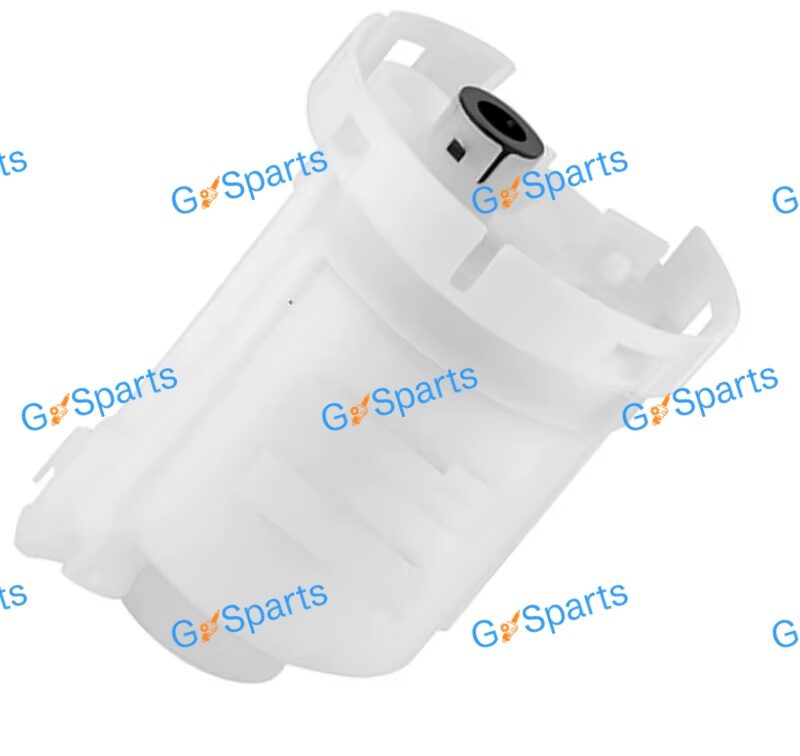
Advanced & Confidence Building Performance — Genuine Toyota Fuel Filter 23300-0D030
Toyota Fuel Filter 23300-0D030 – Toyota Corolla / Highlander (market-specific years) delivers precise, low-restriction filtration that protects injectors and sustains reliable acceleration in city and highway driving. Fine-micron media traps debris before it reaches sensitive components, while OE-grade ports and seals lock down a leak-free connection. Rugged, corrosion-resistant housings tolerate temperature swings and ethanol-blend fuels. Ideal for proactive upkeep where fuel quality varies, it helps curb misfires, hesitation, and pump strain. Verify regional fitment by VIN, then replace on schedule to maintain economy, reduce downtime, and keep your Corolla or Highlander performing with the smooth confidence drivers expect.
Did you like this product? Add to favorites now and follow the product.

(+86) 180 07 12 47 38 WhatsApp, Telegram, WeChat
Description
The Toyota Fuel Filter 23300-0D030 is engineered to provide superior filtration performance for Toyota Corolla / Highlander (market-specific years). It captures harmful particles and debris, preventing injector wear and supporting efficient combustion. Built to Toyota OEM specifications (In-tank gasoline filter assembly), this filter ensures dependable performance and fit. Cross-compatible with WAJ, aftermarket, it is designed to meet the demands of Toyota’s diesel and gasoline systems up to 2025. Recommended replacement follows Toyota service intervals, though some in-tank filters are lifetime units. Notes: Market-dependent compatibility; check VIN.
Clean-Fuel Fundamentals for Modern Toyota Platforms
Everyday drivability—quiet starts, smooth idle, and predictable acceleration—depends on a clean and stable fuel supply that reaches the injectors without debris or varnish. In compact sedans and family crossovers, the in-tank module does far more than trap particles; it stabilizes prime time, calms pump acoustics, and helps maintain a consistent pressure curve during hot soaks and hill climbs. For owners who want factory behavior without guesswork, Toyota Fuel Filter 23300-0D030 represents a direct route to restoring that baseline, and refreshing with Toyota Fuel Filter 23300-0D030 on cadence keeps the fuel system quietly invisible.
Fitment Scope, VIN Precision, and Market Differences
Corolla and Highlander platform years vary across regions, and seemingly identical trim names can hide differences in connector keys, tank baskets, and sealing diameters. Before ordering, verify the VIN and engine family so the module’s geometry, gasket set, and electrical indexing match your car. Market-specific production months sometimes alter sender arm shapes or cap torque ranges, and confirming these details prevents awkward lock-ring angles and harness strain. Once those checks are complete, the correct assembly installs cleanly, primes quickly, and closes with a flat, squeak-free access cover—exactly the outcome you expect when the part selection centers on Toyota Fuel Filter 23300-0D030.
In-Tank Architecture and Real-World Driveability
Locating the filtration stage inside the tank keeps temperatures low, limits vapor formation, and screens contaminants before they can reach pump gears or injector micro-screens. This design reduces pulsation at the rail and shortens time-to-pressure at key-on, especially after heat soak. On the road, the benefits are subtle but cumulative: steadier tip-in, fewer hesitant passes, and a quieter mechanical backdrop in summer traffic. The module’s basket, seals, and check valves all contribute to that uneventful composure. Renewing the unit with Toyota Fuel Filter 23300-0D030 preserves the intent of the system, and installing Toyota Fuel Filter 23300-0D030 before your hardest season keeps the ECU operating on a stable baseline.
Media Design, Seal Chemistry, and Long-Haul Durability
Performance is more than a micron number; it’s the interplay of fiber blend, pleat depth, end-cap bonding, and elastomer selection. The media must load predictably so restriction rises gradually, while adhesives resist ethanol blends without softening or shedding fibers downstream. O-rings should compress uniformly and rebound after thermal cycles to prevent late-appearing weeps that cause faint cabin odor. Meanwhile, a rigid basket protects level-sender accuracy and keeps resonance out of the interior over rough pavement. Choosing an insert built to these fundamentals ensures the in-tank assembly remains “boringly normal,” which owners experience as reliable starts and consistent throttle feel associated with Toyota Fuel Filter 23300-0D030.
Why Baseline Restoration Improves Everyday Response
Small upstream inconsistencies add up to drivability noise: slightly longer cranks, a whisper of pump drone, and midrange pull that feels negotiated on warm days. Restoring flow with a factory-spec module tightens the fuel system’s behavior under accessories and incline, letting the controller refine instead of chase transient corrections. You are not adding power—you are removing waste. Commuters notice calmer merges and a steadier idle with A/C on, while road-trippers appreciate fewer hot-restart stalls at fuel stops. Those practical wins arrive when the module is renewed with Toyota Fuel Filter 23300-0D030, and they persist across seasons because Toyota Fuel Filter 23300-0D030 returns the system to the map it was tuned for.
Subtle Symptoms That Signal It’s Time to Service
In-tank filters rarely fail loudly; they leave clues. You might hear a slightly louder pump note after heat soak, feel a soft surge keeping speed on a familiar grade, or notice readiness monitors taking one more loop despite no codes. Trims that widen at cruise and tighten after refueling can also hint at restriction. The smart path records baseline pressure or commanded pump duty, renews the module, then repeats the same route. When recovery sharpens and trims narrow, the data validates your seat-of-the-pants impression that Toyota Fuel Filter 23300-0D030 was due, and future decisions become easier because you have a comparative log built around Toyota Fuel Filter 23300-0D030.
Safety Basics, Depressurization, and Clean Work
Fuel work rewards deliberate preparation. Ventilate the space, disconnect the negative terminal, and relieve system pressure per the manual before lifting rear cushions or opening the access lid. Lay clean covers to protect upholstery, vacuum the area so grit cannot fall into the tank, and stage absorbent pads with a fire-safe container for residual catch. Cap lines immediately on disconnect to keep lint out of the system and lubricate new O-rings only with compatible fuel. These small disciplines prevent odors, protect sealing surfaces, and set up a one-and-done outcome when installing Toyota Fuel Filter 23300-0D030, helping the interior remain scent-free after validation.
Tools, Hardware, and Reuse Rules That Prevent Comebacks
Lock rings demand even torque, quick-connects require a positive click and gentle tug test, and compressed elastomers seldom reseal reliably. Use non-marring ring tools, torque-limited drivers where specified, and fresh O-rings or crush washers every time. Route harnesses so they cannot chafe beneath the access cover and confirm hoses follow natural arcs rather than forced twists. Finish with a bright light and a white-towel sweep after priming; any sheen means re-seat the joint. These habits keep fittings dry through heat cycles and reduce repeat visits, exactly the standard you want when renewing with Toyota Fuel Filter 23300-0D030.
Orientation, Sender Alignment, and Basket Geometry
Great installs begin on the bench. Compare port keys, confirm flow direction, and mark lock-ring index positions before removal so the new basket lands precisely where Toyota intended. Keep the level-sender arm free and correctly aligned, and ensure wiring relaxes without tension when the cover closes. Finger-start threads, hold back-up on hard lines to avoid torsion, then torque to spec. When geometry is natural, priming takes fewer cycles and the assembly remains silent through thermal expansion. That “it just sits right” feeling is your signal that Toyota Fuel Filter 23300-0D030 is installed correctly, with line routing that reflects factory standards supported by Toyota Fuel Filter 23300-0D030.
Priming, Leak Checks, and a Smart Proving Loop
Prime with key cycles to build pressure without engine noise masking tiny seeping joints. Inspect in silence with a bright light, then start and let trims settle at warm idle without accessory loads. Take a short proving route—stop-and-go, steady suburban speed, and a gentle uphill pull—listening for pump-tone stability and feeling for linear tip-in. Back in the bay, recheck warm; expansion can expose a marginal seal that looked fine cold. When everything stays bone-dry and scent-free, your service is validated, and Toyota Fuel Filter 23300-0D030 has handed the ECU a stable, predictable supply the control strategy was built around.
Pressure Trends, Volume Clarity, and Diagnostic Confidence
Objective numbers beat hunches. If tools allow, log pre- and post-service pressure at idle and during a controlled load, plus a brief volume snapshot where safe. Healthy systems recover faster on grades and hold pressure more steadily after a refresh, while cruise trims narrow. Should sag persist, evidence points toward pump health, tank venting, or regulator function rather than the element you just installed. Keeping these snapshots on file turns future drivability puzzles into quick, decisive checks, and it documents the improvement associated with Toyota Fuel Filter 23300-0D030 for your records.
Emissions Readiness, Catalyst Protection, and Consistency
Predictable fueling keeps oxygen sensors within their sweet range and helps catalysts convert efficiently, particularly during the first minutes after start. Random lean spikes from marginal delivery delay readiness and raise thermal stress downstream. Restoring upstream cleanliness narrows trim swings, reduces the chance of nuisance lights, and shortens inspection loops. Over months, that steadiness protects expensive emission hardware while quietly stabilizing fuel economy. This practical, cumulative benefit is a strong reason to maintain the in-tank assembly on schedule using Toyota Fuel Filter 23300-0D030 in Corolla and Highlander applications where it fits.
Sourcing With Confidence and Avoiding Mis-Picks
Online listings can blur near-twin footprints, so favor sellers who publish high-resolution interface photos, include seal kits, and specify coverage by platform, year, and engine code. Avoid umbrella titles that mash multiple modules into one SKU; that is how returns happen. When the box arrives, bench-match indexing keys, connector shapes, and gasket diameters against the part you removed. Sixty seconds here can save an entire afternoon. With details aligned, installation becomes a single-session job that validates itself on the first drive—an uneventful success tied to Toyota Fuel Filter 23300-0D030.
Owner Habits That Extend the Benefits
Small routines compound over time. Buy top-tier fuel where possible, avoid chronic near-empty operation in summer heat, and keep the engine air filter fresh so mixture control isn’t masking intake faults. During oil changes, listen for pump tone after a hot soak and glance at trims at warm idle and steady cruise. These five-minute checks catch drift early and stretch the calm you notice after service. Anchoring that cadence around Toyota Fuel Filter 23300-0D030 helps the vehicle feel “just tuned” across seasons without chasing new noise or hesitation.
Climate, Storage, and Regional Nuance
Coastal humidity fosters film formation, arid regions push fine dust, and altitude changes volatility behavior in ways you can feel on grades. Vehicles that sit should be stabilized and stored above half a tank to limit condensation, then diluted with fresh fuel when returning to service. Adjust intervals based on your realities rather than a rigid calendar so the system enters harsh months with margin. This environment-aware approach pairs naturally with maintenance centered on Toyota Fuel Filter 23300-0D030, keeping everyday drivability composed when weather is least cooperative.
Corolla Use Case: City Cycles and Highway Blends
Compact sedans live in stop-and-go traffic with frequent heat soaks and short trips that amplify small inconsistencies in the fuel path. A clean in-tank assembly preserves quick light-off, quiet idle with the blower running, and decisive merges from short ramps. It also keeps pump current inside an efficient band, reducing audible hum in warm weather. Owners who refresh the module with Toyota Fuel Filter 23300-0D030 report fewer small annoyances on errands and a more relaxed feel during longer weekend drives, which is exactly the low-drama result people expect from a well-maintained Corolla.
Highlander Use Case: Load Stacking and Family Trips
Three-row crossovers often run with A/C, lights, infotainment, luggage, and passengers—all while climbing at highway speed. A healthy in-tank module maintains headroom for the pump and keeps rail recovery composed when torque demand spikes. Drivers perceive steadier midrange, fewer hesitations during overtakes, and calmer operation on hot days. It’s not about chasing power; it’s about preserving smoothness under stacked loads. That is the daily dividend of replacing the assembly with Toyota Fuel Filter 23300-0D030 on cadence in compatible Highlander configurations where this footprint applies.
Installation Pitfalls and How to Avoid Them
Most comebacks trace to small oversights: twisted O-rings, misaligned lock rings, or pinched access-cover gaskets that create faint odors. Photograph routing before disassembly, inspect seals by feel, and confirm every connector clicks home. Do a final tension check on harness paths so nothing buzzes against sheet metal. If a whistle appears at one RPM, re-seat the quick-connect; if trims wander only on long grades, verify tank venting and pump voltage under load. With the upstream path renewed via Toyota Fuel Filter 23300-0D030, you can isolate true causes quickly because you’ve eliminated the largest variable.
Interior Care, Clean Workmanship, and Odor Control
Protect the cabin with seat covers, vacuum before opening the access panel, and keep lint away from open ports. On reassembly, ensure the cover sits flat, clips fully engage, and no new squeaks appear over speed humps. One week later, a scent-free interior, steady idle with A/C on, and quick hot starts are your real acceptance tests. These professional touches complement the mechanical precision provided by Toyota Fuel Filter 23300-0D030 and reinforce the feeling that the car is as tidy as it drives.
Documentation, Resale, and Proof of Care
A clear maintenance story saves time and preserves value. File invoices, note mileage and ambient conditions, and attach pressure or trim snapshots if recorded. Photograph the module orientation and connector positions so the next tech understands the layout at a glance. Years later—during resale or troubleshooting—evidence of timely service with Toyota Fuel Filter 23300-0D030 shortens conversations, boosts buyer confidence, and demonstrates that upstream precision has been a deliberate priority rather than an afterthought.
Cost of Ownership, Efficiency, and Long-Term Calm
Compared with pumps, injectors, and catalysts, the upstream filter is inexpensive insurance. A clean inlet lowers electrical load, tempers fuel heating, and reduces random events that stress emission components. Over years, those small advantages accumulate into fewer shop visits, steadier economy, and a quieter driving life. In that long-view math, renewing the in-tank module with Toyota Fuel Filter 23300-0D030 becomes a wise recurring investment that converts a modest appointment into thousands of uneventful miles.
E-Commerce Tips, Counterfeit Avoidance, and Returns
Insist on listings that provide detailed images of the sealing interface and cap, specify coverage by year and engine, and list included O-rings. Avoid umbrella SKUs that combine incompatible footprints. On arrival, do a bench match of indexing and gasket diameter before opening the vehicle. That quick gate protects weekends and reputations alike. When you select correctly, Toyota Fuel Filter 23300-0D030 installs cleanly, primes quickly, and performs predictably from the first start, giving you confidence that the job will stay done.
Building a Monitoring Habit After Service
A week post-install, perform a brief confidence audit. Start with a cold-soak inspection for any sheen near the access cover, then take a mixed loop—city crawl, steady suburban cruise, and a gentle uphill pull with accessories on. Listen for pump-tone stability and feel for linear tip-in. Back in the bay, glance at trims at warm idle and at a steady 60–80 km/h; a tighter spread indicates a healthy upstream path. Log ambient temperature, fuel brand, and mileage so the next check compares apples to apples after renewing with Toyota Fuel Filter 23300-0D030.
Fleet Considerations and Uptime Strategy
For rideshare, courier, or service fleets, standardized intervals reduce surprises. Create a cadence by kilometers and climate, keep seal kits on hand, and record a simple pre-/post-priming checklist to confirm quick pressure recovery. Drivers should report hot-start length, hill-pull feel, and any new odors immediately. These small processes make uptime a function of routine rather than luck. Because first-try fit and predictable results matter, many managers spec Toyota Fuel Filter 23300-0D030 where applicable and train teams around its installation steps.
Performance Summary and Actionable Next Steps
Great gasoline drivability is defined by what you don’t notice: fast light-off, linear throttle, quiet cruising, and inspections that finish on the first loop. Achieving that outcome means protecting the pump and injectors with a correct, well-seated in-tank assembly, validating with measurements, and documenting your work. Verify fit by VIN, stage fresh seals, torque once to spec, prime and leak-check in silence, then confirm with a short mixed drive. Follow those repeatable habits and Toyota Fuel Filter 23300-0D030 will keep compatible Corolla and Highlander platforms composed through seasons and mileage, turning routine service into durable, low-drama confidence.
External Resources (Authoritative)
- Fuel Filter — Wikipedia
- Bosch Automotive: Fuel Filters
- MAHLE Aftermarket: Fuel Filters
- MANN-FILTER Tech: Fuel Filters
- Parker Hannifin: Fuel Filtration
- DieselNet: Fuel Filters & Water Separators
- ICCT: Transportation Fuels & Quality
- US DOE: GDI Engine Basics
- EPA: Vehicle & Engine Emissions (Fuel Quality Context)
- SAE International — Standards (Fuel Systems)
Internal Links — G-Sparts (Fuel Filters)
Related products


Recently Viewed Products


G-SPARTS – Leading Auto Parts Supplier Since 2009
Trusted by 1000+ Clients Worldwide | Chinese (BYD, Geely, Chery, …), Japanese (Toyota, Honda, Nissan, …), European (BMW, Mercedes, VW, …) & American (Ford, Chevrolet, Tesla, …) Car Spares | Best Prices & OEM Quality | 15+ Years Expertise | Professional Team, Fast Global Shipping
Copyright 2025 © G-Sparts All Rights Reserved. | Premium Chinese Auto Parts Supplier – Worldwide Shipping | Best Prices on OEM & Aftermarket Spares

Reviews
There are no reviews yet.