
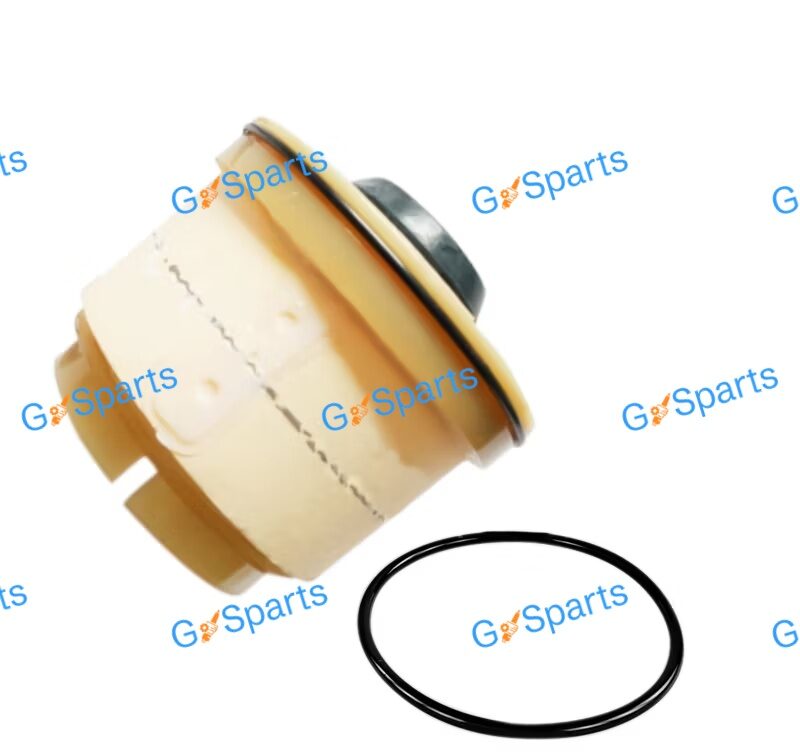
Ultimate & Rock-Solid Reliability — Toyota Fuel Filter 23390-0L010/0L020
Toyota Fuel Filter 23390-0L010 / 0L020 – Toyota Hiace / Hilux (older models, legacy years) safeguards classic Toyota platforms with fine-micron media that traps rust, varnish, and tank debris while keeping restriction low for stable rail pressure. OE-accurate ports and seals ensure a tight, leak-free install that resists vibration and heat. Corrosion-resistant housings and robust endcaps extend service life in demanding climates and dusty routes. Ideal for preventative maintenance on work vans and sturdy pickups, it helps curb hard starts, surging, and premature pump wear. Confirm compatibility by VIN, then replace on schedule to protect injectors, preserve economy, and keep your Hiace/Hilux running strong.
Did you like this product? Add to favorites now and follow the product.

(+86) 180 07 12 47 38 WhatsApp, Telegram, WeChat
Description
The Toyota Fuel Filter 23390-0L010 / 0L020 is engineered to provide superior filtration performance for Toyota Hiace / Hilux (older models, legacy years). It captures harmful particles and debris, preventing injector wear and supporting efficient combustion. Built to Toyota OEM specifications (Diesel element; legacy spec), this filter ensures dependable performance and fit. Cross-compatible with Aftermarket multi-pack listings, it is designed to meet the demands of Toyota’s diesel and gasoline systems up to 2025. Recommended replacement follows Toyota service intervals, though some in-tank filters are lifetime units. Notes: Earlier generation diesel filter; confirm with VIN & model year.
Legacy Context and Why Filtration Still Matters
The Hiace and Hilux earned reputations for toughness long before modern common-rail systems raised the stakes for fuel cleanliness. Age, storage habits, and changing fuel blends can introduce oxide flakes, dust, and water into tanks, quietly eroding injector precision and pump surfaces. Owners who want those legendary platforms to feel composed on today’s roads begin by restoring upstream defense to OEM intent. In that sense, Toyota Fuel Filter 23390-0L010/0L020 is more than a part number—it’s a reset switch for dependable drivability. When season changes bring condensation and long idle periods, Toyota Fuel Filter 23390-0L010/0L020 keeps trouble where it belongs: upstream and out of view.
VIN Confirmation, Model-Year Nuance, and Regional Packaging
Catalogs can confuse older diesel families because housings, primer tops, and water-sensor ports vary by market. A quick VIN check aligns the element kit with head casting and seal profiles so priming and leak checks are predictable. Cross-border imports add another wrinkle, mixing harness plugs and bowl shapes across trims. Get the ID right once, and the job becomes a calm sequence—drain, swap, seal, prime, verify—rather than an improvisation that risks air ingestion. For that clarity, Toyota Fuel Filter 23390-0L010/0L020 is a reliable anchor, and ordering the genuine gasket set with Toyota Fuel Filter 23390-0L010/0L020 prevents weeps after heat soak.
Element Architecture and Housing Integrity on Legacy Diesels
Older bowls and heads were designed to tame cold-start vacuum spikes while delivering low restriction at working load. The cartridge’s pleat geometry, center-core rigidity, and end-cap bonding determine collapse resistance as the media loads. Equally critical are sealing lands and the interface with a water sensor or drain cock, where aged O-rings can masquerade as intermittent “mystery” air leaks. Refreshing to an OE-spec element restores the calibrated pressure drop the pump expects, calming rail behavior and injector pulse width. With careful seating and torque discipline, Toyota Fuel Filter 23390-0L010/0L020 brings the system back to design intent, and a clean bowl shows why Toyota Fuel Filter 23390-0L010/0L020 remains a trusted reference for legacy service.
Water, Particulates, and the Case for Upstream Defense
Diesel distribution can introduce silica dust, oxide flakes, and condensation layers that corrode pump faces and nick injector seats. On older platforms, a working water-trap routine plus fresh media prevents those threats from reaching metering edges. Skipping upstream maintenance often shows up as smoky tip-in, rising regeneration frequency on later retrofits, or an idle that never quite feels settled with the A/C cycling. Catching contaminants at the bowl is cheaper than downstream injector rework. Specifying Toyota Fuel Filter 23390-0L010/0L020 keeps separation efficient without starving the lift circuit, and owners who sample drain-off periodically can tune intervals with evidence—one look at the jar confirms why Toyota Fuel Filter 23390-0L010/0L020 earns its keep.
Driveability, Smoke Control, and Emissions Stability
Refinement is built from tiny victories: clean cold starts, steady crawl in a loading bay, and midrange pull that arrives without a haze cloud. When low-side restriction creeps up, injectors stretch pulse width and trims drift, which warms catalysts and invites complaints during inspections. Restoring the upstream baseline reins in those corrections. Expect faster idle stabilization, fewer micro-surges on rolling roads, and passing maneuvers that feel effortless instead of tentative. Because atomization depends on pristine seat geometry, upstream discipline buys downstream calm. In practical terms, Toyota Fuel Filter 23390-0L010/0L020 helps preserve spray symmetry you can’t see but immediately feel, and once installed correctly, Toyota Fuel Filter 23390-0L010/0L020 turns “maybe it’s the fuel” into data-backed confidence.
Condition-Led Intervals, Not Just a Calendar Box
Handbooks set a baseline, yet reality is written by dust, humidity, short-hop duty, and storage habits. Farm tracks and coastal air compress timelines; a week parked can add water that no schedule predicted. Practical cues include a longer crank after sitting, a faint whine at low tank, or light surging under steady throttle. Tie filter service to events—pre-holiday runs, pre-harvest prep, or inspection windows—so upstream hygiene never slips. A spare element on the shelf converts a suspect fill-up into a 30-minute pause, not a lost day. That’s why Toyota Fuel Filter 23390-0L010/0L020 belongs in the maintenance kit, and treating Toyota Fuel Filter 23390-0L010/0L020 as high-leverage routine pays back quietly for years.
Preparation, Safety, and Workspace Discipline
Fuel service rewards order: ventilate the bay, protect paint and trim with absorbent pads, stage lint-free wipes, and double-check torque specs before opening anything. Photograph hose routing, label connectors, and confirm O-ring sizes match the head’s pockets. Capture drain-off in a clear container to spot water layers and sediment that inform the next interval. The goal is zero fibers on sealing lands and zero debris entering the bowl. A tidy bench turns priming into a handful of purposeful strokes, not an arm workout, and makes leak checks boring in the best way. Approached with care, Toyota Fuel Filter 23390-0L010/0L020 seats once, and a warm-soak recheck proves Toyota Fuel Filter 23390-0L010/0L020 is dry and tight.
Removal, Seating, and First-Start Verifications
Stuck covers and aged seals tempt brute force that cracks plastic or bends tabs. Use the correct cap wrench, support the housing, and break tension evenly. Wipe the sealing shelf until it gleams, oil new O-rings lightly, and torque to specification—over-tightening distorts caps; under-tightening invites weeps. After reassembly, prime per procedure, then start and let idle settle. A quick mixed loop—ramp, surface streets, short hill—confirms rail pressure tracks commands and tip-in feels crisp. If prior haze or hiccups vanish, evidence beats guesses. Done correctly, Toyota Fuel Filter 23390-0L010/0L020 makes the fuel system disappear into silence, and the next cold morning will remind you why Toyota Fuel Filter 23390-0L010/0L020 was worth the afternoon.
Understanding Inline Canisters Versus Bowl-and-Element Systems
Legacy Toyota diesel families appear with both external canisters and bowl-mounted cartridges, each with distinct advantages. Canisters are quick to swap and easy to inspect for leaks; bowls simplify water draining, sensor integration, and visual checks for contamination. Either way, the media must offer robust holding capacity, stable micron rating, and predictable pressure drop as it loads. Poorly matched aftermarket pieces can look right and perform wrong. Selecting the correct baseline part protects against misdiagnosed surging or hot-start complaints. That is why many technicians standardize their kits around Toyota Fuel Filter 23390-0L010/0L020, trusting its consistent behavior on aging heads and crusty threads.
Fuel Quality Habits that Multiply Upstream Protection
Great filters do their best work when the fuel they see is already reasonably clean. Favor high-turnover stations, avoid topping off during tanker deliveries, and ensure the cap seal is fresh to minimize moisture ingress. If the vehicle will sit, rotate fuel or stabilize per guidance, and keep the tank above the condensation-prone threshold. Draining water traps on cadence and sampling what leaves the bowl turns maintenance into measurement. When the upstream routine is sound, the downstream system stops acting like a firefighter. For owners building checklists, pairing good habits with Toyota Fuel Filter 23390-0L010/0L020 creates a feedback loop where the numbers stay calm because the inputs are calm.
Idle Quality, Atomization, and Tailpipe Cleanliness
Injector spray geometry is invisible until it isn’t: uneven plugs, lazy idle with A/C engaged, or faint odor after short trips betray small losses upstream. Abrasive fines nick seats, bending pattern edges and forcing richer corrections that warm catalysts and grow soot. Protect the geometry and you protect the feel—simple as that. Replacing a tired element restores the lift circuit so the high-pressure side stops compensating. Expect a steadier steering-wheel tremor at idle, cleaner tip-in, and a cruise that feels unhurried at small throttle openings. For fleets and families alike, these micro-wins add up. The quickest way there on legacy platforms is a fresh Toyota Fuel Filter 23390-0L010/0L020.
NVH, Cabin Calm, and the Perception of Quality
Noise, vibration, and harshness aren’t only suspension topics. Low-side strain elevates pump harmonics and creates tiny surges that passengers perceive as “busy.” Quieting the fuel path lowers the noise floor that the rest of the vehicle must overcome. After a correct service, owners report that decel feels silkier, crawl speeds stop hunting, and conversations stay soft even with cargo aboard. The cabin seems better insulated though nothing changed—because the system stopped asking for attention. Routine replacement of Toyota Fuel Filter 23390-0L010/0L020 is how you buy that silence back, one upstream decision at a time.
Urban Errands, Rural Tracks, and Mountain Grades
Different routes stress different behaviors. City grids demand clean hot starts and polite creep; farm roads shock heads and load media with dust; long grades push delivery at high temperature and low barometric pressure. A healthy upstream path keeps the high-pressure side inside its design envelope across all three. The steering stays light because you’re not unconsciously compensating for tip-in lag, and the truck feels coherent from basement ramps to ridge lines. If your calendar mixes all these conditions, anchoring the service cadence to those peaks—before a harvest week or mountain trip—keeps the platform behaving like the tool it was built to be.
Towing, Payload, and Heat-Soak Days in Summer
Hook up a trailer or stack cargo, and fuel demand rises with tank temperature. Hot, thin diesel punishes marginal restriction and exposes weak seals, inviting aeration that feels like hesitation on grades. Prepping ahead of heat waves with a fresh element resets suction integrity and keeps pump current within reason. You’ll hear less from the rear and feel fewer micro-stumbles leaving queues. Long climbs stop feeling like negotiations, and the truck settles into the quiet, steady pull that defines Toyota’s workhorse platforms. A correctly seated Toyota Fuel Filter 23390-0L010/0L020 is cheap insurance against a roadside pause on a day when no one has time to spare.
Parts Quality, Counterfeits, and Buying Confidence
Look-alike cartridges can copy dimensions while skimping on media density, resin quality, or end-cap integrity. Those shortcuts become early restriction, fiber shedding, or leaks at the seam when heat cycles bite. Source from reputable channels, inspect printing and gasket feel, and compare the element’s core rigidity to known-good parts. If a detail feels off, it probably is. The right decision here saves hours later—not just your hours, but diagnostic hours triggered by a problem born at the filter. Trusting Toyota Fuel Filter 23390-0L010/0L020 keeps pressure-drop behavior where calibration expects it, preserving the calm the rest of the vehicle depends on.
Sealing Surfaces, Torque Values, and Leak Prevention
The best element will still fail if the sealing land is dirty or the cap is distorted. Clean until spotless, oil the specified O-rings lightly, and tighten to the exact spec—more is not better on polymer or alloy. Replace crush washers and sensor gaskets rather than gambling on brittle survivors. After warm-up, reinspect with a bright light and a nose—dry metal and neutral scent are the pass tokens. Skip these steps and you’ll chase intermittent air or diesel odor that mimics EVAP issues. Follow them, and the fuel system goes back to being invisible, the way a well-maintained system should be.
DIY Confidence Versus Professional Speed and Warranty
Competent owners can service bowl-and-element systems with patience, lighting, and the right cap tools. In-tank modules or seized hardware may justify a shop’s efficiency and liability coverage. Either way, clarity wins: bring the verified kit, request pre/post trim snapshots if possible, and keep the old element to inspect what it captured. Turning maintenance into evidence earns confidence—yours and a future buyer’s. On older rigs with unclear histories, one documented cycle with a genuine Toyota Fuel Filter 23390-0L010/0L020 sets a baseline that makes the next decisions faster and calmer.
Inspection Readiness, Opacity Rules, and Compliance Calm
Regions that lean on OBD readiness and smoke limits reward vehicles whose fueling is stable across drive cycles. Marginal delivery delays monitor closure and can push opacity in the wrong direction during snap tests. A new element a couple of weeks before inspection gives the ECU time to relearn calmly and the exhaust stream a chance to clean up. Expect tidier cold starts, steadier idle, and fewer big corrections under small throttle. Those are quiet signals your upstream work landed. Owners who log these results alongside part numbers keep their rigs from becoming last-minute projects.
Recordkeeping, Service Rhythm, and Resale Storytelling
Good logs outlive good intentions. Date, mileage, ambient conditions, supplier, torque notes, and a quick photo of drained fuel tell the next caretaker how the truck was treated. A folder with predictable intervals and genuine references is marketing in itself when it’s time to sell. More importantly, it shortens diagnostics because patterns emerge quickly. If performance drifts next season, you’ll know if the interval slipped or conditions changed. Many owners center that story around Toyota Fuel Filter 23390-0L010/0L020, because buyers recognize the code and the discipline behind it.
Environmental Stewardship and Clean Handling Practices
Contain drips, bag used elements, and dispose of fuel-soaked materials per local rules. Cleaner upstream delivery reduces misfires and soot, which extends catalyst life and lowers community emissions. Servicing on condition rather than in crisis also cuts shipping churn and waste tied to misdiagnosis. For fleets tracking sustainability metrics, upstream maintenance is a lever you can actually measure: steadier economy, longer aftertreatment life, and fewer “check engine” light events tied to fueling noise.Toyota Fuel Filter 23390-0L010/0L020 Doing the small things carefully turns into big wins nobody argues about.
Cold Starts, Water Control, and Additive Discipline
Cool nights invite condensation,Toyota Fuel Filter 23390-0L010/0L020 especially on lightly used vehicles with half-full tanks. Draining water traps on cadence and keeping the bowl fresh protect metal faces and tight clearances during those first crank rotations. If additives are recommended in your climate, dose precisely—more is not better and can upset lubricity or deposit behavior. A disciplined routine yields confident cranking, cleaner initial combustion, and fewer smelly minutes in the yard while the engine warms. For older Hiace and Hilux duty cycles, upstream focus is the single most effective winterization step you can take.
Hot Idling, Vapor Management, and Summer Sanity
Extended idling on hot days raises fuel temperature and thins viscosity, testing seals and low-side geometry. A recent element keeps restriction modest as media loads, so the lift circuit maintains flow without cavitation. Pair that with healthy caps and intact return lines to avoid odors and hiccups departing queues. If your summer includes dense traffic, slow worksites, or tray loads that push engine bay heat, plan the replacement Toyota Fuel Filter 23390-0L010/0L020 ahead of the season. The reward is boring: a pump tone you barely notice and throttle that reacts like a rheostat, not a suggestion box.
Fleet Standards, Uptime Planning, and Budget Control
One truck’s small improvement scales across ten. Standardize torque specs, stocking lists, and interval triggers so nobody guesses in the yard. Align replacements with tire rotations or brake inspections to prevent missed windows. Watch the metrics respond: fewer emergency tows, steadier fuel economy, and happier drivers who stop compensating for laggy tip-in. When parts managers settle on Toyota Fuel Filter 23390-0L010/0L020, they pick predictability, which turns a consumable into a lever for reliability and cost control.
Final Guidance and Confident Next Steps
Reliability isn’t luck; it’s a repeatable routine: identify accurately, prepare cleanly, seat and torque correctly, prime thoughtfully, and verify with a short mixed drive while watching trims. When drivability has dulled or a heavy season looms, restore upstream integrity first. Make notes, keep receipts, and let evidence set the next date instead of a hunch. If you want the old Toyota feel—the calm pull, the tidy idle, the “nothing to notice” cabin—start where it starts: a clean, correctly installed Toyota Fuel Filter 23390-0L010/0L020 that puts delivery back on spec and keeps every mile uneventful for the right reasons.
External Resources (Authoritative)
- Fuel Filter — Wikipedia
- Bosch Automotive: Fuel Filters
- MAHLE Aftermarket: Fuel Filters
- MANN-FILTER Tech: Fuel Filters
- Parker Hannifin: Fuel Filtration
- DieselNet: Fuel Filters & Water Separators
- ICCT: Transportation Fuels & Quality
- US DOE: GDI Engine Basics
- EPA: Vehicle & Engine Emissions (Fuel Quality Context)
- SAE International — Standards (Fuel Systems)
Internal Links — G-Sparts (Fuel Filters)
Related products



G-SPARTS – Leading Auto Parts Supplier Since 2009
Trusted by 1000+ Clients Worldwide | Chinese (BYD, Geely, Chery, …), Japanese (Toyota, Honda, Nissan, …), European (BMW, Mercedes, VW, …) & American (Ford, Chevrolet, Tesla, …) Car Spares | Best Prices & OEM Quality | 15+ Years Expertise | Professional Team, Fast Global Shipping
Copyright 2025 © G-Sparts All Rights Reserved. | Premium Chinese Auto Parts Supplier – Worldwide Shipping | Best Prices on OEM & Aftermarket Spares

Reviews
There are no reviews yet.