
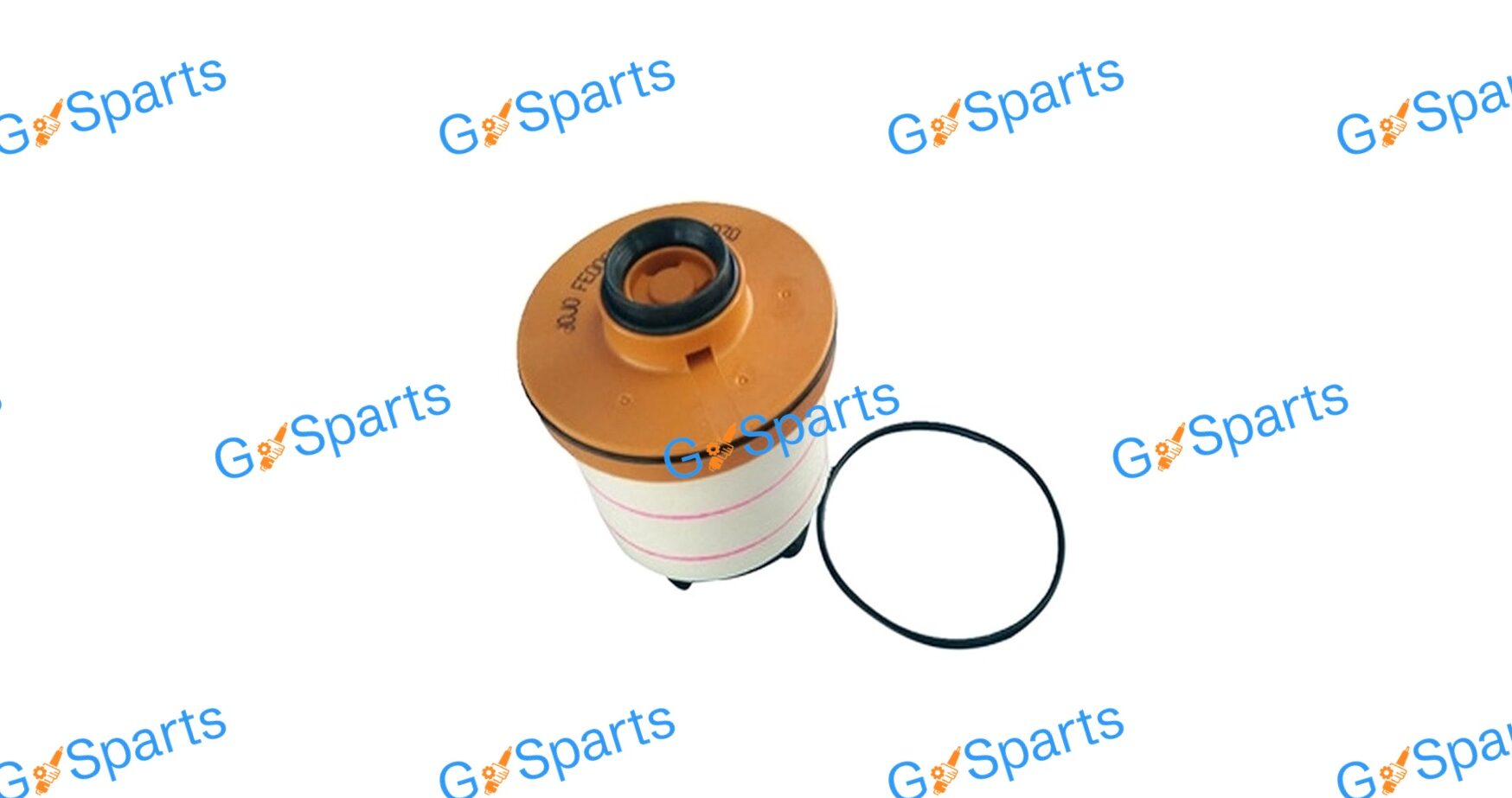
Ultimate & Heavy-Duty Defense — Genuine Toyota Fuel Filter 23390-0L070
Toyota Fuel Filter 23390-0L070 – Toyota Hilux Revo / Fortuner (2015–2023) is purpose-built for demanding diesel duty, combining fine-micron particulate capture with effective water separation to shield injectors and pumps. The low-restriction design preserves torque and throttle response under load, while OE-spec interfaces ensure a tight, leak-free connection that tolerates chassis vibration and heat. Corrosion-resistant construction and durable seals extend service life in harsh climates. Perfect for fleets, 4×4 touring, and daily utility, it helps prevent hesitation, rough idle, and costly fuel-system repairs. Verify by VIN, then service on schedule to maintain economy, protect components, and keep your Toyota confidently capable.
Did you like this product? Add to favorites now and follow the product.

(+86) 180 07 12 47 38 WhatsApp, Telegram, WeChat
Description
The Toyota Fuel Filter 23390-0L070 is engineered to provide superior filtration performance for Toyota Hilux Revo / Fortuner (2015–2023). It captures harmful particles and debris, preventing injector wear and supporting efficient combustion. Built to Toyota OEM specifications (Diesel element; updated spec for GD-series engines), this filter ensures dependable performance and fit. Cross-compatible with Genuine Toyota, iFJF, others, it is designed to meet the demands of Toyota’s diesel and gasoline systems up to 2025. Recommended replacement follows Toyota service intervals, though some in-tank filters are lifetime units. Notes: Designed for newer GD-series diesel engines; verify VIN.
Clean-Diesel Foundations for GD-Series Platforms
Modern Hilux Revo and Fortuner models rely on exceptionally clean fuel to deliver quiet torque, stable idle, and consistent emissions across steep grades and hot climates. High-pressure common-rail hardware tolerates almost no contamination, so the filtration element becomes mission critical rather than optional. The right media keeps restriction growth predictable, protects the pump’s lubricated clearances, and preserves injector spray symmetry that sustains smooth combustion. For owners who want factory-correct behavior with minimal drama, Toyota Fuel Filter 23390-0L070 is the straightforward way to re-establish the baseline. Installed on schedule, Toyota Fuel Filter 23390-0L070 shortens hot restarts, stabilizes rail pressure recovery, and quietly extends the service life of expensive downstream components.
Verified Fitment, VIN Checks, and GD-Engine Notes
Although the Hilux Revo and Fortuner share a visible design lineage, small differences in housings, port geometry, and water-in-fuel sensor provisions exist across years and markets. Verifying your VIN, engine code, and production month prevents ordering mistakes and ensures the element seats properly with the gasket profile your housing expects. Confirming trim, transmission, and emissions package is equally wise if your truck crosses borders or was imported privately. This extra minute of mapping saves hours in the bay and keeps priming uneventful after reassembly. When the part number matches your build configuration, Toyota Fuel Filter 23390-0L070 drops into place cleanly and supports a first-try, leak-free result that inspires confidence on the validation drive.
Why Updated GD-Series Filtration Matters in Daily Use
GD-series diesel injection strategies operate at extreme pressures with very fine nozzle apertures, meaning minor particulate or water intrusion can distort atomization and raise soot. A properly engineered panel element preserves commanded quantity and timing under transient loads, which you feel as smoother mid-range and less “ask permission” delay during two-lane passes. It also steadies pilot injections that quiet combustion noise in traffic. Selecting a component designed to the platform’s flow and sealing targets maintains this balance without pushing the pump into a hotter, louder current band. In practice, Toyota Fuel Filter 23390-0L070 is the updated spec that sustains OEM drivability and prevents small contaminants from becoming expensive repair stories.
Media Design, Micron Behavior, and Flow Stability
Filtration performance is the sum of fiber blend, pleat height, and end-cap integrity—not just an abstract micron rating. The media must capture damaging fines while keeping restriction growth linear as the element loads, and it must tolerate ULSD plus regional biodiesel blends without softening or shedding. Gasket chemistry matters as well; seals should compress evenly and rebound after heat soak to avoid late-appearing weeps that cause cabin odor. When those fundamentals are correct, pressure ripple at the rail decreases, pilot quantity is more consistent, and EGTs remain calmer on long climbs. That is the uneventful outcome owners want, and it is the outcome supported by Toyota Fuel Filter 23390-0L070 when installed with care.
Water Separation, Drain Habits, and Sensor Logic
Moisture is the sworn enemy of diesel systems, collapsing lubricity and accelerating micro-pitting in precision pump surfaces. Many housings pair the panel element with a sediment bowl, drain cock, or electrical sensor that flags accumulation. Build a quick routine: weekly visual checks in wet seasons, immediate draining after suspicious refuels, and periodic sensor verification during services. Removing water before it migrates upstream protects injectors and stabilizes idle quality on damp mornings. Because the GD architecture expects robust separation, pairing disciplined water management with Toyota Fuel Filter 23390-0L070 gives the mechanical side the headroom it needs. The result is quieter starts, steadier throttle response, and less stress on the aftertreatment.
Construction Quality, Vibration Resistance, and Seal Integrity
Off-road corrugations, trailer duty, and tropical heat all conspire to test bonding, shell rigidity, and gasket behavior. A quality insert resists pleat collapse under transient suction, keeps end caps aligned, and prevents resonance that telegraphs into the cabin. Equally important, the seal must survive repeated thermal cycles without shrinking or swelling, maintaining the torque window Toyota specified for a dry joint. These are the quiet details that determine whether your truck smells like diesel a week after service or not. When the housing receives the correct insert and the gasket is replaced rather than reused, Toyota Fuel Filter 23390-0L070 continues doing its job invisibly through long intervals.
Rail Stability, Tip-In Feel, and Narrower Trim Swings
Drivers notice clean fueling as the absence of drama: short, consistent starts; linear tip-in when rolling; and fewer moments where the engine pauses before pulling. Upstream restriction forces the lift stage to strain, which can amplify pump noise and delay rail recovery under accessory loads. Restoring the intended curve lets the ECU refine instead of compensate, tightening closed-loop control and smoothing pilot events. The payoff is evident on hills and during hot restarts after quick errands. This is exactly the composed behavior technicians expect to see once Toyota Fuel Filter 23390-0L070 refreshes the inlet path and the housing is bled correctly.
Early Clues That Suggest It’s Time to Renew
Filters rarely fail with alarms; they accumulate a set of hints. You might hear a slightly louder pump note at idle on warm days, feel a soft surge holding speed on a familiar incline, or notice readiness monitors flirting with completion without setting codes. Cold-morning starts may take a fraction longer, and hill pulls can feel less decisive with the A/C on. The disciplined approach is to record baseline lift-side vacuum and rail pressure on a repeatable route, renew the element, then retest. When recovery sharpens and trims narrow, your data agrees with the seat-of-the-pants story—proof that Toyota Fuel Filter 23390-0L070 was the right call.
Interval Strategy, Climate, and Route Reality
Handbook intervals are a smart starting point, but dust, humidity, altitude, and fuel turnover at your favorite station write the fine print. If your routes include unsealed access roads or remote depots, move cadence earlier ahead of monsoon or winter swings. Keep a simple log capturing kilometers, ambient temperature, fuel source, and any bowl drains or sensor alerts. Over time, you’ll identify the interval where performance stays consistent without over-servicing. Building that plan around Toyota Fuel Filter 23390-0L070 aligns your schedule with GD-series demands and makes peak-season reliability feel pleasantly uneventful.
Safe Setup, Depressurization, and Clean Workmanship
Diesel service rewards unhurried preparation. Ventilate the bay, chock wheels, disconnect the negative terminal, and let hot hardware cool before opening fittings. Stage eye protection, fuel-rated gloves, absorbent pads, and a fire-safe catch container. Photograph hose routes and label connectors so reassembly mirrors factory layout, then cap open ports immediately to keep lint out of the system. Cleanliness protects sealing surfaces, prevents phantom odors, and shortens validation time. With fundamentals in place, installing Toyota Fuel Filter 23390-0L070 becomes a one-session task that closes with a dry towel sweep and a quiet first start.
Tools, Hardware, and Reuse Rules Worth Following
Line wrenches preserve hexes, torque wrenches preserve gaskets, and fresh O-rings or crush washers are non-negotiable. Once compressed, elastomers rarely reseal reliably. Inspect brackets and isolators; glass-hard rubber transmits vibration that fatigues lines. Use a penlight and mirror for the post-prime check, since micro-films hide in shadows. Bag fasteners, keep ports capped, and avoid petroleum greases that can swell gasket compounds. Adhering to these small disciplines is how you install Toyota Fuel Filter 23390-0L070 once, avoid callbacks, and keep the cabin scent-free a week later.
Orientation Discipline, Housing Care, and Sensor Seating
Success starts on the bench with a dry fit. Compare indexing tabs, gasket diameter, and sensor accommodations before opening the truck. Clean the housing with lint-free wipes, replace O-rings, and lubricate with compatible fuel to prevent nicks. Seat the panel element squarely, torque the cap or bowl in an even pattern, and route harnesses without strain. Confirm the water-in-fuel connector clicks positively and the lead doesn’t chafe on nearby edges. Proper alignment means the gauge stays honest, the assembly remains silent on corrugations, and the first prime after Toyota Fuel Filter 23390-0L070 takes fewer strokes.
Priming, Bleeding Air, and a Smart Proving Loop
Air in a diesel line undermines quick starts and clean ramps. Follow the manual’s prime sequence—hand bulb or lift-pump cycling—until bubble-free fuel returns. Key to glow where applicable, start, and let the idle settle without heavy accessory loads. Take a short validation loop that includes city crawl, steady suburban speed, and a modest uphill pull. You’re listening for pump tone stability and looking for linear tip-in with A/C on. Back in the bay, recheck warm; thermal expansion can reveal a marginal seal. When the towel stays dry, Toyota Fuel Filter 23390-0L070 has delivered a clean handoff to the control system.
Pressure Trends, Lift-Side Vacuum, and Data Confidence
Objective numbers beat hunches. If tools allow, log lift-side vacuum, rail pressure under a fixed load, and EGT behavior on a known grade before and after service. Post-renewal, healthy systems show less inlet vacuum, steadier rail through transients, and slightly calmer EGTs when climbing at constant throttle. If sag persists, your suspects shift to tank pickup, venting, or electrical supply—not the new insert. Capturing this baseline gives you a fast path to root cause next season and validates the capacity that Toyota Fuel Filter 23390-0L070 brought back to the circuit.
Emissions, DPF Health, and Fuel Economy Over Time
When injectors meter consistently, soot formation drops, passive regeneration opportunities increase, and post-injection events that heat the DPF become less frequent. Over months, that steadiness protects aftertreatment hardware, trims fuel spend, and keeps oil dilution in check. Owners experience it as fewer forced regens and a calmer exhaust note on long hauls. Treating filtration as emissions equipment by another name is a useful mindset. Renewing the housing with Toyota Fuel Filter 23390-0L070 is a small investment that preserves the big-ticket parts safeguarding your tailpipe.
Sourcing with Confidence and Avoiding Mis-Picks
Catalogs sometimes blur footprints that look similar but hide incompatible gasket profiles or sensor ports. Favor listings with crisp interface photos, included seal kits, and explicit coverage by platform, year, and engine code. On delivery, bench-match dimensions and indexing before opening the truck. That sixty-second ritual turns a risky afternoon into a single-session success. When selection is accurate and the box contents are complete, Toyota Fuel Filter 23390-0L070 installs without persuasion and validates itself on the first, pleasantly uneventful drive.
Owner Habits That Reduce Water and Debris Risk
Choose high-turnover stations, avoid the last liters from older tanks, and top off before parking in wet seasons to limit condensation. Keep a small log noting fuel brand, ambient conditions, and any bowl drains or sensor alerts; patterns make future decisions simple. If routes include remote depots, adopt a conservative cadence ahead of seasonal extremes. Pairing these habits with timely housing service built around Toyota Fuel Filter 23390-0L070 keeps the engine feeling strong and unruffled even when workloads spike.
Fleet, Construction, and Delivery Scenarios
Commercial duty magnifies small defects into downtime. Standardize intervals by kilometers and climate, keep buffer stock of seals and inserts, and log vacuum and rail snapshots after each renewal. Train drivers to report hot-start length, hill-pull feel, and any water warnings promptly. Repeatable first-time fit and predictable priming turn Toyota Fuel Filter 23390-0L070 into a low-cost lever for uptime. On audit day, clear records show intentional care that supports availability commitments and warranty conversations alike.
Troubleshooting Edge Cases After a Fresh Insert
A narrow-band whistle after service typically points to a slightly lifted quick-connect collar or an O-ring twisted during seating, not an undersized element. If trims drift only on long grades, verify tank venting and lift-pump voltage under load; electrical starvation can masquerade as restriction. A diesel scent with visibly dry joints often traces to a pinched access-lid gasket nearby. With the inlet path renewed by Toyota Fuel Filter 23390-0L070, you can chase the true cause quickly and avoid re-opening the housing without evidence.
Cold-Weather Operation, Wax Management, and Additives
Winter thickens diesel and can precipitate wax in borderline fuel. A fresh, correctly spec’d element maintains margin while thermostatic returns and, where fitted, heaters keep flow cooperative. If additives are necessary, dose carefully—over-treating can change seal behavior or lubricity. Store vehicles with season-appropriate fuel and consider sheltered parking during extremes. Within that winterization checklist, timely service using Toyota Fuel Filter 23390-0L070 is a simple, high-return step that preserves easy starts and quiet ramps on frosty mornings.
Heat, Altitude, and Stacked Accessory Loads
Thin air, high ambient temperatures, and simultaneous electrical loads squeeze delivery margins on long climbs. A clean inlet reduces pump effort and stabilizes commanded quantity so the ECU isn’t fighting fluctuations. Drivers perceive steadier mid-range, fewer hesitations when overtaking, and calmer EGTs after cresting a grade. Those subtle improvements are the everyday dividends of upstream order, and they remain consistent when the housing is refreshed with Toyota Fuel Filter 23390-0L070 at sensible intervals aligned to real-world conditions.
Interior Care, Clean Work, and Post-Service Acceptance
Protecting the cabin is part of professional diesel work. Lay seat covers, vacuum before opening panels, and keep lint away from open ports. After reassembly, verify the cover sits flat, clips engage fully, and no squeaks appear over speed bumps. The true acceptance test shows up a week later: zero fuel smell, steady idle with A/C on, and uneventful hot starts after errands. Those quiet confirmations reflect installation discipline and the upstream stability provided by Toyota Fuel Filter 23390-0L070.
Documentation, Resale, and Proof of Care
A clear paper trail converts maintenance into value. Save invoices, note kilometers, ambient conditions, and any water drains, then attach lift-side vacuum or rail snapshots if recorded. Photograph seal kits and orientation marks so the next tech sees the layout at a glance. When selling—or simply troubleshooting years later—evidence of timely service with Toyota Fuel Filter 23390-0L070 shortens conversations, boosts buyer confidence, and shows that upstream precision has been a priority.
Cost of Ownership, Uptime, and Quiet Economics
Compared with pumps, injectors, rails, and aftertreatment, the element is inexpensive insurance. A clean inlet lowers electrical load, reduces random heat events, and prevents erosion that shortens component life. Across seasons, those small advantages add up to fewer shop visits, calmer road manners, and steadier fuel consumption. Planning renewals around Toyota Fuel Filter 23390-0L070 is a modest investment with compounding returns that you experience as thousands of uneventful, confident kilometers.
E-Commerce Clarity, Counterfeit Avoidance, and Returns
Insist on listings that provide detailed images of the sealing interface and sensor ports, list included O-rings, and specify GD-series coverage by year and engine. Avoid umbrella SKUs that merge incompatible footprints. On arrival, bench-match indexing and gaskets before you open the vehicle. This simple gate keeps weekends on track and reputations intact. When you select correctly, Toyota Fuel Filter 23390-0L070 installs quickly, primes cleanly, and performs predictably from the first start.
Driver Training and a Culture of Monitoring
Teach operators to notice small signals: longer hot cranks, roughness after heavy rain, or a new hum during summer crawls. Provide a simple card with drain steps, prime instructions, and a contact for odd behavior. Culture beats paperwork; when tiny clues travel fast, issues stay small. Back that awareness with scheduled checks and timely swaps using Toyota Fuel Filter 23390-0L070, and the fleet’s feel remains consistent even as mileage and loads climb.
Performance Summary and Actionable Next Steps
Great diesel drivability feels like nothing happening: quick light-off, linear torque, quiet operation, and inspections that close on the first loop. Achieving that outcome means protecting pumps and injectors with a correct, well-seated insert, validating with data, and documenting what you did. Verify by VIN, stage fresh seals, torque once to spec, prime and bleed carefully, then re-inspect warm after a short mixed drive. Follow those repeatable habits and Toyota Fuel Filter 23390-0L070 will keep your Hilux Revo or Fortuner composed through seasons and workloads, turning routine service into durable confidence anchored by Toyota Fuel Filter 23390-0L070.
External Resources (Authoritative)
- Fuel Filter — Wikipedia
- Bosch Automotive: Fuel Filters
- MAHLE Aftermarket: Fuel Filters
- MANN-FILTER Tech: Fuel Filters
- Parker Hannifin: Fuel Filtration
- DieselNet: Fuel Filters & Water Separators
- ICCT: Transportation Fuels & Quality
- US DOE: GDI Engine Basics
- EPA: Vehicle & Engine Emissions (Fuel Quality Context)
- SAE International — Standards (Fuel Systems)
Internal Links — G-Sparts (Fuel Filters)
Related products


Recently Viewed Products

G-SPARTS – Leading Auto Parts Supplier Since 2009
Trusted by 1000+ Clients Worldwide | Chinese (BYD, Geely, Chery, …), Japanese (Toyota, Honda, Nissan, …), European (BMW, Mercedes, VW, …) & American (Ford, Chevrolet, Tesla, …) Car Spares | Best Prices & OEM Quality | 15+ Years Expertise | Professional Team, Fast Global Shipping
Copyright 2025 © G-Sparts All Rights Reserved. | Premium Chinese Auto Parts Supplier – Worldwide Shipping | Best Prices on OEM & Aftermarket Spares

Reviews
There are no reviews yet.