
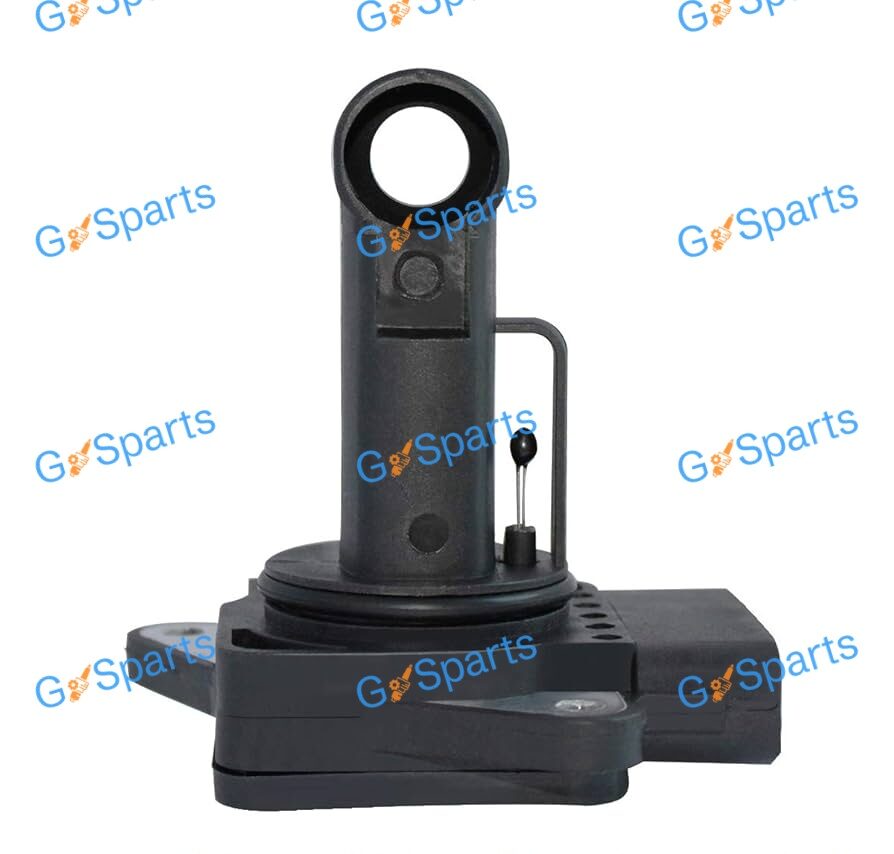
Genuine Toyota MAF Sensor 22204-21010 – 2000–2006 Toyota Camry; 2003–2008 Corolla; 2001–2010 Highlander; 2000–2007 4Runner; 1999–2010 Tacoma
MAF Sensor for 2000–2006 Toyota Camry; 2003–2008 Corolla; 2001–2010 Highlander; 2000–2007 4Runner; 1999–2010 Tacoma. OEM 22204-21010 with 5-pin connector, hot-wire type for accurate airflow measurement.
Did you like this product? Add to favorites now and follow the product.

(+86) 180 07 12 47 38 WhatsApp, Telegram, WeChat
Description
Maintain smooth performance and fuel economy on your 2000–2006 Toyota Camry; 2003–2008 Corolla; 2001–2010 Highlander; 2000–2007 4Runner; 1999–2010 Tacoma with this OEM‑equivalent Mass Air Flow (MAF) sensor (Part 22204-21010). The 5-pin connector, hot-wire type hot‑wire element measures intake air precisely so the ECU can keep fuel trims on target, improving idle quality, throttle response, and emissions. Supported by trusted aftermarket brands: Denso, Bosch, BWD. Widely used across various Toyota models; ensure compatibility with your specific vehicle. Always confirm by VIN, connector type, and pin configuration before ordering.
Why Accurate Airflow Data Restores Effortless Driving
Your engine control unit can only make smart decisions when it receives a truthful picture of incoming air, which is why owners notice immediate refinement after replacing a drifting meter. With stable mass-flow input, fueling lands where torque is smooth, idle stops wandering as accessories cycle, and gear changes feel intuitive rather than abrupt. If you’ve been compensating with extra pedal or brake, you’re feeling the cost of vague airflow data. A direct-fit, correctly calibrated meter re-centers the loop so the vehicle behaves like a team again. That’s the practical reason many workshops rely on Toyota MAF Sensor 22204-21010 to bring back the calm, predictable character you expect every time you drive.
How the ECU Uses Air Mass to Command Fuel and Spark
Modern powertrains blend airflow, rpm, temperature, and pressure to compute injector pulse, ignition timing, and torque targets. When the airflow trace is believable at idle and during gentle transients, the ECU anticipates load rather than chasing it, shrinking enrichment spikes that waste fuel and warmed-up drivability quirks that tire you out. With a healthy meter in place, trims narrow toward zero, cold starts settle faster, and cruise needs less throttle to maintain speed on modest grades. If your data still oscillates despite a sealed intake, the reference may have drifted. Installing Toyota MAF Sensor 22204-21010 restores a clean curve the controller trusts in milliseconds.
Fitment Confidence: Geometry, Connector, and Transfer Curve
Air meters that appear similar can hide different O-ring sizes, connector keying, sensing elements, and voltage curves. A near-match might physically bolt up yet deliver numbers the ECU can’t map, producing nuisance codes and vague manners. Confirm plug face orientation, latch style, flow arrow placement, and airbox alignment so seating is square and strain-free. Choose application-correct calibration so the curve matches the platform’s expectations from the first key cycle. That is why a direct-fit choice like Toyota MAF Sensor 22204-21010 shortens verification to a quiet warm idle and a brief neighborhood loop instead of a second diagnostic appointment.
Real-World Symptoms that Point to Meter Drift
Most meters fade rather than fail outright. Early tells include a faint stumble leaving a stop, a small surge around neighborhood speeds, or an idle dip when the A/C or headlights switch on. Sometimes you catch a lightly rich odor after short errands, or a mixture limit code appears after long hills. Inspect for intake cracks after the housing, loose clamps, collapsed filters, and leaky PCV connections before you blame electronics. If the path is airtight and behavior persists, the sensing element is likely drifting under heat-soak. Replacing it with Toyota MAF Sensor 22204-21010 is the decisive step that restores proportional response.
Data-First Diagnostics That Avoid Parts Roulette
Begin with observation, not guesses. With the engine warm, record short- and long-term trims at idle and steady cruise, verify intake air temperature plausibility, and compare grams-per-second to expectations for displacement. If trims swing with tiny electrical loads, revisit grounds and connector health; if airflow looks implausible with no leaks found by smoke testing, the meter is suspect. Document pre-repair screenshots so improvement is measurable. Swapping to Toyota MAF Sensor 22204-21010 typically tightens trims quickly, calms idle control, and establishes a trustworthy reference for any future work that touches the intake or fueling systems.
Cleaning vs Replacement: Choosing a Fix that Lasts
Electronics-safe cleaner can remove dust or light oil film from the sensing path, but it cannot correct drifted calibration, hairline-cracked housings, or weak terminal tension. If behavior returns after a brief honeymoon, you’ve confirmed the baseline is unreliable. Replacement is more economical than repeating temporary cleanings. A fresh, application-correct unit restores the intended curve without risking residue or over-handling delicate elements. In practice, installing Toyota MAF Sensor 22204-21010 ends the clean-drive-relapse cycle and delivers consistent manners across seasons, altitudes, and accessory loads that once exaggerated hesitation.
Preparing the Intake Path So the New Meter Can Tell the Truth
Great outcomes start before opening the box. Let the bay cool, photograph harness routing, and inspect every joint from airbox to throttle. Flex elbows to reveal hairline splits, check resonator seams and grommets, and replace any collapsed or oil-soaked filter. Wipe sealing lips with a lint-free cloth so the O-ring glides without nicks. Airtight plumbing prevents unmetered air from stretching trims and masking success. With the path sealed, Toyota MAF Sensor 22204-21010 reports only what the engine actually breathes, allowing the ECU to re-center fueling instantly and deliver that quiet, composed idle on first start.
Installation Technique that Protects Seals, Pins, and Loom
Loosen clamps fully so the housing slides freely; never force an O-ring past a dry or burred lip. Align the flow arrow toward the throttle and seat the meter evenly, then snug clamps in small, even steps to avoid duct deformation. Support the connector shell as you latch; you should feel a crisp click rather than a reluctant shove. Reuse factory clips so the harness can’t chafe or hang taut across covers. Done this way, Toyota MAF Sensor 22204-21010 reports a smooth, believable curve immediately, and the ECU rewards it with steady idle timing and proportional tip-in.
Relearn Routine and Short Test Loop That Prove Success
After installation, allow a calm warm idle with minimal electrical loads so adaptations settle around the new baseline. Take a short loop that includes steady 50–60 km/h cruising and a few gentle accelerations; avoid abrupt throttle for this check. You’re looking for narrowed trims, measured response, and an idle that holds as the A/C cycles. Save a post-repair snapshot if you scan—this becomes your personal definition of “good.” When Toyota MAF Sensor 22204-21010 is seated correctly in an airtight path, the difference is immediate and obvious even without a scan tool.
Reading Live Data Like a Pro After the Repair
Healthy systems show believable airflow at warm idle and a smooth proportional climb with rpm and load. Intake temperature should track ambient sensibly, and cruise trims should hover close to zero without saw-toothing. A light throttle blip should produce a prompt airflow rise with no plateaus. Compare your post-install graph to the baseline you captured earlier to quantify improvement. The tidy traces you’ll see with Toyota MAF Sensor 22204-21010 mirror what you feel behind the wheel: calm idle, clean transitions, and a powertrain that stops negotiating and simply does what you ask.
Everyday MPG Gains that Add Up Quietly
Fuel saved during tiny transitions is easy to miss until it shows up as fewer unscheduled fuel stops and a cleaner tailpipe smell after short trips. Stable airflow lets spark remain assertive while enrichment spikes shrink, so the engine makes required torque with less fuel. Over weeks, those half-liters compound into real money. The pedal also feels lighter in traffic because the ECU no longer hedges against jittery data. That is why replacing a drifting unit with Toyota MAF Sensor 22204-21010 often feels like refinement rather than sacrifice—efficiency you can sense, not just measure.
Emissions Readiness and Inspection-Day Confidence
Centered mixtures protect the catalyst and keep monitors on schedule, turning inspection day into a routine errand. Quick, stable entry to closed loop on cold mornings reduces rich moments, and steady trims prevent borderline codes after long hills. If the annual test feels like a coin toss, consider whether the ECU truly trusts its airflow truth. Restoring the baseline with Toyota MAF Sensor 22204-21010 usually shortens the path to readiness and keeps the dashboard lamp blissfully quiet for the rest of the year.
Intake Integrity: Seals, Ducts, and Grommets as Quiet Heroes
A flawless sensor cannot overcome air that sneaks in after the housing. Cracked elbows, warped lids, loose resonator plugs, or brittle PCV tees twist trims and create roughness unfairly blamed on electronics. Inspect end-to-end and replace cheap tubes that masquerade as expensive problems. Only with airtight plumbing will the meter measure all—and only—the air entering the engine, aligning the ECU’s model with reality so drivability regains that familiar, confident “rightness.” That’s precisely the environment where Toyota MAF Sensor 22204-21010 delivers its best work.
Electrical Hygiene: Grounds and Terminals Turn Good Sensors into Good Data
Reference stability and clean terminals are the unseen backbone of measurement accuracy. Corroded grounds, moisture-wicked pins, or half-latched connectors create intermittent behavior that looks like bad calibration. Unplug, inspect for bent pins or green residue, confirm terminal tension by feel, and torque ground eyelets to bright metal. These few minutes stabilize every sensor on the network. Pair that care with Toyota MAF Sensor 22204-21010 and you preserve smooth idle control and proportional response through winter salt, summer heat-soak, and everything between.
Cold Starts, Heat-Soak, and Year-Round Consistency
Winter mornings change fuel volatility and airflow patterns; hot queues test seals and plastic ducts as temperatures rise. A platform-correct meter plus airtight plumbing makes weather boring in the best way. Expect quicker settling after cold starts, fewer idle dips when A/C loads arrive, and a steady cruise even when the bay is heat-soaked. When conditions swing yet manners remain consistent, you’ve proved the loop is hearing clear truth about air, which is exactly what Toyota MAF Sensor 22204-21010 is engineered to provide.
Why Sourcing Quality Protects Time, Budget, and Trust
Look-alike components can hide shortcuts in element quality, sealing, or calibration stability. The small up-front savings often become repeat labor, extra fuel, and nuisance codes that erode confidence. Reputable suppliers document compatibility clearly, ship with protected terminals, and stand behind application matching so outcomes are predictable. Buying once to fix once is the real bargain—especially for a component the powertrain relies on every second. That’s why many bays standardize on Toyota MAF Sensor 22204-21010 for fitment-sure, repeatable results.
Product Page Essentials that Convert Without Confusion
Clarity is conversion fuel. Lead with a connector close-up and flow-arrow photo, add a one-screen compatibility checker, and include a 60-second install checklist. State benefits plainly—accurate airflow, smoother idle, better MPG—and publish a short drive-cycle explainer to demystify readiness. Use Product and Offer structured data so availability and reviews appear in search. When shoppers can verify details in seconds, they choose confidently, install correctly in one sitting, and keep the part. That’s the frictionless path we design around listings for Toyota MAF Sensor 22204-21010.
Workshop & Fleet Wins from a Standardized Intake Playbook
Service teams thrive on consistency. Stock a proven meter, document a five-minute verification loop, and attach an orientation photo to work orders to compress onboarding and reduce comebacks. Drivers feel calmer vehicles; managers see steadier schedules. Over a season, compounding gains are real: less diagnostic drift, tighter timelines, and higher first-time-fix rates. Anchoring that process with Toyota MAF Sensor 22204-21010 delivers a uniform baseline across vehicles and technicians.
Case Story: From Surging to Quiet Confidence
A compact arrived with light surging at 45 km/h, a faint rich smell after errands, and no stored codes. Smoke testing found a hairline split after the meter and a fatigued filter. The shop replaced both, fitted an application-correct airflow unit, performed a warm-idle relearn, and drove a short mixed loop. Trims narrowed, idle held steady with A/C cycling, and the driver reported precise creeping in a steep parking garage. The lesson: fix plumbing and metering together. Repeats of this story are common with Toyota MAF Sensor 22204-21010 because the signal baseline becomes trustworthy again.
Plain Answers to Common Pre-Purchase Questions
Do you need to disconnect the battery? Most ECUs adapt without it—install, warm idle, then take a calm loop. Can cleaning fix it? Sometimes briefly; quick relapse points to replacement. Are oiled filters risky? Excess oil can contaminate elements—use a dry design or follow exact oiling guidance. What if a mixture code returns? Re-check for leaks after the housing, verify connector seating and grounds, and compare live data with your post-repair “good” snapshot before suspecting the new part. If all is sound, Toyota MAF Sensor 22204-21010 should keep trims centered.
Troubleshooting if Behavior Still Feels Off After Replacement
Assuming an airtight path and a correctly seated meter, widen the lens. Verify fuel pressure against spec, ensure the throttle body isn’t sticking, and rule out exhaust leaks ahead of upstream oxygen sensors that can skew trims. Compare airflow patterns with a known-good example for your engine family. Many “mysteries” are stacked small faults rather than a single culprit. With Toyota MAF Sensor 22204-21010 stabilizing intake truth, remaining issues are easier to isolate without drifting into parts roulette.
Tuning and Upgrades: Establish a Stable Baseline First
Any intake, exhaust, or calibration change depends on predictable mass-flow data. If the baseline wobbles, even smart tuning feels twitchy at neighborhood speeds. Establish accuracy first, then refine personality. A clean, repeatable curve lets pedal mapping feel intentional, torque requests track reality, and gear changes land where load models expect. That’s the groundwork Toyota MAF Sensor 22204-21010 provides so gains on paper translate into confidence on real roads instead of just on a dyno chart.
Cross-Reference and Regional Notes that Reduce Returns
Global platforms sometimes share housings but vary connector keying or transfer curves by region. Confirm part numbers against VIN-based catalogs, and verify harness slack, clip positions, and airbox geometry for your market. Publish both metric and imperial harness lengths on product pages to reduce confusion. With those checks complete, Toyota MAF Sensor 22204-21010 becomes a drop-in, region-correct solution that minimizes support tickets and maximizes first-time success for DIY owners and professional bays alike.
Safety, Handling, and Packaging Details that Matter
Precision electronics appreciate gentle treatment. Keep terminal caps on until you latch, avoid gritty benches, and do not pry with the connector. Loosen clamps fully rather than forcing an O-ring across a dry lip, and support the housing so ducts don’t twist. These courtesies ensure the sensing element arrives and installs in perfect condition, so your first start is a validation, not the beginning of a new mystery. Following them helps Toyota MAF Sensor 22204-21010 deliver its best from day one.
Support, Warranty, and Documentation that Respect Your Time
Clear expectations shorten every step. Provide torque reminders, a printable verification checklist, and a 90-second video showing seating, latching, and a basic drive loop. At day seven, prompt for a quick review and remind owners to re-inspect clamps and grommets. Because a correct, platform-matched meter behaves predictably, support can focus on outcomes rather than guesswork. That’s how we keep resolution fast and confidence high with Toyota MAF Sensor 22204-21010 at the center of the intake fix.
Sustainability and Long-Term Engine Health Benefits
Accurate metering protects the catalyst, reduces oil dilution from rich running, and keeps combustion stable—benefits that lower emissions and extend component life. Over time, that means fewer large repairs and a smaller environmental footprint without sacrificing drivability. Anchoring the intake with Toyota MAF Sensor 22204-21010 is a small, high-leverage step in that direction, delivering cleaner operation, calmer ownership, and fuel savings that quietly accumulate with every trip.
Owner Habits that Preserve Accuracy Month After Month
Replace the air filter on schedule, inspect ducts whenever nearby components are serviced, and avoid drenching the area with harsh cleaners. If you drive dusty routes, shorten filter intervals and verify lid gasket contact. During routine checks, unplug and re-plug the connector to feel a crisp latch and confirm terminal tension. These tiny habits keep Toyota MAF Sensor 22204-21010 reporting the truth long after installation, preserving the easy, predictable feel that makes commutes blur pleasantly into the background.
Conversion Tips for a PDP that Lifts Add-to-Cart
Shoppers decide quickly when essentials are obvious. Lead with a benefit-driven headline, a connector close-up, and a bold fitment selector; follow with three proof bullets—smooth idle, improved MPG, easy install—plus a one-screen checklist. Add FAQ accordions for cleaning vs replacement and readiness cycles, and keep Core Web Vitals green with compressed media. When your content is this direct, Toyota MAF Sensor 22204-21010 becomes the effortless, inevitable choice that converts without a support ticket.
Aftercare that Builds Loyalty and Repeat Purchase
Post-purchase guidance cements success. Email a printable torque card, link a short install video, and include a drive-cycle explainer so inspection day is simple. At day seven, send a friendly check-in reminding owners to re-inspect clamps and grommets, plus a one-click review link. Bundle filters and intake elbows as suggested add-ons for future intervals. Owners who feel supported after fitting Toyota MAF Sensor 22204-21010 return for maintenance parts, recommend the experience, and provide user-generated proof that helps the next shopper decide faster.
Final Takeaway: Restore Confidence with a Truthful Airflow Baseline
Effortless driving is the sum of small truths the ECU can trust, beginning with the air that actually reaches the engine. Toyota MAF Sensor 22204-21010 Rebuild that foundation with airtight plumbing, careful installation, and an application-correct meter so the control loop stops hedging and simply performs. The improvement is immediate yet subtle: steadier idle, cleaner response, fewer fuel stops, and a dashboard that stays quiet. Fit Toyota MAF Sensor 22204-21010, verify with a short loop, and enjoy the relaxed, confident drivability that turns every commute into an easy, predictable glide.
External Links (MAF Sensor Education & References)
Internal Links (Keep Users on G-Sparts)
Related products



G-SPARTS – Leading Auto Parts Supplier Since 2009
Trusted by 1000+ Clients Worldwide | Chinese (BYD, Geely, Chery, …), Japanese (Toyota, Honda, Nissan, …), European (BMW, Mercedes, VW, …) & American (Ford, Chevrolet, Tesla, …) Car Spares | Best Prices & OEM Quality | 15+ Years Expertise | Professional Team, Fast Global Shipping
Copyright 2025 © G-Sparts All Rights Reserved. | Premium Chinese Auto Parts Supplier – Worldwide Shipping | Best Prices on OEM & Aftermarket Spares

Reviews
There are no reviews yet.