
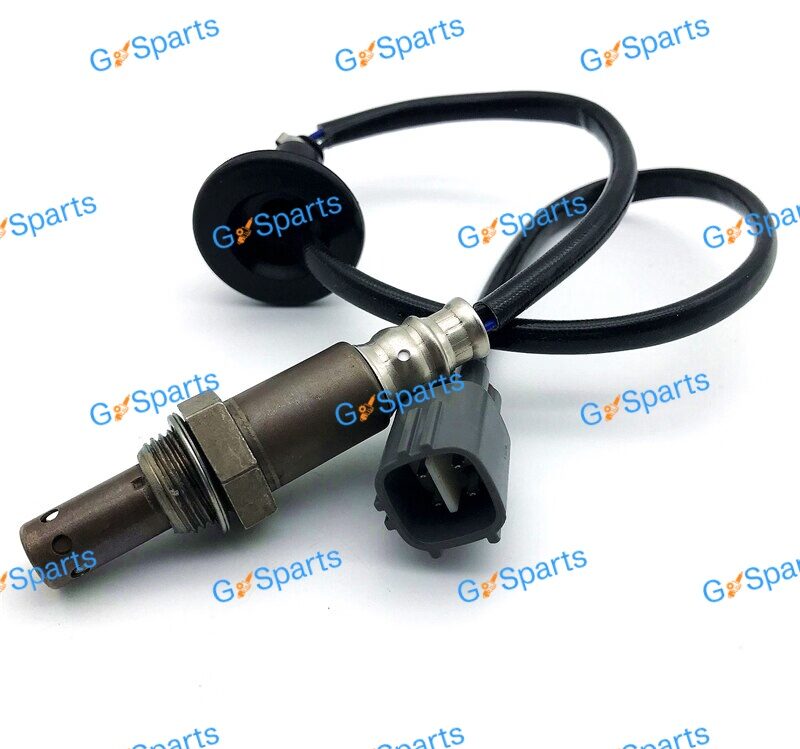
Genuine Toyota Oxygen Sensor 89465-47070/89467-47071 – Toyota Prius 1.5L (2004–2009) (Upstream & downstream (Prius set))
O₂ sensor for Toyota Prius 1.5L (2004–2009) – Upstream & downstream (Prius set). Specs: Upstream A/F sensor ~4-wire heated; downstream O₂ varies; direct-fit connector. Cross: Denso 234-4209 (example Prius upstream).
Did you like this product? Add to favorites now and follow the product.

(+86) 180 07 12 47 38 WhatsApp, Telegram, WeChat
Description
OE‑style oxygen (lambda) sensor covering: Toyota Prius 1.5L (2004–2009). OEM reference(s): 89465-47070 / 89467-47071. Position: Upstream & downstream (Prius set). Typical specification: Upstream A/F sensor ~4-wire heated; downstream O₂ varies; direct-fit connector. Manufacturer/cross‑ref: Denso 234-4209 (example Prius upstream). Use VIN to confirm upstream vs. downstream and exact reference; hybrids use specific air/fuel sensors. Source: Wholesale Direct.
Introduction: Why Oxygen Sensors Drive Everything
Efficient combustion depends on the ECU’s ability to measure and correct air–fuel ratio in real time. That job falls to the upstream and downstream lambda sensors that report oxygen content before and after the catalyst. When the signal is clean, the controller hits stoichiometry quickly, maintains catalytic efficiency, and delivers confident throttle response without waste.Technicians therefore center diagnosis on signal integrity, readiness completion, and trim stability, then solve root cause rather than chasing side effects. For Toyota platforms where compatibility and calibration precision are non-negotiable, Toyota Oxygen Sensor 89465-47070/89467-47071 is the go-to part number. Owners and shops alike trust Toyota Oxygen Sensor 89465-47070/89467-47071 to restore predictable control.
Role in Closed-Loop Control and Catalyst Health
In closed-loop operation, the ECU targets stoichiometric combustion by reading upstream lambda switching and adjusting injector pulse width. Downstream readings confirm catalyst oxygen storage and conversion efficiency. If switching slows, corrections lag and catalysts overheat or underperform, risking inspection failures. A healthy loop keeps short-term trim oscillations tight, supports smooth transient fueling, and protects the substrate from thermal shock. That’s why a robust, correctly specced part matters. Choosing Toyota Oxygen Sensor 89465-47070/89467-47071 provides reliable voltage or current output characteristics and heater performance that align with Toyota’s calibration, ensuring the loop closes quickly after start and remains stable during load changes and accessory engagement.
Upstream vs. Downstream: Different Jobs, One System
The upstream sensor governs immediate mixture correction, while the downstream sensor monitors catalyst performance and helps the ECU judge long-term health. Both must be accurate, but their signal patterns differ: upstream switches rapidly around stoichiometry; downstream should be comparatively steady when the catalyst is working. Confusing the two in parts selection or wiring introduces misleading feedback that wastes hours of diagnostics. Using Toyota Oxygen Sensor 89465-47070/89467-47071 ensures the correct connector, heater specs, and response curves for your bank and position, preserving the intended division of labor between fast control and after-treatment verification.
Fitment Precision, Connector Clocking, and Harness Stress
Even perfect electronics will fail if the body doesn’t seat correctly or the harness sits under tension. Thread length, crush washer geometry, and connector orientation determine whether installation seals exhaust gases, resists vibration, and keeps moisture out. Misclocked connectors rub against shields; over-tightened bodies damage bungs; under-torqued threads leak and skew readings. Selecting Toyota Oxygen Sensor 89465-47070/89467-47071 aligns thread spec, reach, and connector keying with the original design, reducing installation risk and future intermittent faults. Shops standardize on Toyota Oxygen Sensor 89465-47070/89467-47071 to minimize rework, protect adjacent wiring, and preserve the serviceability of surrounding components.
Symptoms That Point to Sensor Degradation
Real-world symptoms include declining MPG, sulfur smells after hard driving, sluggish throttle, and cruise control that hunts on mild grades. Check-engine lights often accompany rough cold starts or hot-soak restarts because heaters no longer bring elements up to temperature promptly. On the scan tool, look for lazy upstream switching, erratic downstream behavior despite a solid catalyst, or trims that drift far from center under steady cruise. Replacing the tired unit with Toyota Oxygen Sensor 89465-47070/89467-47071 stabilizes switching frequency and amplitude so the ECU regains authority, trims settle, and the vehicle regains the composed manners Toyota owners expect day to day.
Codes, Freeze-Frame Clues, and Live Data Patterns
Typical codes include heater circuit faults, slow response, range/performance, and catalyst efficiency below threshold. Freeze-frames capture RPM, load, coolant temperature, and sensor values at fault time—vital for differentiating cold-start heater issues from hot cruise sluggishness. Use graphing mode to see upstream switching speed and downstream steadiness; healthy traces look rhythmic, not jagged or flatlined. After installing Toyota Oxygen Sensor 89465-47070/89467-47071, clear codes, run the relearn or drive cycle, and re-plot to confirm crisp switching and quiet downstream behavior. That before/after record turns “it feels better” into defensible proof for customers and future technicians.
Materials, Heater Design, and Signal Stability
Modern planar zirconia elements rely on robust heaters to reach operating temperature fast and stay there across idle, traffic, and highway conditions. Weak heaters cause delayed closed-loop entry, extra fuel consumption, and sooty catalysts; poor seals invite condensation that cracks ceramics. Durable housings, reliable crimps, and proper venting protect the element against thermal shock. With Toyota Oxygen Sensor 89465-47070/89467-47071, heater wattage, insulation, and response characteristics match Toyota’s strategy, helping the ECU lock in stoichiometry within seconds of start, maintain control during accessories engagement, and avoid over-rich protection modes that many drivers mistake for misfires or clogged filters.
Pre-Install Preparation: Safety and Access Strategy
Start cold to avoid burns and seized threads. Soak the bung area with a penetrant, then run the engine briefly to warm the exhaust just enough to expand threads without risking galling. Disconnect the battery if your platform’s manual advises, secure the vehicle, and remove shields for clean tool access. Inspect the harness path for prior heat damage; plan routing that avoids sharp edges and moving parts. With Toyota Oxygen Sensor 89465-47070/89467-47071 ready, verify connector keying visually to prevent forcing mismatches. Proper prep shortens bay time, reduces broken studs, and makes torque accuracy achievable even in tight quarters.
Installation Best Practices: Threads, Torque, and Routing
Use an O2-safe anti-seize if the sensor doesn’t ship pre-coated; keep compound off the tip. Thread by hand first to avoid cross-threading, then torque to spec with an appropriate crow’s-foot or O2 socket. Route the lead away from the pipe and secure with high-temp clips at factory points; slack should accommodate engine movement without tension. Once Toyota Oxygen Sensor 89465-47070/89467-47071 is seated and connected, check for exhaust leaks and verify that the connector lock engaged fully. Clean routing prevents chafing and intermittent heater opens that masquerade as random driveability gremlins months later.
Post-Install Relearns, Readiness, and Trim Baselines
Some ECUs adapt to new sensors quickly; others benefit from a structured drive cycle. Warm the engine fully, confirm closed-loop entry, and observe short-term trim oscillations near center at steady cruise. Downstream behavior should quiet once the catalyst reaches temperature. After installing Toyota Oxygen Sensor 89465-47070/89467-47071, reset monitors if appropriate and drive a route with idle, stop-and-go, moderate cruise, and several long decelerations. When trims stabilize and readiness completes, you’ve earned data-driven confidence that mixture control and after-treatment are cooperating as designed.
Emissions Compliance and Inspection Confidence
Inspection failures often stem from incomplete monitors or catalyst efficiency codes triggered by bad upstream feedback rather than a bad catalyst. A reliable upstream signal keeps mixture tight; a truthful downstream signal verifies conversion is happening. With Toyota Oxygen Sensor 89465-47070/89467-47071 installed, shops commonly see faster readiness completion, fewer retests, and lower catalyst temperatures during loaded testing thanks to reduced over-fueling. The payoff is less downtime, lower compliance risk, and vehicles that leave the lane with paperwork done on the first pass.
Fuel Economy, Performance, and Cost-of-Ownership
Small errors at the lambda sensor amplify into real money at the pump. Lazy switching makes the ECU add fuel “just in case,” wasting energy and carbon budget while dulling throttle response. Crisp feedback lets the controller trim with confidence, freeing power and preserving MPG without aggressive tuning tricks. Choosing Toyota Oxygen Sensor 89465-47070/89467-47071 supports that precision, helping owners reclaim efficiency, protect catalytic life, and avoid chasing phantom issues in coils, injectors, or pumps that were only compensating for bad data upstream.
Avoiding Misdiagnosis: Sequencing the Tests that Matter
Throttle stumble, rich smells, and rough idle overlap with ignition, fuel pressure, vacuum leaks, and MAF faults. Resist parts darting. Verify fuel pressure, scope ignition, smoke-test the intake, and only then evaluate oxygen sensor behavior. A jagged upstream trace with good fuel and spark points to the sensor; a flat downstream trace with clear upstream activity points to the catalyst. Once evidence isolates the culprit, install Toyota Oxygen Sensor 89465-47070/89467-47071 and prove closure with new plots and completed monitors, not just cleared codes and optimism.
Cold-Start Behavior, Heaters, and Driveability
Cold starts demand fast heater performance to enter closed loop quickly and prevent cylinder wash from over-rich mixtures. Short urban trips expose weak heaters because the sensor never reaches steady temperature, leading to chronic inefficiency and fuel smell. With Toyota Oxygen Sensor 89465-47070/89467-47071, heater design matches ECU warm-up expectations, so closed-loop control arrives on schedule, idle evens out sooner, and catalytic light-off proceeds without over-fueling that ages the substrate. Owners feel the difference as smoother mornings and fewer fuel-rich hiccups at the first traffic light.
Materials and Environmental Robustness Across Seasons
Sub-zero winters, humid coasts, and desert heat stress ceramics, seals, and crimps. Moisture ingress during cool-down can crack elements; dust and road salts attack connectors. Sensor designs that vent correctly, seal reliably, and resist thermal shock survive that abuse without drift. Field experience points to Toyota Oxygen Sensor 89465-47070/89467-47071 as a resilient choice in mixed climates, delivering steady signals that make cruise control less twitchy and keep trims stable even as weather swings and accessory loads change the engine’s breathing and thermal profile.
Tuning, Aftermarket Intakes, and Calibration Integrity
Even mild modifications shift airflow characteristics enough to reveal weaknesses in slow or noisy oxygen feedback. Tuners can only shape transient fueling if the lambda data is trustworthy. With Toyota Oxygen Sensor 89465-47070/89467-47071 providing repeatable switching and heater performance, calibration work focuses on intentional changes rather than compensating for sensor lag. The result is a car that feels lively yet civilized at part throttle, with decel fuel cut that behaves quietly and steady-state cruise that stops oscillating.
Fleet Operations: Predictability at Scale
Across dozens of vehicles, small inefficiencies become large line items. Unstable feedback increases fuel spend, delays readiness, and generates driver complaints that drain shop time. Standardizing PM checklists and parts reduces variance and accelerates sign-off. Many fleets adopt Toyota Oxygen Sensor 89465-47070/89467-47071 because consistent fit, heater behavior, and signal quality compress validation time and cut warranty exposure. Drivers notice fewer quirks; managers see cleaner inspection logs; shops enjoy quieter phones and steadier schedules.
Data-Driven Validation: Graphs That Earn Trust
A disciplined sign-off beats guesswork. After install, log upstream sensor voltage or current at warm idle and steady cruise; switching should be crisp and regular. Downstream should remain comparatively stable when the catalyst is healthy. Overlay trims to confirm control authority. If something still looks off, revisit grounds, exhaust leaks ahead of the sensor, and MAF contamination. When Toyota Oxygen Sensor 89465-47070/89467-47071 is in place and plots look “boring,” you’ve achieved the gold standard: repeatability your team and customer can trust.
Buying Checklist: Get It Right the First Time
Match bank and position, verify connector keying, and confirm thread reach and seat style. Inspect the harness for heat damage and plan to replace brittle clips. Have an O2 socket, torque specs, high-temp loom, and clips ready before opening the hood. Stocking Toyota Oxygen Sensor 89465-47070/89467-47071 for your platform family shortens turnaround and avoids emergency sourcing at premium cost. A prepared bench and the right part transform a half-day headache into a predictable, profitable repair.
Common Installation Mistakes and How to Avoid Them
Cross-threading in a hot bung, contaminating the tip with anti-seize, over-torquing and cracking the shell, or routing the lead against a sharp heat shield are classic errors. Others include mixing upstream and downstream connectors or failing to seat the lock. Each mistake produces intermittent faults that masquerade as “random.” Slow down. Hand-start threads, torque to spec, confirm the lock click, and inspect lead clearance at full engine rock. Following these steps with Toyota Oxygen Sensor 89465-47070/89467-47071 prevents repeat visits and head-scratching diagnostics later.
Standards, Protocols, and Diagnostic Best Practices
Modern diagnostics lean on standardized PIDs, monitor logic, and OBD drive cycles. Those routines assume clean inputs. If oxygen feedback is unreliable, tests create edge cases that waste time. Best practice secures inputs first, then trusts protocol logic to behave predictably. By installing Toyota Oxygen Sensor 89465-47070/89467-47071, you align the vehicle with the assumptions built into those standards, making monitors complete faster and interpretations clearer for both technicians and inspection equipment.
Frequently Asked Practical Questions Answered
Owners often ask whether a rough idle means the catalyst is failing or the fuel quality changed. The better question is whether upstream feedback is crisp and downstream readings are calm under steady cruise. Others ask if universal sensors will work; splicing risks resistance changes that skew heater and signal interpretations. Choosing Toyota Oxygen Sensor 89465-47070/89467-47071 removes that ambiguity. Properly installed and validated, it restores the control loop that protects catalysts, improves MPG, and quiets the small drivability irritations that make a car feel older than it is.
Building Helpful Content Around Your Product Page
Great product pages educate: where the sensor sits, how to read basic graphs, and what a normal drive cycle looks like. They also set expectations for tools, torque, and validation steps so DIY users succeed the first time. When your page features Toyota Oxygen Sensor 89465-47070/89467-47071, include concise install tips, a readiness checklist, and simple “before/after” graph examples. This approach reduces returns, raises customer satisfaction, and turns one-time buyers into repeat customers who trust your guidance as much as your inventory.
Preventative Strategy for High-Mileage Vehicles
While sensors aren’t always scheduled replacements, vehicles with persistent short trips, urban stop-and-go, or known heat-soak stress patterns benefit from proactive renewal paired with exhaust leak checks and MAF cleaning. Weak heaters and slow elements age catalysts and foul plugs indirectly. Upgrading to Toyota Oxygen Sensor 89465-47070/89467-47071 as part of a targeted PM plan protects the value of more expensive components, shortens diagnostic sessions, and keeps inspection timing predictable. The small sensor becomes cheap insurance against bigger bills later.
From Complaint to Closure: A Repeatable Playbook
Start with the symptom and code set, confirm fuel and spark fundamentals, smoke-test for leaks, then interrogate upstream and downstream behavior with graphs. If the evidence indicts the sensor, replace it, route and torque correctly, run a drive cycle, and document the improvement with stable trims and completed monitors. This playbook scales across teams and vehicles because it’s explicit and evidence-based. Making Toyota Oxygen Sensor 89465-47070/89467-47071 your standard component simplifies each step and makes the end result feel pleasantly uneventful—exactly what customers want.
Final Recommendations and Next Steps
If your Toyota shows declining MPG, sulfur smells, slow closed-loop entry, or catalyst efficiency codes—and graphs confirm lazy switching—restore the feedback the ECU trusts. Install a precise, heater-robust unit, route the harness carefully, torque to spec, and validate with a structured drive. That disciplined sequence resolves root causes, protects catalysts, and returns the crisp, quiet composure that defines a well-maintained vehicle. For a dependable baseline and a smooth sign-off, choose Toyota Oxygen Sensor 89465-47070/89467-47071, confirm clean plots, and enjoy the confidence that comes when the smallest signal in the system is finally perfect—thanks to Toyota Oxygen Sensor 89465-47070/89467-47071.
External Resources (Standards & Technical References)
- SAE J1979 — OBD-II Diagnostic Test Modes
- ISO 15031 — Road Vehicles/Scan Tool Communication
- US EPA — Basic Information on OBD-II
- NGK/NTK — Oxygen (Lambda) Sensors Overview
- Bosch Mobility — Oxygen Sensor Technology
Related Internal Links
Additional information
| OEM / Reference | 89465-47070 / 89467-47071 |
|---|---|
| Cross reference | Denso 234-4209 (example Prius upstream) |
| Models | Toyota Prius 1.5L (2004–2009) |
| Position | Upstream & downstream (Prius set) |
| Specifications | Upstream A/F sensor ~4-wire heated; downstream O₂ varies; direct-fit connector |
| Source | Wholesale Direct |
Related products



G-SPARTS – Leading Auto Parts Supplier Since 2009
Trusted by 1000+ Clients Worldwide | Chinese (BYD, Geely, Chery, …), Japanese (Toyota, Honda, Nissan, …), European (BMW, Mercedes, VW, …) & American (Ford, Chevrolet, Tesla, …) Car Spares | Best Prices & OEM Quality | 15+ Years Expertise | Professional Team, Fast Global Shipping
Copyright 2025 © G-Sparts All Rights Reserved. | Premium Chinese Auto Parts Supplier – Worldwide Shipping | Best Prices on OEM & Aftermarket Spares

Reviews
There are no reviews yet.