
**OEM Hyundai Parts: Your Ultimate Guide to Genuine
OEM Hyundai Parts: Your Ultimate Guide to Genuine Quality and Performance
Whether you’re the proud owner of a Hyundai or the skilled mechanic behind the scenes, you’ve likely heard about OEM Hyundai parts. But what are these parts exactly, and why should you avoid cheaper imitations like a driver dodges a pothole?
Get ready — this guide is your roadmap to the world of OEM Hyundai parts. Think of me as your enthusiastic pit crew chief, here to boost your knowledge with clear facts, a touch of humor, and all the essentials. Let’s hit the road!
What Exactly Are OEM Hyundai Parts?
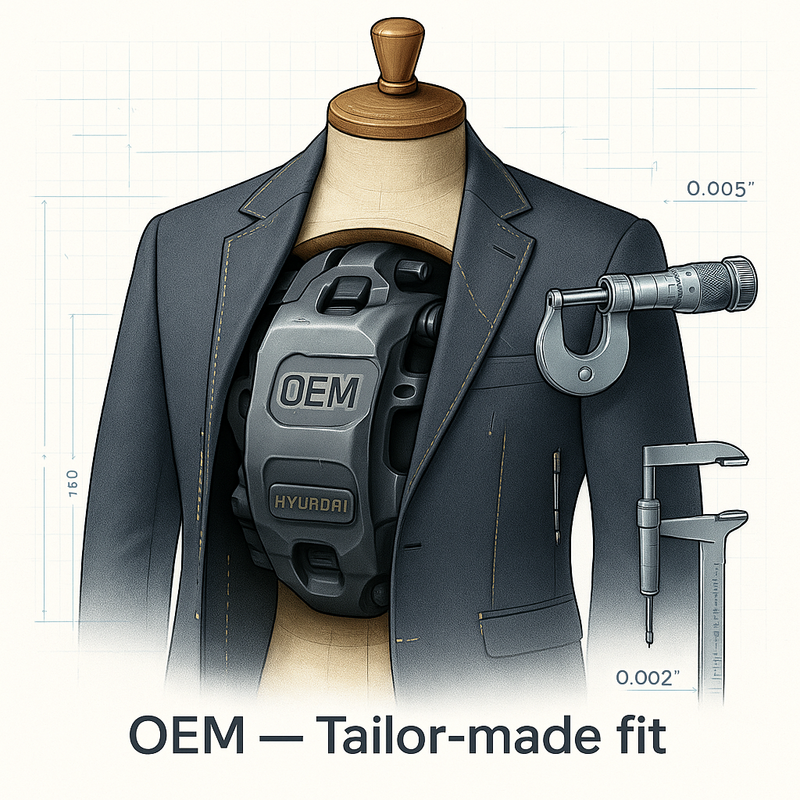
OEM stands for “Original Equipment Manufacturer.” In simple terms, these parts come directly from Hyundai or their authorized suppliers. They’re crafted specifically for your Hyundai model — like a tailor-made suit for your car. That means perfect fit, zero guesswork, and precision engineering you can trust.
Why does it matter? Because OEM parts ensure your vehicle performs exactly as designed — just like getting your favorite coffee made precisely the way you like it.
OEM vs. Aftermarket: What’s the Difference?
- OEM Parts: Produced by Hyundai or their official partners, thoroughly tested and approved for your car.
- Aftermarket Parts: Often cheaper third-party alternatives that might work, but won’t always maintain your Hyundai’s smooth performance or reliability.
While aftermarket parts may save you money upfront, your Hyundai’s dependability and resale value benefit much more from genuine OEM parts.
Why Choose OEM Hyundai Parts? Here’s the Deal
- Flawless Fit, Zero Hassle
No forcing or modifying — OEM parts fit your Hyundai perfectly, just as Hyundai intended. - Top-Notch Quality that Lasts
OEM parts meet Hyundai’s strict standards, delivering durability and safety you can count on. - Warranty Protection
Using genuine OEM parts helps keep your warranty intact and hassle-free. - Enhanced Safety and Reliability
Avoid the risks of low-quality parts that could compromise your braking or airbag systems. - Long-Term Savings
Investing in OEM parts means fewer repairs down the road and better overall vehicle longevity.
Which Parts Should Be OEM?
Hyundai’s systems work best with genuine parts across various components, including:
- Engine: Timing belts, air filters, fuel injectors, sensors.
- Brakes: Pads, rotors, calipers.
- Electrical: Batteries, starters, alternators.
- Suspension & Steering: Control arms, shocks, struts.
- Body: Bumpers, lights, mirrors.
- Interior: Dashboards, switches, seat belts.
- Cooling System: Radiators, water pumps.
Where to Buy Genuine OEM Hyundai Parts
To avoid counterfeit parts, stick to trusted sources:
- Hyundai Dealerships: The most reliable spot for authentic parts.
- Authorized Online Retailers: Sites like Hyundai OEM Parts Online and HyundaiPartsDeal offer verified genuine parts.
- Local Parts Centers: Nearby service shops often stock OEM essentials.
- Wholesale Distributors: Ideal for professionals needing bulk orders.
Spotting Fake OEM Parts: Tips to Stay Sharp
- Packaging: Genuine parts come in official Hyundai boxes.
- Part Numbers: Verify numbers against your manual or online catalogs.
- Vendor Reputation: Choose reputable retailers; avoid sketchy websites.
- Inspect Quality: Look for consistent finish, sturdy construction, and clear labels.
- Request Documentation: Warranties or authenticity certificates are a good sign.
What Owners Say About OEM Hyundai Parts
- Forums and Reddit users highlight OEM parts for their perfect fit and durability.
- Many praise OEM brake pads for smoother stops and reduced dust.
- Customers on HyundaiPartsDeal appreciate the extensive selection and support.
Quick tip: Buying from unverified sources often leads to frustrating delays or part mismatches — don’t risk it!
Are OEM Parts Worth the Price?
While OEM parts may cost a bit more upfront, think of the value like savoring a gourmet meal versus fast food. Here’s what you get:
- Warranty coverage that protects your investment.
- Less mechanic time spent fitting parts.
- Confidence on the road with reliable, safe components.
Pro Tips for Installing and Maintaining OEM Parts
- Let the Experts Handle It
Unless you’re a seasoned DIYer, professional installation ensures optimal performance. - Use Genuine Hyundai Fluids
Pair your parts with official oil and coolant for best results. - Keep Records
Save receipts and documentation for warranty and resale purposes. - Follow Maintenance Schedules
Stick to Hyundai’s guidelines to extend your parts’ lifespan. - Order with Your VIN
Your 17-character VIN ensures you get the exact parts tailored to your vehicle.
FAQs
Q: Can I use OEM parts on older Hyundai models?
Absolutely! Hyundai supports older vehicles with OEM parts for reliable repairs.
Q: Will OEM parts keep my warranty valid?
Yes, using and installing OEM parts properly maintains your warranty.
Q: How do I find the right part number?
Check your owner’s manual, online catalogs, or ask a dealer using your VIN.
Final Thoughts
Choosing OEM Hyundai parts means trusting the perfect fit, superior quality, warranty peace of mind, and enhanced safety. When your Hyundai needs repairs or upgrades, the genuine OEM route keeps your ride running like the day it rolled off the assembly line.
Don’t settle for less — opt for OEM Hyundai parts and enjoy the smooth, safe, and reliable drive you deserve.
Helpful Resources
- Hyundai Official Parts Catalog
- HyundaiPartsDeal – Genuine OEM Parts
- How to Identify Genuine OEM Auto Parts (Consumer Reports)
- Hyundai Maintenance Schedule Guide
Think of investing in OEM Hyundai parts as treating your vehicle to the care it truly deserves. Your Hyundai may not say thanks out loud — but every drive will show it’s worth the investment. 🚗🔧
Author’s Note: This guide is loaded with the latest 2024 info to keep your Hyundai performing at its best. Drive smart and stay safe!
Posts Widget
-
1

-
2

-
3
-
4


G-SPARTS – Leading Auto Parts Supplier Since 2009
Trusted by 1000+ Clients Worldwide | Chinese (BYD, Geely, Chery, …), Japanese (Toyota, Honda, Nissan, …), European (BMW, Mercedes, VW, …) & American (Ford, Chevrolet, Tesla, …) Car Spares | Best Prices & OEM Quality | 15+ Years Expertise | Professional Team, Fast Global Shipping
Copyright 2025 © G-Sparts All Rights Reserved. | Premium Chinese Auto Parts Supplier – Worldwide Shipping | Best Prices on OEM & Aftermarket Spares
