
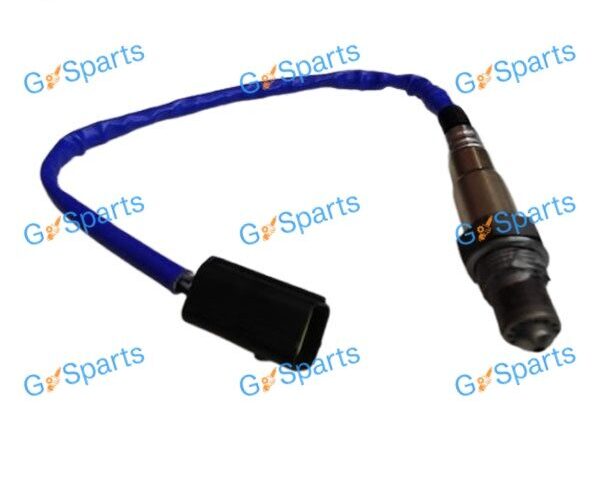
Ultimate BYD F0 F3 Oxygen Sensor LK-1211100 (2000s–2015) – OEM Precision for Smooth Idle, Better MPG & Clean Emissions
Oxygen Sensor LK-1211100 for BYD F0 and F3 models (2000s–2015). Ensures accurate air-fuel ratio control and efficient engine performance.
Did you like this product? Add to favorites now and follow the product.

(+86) 180 07 12 47 38 WhatsApp, Telegram, WeChat
Description
The BYD LK-1211100 Oxygen Sensor is a 4-wire heated zirconia sensor designed for upstream (pre-cat) position in BYD F0 and F3 vehicles from the early 2000s to 2015. With M18×1.5 threading and a direct-fit harness, it ensures precise monitoring of oxygen levels in exhaust gases, optimizing fuel economy and emissions. Verify VIN/engine code before purchase for compatibility.
Smart Exhaust Feedback: The Foundation of Calm, Efficient Driving
A great commute feels easy because your engine computer receives clear information about combustion and adjusts fueling instantly. That clarity comes from a healthy exhaust sensor that reports oxygen content precisely so mixture corrections stay small and smooth. When the signal slows or grows noisy, you notice idle wander, tip-in hesitation, and a faint fuel smell after short errands. Replacing a drifting unit with an application-correct part resets the loop so starts settle quickly and cruise feels effortless again. For owners who want a first-time fix with no guesswork, BYD F0 F3 Oxygen Sensor LK-1211100 delivers the curve and connector geometry the ECU expects, restoring confidence on the very first post-repair drive.
How Oxygen Data Shapes Fuel, Spark, and Catalyst Strategy
Modern control systems balance power and efficiency by reading exhaust oxygen, trimming injector pulse width, and coordinating spark with catalyst protection. A crisp signal allows closed loop to engage quickly after start-up, keeping the converter in its temperature sweet spot while holding torque delivery linear during small throttle inputs. With a weak element, the controller hunts, leading to surges that tire you out in traffic. Installing BYD F0 F3 Oxygen Sensor LK-1211100 provides a fast-switching, low-noise input so the ECU anticipates rather than reacts, narrowing trims and improving that subtle “calm” you notice when a car simply behaves.
Fitment Confidence: Geometry, Pinout, and Harness Length
Successful repairs start with the right part, not a look-alike. Connector indexing, harness length, heat shielding, and thread engagement all matter under the car. A direct-fit unit avoids adapters and splices that invite signal noise or premature heater wear. Clear photos, accurate attributes, and application matching prevent returns and save time in the bay. With BYD F0 F3 Oxygen Sensor LK-1211100, the connector clicks positively, the lead routes without strain, and the threads seat squarely in the bung, turning installation into a tidy sequence that sets you up for an easy verification drive.
Upstream vs Downstream: Choosing Position with Purpose
Sensors placed before the catalytic converter steer fuel trims and driveability, while those after the converter primarily monitor efficiency and readiness. Swapping positions or choosing the wrong part complicates diagnosis because symptoms differ: rough manners usually implicate the upstream side, while efficiency codes with otherwise decent behavior often point downstream. Confirming bank and location reduces parts roulette and builds trust in the outcome. When the correct position is identified, BYD F0 F3 Oxygen Sensor LK-1211100 delivers the signal shape the ECU expects, and using BYD F0 F3 Oxygen Sensor LK-1211100 in that intended role helps readiness complete without drama.
Heater Performance: Fast Warm-Up, Less Rich Running
Engines spend significant time cold on short trips. A robust heater brings the sensing element to temperature quickly so closed loop can start, trimming fuel instead of wasting it. Slow warm-up shows up as a heavier exhaust note, sticky idle, and a richer smell at the tailpipe. A properly spec’d element stabilizes early minutes, reducing the need for heavy corrections. That everyday benefit is why drivers notice smoother pull-aways and calmer traffic creep after fitting BYD F0 F3 Oxygen Sensor LK-1211100, especially on damp mornings and quick errand runs.
Materials That Survive Heat, Vibration, and Moisture
Under-car life is harsh: thermal shock, road salt, spray, and constant vibration. Durable stainless bodies, gas-permeable shields, and sealed terminals protect the element while strain-relieved leads keep tension off pins. These details aren’t cosmetic; they preserve switching speed and repeatability month after month. Choose BYD F0 F3 Oxygen Sensor LK-1211100 and you’re choosing an assembly designed to keep the signal honest from frosty starts to summer heat-soak, supporting smoother idle, steadier cruise, and a catalyst that stays happy.
Real-World Clues Your Sensor Is Aging
Most failures creep. You might smell fuel after short trips, feel slight surging at neighborhood speeds, or watch the idle dip when the air-conditioner cycles. Sometimes a light sets for slow response or heater performance; other times the car “runs” but feels a little argumentative. After ruling out upstream exhaust leaks, vacuum leaks, and harness rubs, replacing the element is a high-leverage fix. The first drive after installing BYD F0 F3 Oxygen Sensor LK-1211100 usually brings lighter throttle, steadier tip-in, and fewer odor events—practical proof that the control loop trusts its senses again.
Diagnostic Workflow that Avoids Parts Roulette
A calm process beats guesswork. Verify no air is being pulled into the exhaust ahead of the sensor, inspect loom routing for heat damage, confirm bright-metal grounds, and check freeze-frame data to recreate conditions. With the environment sound, the sensor becomes the logical next step. Refreshing the feedback path with BYD F0 F3 Oxygen Sensor LK-1211100 restores believable switching, and a short mixed drive should show trims narrowing and readiness progressing, validating the repair without complicated rituals. If issues persist, the clean baseline helps you find the real cause faster while BYD F0 F3 Oxygen Sensor LK-1211100 continues reporting truthfully.
Preparation: Setting Up a Clean, Predictable Install
Preparation saves knuckles and time. Let the exhaust cool fully, mist the bung with penetrant, and clean the area so grit can’t fall into threads or connectors. Stage the O2 socket, torque wrench, and heat-rated ties, and compare connector faces before removing protective caps. Dry-fit the harness path to ensure slack and clip reuse. These simple steps turn the job into a short, confident sequence. When you’re ready to thread in BYD F0 F3 Oxygen Sensor LK-1211100, everything fits naturally and you can focus on torque and routing rather than improvisation.
Installation Technique: Thread, Seat, and Protect the Loom
Start the sensor by hand to confirm proper engagement, then torque to specification—secure, not excessive. Align the harness to relieve connector strain and keep the lead away from sharp edges and hot skins. Use existing clips to maintain distance from moving parts. Latch the connector firmly and perform a gentle tug test that checks terminal seating without stressing pins. A tidy install not only looks professional; it prevents vibration-induced noise and intermittent faults. Done right, BYD F0 F3 Oxygen Sensor LK-1211100 makes the very first warm-up feel settled and confident.
Verification: Simple Checks and Optional Live Data
After installation, clear stored codes and allow the engine to warm at idle without heavy electrical loads. Listen for a steady note and feel for a calm idle. If a reader is handy, upstream switching should look brisk and regular while downstream traces steadier as the catalyst works. A short loop with light cruise and gentle accelerations helps trims converge. The improvement is obvious when BYD F0 F3 Oxygen Sensor LK-1211100 is seated correctly: smooth tip-in, predictable holding on small grades, and a dashboard that stays quietly satisfied.
Efficiency: How a Stable Signal Saves Fuel
Accurate oxygen data prevents unnecessary enrichment and keeps the converter near its sweet spot, reducing stress that leads to expensive replacements. Over time, small improvements add up to fewer fuel stops and easier inspection readiness. Many drivers report steadier cruising on rolling terrain after installing BYD F0 F3 Oxygen Sensor LK-1211100, because the ECU finally trusts what it hears and stops chasing ghosts. That’s how a small part creates a big, durable impact on comfort and cost.
City Advantage: Short-Trip Calm Without the Rough Edges
Stop-and-go commutes reveal weak heaters and noisy signals quickly. A sensor that reaches temperature decisively shortens open-loop time, eliminates rich smells in parking structures, and stabilizes idle as accessories cycle. With BYD F0 F3 Oxygen Sensor LK-1211100 in place, those first blocks feel composed instead of cranky, and the cabin stays calmer because the exhaust note and odor settle faster, even on damp mornings that previously magnified hesitation.
Seasonal Stability from Frost to Heat-Soak
Winter contraction challenges seals and connectors, while summer heat-soak stresses routing and shielding. A component built for these extremes maintains calibration instead of drifting with weather. Owners often notice fewer rough first miles in cold weather and steadier idle when the air-conditioner cycles in midsummer after fitting BYD F0 F3 Oxygen Sensor LK-1211100, turning seasonal quirks into quiet non-events.
Electrical Hygiene: Grounds, Shielding, and Signal Integrity
Even the best element can’t overcome a starved or noisy circuit. Clean grounds stabilize references, intact shielding keeps interference away, and firm terminal tension maintains a clean path. During other service, include a quick look at clip integrity so nothing rubs or wicks moisture. Protecting the electrical path lets BYD F0 F3 Oxygen Sensor LK-1211100 deliver crisp switching every day, preserving the smooth drivability you felt on the first test loop.
Maintenance Habits that Extend Service Life
Fix misfires promptly so raw fuel doesn’t overheat the catalyst, keep the intake sealed to prevent false lean events, and avoid silicone-heavy sealants that can poison the element. When cleaning nearby areas, cover connectors to prevent solvent intrusion and re-secure any loom clips you touch. In that friendly environment, BYD F0 F3 Oxygen Sensor LK-1211100 provides repeatable feedback for the long haul, keeping the control loop transparent so the vehicle simply behaves like it should.
Counterfeit Awareness: Buy Once to Fix Once
Look-alike parts can hide shortcuts in heater durability, sealing, and calibration stability. They may work at first start yet drift quickly, creating intermittent codes and repeat labor. Clear connector photos, traceable packaging, and protected terminals signal reputable sourcing. Standardizing on BYD F0 F3 Oxygen Sensor LK-1211100 reduces risk because the hardware behaves the way the ECU expects, letting technicians focus on process instead of product variability and owners focus on a car that just works.
Packaging and Handling: Protecting Precision to the Bung
Sensitive electronics deserve thoughtful logistics. Immobilizing trays prevent pin deformation, moisture barriers protect the element, and clean labeling speeds shelf selection. On the bench, keep caps in place until threading begins, compare connectors side-by-side, and avoid gritty surfaces. These quiet practices ensure BYD F0 F3 Oxygen Sensor LK-1211100 reaches the bung in perfect condition so the first start validates the repair instead of introducing mystery behavior from handling damage.
Product Page Clarity: Photos, Attributes, and Plain Language
Shoppers decide faster when pages answer silent questions: connector face, harness length, thread description, and position guidance. High-resolution images and normalized attributes prevent mismatches, while concise copy explains upstream and downstream roles without jargon. Listings centered on BYD F0 F3 Oxygen Sensor LK-1211100 should present those details up front, turning curiosity into confident action and reducing support tickets that slow the path from cart to verified install.
Workshop & Fleet Wins: Predictable Outcomes that Compound
Busy bays and fleets rely on first-time fixes and consistent behavior across vehicles. A sensor that installs cleanly, warms decisively, and holds calibration reduces comebacks and shortens training for new techs. Drivers feel calmer cars that need less attention, and managers appreciate simplified stocking. Standardizing around BYD F0 F3 Oxygen Sensor LK-1211100 makes results repeatable, and pairing BYD F0 F3 Oxygen Sensor LK-1211100 with a five-minute verification loop turns a common complaint into a routine success.
Localization & Compliance Details That Boost Buyer Confidence
Expanding into new markets is more than translating product titles—it means adapting terminology, measurement units, inspection norms, and even connector naming so shoppers instantly recognize what they need. For example, showing harness lengths in millimeters and inches, clarifying upstream/downstream roles using regionally familiar terms, and mapping local engine codes to chassis trims removes friction. Building region-specific FAQs and sizing notes into the PDP keeps pre-purchase chat volume low and conversion high. When these localization touches sit right above fitment verification, customers in every market feel seen—making BYD F0 F3 Oxygen Sensor LK-1211100 the obvious, confidence-inspiring choice for their exact vehicle and compliance requirements.
Conversion Optimizations on the Product Page That Reduce Returns
High-intent shoppers scan for a few proof points: connector face clarity, harness route context, thread spec, included hardware, and position guidance. Start your PDP with a crisp hero photo and a 3-angle connector gallery, then add a short “Will this fit?” widget that cross-checks model, year, engine, and sensor position. Follow with three benefit bullets (fast warm-up, stable switching, emissions-ready) and a concise install overview. A short drive-cycle explainer and readiness tips help owners pass inspection on the first try. When content and structure align this cleanly, shoppers choose BYD F0 F3 Oxygen Sensor LK-1211100 quickly, install it correctly, and keep it—shrinking return rates while lifting review quality.
Aftercare, Bundles, and Support That Create Lifetime Value
Great ownership continues after checkout. Offer smart add-ons—penetrant, O2 socket, heat-rated ties, and a simple eye-protection kit—so DIY customers finish the job in one session. Include a printable, single-page torque and routing guide in the order confirmation, plus a link to a 90-second video that shows hand-threading, connector seating, and a basic verification loop. For shops and fleets, provide carton counts and labeling standards to speed inventory control. This thoughtful aftercare turns a one-time repair into trust and repeat business, reinforcing why BYD F0 F3 Oxygen Sensor LK-1211100 and the G-Sparts experience feel engineered to deliver success from cart to road test and beyond.
FAQs Answered Honestly to Reduce Doubt
Do you need extra anti-seize? Follow the pre-applied coating; additional compound can contaminate surfaces. Is universal okay? Spliced solutions risk signal integrity—use direct-fit. What about monitors? Clear codes, complete a mixed drive, and let readiness set naturally. If a light returns, verify bank and position with photos, check for small leaks ahead of the sensor, and reseat the connector. Most owners who follow these basics and install BYD F0 F3 Oxygen Sensor LK-1211100 report a quietly successful outcome without repeat visits.
Troubleshooting When a Code Persists
If a fault reappears, step back methodically. Confirm no upstream leaks, verify connector seating and pin integrity, check heater power and ground, and compare trims for plausibility. Contamination from coolant or oil, or a failing catalyst, can mimic sensor issues. With a known-good input like BYD F0 F3 Oxygen Sensor LK-1211100, remaining problems usually trace to external causes, making root-cause analysis faster and more conclusive for do-it-yourselfers and professional bays alike.
Environmental Benefits: Cleaner Combustion, Easier Inspections
Accurate feedback keeps mixture near stoichiometry, reducing hydrocarbons and carbon monoxide while protecting the converter. Steady operation helps readiness complete without elaborate routines, turning inspection day into a routine errand. Choosing BYD F0 F3 Oxygen Sensor LK-1211100 supports cleaner air and a calmer dashboard, two sides of the same good decision that also saves fuel and protects hardware.
Closing Summary: Restore Clarity and Enjoy the Drive Again
Great ownership is made of quiet wins—starts that settle, traffic that feels manageable, and a dashboard that stays dark. Those wins depend on honest data feeding the control unit so it can make smart decisions without delay. Replacing a drifting element with BYD F0 F3 Oxygen Sensor LK-1211100 restores that honesty, bringing back predictable response, confident fuel economy, and inspection-ready emissions. Approach the job deliberately, verify with a short loop, and enjoy a car that simply behaves the way it should with BYD F0 F3 Oxygen Sensor LK-1211100 anchoring the feedback loop.
External Resources (Standards & Technical References)
- SAE J1979 — OBD-II Diagnostic Test Modes
- ISO 15031 — Road Vehicles/Scan Tool Communication
- US EPA — Basic Information on OBD-II
- NGK/NTK — Oxygen (Lambda) Sensors Overview
- Bosch Mobility — Oxygen Sensor Technology
Related Internal Links
Additional information
| OEM Part Number | LK-1211100 |
|---|
Related products



G-SPARTS – Leading Auto Parts Supplier Since 2009
Trusted by 1000+ Clients Worldwide | Chinese (BYD, Geely, Chery, …), Japanese (Toyota, Honda, Nissan, …), European (BMW, Mercedes, VW, …) & American (Ford, Chevrolet, Tesla, …) Car Spares | Best Prices & OEM Quality | 15+ Years Expertise | Professional Team, Fast Global Shipping
Copyright 2025 © G-Sparts All Rights Reserved. | Premium Chinese Auto Parts Supplier – Worldwide Shipping | Best Prices on OEM & Aftermarket Spares

Reviews
There are no reviews yet.