

Reliable Solution: NiBK PN1431 Rear Brake Pads for BYD F3/F3R (2005–2025)
NiBK PN1431 Rear Brake Pads for BYD F3/F3R (2005–2025) deliver precise fit, calm NVH, and rotor-friendly wear for daily, fleet, and highway duty. Engineered chamfers, slots, and multilayer shims work with OE-style backplates to reduce squeal and sustain a consistent transfer layer. Compound tuning supports confident bite at low speeds and predictable modulation at higher loads, while stable friction helps ABS and stability systems perform as intended. Each boxed set arrives inspection-ready, with consistent thickness, density, and bonding for straightforward installation. If you maintain BYD F3/F3R platforms, this friction set restores refined pedal feel quickly, minimizing rework and keeping vehicles in service with fewer interruptions.
Did you like this product? Add to favorites now and follow the product.

(+86) 180 07 12 47 38 WhatsApp, Telegram, WeChat
Description
1) Fitment, Geometry & First-Time Success
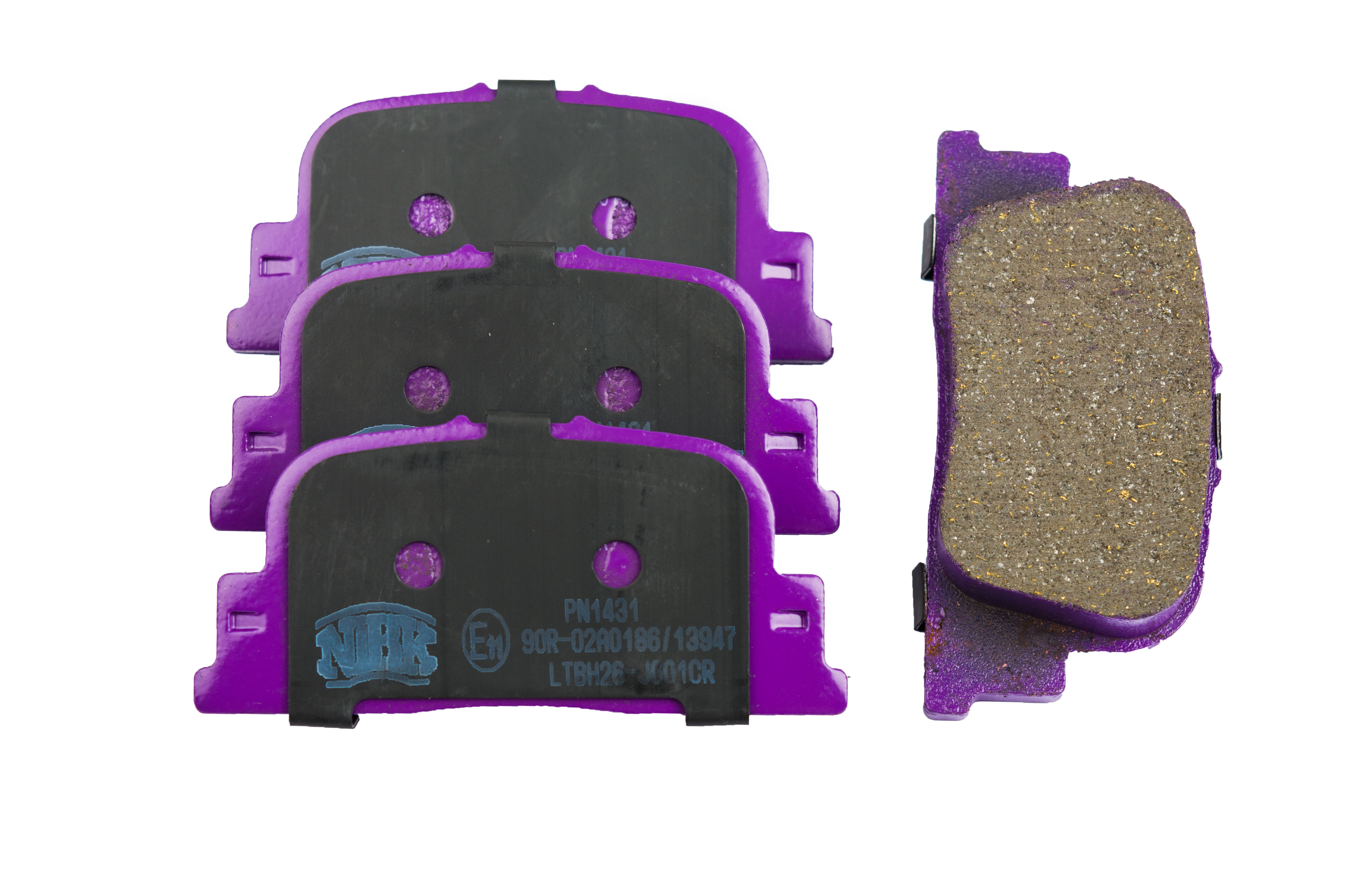
NiBK PN1431 Rear Brake Pads for BYD F3/F3R (2005–2025) anchor this fitment overview because caliper harmony begins with correct geometry. Abutment ear shapes, pad thickness, and swept area follow OE patterns so pads slide freely without chatter, while even backing-plate contact stabilizes the transfer film. Slots interrupt material modes that can amplify resonance; chamfers soften edge engagement during light stops common in city traffic. With NiBK PN1431 Rear Brake Pads for BYD F3/F3R (2005–2025) in the bay, technicians report predictable pedal travel and clean retraction, aided by tight tolerances that prevent binding. The net result is faster turn-around, fewer comebacks, and a braking feel that immediately tracks with factory expectations after bedding.
2) Friction Science: Bite, Modulation, and Fade Margin
Effective braking depends on controlled initial bite, linear modulation, and thermal stability across everyday temperatures. The compound behind NiBK PN1431 Rear Brake Pads for BYD F3/F3R (2005–2025) blends fibers, lubricants, and stabilizers to maintain a steady coefficient of friction without harsh onset. That steadiness makes parking maneuvers smoother and highway decels more predictable. During longer descents, stable μ helps preserve pedal consistency while limiting rotor glazing. Because rear circuits balance stability with comfort, NiBK PN1431 Rear Brake Pads for BYD F3/F3R (2005–2025) target progressive rise in torque for better ABS cooperation. Drivers experience calmer, more accurate pedal placement, with less variance between a cold first stop and subsequent applications.
3) NVH Control: Shims, Slots & Chamfers Working Together
Quiet pads are engineered from the backing plate up. Multi-layer shims on NiBK PN1431 Rear Brake Pads for BYD F3/F3R (2005–2025) decouple piston-face vibration, while strategic slot geometry interrupts standing waves within the friction block. Leading and trailing chamfers reduce edge loading at initial contact, trimming the high-frequency squeal often heard at light pressures. Add proper pad-to-caliper clearances and fresh silicone-compatible grease at guide points, and the result is calm braking in neighborhoods, parking structures, and busier urban corridors. Because rear pads frequently engage at tiny pedal inputs, NVH discipline pays daily dividends: smoother arrivals at junctions, fewer low-speed moans, and less driver fatigue over mixed commutes.
4) Rotor Friendliness & Transfer-Film Stability
Disc life is protected when pads build even, adherent films. The material in NiBK PN1431 Rear Brake Pads for BYD F3/F3R (2005–2025) aims to create uniform transfer layers that guard gray-iron surfaces while maintaining grip. By moderating abrasive content and integrating controlled lubricants, the pad reduces deep scoring and discourages hot spotting under normal clamp loads. This rotor-friendly approach sustains pedal smoothness and extends disc service intervals. Wheel cleanliness also benefits, as finer dust rinses away with neutral pH shampoos. Pair consistent friction with rotors in spec for thickness and runout, and you get a rear brake setup that feels composed today—and still feels composed thousands of kilometers later.
5) Bedding-In & Film Formation
Correct bedding converts fresh friction into repeatable stopping. After installing NiBK PN1431 Rear Brake Pads for BYD F3/F3R (2005–2025), complete a series of moderate decelerations from urban speeds, allowing airflow cool-downs between stops. Avoid prolonged hard holds during the first few hundred kilometers. This staged heat-up lays down an even film, reduces the risk of judder from patchy deposits, and stabilizes μ for both light and emergency braking. Shops that standardize bedding steps report quieter operation and fewer returns. On rear axles, where light applications dominate, a disciplined break-in is the simplest route to silent manners and a confident pedal that responds the same morning and night.
6) Backing Plates, Adhesives & Shim Integrity
Hardware rigidity underwrites quiet, linear braking. The backing plates on NiBK PN1431 Rear Brake Pads for BYD F3/F3R (2005–2025) are stamped for flatness, supporting even pressure under clamp loads. Robust adhesives maintain shear strength through heat cycles; scorched friction faces can shorten early break-in; and precision chamfers smooth initial contacts. Together with multi-layer shims, the assembly limits vibrational energy reaching the caliper body. Because calipers behave like speakers when excited by pad oscillations, damping and stiffness are not optional extras—they are core to NVH control. Installers who inspect slides and boots while fitting these pads preserve that quiet foundation well beyond the first service interval.
7) Wet-Road Recovery & Seasonal Consistency
Rain, humidity, and temperature swings change boundary layers at the disc interface. The compound used in NiBK PN1431 Rear Brake Pads for BYD F3/F3R (2005–2025) is formulated for quick μ recovery as water is swept away, with predictable friction across common ambient ranges. That means fewer surprises in sudden downpours and less variation between the cold first stop and the rest of a commute. In hot seasons or on prolonged descents, thermal stability helps keep pedal travel consistent. Since rear pads often manage subtle corrections for stability control, consistent low-pressure behavior matters as much as peak torque. The outcome is balanced braking feel throughout the year, not just on test drives.
8) Installation Practices for Pros & DIY
Good pads deserve good procedures. When installing NiBK PN1431 Rear Brake Pads for BYD F3/F3R (2005–2025), verify rotor thickness and lateral runout, clean abutment lands, and refresh hardware if wear is visible. Apply high-temperature brake lubricant sparingly to slides and ears—never to friction faces. Torque carrier and guide bolts to spec and confirm free caliper motion. After the road test, provide bedding guidance and advise against long parking holds on hot brakes. Clear documentation of measurements and torque values aids future service and extends disc life. Shops that follow these basics consistently unlock the full benefit engineered into NiBK PN1431 Rear Brake Pads for BYD F3/F3R (2005–2025).
9) Urban Duty & Light-Pressure Control
City cycles emphasize tiny pedal inputs, frequent shallow stops, and occasional panic events. The friction matrix in NiBK PN1431 Rear Brake Pads for BYD F3/F3R (2005–2025) is tuned to avoid glazing under repetitive light applications while preserving crisp initial bite when needed. Smooth low-pressure behavior reduces head-bob and helps drivers place the car precisely in traffic. Because many rear-axle events occur at the threshold of perception, the benefits show up as calm arrivals at crosswalks, less cabin noise, and more composed takeoffs. Owners notice that refinement, especially when rotors remain clean and slides stay lubricated—small details that protect the quiet characteristics baked into the pads.
10) Quality Systems & Standards Context
Repeatable results come from disciplined manufacturing. Batches of NiBK PN1431 Rear Brake Pads for BYD F3/F3R (2005–2025) are produced with controlled ingredient dosing, pressing pressures, and cure cycles to hit target density and porosity. While friction parts follow their own norms, broader materials frameworks from ASTM International help set expectations for steels and coatings used in backing plates and shims (https://www.astm.org/). For supply-chain perspective on the metals economy behind brake hardware, the World Steel Association is an authoritative resource (https://worldsteel.org). Background metallurgy relevant to stainless clips and shim layers is concisely summarized on Stainless steel – Wikipedia (https://en.wikipedia.org/wiki/Stainless_steel).
11) System Balance with BYD Calipers
Pads do their best work when compressibility and geometry match the caliper and rotor set. The characteristics of NiBK PN1431 Rear Brake Pads for BYD F3/F3R (2005–2025) support linear hydraulic response, which helps ABS and stability systems operate smoothly. Even contact across the pad face signals healthy load distribution; if taper wear appears, revisit slides, abutments, and torque practices. Pairing these pads with rotors that meet thickness and runout limits prevents nuisance judder and intermittent squeal later. When system elements align, drivers enjoy straighter stops and more predictable pedal feedback—confidence that shows up on daily commutes and extended highway runs alike.
12) Rotor Care & Replacement Timing
A friction upgrade only shines if the rotors beneath are healthy. Before fitting NiBK PN1431 Rear Brake Pads for BYD F3/F3R (2005–2025), measure rotor thickness, check lateral runout, and inspect for heat checking or deep grooves. Replace discs that are out of spec; resurfacing must respect minimum thickness. After bedding, a quick re-torque and visual dust pattern check can catch early anomalies. Protecting the transfer film and keeping hardware free prevents early-life complaints often misattributed to the pad. Over time, this disciplined approach yields smoother braking, longer rotor life, and fewer unplanned stoppages—key outcomes for fleets and private owners who value dependable service intervals.
13) Everyday Comfort & Pedal Feel
Refinement is judged at low speeds. Chamfers and shims on NiBK PN1431 Rear Brake Pads for BYD F3/F3R (2005–2025) discourage grabby onset while preserving crisp bite, making it easier to park, creep in queues, and roll into roundabouts without head-bob. Because rear pads often stabilize the vehicle during micro-corrections, smooth friction rise at small inputs makes the car feel newer for longer. With rotors in spec and hardware lubricated correctly, the pads remain quiet far past their initial bedding period. Passengers notice less squeal in covered parking and fewer vibrations through the seat base, while drivers enjoy more predictable pedal modulation in everyday traffic.
14) Highway Stability & Heat Management
Descending grades and high-speed stops introduce additional heat into rear circuits. The formulation for NiBK PN1431 Rear Brake Pads for BYD F3/F3R (2005–2025) targets fade resistance while preserving rotor finish, supporting consistent torque across repeated events. That stability helps electronic aids modulate effectively, keeping the vehicle composed when panic braking or trail-braking into off-ramps. After heavy use, pads cool evenly to avoid imprint-related vibration. Because rear pads can influence yaw stability, a friction curve that remains calm under temperature swing is essential. With NiBK PN1431 Rear Brake Pads for BYD F3/F3R (2005–2025) installed, the car feels steady at speed without punishing discs between services.
15) Dust, Wheel Finish & Cleaning Practice
Appearance matters to many owners and fleet operators. The dust profile from NiBK PN1431 Rear Brake Pads for BYD F3/F3R (2005–2025) is engineered to rinse away with neutral pH shampoos, minimizing the need for harsh wheel acids that can attack clear coats and hardware. Occasional freshwater rinses remove contaminants that might mark rotors after wet nights. As miles accrue, fine particulate keeps wheels brighter between washes, and rotor-friendly chemistry reduces the brown haze sometimes seen from aggressive abrasives. For busy workshops, cleaner wheels also shorten post-service detailing, improving throughput without sacrificing braking feel or long-term rotor integrity.
16) Storage, Handling & Shelf Readiness
From warehouse shelf to work bay, careful handling preserves performance. Packaging for NiBK PN1431 Rear Brake Pads for BYD F3/F3R (2005–2025) shields chamfers and friction surfaces from chips and oils. Store boxes flat, dry, and away from solvents; avoid touching friction with greasy gloves. Before install, wipe rotors with approved cleaner and verify shim adhesion. Good housekeeping—sweeping swarf, checking slide boots, and aligning pad ears—prevents early-life noises later blamed on the pad. These small disciplines convert an engineered friction assembly into the quiet, linear brake feel drivers notice immediately after a service visit and continue to appreciate throughout the interval.
17) Troubleshooting & Field Fixes
If noises appear, start with fundamentals: confirm pad freedom in abutments, re-lubricate slides lightly, and recheck carrier torque. For judder, measure disc thickness variation and clean the hub face. When NiBK PN1431 Rear Brake Pads for BYD F3/F3R (2005–2025) are installed with straight rotors and free-moving hardware, issues are uncommon. In harsh service—dusty worksites or frequent fords—shorten inspection intervals and refresh cleaning routines. Document findings so patterns can be addressed across vehicles sharing the platform. Most concerns trace to fitment environment rather than the friction material itself, and a disciplined checklist resolves them quickly without parts swapping.
18) Fleet Value & Cost-Per-Kilometer
Uptime, not line price, dominates total cost. The wear balance in NiBK PN1431 Rear Brake Pads for BYD F3/F3R (2005–2025) helps pads and rotors age together sensibly. Quiet operation reduces diagnostic callbacks; quick bedding lowers early-life returns. For taxi and rideshare fleets, consistent μ across drivers with different styles keeps stops predictable and compliance strong. With sensible inspection cadence and clean documentation, planners order parts on time, reduce inventory shocks, and keep vehicles productive. Because rear pads often set the subjective tone for vehicle refinement, choosing a well-mannered set supports customer satisfaction alongside measurable maintenance savings.
19) Materials, Sustainability & Industry Context
Braking components live inside global materials systems. While friction chemistry is proprietary, understanding steels, coatings, and stainless hardware is helped by broader references. ASTM International hosts standards that underpin metals and test frameworks (https://www.astm.org/). The World Steel Association provides data on steel production and sustainability that supports reliable component supply (https://worldsteel.org). For approachable background on microstructures relevant to clips and shims, see Stainless steel – Wikipedia (https://en.wikipedia.org/wiki/Stainless_steel). These resources explain why documented properties and stable supply chains translate into predictable road performance—outcomes that drivers feel as steady, quiet stops.
20) Service Intervals & Replacement Planning
A healthy brake system avoids surprises. When fitting NiBK PN1431 Rear Brake Pads for BYD F3/F3R (2005–2025), record pad thickness and rotor measurements, then schedule a light check after 100–200 km to confirm even contact. Thereafter, inspections aligned with oil-change intervals catch slider wear, boot tears, and unusual dust patterns before they become complaints. Replace discs that approach minimum thickness or show heat checking; pair new pads and rotors for the smoothest results. Consistent documentation builds a service history that simplifies diagnostics and supports warranty decisions with real numbers—useful for both fleets and private owners.
21) Counter Checks & Tech Specs
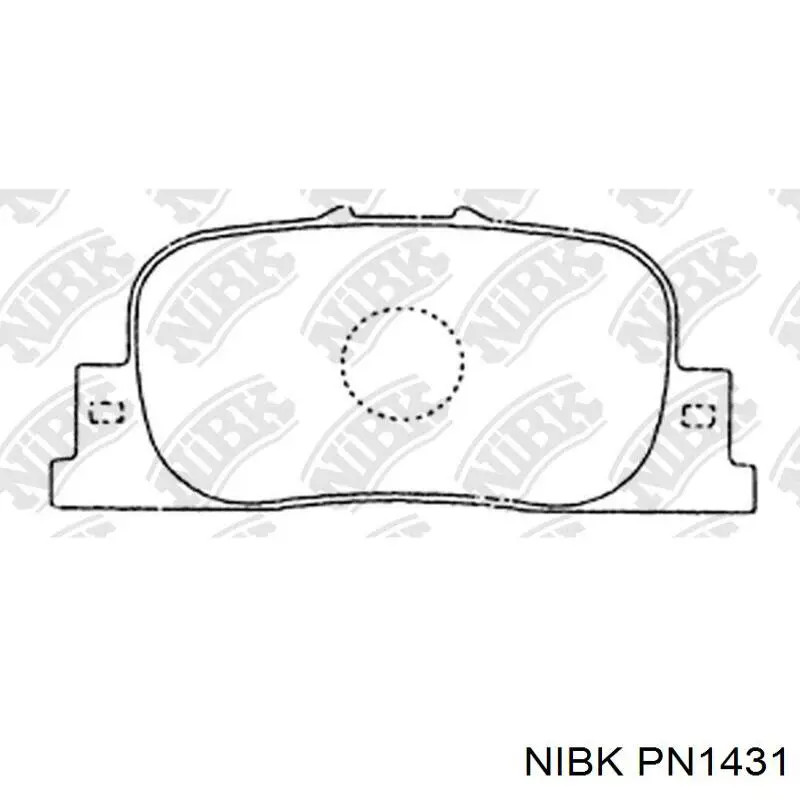
Before purchase, cross-check pad silhouette, ear style, and sensor provisions against VIN or OE reference. The packaging for NiBK PN1431 Rear Brake Pads for BYD F3/F3R (2005–2025) should include the correct shim set and any required clips. Confirm backing-plate thickness and overall pad height against service data. If rotors are near minimum or show deep grooves, plan a disc replacement to protect new friction and shorten bedding time. Bringing torque values, approved lubricants, and runout specs to the bay keeps the job efficient and reduces risk of over-tightening that can distort carriers or bind sliders—issues that masquerade as pad “problems.”
22) Road Test & Customer Handover
After installation, road-test with a sequence of gentle to moderate decels, building temperature gradually. The expected feel from NiBK PN1431 Rear Brake Pads for BYD F3/F3R (2005–2025) is calm initial bite and linear torque without graunch. Provide the driver with bedding guidance, advise against long holds on hot brakes, and schedule a quick recheck if vibration appears. A simple handover script boosts satisfaction and reduces callbacks. For fleet vehicles, capture driver impressions alongside technician notes; the pairing often reveals minor setup tweaks that make the next install even better and keep the fleet’s brake feel consistent across units.
23) BYD Platform Compatibility Notes
Rear pad duties vary with tire choice, load, and regional road texture, yet the geometry and compound in NiBK PN1431 Rear Brake Pads for BYD F3/F3R (2005–2025) are designed to deliver stable, quiet performance across typical service. When paired with healthy rotors, free sliders, and proper bedding, the system remains predictable in wet and dry conditions. Owners who value smooth, low-noise manners will appreciate the refined take-up at small pedal inputs, while technicians enjoy low rework rates and clean installation flow. Over time, the balance of rotor preservation, quiet braking, and even wear supports favorable cost-per-kilometer economics for private and commercial operators.
24) Why Choose This Set for BYD F3/F3R
Compatibility, refinement, and repeatability make NiBK PN1431 Rear Brake Pads for BYD F3/F3R (2005–2025) a strong match for these caliper-rotor packages. The compound’s steady μ curve supports comfortable city use and composed expressway stops; rotor-friendly behavior helps discs last; and engineered NVH controls sustain quiet operation. With installation fundamentals met, this set restores that reassuring, factory-fresh pedal character drivers notice immediately. For workshops and parts managers, fewer returns and steadier inventory turns follow. Backed by disciplined manufacturing and clear install guidance, NiBK PN1431 Rear Brake Pads for BYD F3/F3R (2005–2025) deliver the predictable results professional service environments depend on.
Authoritative External References
- FMVSS 135 – Light-Vehicle Brake Systems (eCFR)
- FMVSS 105 – Hydraulic & Electric Brake Systems (eCFR)
- UNECE Vehicle Regulations (incl. R90 for replacement brake linings)
Helpful Internal Links
Additional information
| Make | BYD |
|---|---|
| Brand | NiBK |
| Part number | PN1431 |
| Position | Rear |
| Rotor type | N/A |
| Dimensions (mm) | L 82.8 × W 38.5 × T 14.9 |
| OEM numbers | Toyota/Geely cross refs (various) |
| Compatible models/years | F3 2005–2025, F3R 2007–2025 |
Related products


Buy Genuine Toyota Rear Brake Pad Kit 04466-02310 – Corolla (~2009–2019) / Matrix (2012–2014) | OEM Comfort, Quiet Braking, Long Life
Original price was: $64.00.$50.00Current price is: $50.00.Recently Viewed Products



G-SPARTS – Leading Auto Parts Supplier Since 2009
Trusted by 1000+ Clients Worldwide | Chinese (BYD, Geely, Chery, …), Japanese (Toyota, Honda, Nissan, …), European (BMW, Mercedes, VW, …) & American (Ford, Chevrolet, Tesla, …) Car Spares | Best Prices & OEM Quality | 15+ Years Expertise | Professional Team, Fast Global Shipping
Copyright 2025 © G-Sparts All Rights Reserved. | Premium Chinese Auto Parts Supplier – Worldwide Shipping | Best Prices on OEM & Aftermarket Spares

Reviews
There are no reviews yet.