
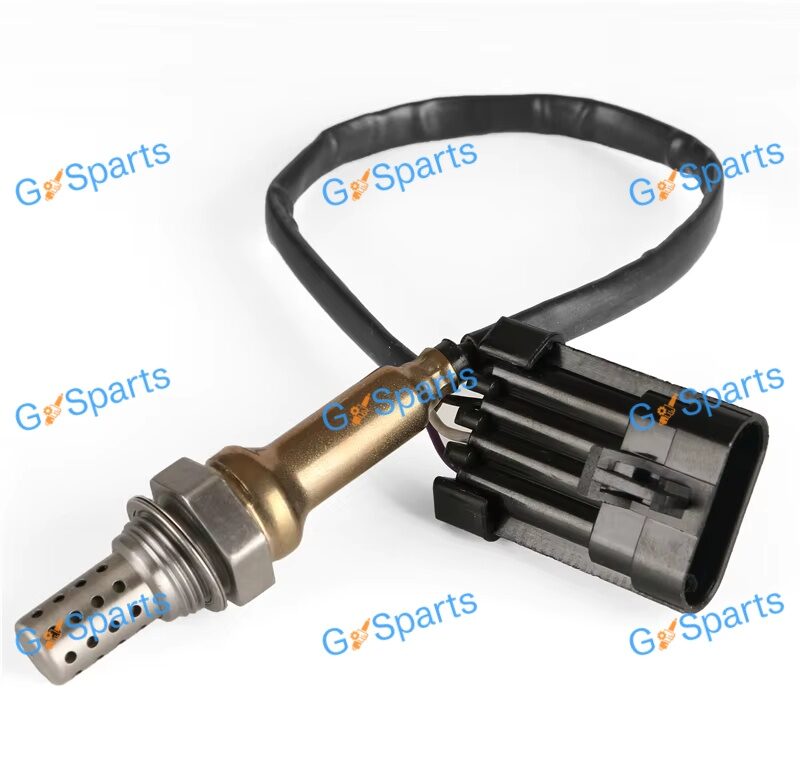
Genuine Changan Oxygen O2 Sensor 25325359/2532417 (Delphi) – CS35, CS75, CS55, Raeton (various listings) (Upstream or downstream depending on specific ref)
O₂ sensor for CS35, CS75, CS55, Raeton (various listings) – Upstream or downstream depending on specific ref. Varied 1–4 wires; upstream typically 4‑wire heated; downstream sometimes 1–3 wire (refs: 25325359 / 2532417 (Delphi)).
Did you like this product? Add to favorites now and follow the product.

(+86) 180 07 12 47 38 WhatsApp, Telegram, WeChat
Description
OE‑style oxygen (lambda) sensor listing for CS35, CS75, CS55, Raeton (various listings) (various). Typical spec: Varied 1–4 wires; upstream typically 4‑wire heated; downstream sometimes 1–3 wire. Position: Upstream or downstream depending on specific ref. Fitment advice: Always match OEM number to aftermarket cross before purchase. Source: eBay.
Introduction: Why Exhaust Feedback Defines Everyday Driveability
A refined vehicle feels effortless because the engine computer receives clean, timely information about combustion. That data, translated from oxygen content in the exhaust stream, guides fuel, spark, and idle control in a seamless loop. When the signal grows noisy or slow, you notice hesitation during gentle tip-in, a wandering idle as accessories switch on, and fuel economy that drifts from expectations. Replacing a tired unit with a direct-fit sensor restores this conversation so the powertrain works as a cooperative whole instead of a set of parts improvising under stress. For owners who want a confident, first-time fix, Changan Oxygen O2 Sensor 25325359/2532417 delivers the calibration and connector geometry the controller expects, returning smooth response and inspection-friendly emissions without drama.
Core Function: How the ECU Uses Oxygen Data to Trim Mixture
Modern engine control relies on rapid switching around stoichiometry, with voltage changes from the sensing element indicating rich or lean tendencies. The controller adjusts injector pulse width and spark timing accordingly, keeping combustion efficient while protecting the catalyst. If feedback arrives late, the system “hunts,” producing tiny surges and flat spots that add up to fatigue in traffic. Restoring accuracy brings calm: starts settle quickly, cruise feels elastic, and torque arrives predictably with small pedal inputs. The design behind Changan Oxygen O2 Sensor 25325359/2532417 emphasizes stable switching and heater behavior, helping closed loop engage promptly after cold starts and remain steady through stop-and-go driving, hills, and seasonal temperature swings that would otherwise expose a weak element.
Fitment Confidence: Matching Geometry, Pinout, and Harness Length
Success begins with a part that actually fits the car as engineered. Connector indexing, harness length, grommet placement, and thread engagement all influence installation quality and long-term reliability. Adapters and splices introduce signal noise, strain relief problems, and delayed warm-up behavior that complicates diagnosis. A direct-fit, application-correct unit avoids these traps and lets you focus on clean technique. The plug-and-play integration of Changan Oxygen O2 Sensor 25325359/2532417 means the connector clicks positively, the lead routes without tension near hot components, and the threads seat squarely in the bung, delivering a predictable path from unboxing to verification so you can get back to the road with confidence.
Upstream vs. Downstream: Picking the Right Position the First Time
Sensors before the catalytic converter actively steer fuel trims and drivability; sensors after the converter primarily monitor catalyst efficiency and readiness. Mixing positions wastes time and erodes trust because symptoms differ: roughness and poor economy usually trace to the upstream unit, while efficiency codes with otherwise decent manners often implicate the downstream unit. Verifying bank and location visually, then matching to the proper listing, prevents guesswork. When you install Changan Oxygen O2 Sensor 25325359/2532417 in its intended position, the ECU interprets the signal correctly from the first warm-up, helping readiness monitors complete on schedule and turning a nagging warning light into a quietly resolved memory.
Materials and Construction: Built for Heat, Vibration, and Moisture
Under-hood life is tough on electronics. Heat cycles expand and contract plastics and metals, condensation tempts corrosion, and road splash brings salt and grit. A robust stainless body, gas-permeable protective shield, and a heater tuned for decisive but controlled warm-up preserve the sensor’s switching rhythm. Sealed terminals block capillary moisture, while strain-relieved leads maintain terminal tension through seasons of driving. These choices determine whether the feedback loop feels transparent or twitchy. The durability behind Changan Oxygen O2 Sensor 25325359/2532417 keeps the element reading honestly from frosty morning starts to summer traffic crawls, protecting drivability and the catalyst you paid to keep healthy.
Heater Circuit: Why Fast, Stable Warm-Up Matters on Short Trips
Engines spend more time in open loop during cold starts; a good heater gets the sensing element to temperature quickly so closed loop can begin and fuel isn’t wasted. Slow or inconsistent warm-up produces rich smells, sticky idle, and sluggish response in the first blocks of driving. A heater designed for the application avoids current draw surprises and premature wear, supporting dependable transitions every day. The internal design of Changan Oxygen O2 Sensor 25325359/2532417 targets that decisive warm-up curve, helping short-trip drivers feel the benefits most: fewer choppy corrections leaving the driveway and quicker settling at stoplights even when weather and accessory loads change.
Symptoms: Real-World Clues That the Sensor Has Aged
Drivers rarely describe sudden failure; instead they mention a faint fuel odor after errands, a small but persistent idle sway with the air-conditioner on, a light that reappears after clearing, or lackluster midrange on damp mornings. Scan tools may reveal slow switching or a heater fault, yet the car still “runs.” These patterns point to the oxygen feedback loop losing precision. After ruling out upstream exhaust leaks and obvious wiring issues, installing Changan Oxygen O2 Sensor 25325359/2532417 often makes the vehicle feel newly coherent: tip-in becomes crisp, cruise steadies on rolling terrain, and long-term trims narrow, signaling that mixture control has found its balance again.
Diagnostic Workflow: Avoiding Parts Roulette with Smart Checks
Good troubleshooting follows a path: verify there are no leaks pulling air into the exhaust ahead of the sensor, check harness routing for rub points and heat damage, confirm grounds are clean, and note misfire history that could overheat the converter. With the environment sound, the sensor becomes a logical next step instead of a guess. Documenting trims and readiness before and after installation helps customers and creates a baseline for future service. When the replacement is Changan Oxygen O2 Sensor 25325359/2532417, shops consistently report clean post-install scans and calmer test drives because the ECU finally trusts what it hears from the exhaust stream.
Preparation: Setting Up the Workspace for a Hassle-Free Swap
Preparation saves time and knuckles. Let the exhaust cool completely, mist the bung with penetrant, and clean the area so grit doesn’t fall into threads or connectors. Stage the O2 socket, torque wrench, and heat-rated clips for routing, and compare connector faces before removing protective caps. A quick dry-fit confirms thread engagement and harness path so there are no surprises under the car. This tidy setup turns the actual install into a short, confident sequence. The straightforward geometry of Changan Oxygen O2 Sensor 25325359/2532417 rewards that prep by threading smoothly, seating squarely, and leaving the lead relaxed rather than stretched across hot surfaces.
Installation: Protecting Threads, Connectors, and Signal Integrity
Start the sensor by hand to confirm proper engagement, then torque to specification—secure, not excessive. Align the harness to relieve strain at the connector, and keep the lead away from pipes and sharp edges with existing clips or heat-rated ties. Click the connector fully and tug gently to verify terminal seating without stressing pins. A clean, calm install doesn’t just look professional; it prevents vibration-induced noise and intermittent faults. When the replacement is Changan Oxygen O2 Sensor 25325359/2532417, this process culminates in a first start that tells the story: a quick transition to closed loop, steady idle, and an exhaust note that sounds settled instead of fidgety.
Verification: Simple Observations and Optional Live-Data Checks
After installation, clear stored codes and allow the engine to warm at idle without heavy electrical loads. Listen and feel—stable idle, smooth tip-in, and fewer scent events indicate success. If you have a scan tool, upstream switching should look brisk and regular while downstream trends steadier as the catalyst works. A short route with light cruise and gentle accelerations helps trims find home. This uncomplicated confirmation loop consistently showcases the benefits of Changan Oxygen O2 Sensor 25325359/2532417, turning a nagging complaint into a fix you stop thinking about because the car simply behaves again.
Efficiency: How Accurate Feedback Saves Fuel and Protects the Catalyst
Accurate oxygen data prevents unnecessary enrichment and keeps the converter in its temperature sweet zone, reducing stress that leads to expensive replacements. Over time, small improvements add up to measurable savings and an easier path to inspection readiness. Drivers often notice smoother slight-grade cruising and less throttle needed to maintain speed after a correct repair. By establishing a stable baseline with Changan Oxygen O2 Sensor 25325359/2532417, the ECU can run its most confident strategies for spark and fueling, delivering calm, predictable performance that feels modern even as mileage climbs.
Urban Advantage: Short-Cycle Driving Without the Rough Edges
Stop-and-go patterns make weak sensors obvious because the engine spends more time at low speed and lower temperatures. A component that reaches operating temperature decisively reduces the fuel-heavy limbo before closed loop and keeps idle from lurching as accessories cycle. The improvement shows up where you live—parking ramps, school runs, curbside stops. With Changan Oxygen O2 Sensor 25325359/2532417 in place, those first blocks feel composed rather than cranky, and the cabin stays calmer because the exhaust note and smells stabilize faster, especially on damp mornings that previously magnified hesitation.
Seasonal Stability: From Frosty Starts to Summer Heat Soak
Winter contractions challenge seals and connectors, while summer heat soaks raise under-car temperatures and test routing choices. A sensor designed for these extremes maintains calibration instead of drifting with weather, which is why so many owners report fewer rough first miles in cold weather and steadier idle when the air-conditioner cycles in July. This consistency is the quiet hallmark of Changan Oxygen O2 Sensor 25325359/2532417, turning seasonal quirks into non-events so the vehicle feels familiar and cooperative no matter what the forecast looks like.
Counterfeit Avoidance: Buying Once to Fix Once
Look-alike parts can hide shortcuts in heater durability, sealing, and calibration stability. They may work “well enough” at first start yet drift quickly, creating intermittent codes and repeat labor that frustrate everyone. Clear connector photos, traceable packaging, and protected terminals are the hallmarks of reputable sources. Standardizing on Changan Oxygen O2 Sensor 25325359/2532417 from trusted channels reduces risk and keeps diagnostics straightforward because the hardware behaves the way the ECU expects, letting technicians focus on process rather than product variability.
Packaging and Handling: Protecting Precision Before the Install
Sensitive electronics deserve careful logistics. Immobilizing trays prevent pin deformation, moisture barriers protect the element, and clean labeling speeds receiving and shelf selection. On the bench, keep caps in place until threading begins, compare connectors side-by-side, and avoid setting the sensor on gritty surfaces. This small discipline ensures Changan Oxygen O2 Sensor 25325359/2532417 reaches the bung in perfect condition, so the first start validates the repair instead of introducing a mystery caused by shipping damage or mishandling.
Workshop Value: Predictable Outcomes for Busy Bays and Fleets
Professional operations depend on first-time fixes and consistent behavior across applications. A sensor that installs cleanly, warms decisively, and holds calibration tight reduces comebacks and shortens training curves for new technicians. Drivers notice the result as calmer vehicles that demand less attention in traffic. Parts managers benefit from simplified stocking with fewer exceptions and ad-hoc adapters. As a dependable reference across compatible models, Changan Oxygen O2 Sensor 25325359/2532417 becomes more than a component; it’s a way to standardize results so teams can refine process instead of firefighting variability.
Product Page Clarity: Content That Mirrors the Real Part
Shoppers make better choices when pages answer silent questions: connector face, harness length context, thread description, and clear position guidance. High-resolution photos and plain-language notes reduce returns and build trust, while structured data aligns with search engines to improve visibility for people already describing their problem. Listings centered on Changan Oxygen O2 Sensor 25325359/2532417 should present these details up front, turning curiosity into confident action and reducing pre-purchase friction that often delays a straightforward repair.
FAQs, Honestly Answered: Reducing Pre-Purchase Doubt
Common questions deserve direct guidance: follow the coating on the threads rather than adding random anti-seize, prefer direct-fit over spliced universals for signal integrity, clear codes after installation and allow a mixed driving loop for monitors to set, and double-check bank and position with photos if a code returns. Anchoring your advice in practical steps keeps the focus on outcomes. When the chosen unit is Changan Oxygen O2 Sensor 25325359/2532417, the ECU typically settles quickly, and owners experience the calm predictability that marks a successful, lasting fix.
Maintenance Habits: Protecting the Sensor and the Converter
Small practices make big differences over time. Repair misfires quickly so raw fuel doesn’t overheat the catalyst, tighten intake plumbing to prevent false lean events, and avoid silicone-heavy sealants that can poison the element. During other service, glance at harness routing and clip integrity so nothing rubs or wicks moisture. In a healthy environment, Changan Oxygen O2 Sensor 25325359/2532417 delivers clean, repeatable feedback for the long haul, keeping the control loop transparent so your vehicle simply behaves day after day.
Troubleshooting Persistent Codes: When the Light Still Returns
If a fault reappears after replacement, step back methodically. Changan Oxygen O2 Sensor 25325359/2532417 Confirm no upstream leaks, verify connector seating and pin integrity, check heater power and ground, and compare trims for plausibility. Contamination from coolant or oil, as well as a failing catalyst, can mimic sensor issues. With a known-good input like Changan Oxygen O2 Sensor 25325359/2532417, remaining problems usually trace to external causes rather than the element itself, making root-cause analysis faster and more conclusive for both DIY owners and professional bays.
Data Literacy: Reading STFT, LTFT, and Switching Patterns
Understanding how short-term and long-term trims interact helps separate transient quirks from genuine faults. Brisk upstream switching with trims hovering near zero indicates a healthy loop; sluggish oscillations and trims pegged high or low point to deeper issues. After fitting Changan Oxygen O2 Sensor 25325359/2532417, many vehicles show narrower trim ranges and quicker readiness completion because the controller trusts the signal. This clarity saves time on future diagnostics and gives technicians a confident baseline for other maintenance decisions.
Emissions Confidence: Cleaner Combustion and Easier Inspections
Inspection stress fades when the catalyst operates in its comfort zone and monitors set without elaborate rituals. Accurate feedback keeps mixture where it belongs, reducing hydrocarbon and CO spikes while maintaining converter temperature. By restoring that stability, Changan Oxygen O2 Sensor 25325359/2532417 supports cleaner exhaust and the practical peace of mind that comes from a dashboard free of warnings as deadlines approach, whether for local inspections or fleet compliance checks.
Tuning and Upgrades: Why a Stable Baseline Comes First
Intake and exhaust changes, or even modest calibration tweaks, all rely on predictable oxygen feedback to map transient fueling properly. A wobbly baseline makes the best tune feel messy at low speed. Establishing accuracy with Changan Oxygen O2 Sensor 25325359/2532417 lets the rest of the package shine—crisper midrange, steadier cruise, and smoother downshifts where transmission logic references load and throttle angle alongside exhaust feedback. Consistency here turns modifications from “sometimes great” into “always composed.”
Real-World Use Cases: Patterns Technicians Recognize
Shops often see the same story: a car that lurches on gentle ramps, idles unevenly with accessories, or shows an efficiency code after recent maintenance. After verifying wiring and leaks, replacing the sensor transforms the experience—creep in traffic becomes predictable, the idle holds steady, and monitors set without drama. These outcomes are routine when Changan Oxygen O2 Sensor 25325359/2532417 is installed carefully, because the ECU finally hears clear intent from the exhaust stream and stops over-correcting for stale or noisy data.
Buyer’s Checklist: From Cart to Clean Test Drive
A smooth purchase journey mirrors a smooth install. Verify bank and position, compare connector faces, confirm harness length, and plan routing before opening tools. Changan Oxygen O2 Sensor 25325359/2532417 Prepare penetrant, the correct socket, and ties for tidy strain relief. After install, clear codes, warm the engine, and take a short mixed-condition drive. This simple playbook pairs naturally with Changan Oxygen O2 Sensor 25325359/2532417, which is engineered to remove variables so verification feels like a formality rather than a second diagnostic session.
B2B Perspective: Communication and Documentation that Save Time
Clear photos, torque guidance, and application notes reduce counter questions and bay delays. When product content mirrors what arrives in the box, technicians finish confidently and move on to the next ticket. For fleet managers, predictable behavior across vehicles simplifies stocking and training. Sourcing Changan Oxygen O2 Sensor 25325359/2532417 within this documentation framework turns a common repair into a repeatable success that customers remember for its quiet efficiency, not its disruption.
Environmental Angle: Small Changes, Scaled Benefits
Efficient combustion reduces waste and protects expensive after-treatment hardware. Across a fleet or a community of owners, accurate sensing translates to fewer pollutants and lower operating costs. Choosing Changan Oxygen O2 Sensor 25325359/2532417 supports those outcomes by stabilizing the control loop so each vehicle contributes its small share to cleaner air while delivering the private benefit of smoother operation and steadier mileage that feels kinder to your schedule and budget.
Closing Summary: Restore Clarity, Enjoy the Drive Again
Great ownership is made of quiet wins—starts that settle, traffic that feels manageable, and a dashboard that stays dark. Those wins depend on honest data feeding the control unit so it can make smart decisions without delay. Replacing a drifting element with Changan Oxygen O2 Sensor 25325359/2532417 restores that honesty, bringing back smooth response, confident fuel economy, and emissions readiness. Approach the job deliberately, verify with a short drive, and get back to enjoying a car that simply behaves like it should, mile after calm mile.
External Resources (Standards & Technical References)
- SAE J1979 — OBD-II Diagnostic Test Modes
- ISO 15031 — Road Vehicles/Scan Tool Communication
- US EPA — Basic Information on OBD-II
- NGK/NTK — Oxygen (Lambda) Sensors Overview
- Bosch Mobility — Oxygen Sensor Technology
Related Internal Links
Additional information
| OEM / Reference | 25325359 / 2532417 (Delphi) |
|---|---|
| Models | CS35, CS55, CS75, Raeton (various listings) |
| Years | various |
| Position | Upstream or downstream depending on specific ref |
| Specifications | Varied 1–4 wires; upstream typically 4‑wire heated; downstream sometimes 1–3 wire |
| Source | eBay |
Related products


Recently Viewed Products


G-SPARTS – Leading Auto Parts Supplier Since 2009
Trusted by 1000+ Clients Worldwide | Chinese (BYD, Geely, Chery, …), Japanese (Toyota, Honda, Nissan, …), European (BMW, Mercedes, VW, …) & American (Ford, Chevrolet, Tesla, …) Car Spares | Best Prices & OEM Quality | 15+ Years Expertise | Professional Team, Fast Global Shipping
Copyright 2025 © G-Sparts All Rights Reserved. | Premium Chinese Auto Parts Supplier – Worldwide Shipping | Best Prices on OEM & Aftermarket Spares

Reviews
There are no reviews yet.