
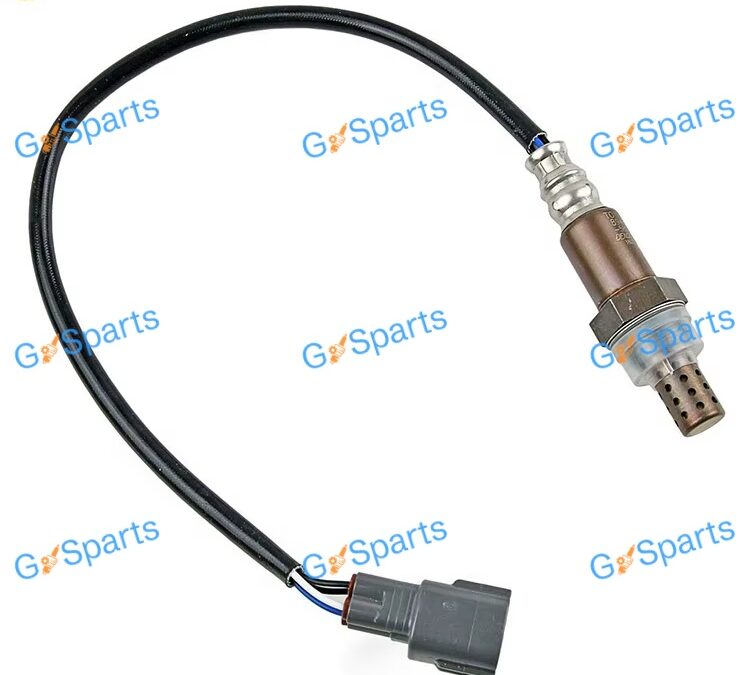
Genuine Changan Oxygen O2 Sensor Service manual references – CS35, CS75 and other models – OEM Fixes, Faster Diagnostics & Clean Emissions
O₂ sensor for CS35, CS75 and other models – Pre‑cat (upstream) and post‑cat (downstream). Manuals specify sensor type and wiring (typically 4‑wire upstream) (refs: Service manual references).
Did you like this product? Add to favorites now and follow the product.

(+86) 180 07 12 47 38 WhatsApp, Telegram, WeChat
Description
OE‑style oxygen (lambda) sensor listing for CS35, CS75 and other models (various). Typical spec: Manuals specify sensor type and wiring (typically 4‑wire upstream). Position: Pre‑cat (upstream) and post‑cat (downstream). Fitment advice: Use factory manual + VIN/engine code to identify exact OEM part number. Source: Scribd.
Why Service Documentation Matters for Confident O2 Sensor Repairs
Technicians and DIY owners succeed fastest when they translate complex diagnostics into step-by-step actions grounded in the manufacturer’s procedures. That’s exactly where well-organized factory chapters, wiring maps, and DTC tables earn their keep, turning vague symptoms into measurable checkpoints.Throughout this guide we’ll connect real workshop tasks—like leak checks, adaptation resets, and drive cycles—to the specific sections you should consult so nothing is left to hunches. Whenever you see references to component locations, test values, or reset workflows, think of them as pointers back to Changan Oxygen O2 Sensor Service manual references you can open and follow calmly at the car.
Mapping the Manuals: Finding the Chapters You Actually Need
Big PDFs can be a maze, so start by bookmarking general information, powertrain controls, engine mechanical, and diagnostics sections. You’ll typically find O2 sensor information under emission control or fuel and ignition management, with sub-chapters for code charts and live-data interpretation. Skim the manual’s TOC to identify symbols used for connectors, splice points, and grounds so diagrams decode quickly at the vehicle. Cross-link the on-car inspection sheet to the correct torque and routing pages so your install steps flow. Treat every checklist here as a bridge between your bay process and the Changan Oxygen O2 Sensor Service manual references, ensuring consistent, repeatable outcomes whether you’re handling an upstream replacement or a downstream plausibility fault.
Safety, Setup, and Tooling Before You Open the Box
Good results begin with basics: exhaust needs to cool fully, the car must be on stable stands, and connectors deserve clean hands to avoid pushing grime into terminals. A dedicated O2 socket, torque wrench, and insulated clips for harness routing protect both the part and the loom. If you’re planning to scope signals, stage back-probe pins and confirm your ground reference is clean. Capture a quick pre-repair photo of the harness path and heat shields, then note any nearby rub points. These straightforward habits, paired with the test flows highlighted in Changan Oxygen O2 Sensor Service manual references, turn a common repair into a calm sequence that survives heat soak and winter slush alike.
Identify the Correct Sensor by VIN, Engine Code, and Location
Upstream and downstream roles differ, and some platforms add bank assignments, so accuracy matters before you twist a tool. Decode the VIN and engine code, match the harness connector indexing, and confirm the bung position relative to the catalyst. If a previous repair moved a clip or shield, restore the intended routing so thermal load and noise don’t creep back later. Document the starting state and compare it with the locator diagrams in Changan Oxygen O2 Sensor Service manual references; then, verify the connector face and wire colors against the pinout tables in Changan Oxygen O2 Sensor Service manual references to avoid mis-plugging look-alike sensors.
Torque Specs, Anti-Seize Notes, and Thread Health
Service books typically specify a snug value—tight enough to seal, not so heavy that you risk bung distortion during future service. Many direct-fit sensors ship with pre-coated threads; if so, don’t stack more compound, and avoid contaminating the sensing shield. Clean any carbon at the bung with a soft brush; if threads feel gritty, chase them lightly and vacuum debris so it never reaches the catalyst. After torqueing, recheck the gasket seat or crush washer orientation if your application uses one. Apply the exact numbers, not guesses, and confirm them against the fastener tables cited inside Changan Oxygen O2 Sensor Service manual references to protect sealing, accuracy, and the next technician’s sanity.
Pinouts, Wire Colors, and Connector Handling That Prevent Comebacks
A gentle “click” is your friend; forcing a latch can spread terminals and invite intermittents that only appear after a hot run. Follow the manual’s connector drawings to confirm heater feed, signal return, and ground integrity, then perform a light tug test on the boot rather than the wires. If your platform uses shields or boots at the tunnel, reseat them so splash and salt don’t wick up the loom. A quick dab of dielectric at the perimeter—not the pins—helps seals in harsh climates. Every step matches drawings and callouts you’ll find inside Changan Oxygen O2 Sensor Service manual references, keeping the circuit honest long after the bay door closes.
Heater Circuit Testing: Power, Ground, and Resistance Checks
Cold-start performance depends on a decisive warm-up. Start with KOEO voltage at the heater feed, verify ground drop under load, then compare the element’s resistance against spec at room temperature. If voltage sags when fans or defrost switch on, follow the manual’s ground tree to clean or tighten the shared points. Document results, because a marginal heater can mimic a lazy sensor, delaying closed loop and flooding your diagnosis with red herrings. Each test step and value aligns to the measurement tables in Changan Oxygen O2 Sensor Service manual references, making your notes defendable if you’re supporting a warranty claim or a fleet audit down the line.
Waveform Literacy: What “Good” Switching Actually Looks Like
On a healthy upstream unit, the trace moves briskly across stoichiometry with load changes; downstream remains steadier as the catalyst stores and releases oxygen. If you see a stair-step pattern, flat lines under throttle blips, or erratic spikes with other loads, chase power and ground first, then look for exhaust leaks ahead of the sensor. Use the scope time base and voltage ranges recommended by the book, then capture a short clip at idle and another at 2,500 rpm. When your patterns match the illustrations in Changan Oxygen O2 Sensor Service manual references, you’ll know the data path is ready for the road test and readiness sequence.
DTC Tables, Freeze Frame, and Symptom Correlation
Code lists alone don’t fix cars; freeze-frame tells you what the controller saw when the lamp lit. Compare vehicle speed, coolant temp, and load to your test drive notes so you can recreate conditions on a safe loop. If multiple faults stack—heater plus slow response—always clear power and ground concerns first. The fault isolation steps, tree logic, and recheck procedures are spelled out in the diagnostic chapter of Changan Oxygen O2 Sensor Service manual references, helping you prove root cause rather than replacing parts in hope. That’s how you earn a dark dash and a customer who doesn’t come back for the same complaint.
Drive Cycles and Readiness Monitors That Actually Complete
After repairs, the right route matters. Follow the manual’s specified speeds, times, and idle periods so monitors set quickly and inspection deadlines stop looming. Avoid stacked electrical loads during the first minutes; let the heater and catalyst reach operating temp without competition. Note that some conditions require a full cool-down between attempts, so plan your schedule accordingly. By copying the exact patterns recommended in Changan Oxygen O2 Sensor Service manual references, you transform “fingers crossed” into a predictable loop that ends with a pass, not another postponement.
Exhaust Leaks, Fuel Trims, and False Lean Clues
A tiny leak upstream of the sensor invites outside air, tricking the controller into enrichment that smells rich yet reads lean. Check flanges and flex joints for soot tracks, then mist lightly to watch for wicking. Compare short- and long-term trims; a consistent skew with a normal MAF can be a dead giveaway. Once leaks are fixed, repeat your scope captures and note how switching steadies. The inspection steps mirror the leak-check guidance embedded in Changan Oxygen O2 Sensor Service manual references, which keeps enrichment under control and the converter living a longer, happier life.
Upstream vs Downstream Replacement Sequencing
If both sensors are aged, prioritize upstream to restore trims, then evaluate downstream for catalyst monitoring accuracy. Some platforms will flag efficiency when the upstream is lazy, so always re-test after upstream replacement before condemning the rear unit. Use the routing diagrams to prevent harness tension and confirm clip re-use at heat shields. The order-of-operations tables inside Changan Oxygen O2 Sensor Service manual references minimize parts roulette and maximize first-time fixes, especially on vehicles that have seen previous “universal” splices that complicate harness diagnostics.
Contaminants, Coolant Trails, and Silicone Fogging
Sensor elements dislike coolant steam, oil ash, and silicone off-gassing. If you smell coolant or see a faint white deposit, pressure test the system and inspect nearby hoses. For engines recently sealed with silicone products, confirm “sensor-safe” labeling and air out the bay before restart. A fouled element switches poorly even with perfect wiring. The caution notes in Changan Oxygen O2 Sensor Service manual references list common contaminants and mitigation steps so today’s fix doesn’t become next month’s comeback when residues finish poisoning the surface after a few heat cycles.
Harness Routing, Heat Management, and Clip Integrity
The cleanest install can fail if the lead drifts toward the pipe on a summer road trip. Re-establish every factory clip, add heat-rated ties where the manual suggests, and confirm strain relief at the connector. If the tunnel shield once rubbed the loom, reposition it and document the change. Changan Oxygen O2 Sensor Service manual references A minute spent here prevents phantom faults that only appear in hot weather traffic. The visual cues and routing notes presented in Changan Oxygen O2 Sensor Service manual references help you make the harness invisible again—exactly what you want for longevity and quiet reliability.
Electrical Grounds, Voltage Drop, and Shared Circuits
Shared grounds serve multiple loads; a crusty ring terminal can undo hours of sensor testing. Measure voltage drop across grounds under heater load, clean lugs to bare metal, and apply proper torque. If you discover aftermarket add-ons sharing the circuit, rehome them to avoid noise. These small corrections stabilize the reference the controller relies on every second. The electrical system checks you’ll perform map directly to the diagrams and procedures inside Changan Oxygen O2 Sensor Service manual references, turning mysterious intermittents into clean, repeatable results at idle and on the road.
Adaptations, Fuel Trim Resets, and Post-Repair Learning
Some ECUs hold onto long-term trims even after you restore a healthy signal. Follow the manual’s reset path—through scan tool routines or battery disconnects where appropriate—then re-run your drive cycle. Watch trims narrow around zero and confirm that tip-in feels linear rather than hesitant. If your platform supports guided functions, use them; they save time and reduce the chance of an incomplete relearn confusing the next steps. Each reset flow you’ll follow echoes the adaptation sections of Changan Oxygen O2 Sensor Service manual references, ensuring the ECU’s memory matches the hardware reality you just installed.
Platform Variations: Export vs Domestic Chapters and Notation
Global platforms differ in wiring codes, abbreviations, and sometimes connector shapes even when engines share architecture. Compare your VIN market with the manual edition you’re reading, and prefer the localized edition when available to reduce confusion. When two diagrams disagree, trust the one that matches your harness colors and pin count at the connector. We call this “wiring literacy,” and it prevents hours of chasing ghosts. The editorial notes and market callouts across Changan Oxygen O2 Sensor Service manual references exist precisely to help you avoid these traps with calm, factual checks.
Parts Selection and Cross-Reference Discipline
It’s tempting to grab a look-alike, but response curve, heater load, and indexing matter. Use the parts tables in the service book to confirm the exact number, then match pictures of the connector face and latch. For fleets, standardize on direct-fit units to protect signal integrity and reduce training time. Document every selection in your repair notes so future techs understand history at a glance. All of this aligns with sourcing guidance tied to Changan Oxygen O2 Sensor Service manual references, keeping your shelves organized and your outcomes predictable across models and years.
Documentation for Warranty, Compliance, and Customer Trust
Strong paperwork isn’t bureaucracy—it’s insurance. Photograph the old part, record heater resistance and KOEO voltage, attach your scope captures, and log the drive cycle route. If a concern resurfaces, you’ll know exactly what changed. These habits satisfy internal QA and external audits while protecting your schedule from repeat diagnosis. The checklists and printable forms you’ll build mirror the structure found throughout Changan Oxygen O2 Sensor Service manual references, turning tribal knowledge into shareable, defensible process that new teammates can learn quickly.
Fleet Playbooks: Scaling a Single Good Repair to Hundreds
When dozens of vehicles share similar powertrains, repeatability is king. Convert the manual’s diagnostic tree into a laminated bay card, hang harness-routing photos above lifts, and set a standing torque/verification step before a vehicle leaves. Track readiness completion times by route so drivers know exactly how to help you after service. The consistency that results—rooted in Changan Oxygen O2 Sensor Service manual references—cuts comeback risk, reduces fuel waste from false rich/lean conditions, and makes budgeting easier because time-to-green becomes predictable.
Training New Techs with Visual SOPs and Measurable Skills
Pair a short slide deck with live under-car sessions: identify connectors from photos, perform voltage-drop tests, and capture before/after waveforms. Use the manual’s illustrations as teaching anchors so vocabulary and symbols match what techs will see in the bay. Changan Oxygen O2 Sensor Service manual referencesAssess with a simple rubric: safe prep, correct identification, clean install, and verified drive cycle. This approach builds confidence and trims ramp-up time. It’s also faithful to Changan Oxygen O2 Sensor Service manual references, which means your training echoes the same standards that guide your daily diagnostics.
Troubleshooting Flowcharts You’ll Actually Use Under the Car
Start at symptoms, split by upstream/downstream logic, and branch to leak checks, heater power, or waveform capture as indicated. Keep the branches short and empirically grounded; if a step requires a specialty tool, show the picture and the connector pin to probe. When results point to non-sensor causes—misfires, intake leaks, fuel pressure—you’ll pivot with no lost motion. The flow mirrors the decision trees in Changan Oxygen O2 Sensor Service manual references, making it easy to explain your path to customers and to justify parts choices when the cause isn’t the element itself.
Case Studies: Three Patterns That Repeat in the Real World
A “slow response” code that traced to a rusty ground; an “efficiency below threshold” lamp silenced after fixing a hairline upstream leak; a “heater performance” fault solved by moving an aftermarket accessory off the shared circuit. Each win started with disciplined basics—then a quick consult of the right page. When your notes, scope captures, and routing photos match the examples sprinkled through Changan Oxygen O2 Sensor Service manual references, you gain a deeper instinct for where to look next time, and your customers gain trust that your method beats guesswork.
Seasonal Edges: Cold Soak Starts and Heat-Soaked Traffic
Winter mornings exaggerate slow heaters and weak grounds; summer queues reveal routing mistakes and tired shields. Build two quick seasonal checklists from the book: one for cold-start voltage and resistance checks, one for hot-routing verification and harness inspection. Attach them to job cards during those months and you’ll prevent issues before the road exposes them. The structure of those lists follows the seasonal cautions embedded in Changan Oxygen O2 Sensor Service manual references, helping your team stay ahead of weather—not chase after it.
Putting It All Together: A Calm, Repeatable Path to Green Lights
Great diagnostics are simple, measurable, and teachable. Changan Oxygen O2 Sensor Service manual references Identify the sensor correctly, verify heater power and ground, inspect for leaks, install with the right torque and routing, reset adaptations, and drive the exact cycle that completes monitors. Document along the way so questions later take minutes, not hours. That’s the real value of treating every bay step as an extension of Changan Oxygen O2 Sensor Service manual references—you get quiet dashboards, smooth drivability, and customers who recommend your shop because you fixed the car and the stress at the same time.
External Resources (Standards & Technical References)
- SAE J1979 — OBD-II Diagnostic Test Modes
- ISO 15031 — Road Vehicles/Scan Tool Communication
- US EPA — Basic Information on OBD-II
- NGK/NTK — Oxygen (Lambda) Sensors Overview
- Bosch Mobility — Oxygen Sensor Technology
Related Internal Links
Additional information
| OEM / Reference | Service manual references |
|---|---|
| Models | CS35, CS75 and other models |
| Years | various |
| Position | Pre‑cat (upstream) and post‑cat (downstream) |
| Specifications | Manuals specify sensor type and wiring (typically 4‑wire upstream) |
| Source | Scribd |
Related products



G-SPARTS – Leading Auto Parts Supplier Since 2009
Trusted by 1000+ Clients Worldwide | Chinese (BYD, Geely, Chery, …), Japanese (Toyota, Honda, Nissan, …), European (BMW, Mercedes, VW, …) & American (Ford, Chevrolet, Tesla, …) Car Spares | Best Prices & OEM Quality | 15+ Years Expertise | Professional Team, Fast Global Shipping
Copyright 2025 © G-Sparts All Rights Reserved. | Premium Chinese Auto Parts Supplier – Worldwide Shipping | Best Prices on OEM & Aftermarket Spares

Reviews
There are no reviews yet.