
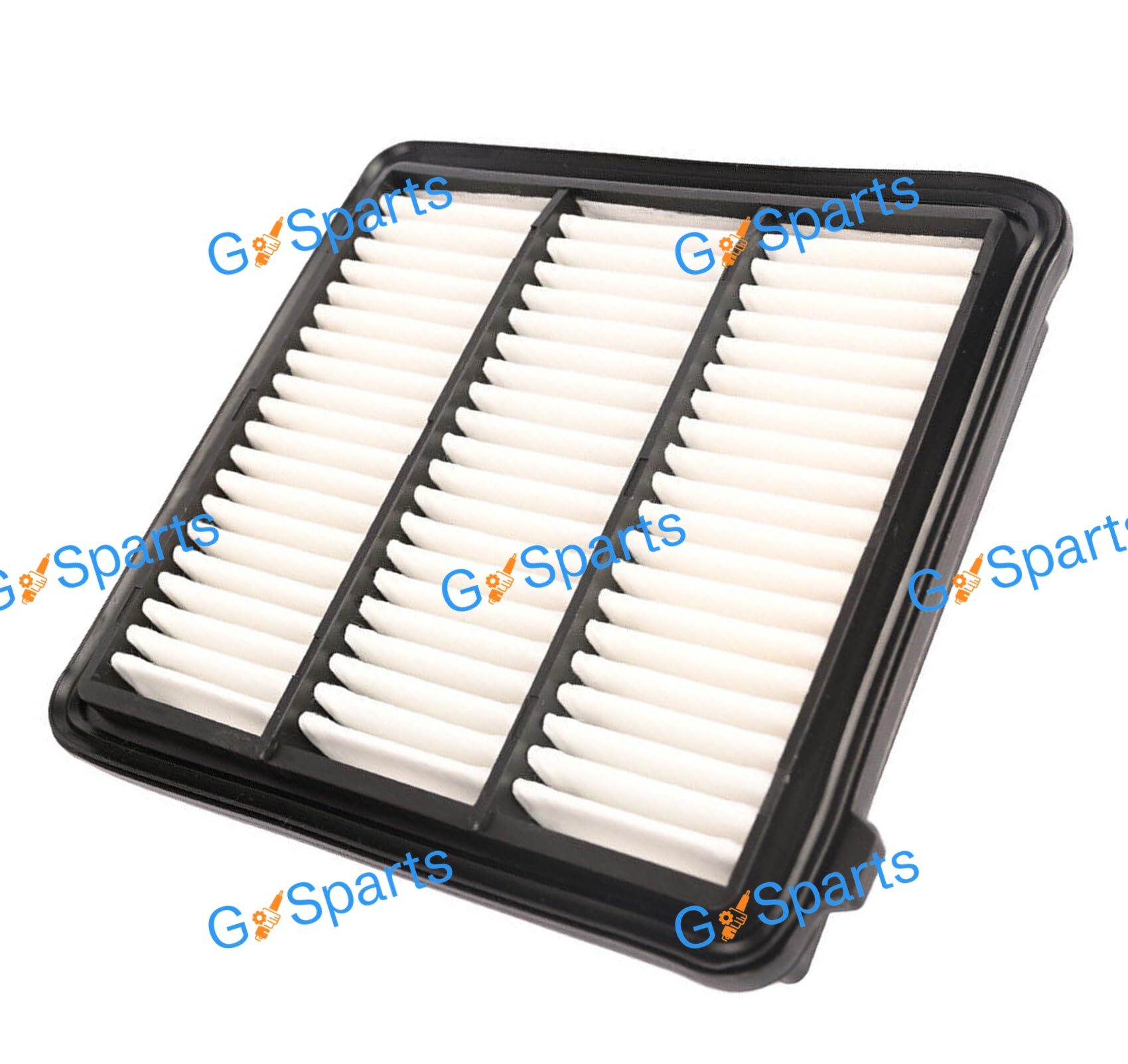
Ultimate & Breathe-Easy Performance — Genuine Honda Air Filter 17220-64A-A00
Honda Air Filter 17220-64A-A00 – Honda Civic (2022–2025); Accord 1.5L; CR-V 1.5L boosts fresh-air intake with precision-pleated media that traps dust and pollen while maintaining strong airflow for responsive throttle and efficient combustion. OE-accurate dimensions ensure a snug, rattle-free fit in late-model housings, reducing intake noise and sealing out bypass dirt. Durable, moisture-stable materials resist deformation across seasonal temperature swings. Installation is quick and tool-light, ideal for DIY service. Replace at recommended intervals to protect the MAF sensor, support stable idle, and preserve fuel economy. Keep your Civic, Accord, or CR-V breathing clean with a high-quality filter designed for modern turbocharged Honda powertrains.
Did you like this product? Add to favorites now and follow the product.

(+86) 180 07 12 47 38 WhatsApp, Telegram, WeChat
Description
The Honda Air Filter 17220-64A-A00 is engineered to deliver factory-quality filtration for Honda Civic (2022–2025); Accord 1.5L; CR-V 1.5L. It helps maintain optimal airflow to the engine, ensuring peak performance, fuel economy, and engine protection. Built with premium pleated paper media, this filter captures dirt and debris efficiently. Designed as a direct-fit replacement, it matches Honda OEM specifications (Panel type; compact 1.5L new gen). Cross-compatible with Honda Genuine and suitable for use up to model year 2025. Recommended replacement intervals follow Honda’s service schedule. Notes: Applies to new-gen Civic/Accord/CR-V with 1.5L turbo engines.
Overview and Purpose
Selecting the right intake element is crucial for modern turbocharged engines that balance efficiency with power. Drivers need a component that preserves airflow while trapping harmful particulates, and they also expect quiet operation, reliable sealing, and long service life. The factory-spec panel used in late-model compact Hondas delivers on those goals by combining tight pleat geometry with a low-restriction media and a gasket that resists deformation. In everyday use, the result is steady throttle response, consistent idle quality, and fewer contamination risks during seasonal transitions. That balance of flow and protection is exactly why many owners search specifically for Honda Air Filter 17220-64A-A00, and why workshops keep Honda Air Filter 17220-64A-A00 on hand for routine maintenance schedules.
Fitment and Platform Coverage
Fitment confidence saves time and prevents returns. This panel element matches the airbox architecture used across the latest Civic 1.5-liter turbo, Accord 1.5-liter turbo, and CR-V 1.5-liter turbo platforms, providing a true drop-in experience without trimming, forcing, or re-clipping the lid. The seal width, frame depth, and pleat orientation align with the airflow path designed by the manufacturer, which helps the mass airflow sensor see stable readings after replacement. Owners who previously struggled with loose edges or rattling covers on universal parts will appreciate the precise seating and clip alignment. For those cataloging inventory or managing fleet service intervals, marking the bin with Honda Air Filter 17220-64A-A00 simplifies picking accuracy, and reordering by Honda Air Filter 17220-64A-A00 prevents mix-ups.
Media Construction and Pleat Geometry
A high-performing panel relies on consistent fiber density and pleat spacing. The engineered paper media used here balances pore size to catch fine road dust while resisting rapid saturation. Uniform pleat height distributes the incoming stream across more surface area, lowering face velocity and reducing pressure rise as miles accumulate. The result is steadier volumetric efficiency under load and fewer mid-cycle cleanings for cars that commute in mixed environments.For technicians documenting parts used, logging Honda Air Filter 17220-64A-A00 in the work order ensures traceability; stocking spares labeled Honda Air Filter 17220-64A-A00 streamlines future services.
Airflow, Pressure Drop, and Drivability
Air filters always involve a tradeoff between restriction and capture efficiency. The OEM-spec panel is tuned so that, at typical intake mass flow, the pressure differential across the media remains low and stable. That stability matters for turbo spool behavior and transient response: lower swings in pressure drop translate to smoother tip-in and fewer compensatory fueling changes. On cold starts, consistent airflow helps idle control routines settle faster, which owners notice as reduced hunting.To retain these drivability benefits over time, choose Honda Air Filter 17220-64A-A00 at replacement, and confirm the box lid seats evenly around Honda Air Filter 17220-64A-A00 after installation.
Filtration Efficiency and Engine Protection
Fine dust, pollen, and abrasive silica particles accelerate ring and cylinder wear if they bypass the intake element. This panel’s media targets those sizes while still allowing enough airflow for boosted engines to breathe comfortably. As the pleats load with debris, the depth-loading character of the fibers delays a sharp rise in restriction, extending usable service life compared with coarse mesh designs. That means cleaner compressor blades, reduced contamination of intake tracts, and less oil darkening from airborne particulates. When documenting maintenance history, noting Honda Air Filter 17220-64A-A00 confirms OEM-matched protection standards; keeping Honda Air Filter 17220-64A-A00 in the glovebox as a spare is smart for road trips.
Fuel Economy and Emissions Stability
Stable airflow is the foundation for precise fueling. A clogged or poorly sealed element causes the engine control unit to chase targets, often enriching mixtures and increasing fuel consumption. With the correct panel in place and the airbox properly latched, trims remain closer to ideal, helping maintain rated efficiency and catalytic converter performance. Over long commutes, that steadiness can mean fewer regeneration events and a cleaner tailpipe. Seasonal blends and temperature swings already challenge consistency; the intake path shouldn’t add more variables. Replacing on schedule with Honda Air Filter 17220-64A-A00 supports those goals. Shops seeking predictable inspection outcomes should standardize on Honda Air Filter 17220-64A-A00 for the applicable models to minimize variation across vehicles.
Noise, Vibration, and Harshness Considerations
Intake elements influence induction sound and perceived refinement. Gaps, warped frames, or mismatched thickness can create whistles, droning, or lid buzz that owners often attribute to other components. The correct gasket compliance and frame rigidity keep the element seated, reducing sympathetic vibrations at common cruising RPM. The pleat pack’s uniformity also avoids resonance pockets that can amplify under-hood noise. For drivers who appreciate a calm cabin without aftermarket intake theatrics, sticking with the OEM-spec panel is the easy path. If a fresh element suddenly produces new sounds, inspect lid clips and seals before suspecting engine issues. Reinstalling Honda Air Filter 17220-64A-A00 with careful clip engagement, and verifying the perimeter seal around Honda Air Filter 17220-64A-A00, typically resolves such concerns.
Service Intervals and Driving Conditions
Service timing should consider both mileage and environment. Stop-and-go urban routes with frequent construction, gravel detours, or agricultural dust load media faster than clean suburban commutes. While many owners follow a standard inspection at each oil change and replacement every few intervals, those driving in harsher conditions should shorten cycles. Visual checks—without blowing compressed air through the pleats—help assess loading without damaging fibers. Keep records of replacement dates and odometer readings so the next inspection has context. For consistent baselines across a household fleet, align all relevant vehicles on Honda Air Filter 17220-64A-A00 where applicable; stocking Honda Air Filter 17220-64A-A00 in the garage reduces the temptation to use ill-fitting substitutes when time is tight.
Installation Preparation and Tooling
Most panel swaps require only a clean work surface, a rag, and, in some cases, a screwdriver for captive screws. Park on level ground, let the engine bay cool, and open the airbox by releasing the clips or fasteners along the lid edge. Wipe any leaf debris from the snorkel entrance and housing floor, avoiding dislodging grit into the intake tube. Remove the old element gently so accumulated dust doesn’t spill. Position the new panel with pleats aligned to the airflow direction and ensure the frame sits flat in the recess. Close the lid without pinching the gasket. For models requiring this part, select Honda Air Filter 17220-64A-A00 to maintain the intended fit and sealing performance.
Common Mistakes to Avoid
Do not vacuum or blow out the new media—those actions damage fibers and reduce efficiency. Avoid applying oils or sprays, which can contaminate sensors downstream. Never crush the frame to “make it fit”; that signals the wrong part or debris under the panel. Confirm that all clips re-engage; a single missed clip can create a leak path under load. If a check-engine light appears after a swap, inspect the airbox seam and the MAF connector before assuming sensor failure. Keep the packaging until a brief test drive confirms normal behavior. For the supported Civic, Accord, and CR-V applications, the correct choice is Honda Air Filter 17220-64A-A00 to minimize the risk of these avoidable issues.
Indicators It’s Time to Replace
Gradual throttle dullness, a slight increase in fuel consumption, and a darker-than-usual panel are common cues. Visual inspection should look for heavily grayed pleats, embedded insects, or warped edges that no longer sit flush. In dusty climates, filters can load rapidly after off-pavement travel or construction detours; align replacement with seasonal changes if your routes vary by time of year. Persistent intake odor after rain may point to trapped organic debris in the housing—clean the box when replacing the panel. To restore crisp response and protect the turbo, install Honda Air Filter 17220-64A-A00 and reset your maintenance log so future checks are easy to schedule.
Interaction with Mass Airflow Sensing
Mass airflow sensors rely on predictable intake profiles and clean air. Turbulence from a misaligned panel or leaks at the lid seam can trigger unstable readings, prompting rich or lean corrections that degrade drivability. A properly seated element supports laminar entry into the sensor housing and reduces particulate exposure to its delicate elements. After replacement, if trims need a short adaptation period, a few drive cycles typically settle values. Always verify that the sensor harness is secure and that the airbox gasket isn’t twisted. Using the exact-fit panel, such as Honda Air Filter 17220-64A-A00, preserves the designed sensor environment and guards against contamination-related diagnostic headaches.
Comparing OEM-Spec and Generic Alternatives
Lower-cost panels sometimes advertise compatibility but miss on seal height, frame rigidity, or media density. Small dimensional errors may seem trivial until clips won’t latch or the lid bows under engine movement. Media that looks similar can vary widely in pore distribution, affecting both initial efficiency and loading behavior. Over time, that means either higher restriction sooner or insufficient filtration when new. Considering the cost of modern turbo engines and the role of accurate airflow measurement, the intake element is not the place to experiment. For the covered models, the safer bet is the correct, cataloged Honda Air Filter 17220-64A-A00 that aligns with the box geometry and sealing strategy.
Seasonal and Climate Considerations
Cold climates thicken lubricants and change intake density, while wet seasons add the risk of moisture pooling near snorkel inlets. Inspect the drain features in the airbox and make sure leaves don’t block water paths. In hot, dusty summers, expect faster media loading and plan mid-season checks if road work is frequent. Drivers who alternate city and mountain routes will see varying demands on the intake path; carrying a spare during extended trips can be prudent. Regardless of season, confirm lid alignment after any service that involved battery or hose removal. When in doubt, replacing with Honda Air Filter 17220-64A-A00 restores a known baseline suited to these conditions.
Impact on Turbocharger Health
Abrasive particles erode compressor leading edges over time, reducing efficiency and potentially shifting compressor maps. Even tiny amounts of unfiltered dust can increase imbalance risks at high rotational speeds. Maintaining a high-quality intake barrier helps preserve turbo performance and sound. Additionally, consistent restriction profiles reduce the stress of rapid pressure oscillations during transient throttle events. Inspect intake ducts for oily residue that could indicate other issues, but start with a sound filter strategy. For late-model Honda 1.5-liter turbo engines, adhering to the designed element—Honda Air Filter 17220-64A-A00—supports the turbo hardware’s longevity and helps keep boost targets achievable with fewer corrections.
Maintenance Records and Resale Value
Buyers appreciate documented care, and small details signal conscientious ownership. Logging dates, mileage, and part numbers demonstrates a pattern of preventive maintenance. When a pre-purchase inspection shows a clean airbox, proper clips, and a recent panel change, it elevates confidence. Attach receipts or note the part identifier so future owners can repeat the process without guesswork. A tidy record that includes Honda Air Filter 17220-64A-A00 for the applicable interval tells a coherent story: the car was operated within design parameters and serviced with matched components. That narrative often translates to smoother negotiations and better retained value at trade-in time.
DIY vs. Professional Service Decisions
Swapping a panel is a straightforward task for many owners, but some prefer a shop visit to combine it with cabin filter replacement or oil service. Pros bring torque-appropriate tools, check for cracked ducts, and verify sensor harness strain relief. They also dispose of the old element responsibly. If you choose DIY, follow the vehicle guide closely and avoid rushing clip engagement. Whether at home or in a bay, specify the correct part up front to avoid revisiting the job. For the target platforms, that means asking for Honda Air Filter 17220-64A-A00 and verifying the label on the box before opening the airbox.
Environmental and Disposal Notes
Used intake elements accumulate petroleum residues, road grit, and organic matter. Many municipalities accept them with general waste, but check local rules—some recycling centers offer dedicated bins. Do not burn or shred the media, and avoid rinsing, which can release trapped contaminants. Keeping the old element sealed in its replacement bag prevents dust from spreading in your vehicle. Planning ahead by purchasing responsibly packaged replacements reduces waste volume. When consolidating household auto maintenance, standardizing on Honda Air Filter 17220-64A-A00 for compatible vehicles simplifies inventory and ensures each used element exits your garage without mix-ups.
Pairing With Other Maintenance Tasks
Bundling air filter replacement with oil service, spark plug inspections, or throttle body cleaning minimizes duplicated labor. A clean intake element supports the benefits of fresh oil by reducing blow-by contamination and helps new plugs perform consistently under varying loads. If cleaning the throttle body, always protect the intake tract from debris, and install the new panel afterward to prevent chemical residue exposure. For owners tracking maintenance windows across multiple vehicles, aligning intervals improves efficiency. When the schedule calls, installing Honda Air Filter 17220-64A-A00 for each applicable Honda streamlines parts ordering and reduces the chance of introducing the wrong component.
Troubleshooting After Replacement
If drivability issues arise post-install—hesitation, erratic idle, or unexpected codes—begin with the basics. Confirm the airbox lid is fully latched, the panel is oriented correctly, and the intake tube clamps are snug. Inspect the MAF connector for secure engagement and look for any pinched gaskets. Clear codes only after verifying mechanical integrity; if the issue persists, consider whether the previous element masked a separate problem like a marginal sensor. Returning to a known-good configuration with Honda Air Filter 17220-64A-A00 removes fitment variables and helps isolate other causes, accelerating accurate diagnosis without chasing phantom intake restrictions.
Inventory Management for Shops and Fleets
Service managers benefit from clear bin labeling, reorder triggers, and usage analytics. Track turns on common parts and synchronize procurement with booking patterns for popular models. Keeping small safety stock avoids last-minute substitutions that compromise quality or delay vehicles. Training advisors to confirm engine and trim ensures the right panel is pulled the first time. For the covered Honda platforms, standardizing on Honda Air Filter 17220-64A-A00 reduces catalog complexity and prevents cross-shelf confusion. Clear communication between front desk and parts counter—using the exact identifier—keeps cars moving and customers satisfied with consistent results.
Owner Experience and Long-Term Confidence
A well-maintained intake path often goes unnoticed—that’s the point. Quiet operation, predictable response, and steady efficiency make the vehicle feel younger for longer. Establishing a simple routine—periodic inspections, timely replacements, and careful installation—protects both performance and investment. Drivers gain peace of mind knowing their engine breathes clean air tailored to its design. When it’s time to service the intake on eligible models, choosing Honda Air Filter 17220-64A-A00 maintains that confidence by aligning with factory specifications, proven fit, and reliable sealing that stands up to daily use in varied conditions.
Conclusion and Practical Next Steps
Set a reminder based on your mileage and environment, inspect the current panel without disturbing trapped debris, and plan a replacement if pleats are darkened or airflow seems muted. Gather a clean rag, open the airbox carefully, and seat the fresh element fully before securing the lid. Take a brief test drive to confirm smooth throttle transitions and stable idle. Update your records so the next interval is effortless. For Civic, Accord, and CR-V applications that call for this specification, installing Honda Air Filter 17220-64A-A00 is the simplest way to preserve airflow quality, protect sensitive components, and keep ownership costs predictable over the long haul.
External Resources (Authoritative)
- Engine Air Filter — Wikipedia
- Honda Genuine Parts – Air Filters
- Toyota Genuine Engine Air Filters
- Bosch Automotive – Engine Air Filters
- MANN-FILTER – Engine Air Filters
- MAHLE Aftermarket – Air Filters
- K&N Performance Air Filters
- SAE International – Engine Air Filter Papers
Internal Links — G-Sparts Air Filters
Related products


Recently Viewed Products


G-SPARTS – Leading Auto Parts Supplier Since 2009
Trusted by 1000+ Clients Worldwide | Chinese (BYD, Geely, Chery, …), Japanese (Toyota, Honda, Nissan, …), European (BMW, Mercedes, VW, …) & American (Ford, Chevrolet, Tesla, …) Car Spares | Best Prices & OEM Quality | 15+ Years Expertise | Professional Team, Fast Global Shipping
Copyright 2025 © G-Sparts All Rights Reserved. | Premium Chinese Auto Parts Supplier – Worldwide Shipping | Best Prices on OEM & Aftermarket Spares

Reviews
There are no reviews yet.