
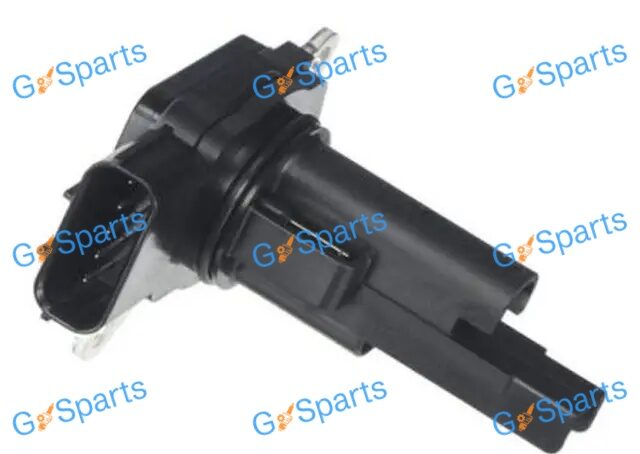
Genuine Honda MAF Sensor 37980-RLF-013 – 2008–2012 Honda Accord
Honda MAF Sensor 37980-RLF-013 for 2008–2012 Honda Accord. OEM 37980-RLF-013 with 5-pin connector, hot-wire type for accurate airflow measurement.
Did you like this product? Add to favorites now and follow the product.

(+86) 180 07 12 47 38 WhatsApp, Telegram, WeChat
Description
Restore smooth performance and fuel economy on your 2008–2012 Honda Accord with this OEM‑equivalent Mass Air Flow (MAF) sensor (Part 37980-RLF-013). The 5-pin connector, hot-wire type hot‑wire element provides precise intake air data to the ECU, improving idle quality, throttle response, and emissions. Supported by trusted aftermarket brands: Denso, Bosch, Standard Motor Products. Specific to this model; ensure correct part number. Always confirm by VIN, connector type, and pin configuration before ordering.
Airflow Accuracy Is the Foundation of Refined Performance
Every confident start, steady idle, and clean pull depends on truthful airflow data feeding the engine control unit, and restoring that baseline is the fastest way to recover factory manners. When the meter’s signal drifts, trims chase errors, shifts feel indecisive, and fuel economy slides in ways that don’t match your route. Rather than masking symptoms, reestablish the source of truth with a correctly mapped replacement and a sealed intake path. That single change lets the ECU relax, stops overcorrection, and gives you back the composed, low-drama torque you expect. For owners who want a first-try solution that works in every season, the practical answer is the Honda MAF Sensor 37980-RLF-013.
How a Hot-Film Meter Guides Fueling, Timing, and Idle Control
Modern meters maintain a controlled temperature above the airstream and monitor the energy required to hold that delta; the resulting curve is the ECU’s playbook for injector pulse width, ignition advance, and idle stability under loads. When the curve is clean, long-term trims hover near center and catalytic converters run cooler because mixtures land on target. When the curve wanders, the controller hugs its guardrails and you feel hesitation, hunting, or uneven pedal response. The surest way to restore decisive, small corrections is by installing a calibrated unit that the software expects, and the one designed for this use case is the Honda MAF Sensor 37980-RLF-013.
Calibration Match Beats Visual Similarity Every Time
Two sensors can share a shell and connector yet deliver different math to the ECU, because housing geometry, protective grids, and temperature compensation shape the transfer function. A part that “fits” physically but reads differently will push adaptation to its edges, creating a car that technically runs but never feels settled. Confirm production dates, engine codes, and flow-arrow orientation so the signal aligns with intake physics and software tables. When that alignment exists, idle smoothing happens quickly, throttle transitions feel natural, and unnecessary downshifts disappear. To lock in that harmony without guesswork, select the Honda MAF Sensor 37980-RLF-013.
Subtle Symptoms That Signal Meter Drift Before a Warning Lamp
Airflow meters rarely fail loudly; they fade into inconsistency you notice as a soft stumble leaving a light, a faint surge in neighborhood cruising, or idle twitching as accessories cycle. Fuel economy may slip on the same commute, or you may smell richness after short trips even though no code sets. Those clues indicate the ECU is compensating for shaky inputs rather than trusting them. Instead of chasing coils or injectors, reset the baseline with a properly matched unit—then validate with a short, varied loop. This evidence-driven approach is why so many successful repairs start with the Honda MAF Sensor 37980-RLF-013.
Practical Payoff You’ll Feel on the First Drive
When airflow data is trustworthy, everything downstream calms down. Tip-in becomes crisp without lurching, converters avoid rich heat-soak episodes, and the transmission stops masking torque dips with busy gear changes. Cruise requires fewer toe corrections, and readiness monitors finish without drama. Owners describe the transformation as “calm power”—quiet confidence rather than theatrics. You get that composed behavior across wet mornings, hot errands, and cool evening drives when the ECU can make small, correct decisions in real time. The shortest path to that everyday refinement is installing the Honda MAF Sensor 37980-RLF-013.
OEM-Grade Consistency vs. Look-Alike Bargains
Visual twins can hide big internal differences: sensing-film stability, compensation algorithms, shielding, pin plating, and potting depth that resists moisture. Budget pieces may pass a driveway test then stumble during heat-soaked restarts or after rain, exactly when low-speed fidelity matters most. The result is creeping trims and intermittent hesitation that wastes weekends. Technicians choose repeatability over hype because it prevents comebacks and preserves trust. If you want the transfer curve your ECU expects across seasons and altitudes, bypass the gamble and select the Honda MAF Sensor 37980-RLF-013.
Inside the Hardware: Flow Straighteners, Grids, and Signal Integrity
Boundary-layer behavior at idle can trick a meter, so quality housings use straighteners to calm turbulence and grids to shield the element from debris pulses without starving it of information. Precise molding avoids vortices that bias readings at certain velocities, while plated pins and correct spring force maintain microvolts through vibration and thermal cycling. The result is a stable, low-noise output from parking-lot crawl to highway merge. That’s the kind of engineered steadiness you lock in by choosing the Honda MAF Sensor 37980-RLF-013.
Electrical Health Matters as Much as Mechanical Sealing
A flawless meter can still look guilty if corroded connectors, weak grounds, or a tired battery inject noise into the signal path. Those gremlins appear as phantom spikes the ECU must smooth, which feels like hesitation and odd shifts. Protect your install by inspecting terminals, verifying ground integrity, and confirming charging health so the sensor’s clean output isn’t polluted upstream. Electrical housekeeping turns a “maybe” fix into a certain one, and it’s the perfect companion to the Honda MAF Sensor 37980-RLF-013.
Preparation that Turns a Simple Swap into a Sure Win
Calm prep beats heroics. Photograph hose routing and clamp orientation, clear access around the airbox, and have a lint-free cloth ready for the bore. Disconnect the battery ground to protect electronics, loosen clamps evenly, and avoid prying a single corner that might distort sealing surfaces. Keep the new unit capped until installation and follow the molded flow arrow toward the throttle body. Seat the O-ring squarely, confirm the lid gasket isn’t pinched, and re-engage every clip. Those small, repeatable steps protect the clean baseline created by the Honda MAF Sensor 37980-RLF-013.
Installation Flow That Builds Confidence Instead of Doubt
Release the harness lock by lifting the tab—never tug on the wires—then back out mounting screws in alternating turns to avoid binding. Pull the old meter straight out to protect the bore, wipe the seat clean, and hand-start fasteners on the replacement to prevent cross-threading composite plastic. Orient clamps for future access, snug without crushing hose lips, and listen for a positive connector click. Start the engine and aim for a smooth idle, then take a short neighborhood loop with gentle accelerations to validate the work accomplished by the Honda MAF Sensor 37980-RLF-013.
Post-Install Relearn to Help the ECU Settle Quickly
After restoring the airflow baseline, give the controller a brief routine: idle to full temperature with accessories off, hold a light fast idle to expose more of the curve, then drive a calm loop with a few lift-throttle decels. Clear old codes if you have a scanner and watch trims drift toward center. Avoid spirited pulls until behavior stabilizes. The signature of success is boring graphs and an unremarkable drive—precisely what you should expect after fitting the Honda MAF Sensor 37980-RLF-013.
Intake Housekeeping Protects Accuracy for the Long Haul
Air carries dust, pollen, and oil vapor that will eventually haze sensing surfaces if upstream defenses falter. Choose a rigid-frame filter, seat it squarely, and close the lid evenly so the gasket compresses all around. Avoid over-oiling aftermarket media; excess mist migrates into the element and slows response. Keep the PCV system healthy to limit vapor fogging, and recheck clamps after unrelated service so tiny leaks don’t undo your progress. This simple routine sustains the stable signal unlocked by the Honda MAF Sensor 37980-RLF-013.
Smarter Diagnostics: Read Data in Context, Not Isolation
A code referencing airflow is a clue, not a conviction. Split ducts after the meter, a rolled filter gasket, or a warped lid can skew mixtures while the meter faithfully reports the chaos. Begin with a visual inspection and, if available, a quick smoke test. Compare trims at idle and steady cruise; calm cruise with jumpy idle often indicates unmetered air. Replace the metering unit when evidence points there, validate on the road, and enjoy the certainty earned by installing the Honda MAF Sensor 37980-RLF-013.
Air Filter Strategy and Ducting Details That Pay Off Daily
Even a perfect sensor can’t overcome a clogged or misseated filter, and small rolled gaskets invite dust that biases readings over time. Replace elements on schedule, orient worm-gear clamps so housings don’t chew into hose lips, and confirm resonator joints are fully seated. Listen for faint whistles under light throttle—the first audible sign of a leak. Healthy upstream components make every ECU decision easier, amplifying the benefits of the Honda MAF Sensor 37980-RLF-013.
Weather, Altitude, and Fuel Quality Without the Drama
Heat-soaked errand runs, frosty dawn starts, mountain passes, and low-detergency fuels all stress adaptation. A stable meter lets the ECU manage these swings gracefully so drivability stays consistent across seasons. Pair quality fuel with a clean PCV path to keep injectors predictable and the element clear. When inputs are honest, the car feels composed whether you’re leaving a damp garage or merging onto a sun-baked highway, exactly the experience enabled by the Honda MAF Sensor 37980-RLF-013.
Avoid Counterfeits: Small Telltales That Save Your Weekend
Look-alike parts often skimp on potting depth, compensation stability, and connector plating—the unglamorous details that keep microvolts honest. Red flags include soft molding seams, flimsy strain reliefs, inconsistent pin finish, and packaging without protective caps. Buy from a source that publishes real connector photos and stands behind returns. Compare in hand before you install. Authentic calibration is what keeps repairs durable, which is why it pays to insist on the Honda MAF Sensor 37980-RLF-013.
Why Near-Fit Cross-References Create Persistent Quirks
Sharing a connector doesn’t guarantee the same transfer function; a nearly right curve can trap the ECU at the edge of its window—close enough to run, far enough to feel wrong. You’ll sense slightly delayed tip-in, trims that never quite center, and idle wander when heat-soaked. Precision here isn’t perfectionism; it’s the shortest path to a car that behaves like itself. Avoid gray areas by choosing the exact mapping your platform expects, delivered by the Honda MAF Sensor 37980-RLF-013.
Workshop Patterns Pros Recognize and You Can Use
Technicians see repeating stories: rainy-day hesitation that fades by noon, trims drifting lean after a filter change, or slow-to-settle cold starts with heavy electrical loads. Most roads lead back to intake sealing or a drifting baseline. The winning playbook is simple—verify the path, install a correctly mapped meter, validate with a short mixed drive. That recipe turns complaints into calm cars without drama, and the centerpiece component is the Honda MAF Sensor 37980-RLF-013.
Cleaning vs. Replacing: Know When Enough Is Enough
A targeted cleaner can help after an over-oiled filter incident, but sprays can’t reverse sensing-film fatigue, fix a damaged grid, or un-drift a transfer curve. Repeated “clean and hope” cycles burn time and create false confidence if symptoms briefly improve. When data integrity is the issue, replacement is the decisive move that restores refinement, protects catalysts, and steadies MPG. That’s why the pragmatic choice for lasting results is the Honda MAF Sensor 37980-RLF-013.
Product Content That Actually Helps Owners Finish the Job
Clear connector photos, plain-English fitment notes, and driveway-ready instructions reduce returns and build trust. Cross-linking filters, clamps, and entry-level scan tools lets shoppers complete the job in one cart. Structured data helps search engines surface the right solution the first time. Helpful pages turn a blinking MIL into confident progress and a quiet dashboard, especially when the featured part is the Honda MAF Sensor 37980-RLF-013.
Data Logging Made Simple: Verifying a Clean Signal with Basic Tools
You don’t need a shop-grade scanner to confirm the repair—any consumer OBD-II app that displays fuel trims and MAF readings will do. After installation, warm the engine fully, then observe short-term and long-term fuel trims at idle and during a steady 60–80 km/h cruise; small, steady values indicate the controller trusts its airflow model again. Add a couple of gentle accelerations to see transient behavior: the trims should move briefly, then re-center without oscillation. If you chart this data over a week, consistency is the win you’re looking for. That boring stability is the hallmark of a correct calibration, and it’s the practical proof that your choice of Honda MAF Sensor 37980-RLF-013 restored the baseline the ECU expects.
Ownership Wins: Inspection Readiness, Resale Confidence, and Lower Stress
When airflow data is honest, readiness monitors complete faster, catalytic converters stay happier, and test stations become routine rather than suspenseful. That reliability also shows up in resale conversations: a car that starts cleanly, idles smoothly, and drives without quirks inspires buyer confidence long before a scan tool appears. Fewer nuisance lights and comebacks mean less time diagnosing and more time driving, which is ultimately why precision matters in everyday ownership. Pair good fuel, a healthy PCV system, and a sealed intake path with the calibrated output from Honda MAF Sensor 37980-RLF-013, and you’ll enjoy a quietly excellent driving experience that holds its value and your peace of mind.
Quality Assurance from Bench to Backroads
Lab characterization checks temperature behavior and noise rejection, but the final exam happens on patched streets after a pressure wash. A good validation loop includes spiral ramps, light throttle transitions, and a relaxed highway hold. The goal is unremarkable: steady idle, linear tip-in, and cruise that doesn’t require toe corrections. When numbers are boring, the drive is relaxing—exactly the signature you should see after installing the Honda MAF Sensor 37980-RLF-013.
When Issues Persist, Inspect the Surrounding Ecosystem
If quirks remain after a correct install, widen the lens. Cracked ducts, pinched gaskets, or a warped airbox lid can sabotage even perfect hardware. Downstream, tiny exhaust leaks near oxygen sensors provoke odd corrections that mimic metering faults. Weak grounds or aging batteries inject noise that corrupts signals. Methodically remove these variables, then revalidate. Most lingering mysteries resolve once the system supports the stable baseline supplied by the Honda MAF Sensor 37980-RLF-013.
Owner Habits That Keep Refinement Locked In
Replace the engine air filter on schedule, recheck clamp tension after service, and keep a simple log of any drivability changes with weather notes. If you own a consumer scanner, glance at trims after a mixed route; centered numbers are your green light. Listen for faint whistles or hisses that hint at small leaks before they grow. These quiet habits preserve the calm, predictable behavior you notice every time the cluster completes its self-check—benefits made durable by the Honda MAF Sensor 37980-RLF-013.
Bringing It All Together for a Car That Just Works
Modern powertrains reward honesty at the sensor and discipline in the intake path. Reestablish a truthful airflow baseline, seal everything you touched, and give the ECU a brief relearn drive. The payoff is immediate: smooth launches, steady idle, fewer gear hunts, and fuel numbers that match expectations. That’s the everyday excellence most owners want—competence you stop noticing because it’s always there. If quiet confidence is the goal, install the Honda MAF Sensor 37980-RLF-013 and enjoy a vehicle that simply behaves.
External Links (MAF Sensor Education & References)
Internal Links (Keep Users on G-Sparts)
Related products



G-SPARTS – Leading Auto Parts Supplier Since 2009
Trusted by 1000+ Clients Worldwide | Chinese (BYD, Geely, Chery, …), Japanese (Toyota, Honda, Nissan, …), European (BMW, Mercedes, VW, …) & American (Ford, Chevrolet, Tesla, …) Car Spares | Best Prices & OEM Quality | 15+ Years Expertise | Professional Team, Fast Global Shipping
Copyright 2025 © G-Sparts All Rights Reserved. | Premium Chinese Auto Parts Supplier – Worldwide Shipping | Best Prices on OEM & Aftermarket Spares

Reviews
There are no reviews yet.