
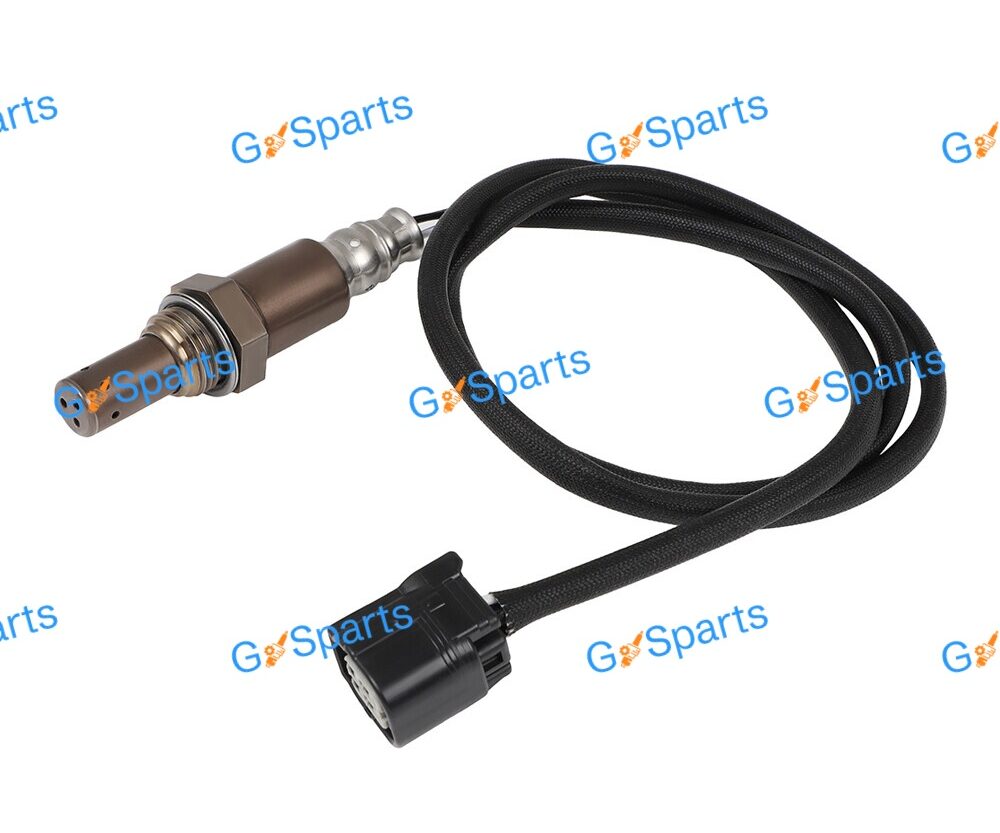
Genuine Honda Oxygen O2 Sensor Common aftermarket direct‑fit (not OEM) – Pro Guide, Fitment & Install | G-Sparts
O₂ sensor for Civic, Accord, CR‑V, Fit/Jazz, Odyssey, Pilot, Ridgeline (various years) – Upstream or downstream (SKU dependent). Specs: Most upstream replacements are 4‑wire heated; downstream vary.
Did you like this product? Add to favorites now and follow the product.

(+86) 180 07 12 47 38 WhatsApp, Telegram, WeChat
Description
OE‑style oxygen (lambda) sensor listing for Honda applications. Models: Civic, Accord, CR‑V, Fit/Jazz, Odyssey, Pilot, Ridgeline (various years). OEM/reference(s): Common aftermarket direct‑fit (not OEM). Position: Upstream or downstream (SKU dependent). Typical specification: Most upstream replacements are 4‑wire heated; downstream vary. Brands/cross‑refs: Denso 234‑4xxx, Bosch 0‑258‑006‑xxx, NTK/NGK, Walker. Fitment guidance: Match OEM part number (from VIN) → aftermarket cross‑ref. Source: DENSO Auto Parts.
The Role of the Upstream Sensor and Why Aftermarket Makes Sense
When drivers compare options beyond the dealership, they want dependable feedback control at a friendlier price. The upstream oxygen or air-fuel sensor informs the ECU’s real-time fuel corrections, shaping idle stability, throttle response, and emissions. If the element ages, trims drift and drivability suffers, which sends owners to the parts aisle looking for savings without sacrifices. That’s where carefully chosen replacements step in, delivering factory-like behavior when specifications and installation are handled correctly. To anchor our discussion in the exact phrasing many shoppers type into search bars, we’ll reference Honda Oxygen O2 Sensor Common aftermarket direct-fit (not OEM) as the target phrase while outlining fitment checks, diagnostic shortcuts, and install practices that produce professional, first-time-right results.
Understanding “Direct-Fit” Beyond the Marketing
The phrase everyone sees in listings promises plug-and-play convenience, yet the reality depends on connector indexing, lead length, heater wattage, and the switching profile expected by the ECU. A true drop-in part mates with factory clips, clears heat shields, and seals at the bung without thread drama. You shouldn’t need splice kits or adapters that add resistance and invite moisture. Before ordering, verify harness paths, shield stand-offs, and how the plug “drapes” once torqued. These physical cues matter as much as electrical specs. With those boxes ticked, a replacement sold as Honda Oxygen O2 Sensor Common aftermarket direct-fit (not OEM) can mirror stock behavior and keep the feedback loop clean under everyday traffic, weather swings, and altitude changes.
Matching Sensor Technology to Your Honda’s Strategy
Modern Hondas may use narrowband upstreams on some platforms and wideband air-fuel sensors on others. Each technology has distinct electrical signatures and heater demands. If you install a look-alike with the wrong curve, trims wander and readiness stalls, even if the connector snaps tight. Good listings publish operating ranges, heater power, and compatibility by engine code. Cross-checking that data with your emissions label avoids the trap of parts roulette. When the electrical profile aligns, a component labeled Honda Oxygen O2 Sensor Common aftermarket direct-fit (not OEM) can satisfy the ECU’s expectations, letting closed-loop control lock in quickly after start and stay centered during light throttle where most real-world driving happens.
Diagnosing the Old Sensor Before You Spend
Replacing guesswork with evidence saves money. Warm the engine and observe upstream activity alongside short-term trims during a steady cruise. Healthy systems show brisk, symmetric corrections that hover near center. Sluggish toggling, sticky readings, or slow recovery after gentle pedal inputs point to an element that’s past its prime. Verify heater status PIDs and inspect for exhaust leaks ahead of the bung that fake a lean signal. If power, ground, and plumbing look solid, a fresh part is justified. Choosing a unit marketed as Honda Oxygen O2 Sensor Common aftermarket direct-fit (not OEM) becomes a smart move when data already says the original feedback source is the weak link in smooth, efficient operation.
Fitment Checks You Can Do in Minutes
A few photos and measurements eliminate most surprises. Honda Oxygen O2 Sensor Common aftermarket Count connector pins, note keyways, and measure the existing lead so the replacement reaches every clip without tension. Photograph the harness path around shields and brackets, paying attention to stand-offs that create air gaps against radiant heat. When your visual notes align with catalog photos, a part described as Honda Oxygen O2 Sensor Common aftermarket direct-fit (not OEM) is far more likely to drop in cleanly, preserving strain relief and insulation life for the long haul.
Tools and Supplies for a Professional Result at Home
Preparation turns a hot, cramped job into a predictable routine. Lay out an oxygen-sensor socket, small torque wrench, wobble extension, penetrating oil, brake cleaner, dielectric grease for the connector seal, and fresh loom clips if yours are brittle. Good lighting matters as much as leverage. Keep the new sensor sealed until the engine is cool and the bung is clean to prevent contamination. When these basics are staged, installing a Honda Oxygen O2 Sensor Common aftermarket direct-fit (not OEM) unit becomes an orderly sequence: break free, clean seat, hand-start threads, torque to spec, route the lead, click the latch, and confirm slack for engine movement before closing up shields.
Safe Removal Without Damaging Threads or Wiring
Heat cycles create stubborn threads, so patience pays. Warm the manifold briefly, then let it cool to a safe touch so expansion helps without burns. Apply penetrant and allow it to wick. Keep the socket square; use steady pressure rather than hammering that rounds flats. As the sensor loosens, support the body and unwind gently to avoid twisting the lead. Clean carbon from the bung with a soft brush; aggressive chasing risks seating issues later. This care makes it easy to hand-start a Honda Oxygen O2 Sensor Common aftermarket direct-fit (not OEM) replacement and achieve a proper seal at torque, preventing whisper leaks that masquerade as mixture problems on test drives.
Thread Prep, Torque, and Crush-Washer Sealing
Start by hand for several turns to confirm alignment and prevent cross-threading. Many replacements ship with pre-applied compound—when present, don’t add more; excess can migrate toward the tip. Torque evenly so the crush washer forms a gas-tight seal without distorting the bung. Reinstall any heat shields you moved for access, then verify clearance between the lead and hot surfaces. Following this sequence ensures a Honda Oxygen O2 Sensor Common aftermarket direct-fit (not OEM) part seats correctly and reports faithfully from the first key-on, letting the ECU enter closed loop quickly and keeping trim corrections narrow during gentle neighborhood cruising.
Harness Routing and Heat Management Details
Durability hinges on cable path and shielding. Use all factory clips and stand-offs so the lead floats away from the downpipe and sharp edges. Add reflective sleeve where clearances are tight. After a short warm-idle, recheck that the harness still clears once everything expands thermally. These small habits prevent cooked insulation and intermittent opens that look like sensor failures months later. When you route a Honda Oxygen O2 Sensor Common aftermarket direct-fit (not OEM) lead with the same care Honda used, you preserve signal integrity and avoid the mystery faults that come from vibration and radiant heat in crowded engine bays.
Clearing Codes and Resetting Adaptations the Right Way
Fresh hardware deserves fresh baselines. Clear stored faults and trims so the ECU can learn from clean inputs. Let the engine idle until fans cycle, then hold a steady suburban cruise while watching upstream behavior. You want crisp response and trims hovering near center with minimal swing. Skip hard accelerations during the first minutes as the catalyst equilibrates. A short log captured now becomes your “known good” reference. If the part is truly Honda Oxygen O2 Sensor Common aftermarket direct-fit (not OEM) quality, the system will stabilize quickly, readiness will progress without drama, and daily drivability will feel polished again by the time you return from a simple errand loop.
A Simple Drive Cycle You Can Repeat Anytime
Validation doesn’t need to be complicated. Begin fully warmed, drive a steady stretch at moderate speed, add a few gentle accelerations and decelerations, then finish with a brief idle while watching trims settle. This routine helps most platforms advance monitors and reveals lingering issues like small leaks or lazy response. The goal is boring graphs with tidy oscillations and no pending faults. When a Honda Oxygen O2 Sensor Common aftermarket direct-fit (not OEM) unit is performing correctly, your logs will look uneventful—in the best possible way—because the ECU isn’t chasing noise or bias from a tired element or stressed harness.
Choosing Aftermarket by Metrics, Not Hype
Separate solid engineering from marketing gloss by asking for switching speed data, heater wattage curves, insulation temperature ratings, and exact lead length. Avoid universal splice kits on upstream locations; added resistance and moisture risk don’t belong in a precision circuit. A documented Honda Oxygen O2 Sensor Common aftermarket direct-fit (not OEM) part should publish connector keyways and operating ranges, not just a vague fit list. When suppliers share real numbers and high-resolution photos of the actual plug and boot angle, first-time success rates climb and post-install diagnostics shrink to a quick confirmation rather than a detective story.
Warranty, Returns, and Supplier Vetting
Good sellers back their inventory and communicate clearly. Look for transparent warranty terms, straightforward returns, and packaging that protects fragile ceramics. Batch codes, barcodes, and storage condition notes signal a controlled supply chain. Keep unboxing photos and receipts until your validation loop passes. If a Honda Oxygen O2 Sensor Common aftermarket direct-fit (not OEM) listing also includes torque guidance and routing tips, that’s a sign the vendor understands real-world installation, not just catalog indexing. Support like that shortens downtime if something arrives damaged or proves incompatible despite careful checks.
Counterfeit Awareness and Red Flags
Imitation parts can mimic housings but miss heater curves and electrical behavior the ECU expects. Inspect labels for crisp print, consistent fonts, and traceable lot numbers. Compare connector molding and keyways to your original, and examine plating quality. Odd odors, scuffed boots, or crushed boxes warrant a pause. Buying a Honda Oxygen O2 Sensor Common aftermarket direct-fit (not OEM) part from reputable channels minimizes risk, and quick visual scrutiny before installation prevents hours of chasing phantom trim swings that turn out to be the result of substandard internals masquerading behind convincing shells.
Emissions Readiness and Inspection Confidence
Nothing calms nerves at inspection like monitors that set predictably. Accurate upstream feedback helps the ECU meet internal thresholds for catalyst, O2, and fuel-system tests. After replacement, use your simple validation loop to nudge readiness along before the appointment. A properly matched Honda Oxygen O2 Sensor Common aftermarket direct-fit (not OEM) component contributes to quick closed-loop entry, tidy trim control, and steady catalyst temperatures, which are the behind-the-scenes ingredients for a straightforward pass that keeps your schedule on track and your budget intact.
Fuel Economy and Everyday Refinement
Small inefficiencies add up, especially in city driving. A sluggish upstream reference allows richer-than-needed mixtures during transitions and extended open-loop behavior on cold mornings, which wastes fuel and dulls throttle feel. Restoring a crisp signal tightens control so the engine returns to stoichiometric quickly and stays there under light load. Most owners notice steadier cruise, fewer exhaust odors after start, and slightly improved mileage. Those are the predictable dividends of installing a Honda Oxygen O2 Sensor Common aftermarket direct-fit (not OEM) replacement that actually mirrors the electrical and thermal profile your ECU was tuned around from the factory.
Performance and Tuning Considerations
Even if a car has been tuned, daily closed-loop corrections still rely on the upstream sensor’s integrity. A biased or slow unit forces the ECU to chase targets and can make a carefully crafted calibration feel inconsistent in traffic. Before dyno work, fix leaks, refresh grounds, and verify upstream behavior during light sweeps. With a healthy Honda Oxygen O2 Sensor Common aftermarket direct-fit (not OEM) part in place, tuners can focus on spark optimization and torque shaping rather than fighting noisy feedback, yielding smoother transient fueling and a car that feels composed in the real world, not just on charts.
Cold Weather, Short Trips, and Heater Performance
Winter exposes weak heaters and marginal ceramics. If closed-loop entry takes too long on short errands, drivability suffers and the catalyst works harder. Specifications matter here; the right heater wattage and control characteristics get the element to temperature quickly without overshoot. Choose a Honda Oxygen O2 Sensor Common aftermarket direct-fit (not OEM) unit that documents heater behavior and you’ll experience faster stabilization, cleaner idle, and fewer fuel smells on frosty mornings, even if most of your drives are brief and full of stop-and-go conditions that challenge mixture management.
Electrical Integrity: Power, Ground, and Noise
The best hardware still needs a clean circuit. Voltage-drop test grounds under load, confirm heater power delivery, and inspect shared references if other sensors act odd. Repair tired crimps, replace brittle connectors, and route harnesses away from coils to reduce electromagnetic noise. When the supporting cast is solid, a Honda Oxygen O2 Sensor Common aftermarket direct-fit (not OEM) unit can showcase its true accuracy, keeping trims centered and idle glassy, rather than being blamed for electrical problems that simply mask themselves as poor feedback control at the ECU input.
Exhaust Integrity: Leaks That Fake Lean
Even the right component can’t outsmart physics. Small leaks before the sensor draw outside air and elevate oxygen content, tricking the ECU into enrichment that drags mileage and smells rich. Look for soot trails, ticking at flanges, or faint pulses at flex joints. Smoke testing reveals the culprits quickly. With the plumbing sealed, a Honda Oxygen O2 Sensor Common aftermarket direct-fit (not OEM) sensor reads the truth, letting closed-loop logic do its job and keeping catalyst workload within the comfort zone designed for everyday commuting and weekend highway runs alike.
Budgeting the Whole Job Without Surprises
Plan beyond the sensor’s sticker price. Add a dedicated socket, penetrant, dielectric grease, reflective sleeve, new clips, and a little time for a validation drive. Against that modest spend, expect a smoother idle, steadier cruise, and fewer diagnostic detours. A proven Honda Oxygen O2 Sensor Common aftermarket direct-fit (not OEM) choice frequently pays for itself in saved fuel and avoided comebacks, especially on vehicles that rack up miles in mixed urban and suburban duty where accurate feedback is constantly trimming tiny deviations you’d otherwise never see without a scan tool.
Documenting Work to Build Service History
Good records turn maintenance into value. Capture before-and-after graphs, note conditions, mileage, and any supporting repairs like leak fixes or ground refreshes. Photograph clip positions and the latched connector for future reference. If you later chase an unrelated issue, you’ll have proof that feedback control was restored with a Honda Oxygen O2 Sensor Common aftermarket direct-fit (not OEM) replacement and that routing and heat management were handled correctly. Organized notes also reassure future buyers that emissions-critical components were replaced thoughtfully and not just swapped under duress.
When DIY Becomes DI-Why: Calling a Pro
Certain fault patterns point beyond a single component: multiple correlation codes, intermittent power loss tied to humidity, or odd behaviors that follow body movement rather than engine cycles. Honda Oxygen O2 Sensor Common aftermarket A professional brings scopes, smoke machines, and platform-specific procedures that isolate root causes quickly. Showing up with a vetted Honda Oxygen O2 Sensor Common aftermarket direct-fit (not OEM) sensor helps the shop focus on verification rather than sourcing, shortening turnaround and keeping the conversation anchored in data rather than speculation or trial-and-error part darts.
Environmental Stewardship and Disposal
Retired sensors contain metals and ceramics that shouldn’t land in a bin. Many parts stores and municipal programs accept them for responsible recycling. Keep packaging until you’re satisfied with the validation drive, then recycle cardboard and foam where possible. Treating the process responsibly complements the efficiency improvements you just restored. Choosing a Honda Oxygen O2 Sensor Common aftermarket direct-fit (not OEM) solution that lasts also reduces waste over time, since durable feedback components help prevent catalytic converter damage that leads to bigger, more resource-intensive repairs down the road.
Real-World Case Patterns Owners Report
Drivers often describe a subtle idle wobble, faint surging on steady roads, and a warning lamp that visits after longer runs. After installing a carefully matched replacement and clearing adaptations, they notice calmer transitions and quicker readiness. Logs show tidy oscillations and trims that hug center rather than chase. That’s the daily difference a quality Honda Oxygen O2 Sensor Common aftermarket direct-fit (not OEM) component can make when paired with sealed plumbing, solid grounds, and mindful harness routing that respects heat and movement in crowded, modern engine bays.
Heat Soak, Hot Restarts, and Harness Life
Hot restarts can expose marginal routing because insulation softens and sags toward hot metal. Re-inspect after a heat soak to confirm clearances and clip engagement. Add short lengths of reflective sleeve where the lead approaches shields or brackets. These easy touches extend the lifespan of a Honda Oxygen O2 Sensor Common aftermarket direct-fit (not OEM) installation, preventing intermittent opens and electrical noise induced by proximity to ignition components or exhaust hardware that was a few millimeters too close once everything expanded under real-world, repeatable conditions.
Avoiding Common Post-Install Pitfalls
Most comebacks trace to small oversights: cross-threading, over-torque that distorts the seat, lubricant contamination on the tip, or missing stand-offs that let the lead vibrate and chafe. Build a personal checklist: hand-start, torque, route, clip, latch, slack, shield, scan. Five quiet minutes now prevent hours later. With that discipline, a Honda Oxygen O2 Sensor Common aftermarket direct-fit (not OEM) upgrade becomes an invisible success, the kind that simply makes the car feel “right” again without calling attention to itself in the way warning lights and rough transitions do when the feedback loop is compromised.
Comparing Value: When Aftermarket Outshines Habit
Dealers deliver certainty but often at a premium. The best independent brands compete by publishing data, honoring warranties, and shipping thoughtfully protected parts. When specs align and installation is careful, a Honda Oxygen O2 Sensor Common aftermarket direct-fit (not OEM) solution can match factory manners, preserve catalyst health, and keep your budget intact. The smart move isn’t reflexively choosing one channel; it’s weighing documented performance, support quality, and your own ability to execute the install steps that turn good components into great outcomes on the road you actually drive every day.
Final Verification Drive and Peace of Mind
Close the project with a calm loop: steady cruise, gentle transitions, and a quiet idle while you glance at trims. No pending codes, crisp responses, and centered corrections signal success. Pop the hood once more after a hot soak to confirm harness clearance and shield placement. When everything looks tidy and the data is boring, you’ve nailed it. That’s the payoff of selecting a Honda Oxygen O2 Sensor Common aftermarket direct-fit (not OEM) part thoughtfully, installing it carefully, and validating it methodically—a renewed, predictable Honda feel that makes commutes easy and long trips pleasantly uneventful Honda Oxygen O2 Sensor Common aftermarket.
External Resources (Standards & Technical References)
- SAE J1979 — OBD-II Diagnostic Test Modes
- ISO 15031 — Road Vehicles/Scan Tool Communication
- US EPA — Basic Information on OBD-II
- NGK/NTK — Oxygen (Lambda) Sensors Overview
- Bosch Mobility — Oxygen Sensor Technology
Related Internal Links
Additional information
| OEM / Reference | Common aftermarket direct‑fit (not OEM) |
|---|---|
| Brands / Cross | Bosch 0‑258‑006‑xxx, Denso 234‑4xxx, NTK/NGK, Walker |
| Models | Accord, Civic, CR‑V, Fit/Jazz, Odyssey, Pilot, Ridgeline (various years) |
| Position | Upstream or downstream (SKU dependent) |
| Specifications | Most upstream replacements are 4‑wire heated; downstream vary |
| Fitment note | Match OEM part number (from VIN) → aftermarket cross‑ref. |
| Source | DENSO Auto Parts |
Related products



G-SPARTS – Leading Auto Parts Supplier Since 2009
Trusted by 1000+ Clients Worldwide | Chinese (BYD, Geely, Chery, …), Japanese (Toyota, Honda, Nissan, …), European (BMW, Mercedes, VW, …) & American (Ford, Chevrolet, Tesla, …) Car Spares | Best Prices & OEM Quality | 15+ Years Expertise | Professional Team, Fast Global Shipping
Copyright 2025 © G-Sparts All Rights Reserved. | Premium Chinese Auto Parts Supplier – Worldwide Shipping | Best Prices on OEM & Aftermarket Spares

Reviews
There are no reviews yet.