
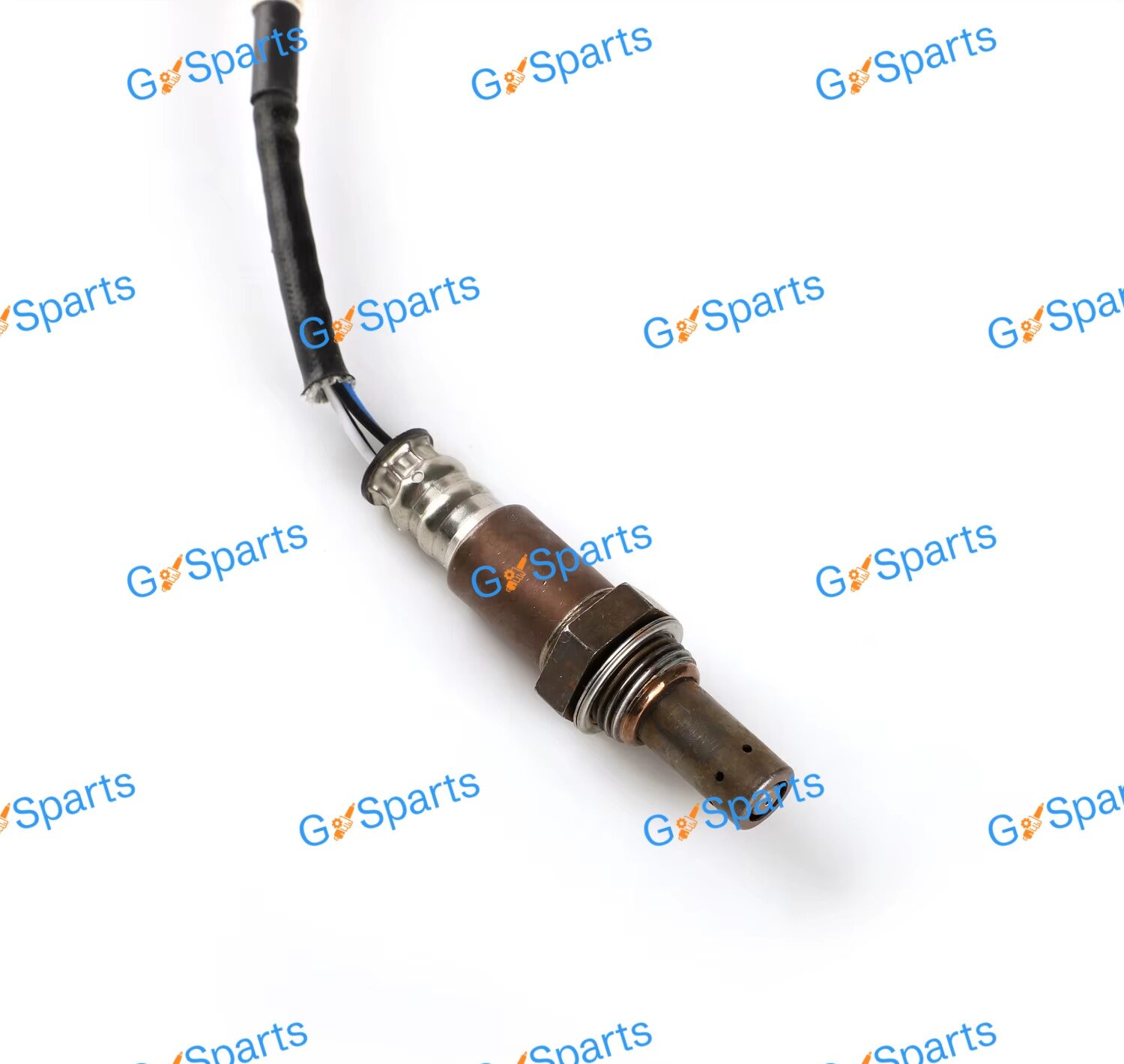
Ultimate OEM Guide: Lexus Oxygen O2 Sensor Hybrid/BEV note – Lexus RX‑h, LS‑h (A/F sensors upstream); pure BEVs have no O₂ sensors (—)
O₂ sensor for Lexus RX‑h, LS‑h (A/F sensors upstream); pure BEVs have no O₂ sensors – —. Specs: A/F sensors differ from narrow‑band O₂ (often 4+ wires); BEVs: not applicable. Cross: —.
Did you like this product? Add to favorites now and follow the product.

(+86) 180 07 12 47 38 WhatsApp, Telegram, WeChat
Description
OE‑style oxygen (lambda) sensor entry for Lexus applications. Models: Lexus RX‑h, LS‑h (A/F sensors upstream); pure BEVs have no O₂ sensors. OEM/reference(s): Hybrid/BEV note. Position: —. Typical specification: A/F sensors differ from narrow‑band O₂ (often 4+ wires); BEVs: not applicable. Common aftermarket cross‑references: —. Fitment guidance: Do not substitute generic O₂ for A/F. Provide VIN to verify exact 89465‑xxxxx. Source: eBay.
Hybrid vs. BEV: Setting the Record Straight
Many listings blur the line between hybrids and battery electrics, so a precise Lexus Oxygen O2 Sensor Hybrid/BEV note is essential. Hybrids (HEV/PHEV) retain an internal-combustion engine and therefore rely on upstream and downstream oxygen/air-fuel sensors; BEVs have no exhaust and no oxygen sensors at all. Misordered parts usually stem from assuming every electrified Lexus needs the same components, but only hybrids do. A correct Lexus Oxygen O2 Sensor Hybrid/BEV note clarifies that upstream sensors govern closed-loop fueling and downstream units audit catalyst efficiency. That distinction prevents wasted bay time, avoids readiness delays, and keeps your emissions results predictable through seasonal fuel changes and city traffic.
Why Hybrids Stress Upstream Response
Start/stop cycles, short warm-ups, and frequent engine restarts make hybrids unforgiving of slow elements, which is why a Lexus Oxygen O2 Sensor Hybrid/BEV note should emphasize heater mapping and switching speed. Each restart demands rapid loop closure so enrichment doesn’t linger and the catalyst relights efficiently. Upstream sluggishness appears as brief sulfury odors, wandering trims, or jittery transitions when the engine kicks in at low speeds. By matching heater power, seat depth, and electrical behavior to factory spec, your upstream sensor restores crisp oscillation, centers short-term trims, and keeps downstream behavior calm—signs the hybrid control strategy is back in harmony with real exhaust chemistry.
Upstream vs. Downstream Roles in Hybrids
A good Lexus Oxygen O2 Sensor Hybrid/BEV note separates roles clearly. The upstream sensor steers mixture in real time, stabilizing idle during engine starts and smoothing pedal tip-ins as the hybrid blends torque. The downstream sensor validates catalyst storage once light-off occurs; its trace should be comparatively flat on a healthy system. Swapping part types or positions invites phantom P0420 complaints and readiness delays. Correct bank/position selection plus verified heater resistance ensures the ECU’s self-tests pass immediately after a restart, preventing nuisance lights that confuse drivers and complicate inspection lanes.
Cold Starts, Heater Circuits & Light-Off
Hybrid engines often fire for just a minute, so your Lexus Oxygen O2 Sensor Hybrid/BEV note must stress rapid element warm-up without overshoot. Under-powered heaters prolong open-loop; over-powered ones stress ceramics and shorten service life. Choose units with published heater resistance and current draw that mirror OEM behavior. After install, confirm quick closed-loop entry, brisk upstream switching, and a downstream trace that calms as substrates heat. Documenting this in your Lexus Oxygen O2 Sensor Hybrid/BEV note provides proof the loop is healthy and shields you from misattributed fuel-economy complaints in cold weather.
BEV Reality: No Sensor, Different Service
A concise Lexus Oxygen O2 Sensor Hybrid/BEV note should warn that BEVs—pure battery models—do not have oxygen sensors. Ordering exhaust sensors for a BEV wastes time and signals a catalog or fitment error. Instead, BEV drivability issues live in battery management, inverter control, and thermal systems. For mixed fleets, tag VINs by propulsion so the parts counter can route hybrid vs. BEV questions correctly. This administrative clarity prevents repeat returns and protects your shop’s reputation for accuracy.
Fitment Factors That Avoid Comebacks
The practical Lexus Oxygen O2 Sensor Hybrid/BEV note goes beyond thread size: seat geometry, sample depth, connector keying, and lead length all matter. The ceramic must sit in steady flow, away from eddies that fake lean and push trims positive. Color-coded pinouts and correct dedicated signal ground prevent slow-response flags that look like fuel faults. Route looms in factory clips with slack for engine rock, add sleeve near shields, and tug-test latches. These small disciplines stop intermittent faults that only appear after heat-soak or a spirited hill climb.
Diagnostics Before Replacement
A well-written Lexus Oxygen O2 Sensor Hybrid/BEV note reminds teams to verify plumbing and power first. Smoke the intake and pre-cat exhaust, confirm 5-V reference and clean sensor ground, and validate fuel pressure under load. Correlate throttle angle, MAF, trims, and upstream voltage at warm idle, steady suburban cruise, and two gentle tip-ins. If everything around the sensor passes but switching remains dull, replacement is justified. Post-install, repeat identical captures and save screenshots—your simplest, most persuasive proof that the repair restored loop integrity.
Drive-Cycle Strategy for Hybrids
Your Lexus Oxygen O2 Sensor Hybrid/BEV note should outline a predictable validation loop: warm idle until coolant stabilizes, a steady 60–80 km/h cruise, two engine-brake decels, and a few silent-EV intervals to let the controller cycle logic. Expect quick closed-loop entry after each restart, modest STFT oscillation around zero, centered LTFT at cruise, and downstream calm as the catalyst lights. These signatures are your green lights for readiness without chasing edge-case conditions that waste shop time and frustrate owners.
Trim Behavior Owners Can Understand
A service-friendly Lexus Oxygen O2 Sensor Hybrid/BEV note explains trims in plain language. Short-term trims are rapid nudges around stoichiometry; long-term trims reflect learned bias. After a correct upstream install, short-term trims should oscillate neatly, and long-term values should migrate toward center over a few drives. If long-term won’t settle, suspect tiny leaks or injector imbalance, not the new sensor. This framing prevents “parts cannon” repairs and turns data into confidence for both DIYers and busy bays.
Materials, Sealing & Longevity in Start/Stop Duty
Frequent thermal cycling demands durable sealing and robust electrode loading—points a Lexus Oxygen O2 Sensor Hybrid/BEV note must highlight. Gas-tight shells prevent ambient oxygen from diluting samples; dense ceramics resist thermal shock during rapid relights. Housing flatness and crush-washer quality keep the bung seal honest so micro-leaks don’t fake lean at idle after restarts. Over time, better sealing preserves switching speed, protects the catalyst from heat, and keeps fuel economy steady—quiet gains that show up as fewer comebacks and quicker inspections.
Wiring Discipline & Noise Immunity
Because sensor signals live in millivolts, your Lexus Oxygen O2 Sensor Hybrid/BEV note should outline wiring standards: staggered splices, adhesive heat-shrink, and proper strain relief. Avoid dielectric grease on low-voltage pins unless the manual specifies it. Verify pin indexing and signal-ground continuity before powering up. After installation, wiggle-test connectors during a warm-idle capture; a stable trace under gentle movement indicates healthy crimps and pin tension. Clean routing prevents fretted pins and intermittent dropouts that masquerade as mixture faults.
Catalog Accuracy & VIN Discipline
Misorders often start at the keyboard, so a Lexus Oxygen O2 Sensor Hybrid/BEV note should codify VIN-based lookup with propulsion tagging. Hybrids may use AFR pump-cell upstream sensors on some platforms and zirconia narrowband on others; BEVs use neither. Enforce part-number verification against bank/position and connector macros. This simple discipline cuts returns dramatically and keeps you from defending a correct repair against a wrong box.
AFR vs. Narrowband on Lexus Hybrids
An effective Lexus Oxygen O2 Sensor Hybrid/BEV note distinguishes air-fuel ratio (wideband) sensors from classic zirconia narrowbands. AFR units report via pump current and need exact heater control; swapping to a narrowband “because it fits” breaks loop logic. Confirm sensor type from service data, then select the matching technology. With the right AFR upstream, expect crisp transitions and stable trims during blended torque events; with the wrong type, anticipate codes, poor economy, and readiness that refuses to set.
Installation Fundamentals for Hybrids
A practical Lexus Oxygen O2 Sensor Hybrid/BEV note stresses cold-exhaust work, light bung cleaning, hand-starting to prevent cross-threading, and exact torque for a flat seal. Keep anti-seize off the tip; contamination slows response. Support the exhaust if leverage was needed and verify harness clearance from shields. Five minutes for a smoke check upstream of the catalyst confirms gas-tight integrity, saving hours you’d otherwise spend chasing “mystery lean” that is really a tiny tick at the seat.
What “Good” Live Data Looks Like
Train the eye in your Lexus Oxygen O2 Sensor Hybrid/BEV note. At warm idle, a healthy upstream shows brisk switching (or stable AFR current), STFT oscillates neatly, and LTFT hovers near center. On light cruise, timing stabilizes and downstream activity calms as the catalyst stores oxygen. After an EV-only glide, when the engine restarts, loop closure should be quick and trims should resume centered behavior. Save screenshots with VIN/timestamp to turn subjective impressions into objective proof of success.
Readiness Without Games
A crisp Lexus Oxygen O2 Sensor Hybrid/BEV note demystifies monitors. Most hybrids need coolant in range, a steady suburban cruise, and a clean decel or two. If EVAP lingers, that’s tank level or ambient—not the oxygen sensor. Once upstream truth is restored, monitors set predictably and inspection day becomes routine. This clarity helps owners plan a single, efficient drive rather than guessing and returning for retests.
DTC Families and Smart Triage
Your Lexus Oxygen O2 Sensor Hybrid/BEV note should map common codes to actions. Slow-response flags point to switching latency or heater issues; stuck rich/lean often means leaks or fueling imbalance; heater codes implicate circuits, fuses, or relay paths. Compare freeze-frame to live data at the same load and temperature. If the upstream waveform is crisp yet trims drift, fix the environment—intake leaks, injector variance, or marginal fuel pressure—before suspecting the new element.
Owner-Level Baseline Logging
For DIY confidence, include a simple script in the Lexus Oxygen O2 Sensor Hybrid/BEV note: warm idle sixty seconds, steady 2,300 rpm ninety seconds, two gentle tip-ins, and one clean engine-brake decel. Log upstream/downstream, STFT/LTFT, and ignition timing. Repeat at each oil change. Neat overlays confirm durable health; drift signals plumbing or fueling issues early, well before they become drivability complaints or failed inspections.
Fleet SOP: Standardize to Reduce Variance
Fleet managers need repeatability, so a Lexus Oxygen O2 Sensor Hybrid/BEV note should propose a one-page SOP: VIN & propulsion tag, bank/position verification, heater-resistance check, bung photo, routing photo, and idle/cruise screenshots attached to the work order. Standardizing on vetted sensor SKUs with identical connector feel and heater mapping cuts monitor set time, reduces comebacks, and makes warranty conversations fast and data-driven.
Modified Hybrids: Heat & Sample Integrity
If the exhaust has been altered, your Lexus Oxygen O2 Sensor Hybrid/BEV note should warn about bung placement and shielding. Maintain sample depth and laminar exposure so the tip avoids turbulence. Add reflective sleeve near hot panels and confirm loom clearance under engine rock. Validate after heat-soak: quick closed-loop entry, centered trims, and calm downstream show your new layout still tells the truth and the hybrid control strategy remains comfortable during blended torque events.
Documentation That Pays Later
A strong Lexus Oxygen O2 Sensor Hybrid/BEV note formalizes documentation: batch code photo, torque note, bung condition, harness routing, and before/after screenshots saved to the VIN. Months later, when a new complaint appears, you’ll compare to day-one truth and decide in minutes instead of hours. Good paperwork transforms small repairs into durable, defensible wins.
Compliance & Paper Trails
Where inspections are strict, your Lexus Oxygen O2 Sensor Hybrid/BEV note should highlight approvals (e.g., CARB EO, E-marks) for the specific engine family. Keep the invoice, certification sheet, install date, and brief idle/cruise baseline. Inspectors and warranty reviewers respect well-organized proof, and owners appreciate a drama-free pass when timing is tight.
Service Bulletins, Calibrations & Trim Reset Best Practices
Hybrid ECUs may include updates that refine heater control, readiness logic, or catalyst auditing, so check for calibration updates whenever you replace upstream elements. After install, clear DTCs and fuel trims, perform a stable warm-idle, then execute a steady suburban cruise and one clean decel to let the controller relearn without noise. Verify 12-V supply health—low system voltage can mimic sluggish switching. Document before/after screenshots (idle and light cruise) so future diagnostics have a known-good baseline. If trims won’t center after these steps, re-smoke the intake and pre-cat joints to rule out micro-leaks before suspecting the Lexus Oxygen O2 Sensor Hybrid/BEV note item you just fitted.
Winter Operation, Short Trips & Start/Stop Realities
Hybrids often light the engine briefly to heat the cabin or charge the HV battery, which stresses heater mapping and sample integrity. In cold weather, verify quick closed-loop entry and look for brisk upstream oscillation within seconds of restart. If you see wandering trims after a short run, check for condensation-induced pin corrosion, brittle loom sections near heat shields, and tiny exhaust leaks that fake lean. A neatly routed harness with proper heat sleeve keeps signals clean when the engine cycles frequently. When validated, the Lexus Oxygen O2 Sensor Hybrid/BEV note guidance helps you prove that clean feedback—not guesswork—is controlling enrichment and catalyst light-off on frigid commutes.
Parts Authenticity, Receiving QA & Emissions Compliance
Counterfeit elements often skimp on electrode loading and heater calibration, which hybrid duty cycles expose quickly. At receiving, photograph batch codes, measure heater resistance, and inspect connector latch tension before the car reaches a bay. For strict regions (CARB/E-mark), confirm engine-family approvals and save the EO sheet with the invoice and baseline screenshots. Clear documentation prevents retest disputes and accelerates warranty. If a listing lacks approval for your VIN, use an application-specific unit rather than risking readiness delays. Following this Lexus Oxygen O2 Sensor Hybrid/BEV note procedure turns a small part into consistent pass rates, fewer comebacks, and predictable fuel-trim behavior across seasons.
Owner Playbook: Simple Habits That Preserve the Win
Keep the intake sealed, replace air filters on schedule, and fix misfires immediately; raw fuel poisons substrates and confuses feedback loops. Avoid silicone aerosols near the intake path—volatile contamination slows sensor response. After installation, re-run a quick validation script at each oil change: warm idle, steady 2,300 rpm cruise, two gentle tip-ins, and one clean decel, saving overlays to your records. If upstream switching remains crisp but LTFT drifts, suspect tiny leaks or fuel-pressure variance rather than the new sensor. This Lexus Oxygen O2 Sensor Hybrid/BEV note routine turns vague drivability impressions into objective proof, keeping hybrid restarts seamless and inspections boring—in the best possible way.
Sustainability & Quiet ROI
Precise lambda control limits HC spikes and keeps catalysts in their thermal sweet spot. A practical Lexus Oxygen O2 Sensor Hybrid/BEV note connects accuracy to fewer replacements, steadier fuel economy, and quieter dashboards. Over thousands of kilometers, the payback shows up as predictably clean inspections and fewer hours lost to intermittent drivability complaints—wins built on choosing the right element and validating it with a light, repeatable process.
Owner Tips That Preserve the Win
Close your Lexus Oxygen O2 Sensor Hybrid/BEV note with habits that matter: keep the intake sealed, replace air filters on schedule, fix misfires fast, and avoid silicone aerosols near the intake. Re-run the quick logging script after seasonal fuel changes. With a healthy upstream and honest plumbing, trims remain centered, downstream stays calm, and hybrid restarts feel seamless—exactly how an electrified Lexus should behave every single day.
External Resources (Standards & Technical References)
- SAE J1979 — OBD-II Diagnostic Test Modes
- ISO 15031 — Road Vehicles/Scan Tool Communication
- US EPA — Basic Information on OBD-II
- NGK/NTK — Oxygen (Lambda) Sensors Overview
- Bosch Mobility — Oxygen Sensor Technology
Related Internal Links
- All Oxygen Sensors
- Oxygen Sensor Basics & Types
- Diagnosing O₂ Sensor Issues (OBD-II)
- O₂ Sensor Installation Guide
- OBD-II PIDs & Readiness for O₂ Sensors
Additional information
| OEM / Reference | Hybrid/BEV note |
|---|---|
| Cross reference | — |
| Models | Lexus RX‑h, LS‑h (A/F sensors upstream); pure BEVs have no O₂ sensors |
| Position | — |
| Specifications | A/F sensors differ from narrow‑band O₂ (often 4+ wires); BEVs: not applicable |
| Fitment note | Do not substitute generic O₂ for A/F. Provide VIN to verify exact 89465‑xxxxx. |
| Source | eBay |
Related products

Premium Front Brake Pads OEM 04465-0E040 Advics PV565H for Lexus RX350/RX450h (2016–2020) – Reliable OEM Replacement
Original price was: $110.00.$65.00Current price is: $65.00.



G-SPARTS – Leading Auto Parts Supplier Since 2009
Trusted by 1000+ Clients Worldwide | Chinese (BYD, Geely, Chery, …), Japanese (Toyota, Honda, Nissan, …), European (BMW, Mercedes, VW, …) & American (Ford, Chevrolet, Tesla, …) Car Spares | Best Prices & OEM Quality | 15+ Years Expertise | Professional Team, Fast Global Shipping
Copyright 2025 © G-Sparts All Rights Reserved. | Premium Chinese Auto Parts Supplier – Worldwide Shipping | Best Prices on OEM & Aftermarket Spares

Reviews
There are no reviews yet.