
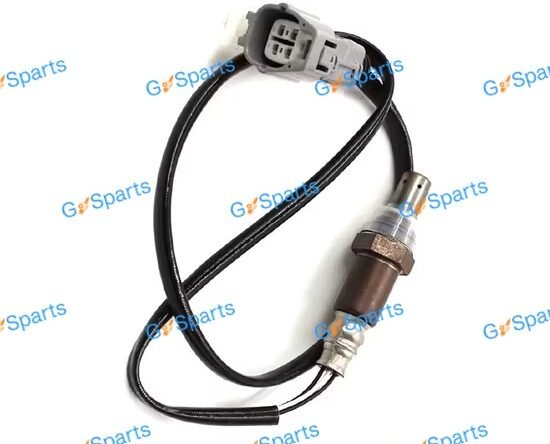
Ultimate Guide Lexus Oxygen O2 Sensor Multiple OEMs (use cross‑ref) – Broad Lexus/Toyota V6/V8/4‑cyl coverage- Cleaner Emissions, Stable Trims, Lower Cost
O₂ sensor for Broad Lexus/Toyota V6/V8/4‑cyl coverage (select exact cross by OEM part) – Upstream / downstream (SKU dependent). Specs: OE‑quality direct‑fits; most upstream are 4‑wire heated; match wiring & harness length. Cross: Denso 234‑4209 / 234‑4169 / 234‑4260; Bosch 0‑258‑00xxx (examples).
Did you like this product? Add to favorites now and follow the product.

(+86) 180 07 12 47 38 WhatsApp, Telegram, WeChat
Description
OE‑style oxygen (lambda) sensor entry for Lexus applications. Models: Broad Lexus/Toyota V6/V8/4‑cyl coverage (select exact cross by OEM part). OEM/reference(s): Multiple OEMs (use cross‑ref). Position: Upstream / downstream (SKU dependent). Typical specification: OE‑quality direct‑fits; most upstream are 4‑wire heated; match wiring & harness length. Common aftermarket cross‑references: Denso 234‑4209 / 234‑4169 / 234‑4260; Bosch 0‑258‑00xxx (examples). Fitment guidance: Match OEM Lexus part → aftermarket cross reference; confirm by VIN. Source: Denso Products.
Introduction: What Drivers Actually Feel
Smooth idle, crisp tip-in, and predictable shifts all depend on clean feedback from the exhaust stream. When the upstream signal lags or gets noisy, short-term trims chase ghosts and timing turns cautious. That’s why choosing and validating an oxygen sensor matters more than most people realize. With Lexus Oxygen O2 Sensor Multiple OEMs options available, you can match factory behavior without paying luxury-badge premiums The result isn’t “more power”; it’s less friction—calmer transitions, fewer sulfur smells after hills, and readiness monitors that set without drama because the loop finally trusts its upstream truth source again.
What “Multiple OEMs” Means in Practice
Many suppliers build to OEM spec with different housings, connectors, and heater calibrations that still meet Lexus calibration targets. Selecting among Lexus Oxygen O2 Sensor Multiple OEMs is about matching element type, heater wattage, lead length, and connector indexing so the ECU’s self-tests pass instantly. Done right, you’ll get identical closed-loop behavior and catalyst auditing at a gentler price. The flip side is guesswork: a unit with the right thread but the wrong heater ramp will prolong open loop and trigger nuisance codes. Choose Lexus Oxygen O2 Sensor Multiple OEMs parts that publish resistance/current data, seat depth, and emissions approvals, then verify live data. A little diligence turns “universal” myths into OEM-caliber results on day one.
Upstream vs. Downstream: Different Jobs, Different Specs
The upstream sensor steers mixture in real time; the downstream audits catalyst efficiency. Confusing the two can create elegant-looking installs that behave badly. With Lexus Oxygen O2 Sensor Multiple OEMs, ensure the upstream element offers fast switching at light load, while the downstream shows calmer traces once the substrate stores oxygen. A slow upstream delays closed loop, inflates fuel use, and can trip efficiency codes unfairly; a jittery downstream may wrongly condemn a healthy converter. Bank/position identification first, part selection second. When the geometry and heater map match the role, trim oscillations stay centered, downstream smoothing looks boringly normal, and the dashboard stays dark through heat-soak, winter starts, and highway grades.
Narrowband vs. Wideband (AFR) on Lexus Platforms
Older Lexus platforms use zirconia narrowband sensors for upstream control; newer and performance models often employ air-fuel ratio sensors with a pump cell and distinct connector styles. Mixing categories invites chaos. If the service data shows an AFR upstream, do not substitute a narrowband just because the threads match. Choose from Lexus Oxygen O2 Sensor Multiple OEMs that explicitly list AFR compatibility, correct pump-current specs, and heater control mapping. For narrowband platforms, a four-wire zirconia with dedicated signal ground is typical. The right choice produces a crisp waveform at idle, proportional response to tip-in, and a downstream trace that calms as the catalyst lights—exactly what the ECU’s diagnostics are built around.
Fitment Factors Beyond Thread Size
Threads are easy; the physics lives in sample depth, flow angle, and electrical equivalence. Among Lexus Oxygen O2 Sensor Multiple OEMs, compare how the ceramic sits in the stream, whether the shell shoulder seals flat, and if the connector keying and lead length follow factory routing. Heater ramp matters most on short trips: under-powered elements prolong enrichment, while over-powered ones stress ceramics. Choose Lexus Oxygen O2 Sensor Multiple OEMs with published heater resistance and current draw that match Lexus expectations. After installation, confirm quick closed-loop entry, steady trims at cruise, and downstream smoothing; when geometry and heater mapping are right, the loop behaves like factory without paying factory-only prices.
Materials, Sealing, and Longevity
The exhaust stream is hot, wet, and chemically aggressive. Quality elements use dense ceramics, robust electrode loading, and gas-tight seals that resist thermal cycling. Selecting Lexus Oxygen O2 Sensor Multiple OEMs with verified seal integrity prevents gradual drift that shows up as seasonal fuel economy loss or faint sulfur odors on grades. Housing flatness and crush-washer consistency ensure the bung stays leak-free so ambient oxygen cannot dilute samples and fake lean. Over time, better sealing keeps the cell clean, preserves switching speed, and protects the downstream catalyst from unnecessary heat—quiet wins that appear as stable fuel trims, predictable readiness, and a vehicle that stops asking for attention.
Heater Circuits, Cold Starts, and Winter Fuel
Cold starts define emissions and driver perception. The heater’s job is to bring the element to temperature quickly without overshoot. With Lexus Oxygen O2 Sensor Multiple OEMs, confirm heater resistance and control strategy match the platform so open loop shrinks and early switching gets brisk. A proper ramp shortens the smelly, rich minute many drivers assume is “normal.” It’s not. After installing an OEM-calibrated unit, check that upstream oscillation appears promptly at warm idle, tip-in feels clean, and downstream activity calms as the catalyst lights. This small timing improvement protects substrates in winter, tames short-trip fuel use, and keeps your inspection numbers dull—in the best possible way.
Wiring Discipline, Pinouts, and Connector Health
Signal voltage lives in millivolts, so connection quality matters as much as part number. Stagger splices, use non-insulated crimps or rosin-core solder with adhesive heat-shrink, and route the loom in factory clips away from hot shields. When choosing Lexus Oxygen O2 Sensor Multiple OEMs, verify pin color maps and connector indexing so signal ground stays dedicated and heater polarity is correct. Mis-grounding can simulate slow response or trigger heater faults even with a perfect element. After installation, tug-test the latch, add sleeve where the harness passes near manifold heat, and leave slack for engine rock. These quiet habits make the new sensor’s crisp waveform survive heat-soak and rough pavement.
Installation Fundamentals That Prevent Comebacks
Work on a cool exhaust to protect threads and your hands. Clean the bung lightly, hand-start the sensor to avoid cross-threading, and torque to spec so the washer seats without shell distortion. Keep anti-seize off the tip—contamination slows response. After fitting Lexus Oxygen O2 Sensor Multiple OEMs, support the exhaust if leverage was required and verify loom clearance from shields. Five extra minutes for a smoke test upstream of the catalyst confirms a gas-tight joint. Micro-leaks draw fresh air, fake lean, and push trims positive; fixing the seal now prevents hours of “mystery” diagnosis later.
Leak Integrity and Bung Placement
A perfect sensor can’t overcome a leaky joint or turbulent sample point. Crackly ticking at the bung means the crush washer isn’t sealing; soot tracks on nearby flanges suggest a leak that will corrupt upstream readings. After installing Lexus Oxygen O2 Sensor Multiple OEMs, run a quick smoke test and listen with a length of hose near the seat. If the engine was modified and the bung relocated, ensure the tip is in laminar flow and not a recirculation pocket that dilutes oxygen. Correct placement rewards you with steady trims, smooth tip-ins, and downstream traces that calm exactly when chemistry says they should.
Live-Data Proof: What “Good” Actually Looks Like
Validation is simple. Warm the engine, log upstream voltage or AFR, STFT/LTFT, and downstream behavior. With Lexus Oxygen O2 Sensor Multiple OEMs installed correctly, upstream switching at idle is crisp, STFT oscillates modestly around zero, LTFT hovers near center, and downstream transitions slow as the catalyst stores oxygen. Add three gentle tip-ins and a clean decel; enrichment should be brief and proportional, with timing steadier as load stabilizes. Save screenshots to the VIN record. Six months later, re-run the script; tidy overlays confirm the feedback loop is aging gracefully and that any drift belongs to plumbing or fuel delivery—not the new element.
Readiness Monitors and a Predictable Drive Cycle
Monitors often need a warm idle, steady suburban cruise, and one or two engine-brake decels. After fitting Lexus Oxygen O2 Sensor Multiple OEMs, aim for a quarter to three-quarters tank, coolant fully warm, and a calm 60–80 km/h cruise for several minutes. If EVAP lags, it’s usually ambient or tank level, not the sensor. The real sign-off is when the upstream trace is lively, trims are centered, and the downstream smooths; that’s when catalyst, O2, and fuel-trim monitors set routinely. A verified drive cycle saves retest fees, ends speculation, and proves the hardware, installation, and validation plan are aligned.
DTC Families and Smart Triage
Slow-response codes point to switching latency; heater codes implicate circuit, fuse, relay, or splice resistance; stuck rich/lean flags often trace to leaks or fueling imbalance. With Lexus Oxygen O2 Sensor Multiple OEMs upstream, compare freeze-frame load, RPM, ECT, trims, and sensor voltage to live data while reproducing conditions. If the upstream waveform is crisp but trims drift, re-smoke the intake and pre-cat, confirm fuel pressure under load, and scan misfire counters. Replace the environment, not the new element, when patterns say the sensor is telling inconvenient truths.
Fuel Economy, Catalyst Health, and Emissions
Accurate lambda control keeps substrates in their thermal sweet spot, limiting both NOx from lean spikes and HC from rich excursions. Properly selected Lexus Oxygen O2 Sensor Multiple OEMs shrink open loop and sharpen transitions, so the ECU avoids defensive enrichment that wastes fuel. You’ll notice steadier cruise, cleaner tips-in, and fewer sulfur odors after grades. Inspectors notice boringly clean numbers. Over months, the gains compound into fewer catalyst complaints, longer converter life, and quieter dashboards—practical wins that start with a part number but are secured by installation and validation discipline.
Counterfeits, Batch Variance, and Receiving Checks
Copycats often skimp on electrode loading, ceramic density, or heater calibration. When your Lexus Oxygen O2 Sensor Multiple OEMs shipment arrives, inspect packaging seals, housing flatness, and connector latch tension. Measure heater resistance before install; note batch codes on the work order. Photograph the bung, harness routing, and live-data baseline. Five minutes at receiving prevents hours later by catching out-of-box variability before it masquerades as “weird drivability.” Trustworthy suppliers share connector macros, seat-depth specs, and test data; that transparency is worth more than a rock-bottom price when uptime matters.
Compliance: CARB, E-Marks, and Paper Trails
Strict regions require documented approvals. Choose Lexus Oxygen O2 Sensor Multiple OEMs with Executive Order numbers or equivalent certifications for your engine family. Keep invoice, EO sheet, batch code photo, install date, and a short idle/cruise baseline with your records. Inspectors and warranty reviewers love paper. If a listing lacks approval for your application, use an OEM-listed direct-fit to avoid readiness delays or visual-check failures. Compliance isn’t red tape; it’s how you prevent a great mechanical job from failing a procedural test on inspection day.
Product Page Details That Prevent Misorders
Great listings eliminate friction. A clean page for Lexus Oxygen O2 Sensor Multiple OEMs shows connector macros, wire colors, pin functions, lead length, seat depth, bank/position callouts, and supported platforms. Include torque spec, a concise install guide, a three-step drive-cycle primer, and a quick diagnostic tree. DIY buyers move from checkout to proof without guesswork, and shops document faster with pre-filled acceptance criteria. Better information lowers returns, boosts first-try success, and turns nervous buyers into repeat customers who finish the loop calmly the first time.
Fleet SOP: Standardize and Win on Variance
Fleets thrive on repeatability. Standardize on two or three Lexus Oxygen O2 Sensor Multiple OEMs SKUs that cover your platforms with identical heater mapping and connector feel. Build a one-page SOP: verify VIN and position, measure heater resistance, photograph splices and routing, capture idle/cruise screenshots, and attach them to the work order. This ritual slashes comebacks, shortens monitor-set times, and converts small sensor jobs into KPI wins. Variance—not part price—is the real enemy of uptime; disciplined standardization turns a commodity into durable predictability.
Modified Vehicles, Heat, and Sample Integrity
Headers, turbo hardware, or cat-back changes alter local temperatures and flow. To keep feedback honest with Lexus Oxygen O2 Sensor Multiple OEMs, maintain the original sample depth, protect harness runs with reflective sleeve, and avoid bung angles that put the tip in recirculation eddies. Tuners benefit from a stable upstream truth source; maps target reality instead of compensating for lag. Validate with a short loop after heat-soak; if the upstream trace is lively and trims are centered, your new layout is telling the truth, and the calibration has something trustworthy to work with in daily traffic and spirited driving.
Owner-Level Baseline Logging (No Lab Needed)
A Bluetooth OBD adapter and a reliable app are enough to verify Lexus Oxygen O2 Sensor Multiple OEMs performance. Warm idle for sixty seconds, steady 2,300 rpm cruise, three gentle tip-ins, and one clean decel: save upstream/downstream, STFT/LTFT, and ignition timing. Repeat at each oil change; tidy overlays show stability. If switching slows or trims drift, re-smoke the intake and verify fuel pressure before blaming the element. This light habit turns vague feelings into objective proof and catches small leaks or coil issues before they become drivability complaints.
Total Cost of Ownership: Parts vs. Bay Time
A bargain isn’t a bargain if it causes retests, comebacks, or early catalyst wear. Selecting Lexus Oxygen O2 Sensor Multiple OEMs that publish real specs, installing with discipline, and validating with data beats rolling the dice on unknowns. Add five minutes for leak checks and screenshots; that documentation repays hours later by ending debates quickly. For busy shops, the right play is consistency; for DIY owners, it’s confidence. Either way, predictable results are the cheapest kind of reliability—and they start with a credible sensor and a simple proof plan.
Case Study: V6 Crossover With Wandering Cruise
A crossover arrived with late kick-downs on rolling terrain and occasional sulfur whiffs after long grades. Pre-install logs showed lazy upstream switching and downstream activity mirroring upstream too closely. After installing a vetted pick from Lexus Oxygen O2 Sensor Multiple OEMs and fixing a small pre-cat leak, upstream oscillation turned brisk at idle, trims centered at cruise, and the downstream trace calmed as the converter lit. The driver noticed steadier speed holding and cleaner tip-ins; readiness set on the first drive cycle. The part worked—but the discipline made the difference: leak integrity, correct heater mapping, and saved baselines.
Troubleshooting if Trims Still Wander
If trims won’t center after installing Lexus Oxygen O2 Sensor Multiple OEMs, verify no intake or pre-cat leaks, confirm heater circuit voltage under load, and inspect splices for resistance or cold solder. Compare signal-ground continuity to OEM specs. When the waveform is crisp yet trims drift, look for unmetered air downstream of the MAF, injector imbalance, or marginal fuel pressure. Honest upstream feedback often exposes an old problem rather than causing a new one. Fix the environment first; only then suspect the element—and always re-test with the same idle/cruise script so your proof stays clean.
Sustainability and the Quiet ROI of Accuracy
Cleaner feedback reduces raw hydrocarbons and keeps catalysts within design temperatures, which lowers fuel waste and parts churn. Choosing Lexus Oxygen O2 Sensor Multiple OEMs that hold calibration over time means fewer unplanned repairs and less diagnostic thrash. Shops see steadier throughput; owners enjoy silent dashboards and inspections that feel routine. In the big picture, accuracy pays twice: once at the pump and again in components that last. Sustainability here is simple—measure truthfully, correct promptly, and validate lightly—and it starts with a sensor that behaves like the original without demanding the original’s price tag.
Pre-Inspection Checklist You Can Trust
Before heading to the lane, confirm no pending heater or correlation codes, coolant fully warm, and fuel level in the EVAP window. After Lexus Oxygen O2 Sensor Multiple OEMs install, drive five to seven minutes at 60–80 km/h, then perform one engine-brake decel from ~3,000 to ~1,500 rpm. Look for a lively upstream trace, centered STFT, LTFT near zero, and a calm downstream as the converter lights. If EVAP lingers, it’s conditions—not your sensor. Bring baseline screenshots; paper-backed calm ends retest debates and proves the loop is healthy.
Documentation That Turns Wins Into SOP
Photograph the bung condition, connector latch, and harness routing; save before/after idle and cruise screenshots; note torque and heater resistance. Tying this to the VIN after fitting Lexus Oxygen O2 Sensor Multiple OEMs creates a ready baseline for future diagnostics. Months from now, when a new complaint appears, you’ll compare to day-one truth and decide in minutes, not hours. That’s how a small part plus a light process becomes durable refinement you can measure—season after season.
Owner Habits That Preserve the Win
Keep the intake sealed, replace air filters on schedule, fix misfires quickly, and avoid silicone aerosols near the intake—volatile contamination poisons ceramics. At each oil change, re-run your warm-idle and steady-cruise snapshots; with Lexus Oxygen O2 Sensor Multiple OEMs, you should see brisk upstream switching and centered trims. If overlays drift, re-smoke, re-seat connectors, and confirm fuel pressure before suspecting the element. These small habits keep drivability civilized through heat waves, winter fuel, and packed traffic, proving that precision isn’t a one-time purchase—it’s a rhythm.
The Confident Finish
Precision parts plus disciplined process equal quiet excellence. Select from Lexus Oxygen O2 Sensor Multiple OEMs that publish real specs, install cleanly, verify with a five-minute data loop, and document the outcome. The payoff is a Lexus that passes inspection, holds speed calmly, responds linearly to your foot, and keeps the dash light dark. That’s daily luxury—no theatrics, just a control loop that hears a clear signal and acts exactly as its engineers intended Lexus Oxygen O2 Sensor Multiple OEMs.
External Resources (Standards & Technical References)
- SAE J1979 — OBD-II Diagnostic Test Modes
- ISO 15031 — Road Vehicles/Scan Tool Communication
- US EPA — Basic Information on OBD-II
- NGK/NTK — Oxygen (Lambda) Sensors Overview
- Bosch Mobility — Oxygen Sensor Technology
Related Internal Links
Additional information
| OEM / Reference | Multiple OEMs (use cross‑ref) |
|---|---|
| Cross reference | Denso 234‑4209 / 234‑4169 / 234‑4260; Bosch 0‑258‑00xxx (examples) |
| Models | Broad Lexus/Toyota V6/V8/4‑cyl coverage (select exact cross by OEM part) |
| Position | Upstream / downstream (SKU dependent) |
| Specifications | OE‑quality direct‑fits; most upstream are 4‑wire heated; match wiring & harness length |
| Fitment note | Match OEM Lexus part → aftermarket cross reference; confirm by VIN. |
| Source | Denso Products |
Related products

Genuine Toyota Front Brake Pad Kit 04465-0E010 – Highlander (2010–2019) / Sienna (2011–2020) | Quiet Confidence, OE Fit, Long-Life Value
Original price was: $88.00.$75.00Current price is: $75.00.



G-SPARTS – Leading Auto Parts Supplier Since 2009
Trusted by 1000+ Clients Worldwide | Chinese (BYD, Geely, Chery, …), Japanese (Toyota, Honda, Nissan, …), European (BMW, Mercedes, VW, …) & American (Ford, Chevrolet, Tesla, …) Car Spares | Best Prices & OEM Quality | 15+ Years Expertise | Professional Team, Fast Global Shipping
Copyright 2025 © G-Sparts All Rights Reserved. | Premium Chinese Auto Parts Supplier – Worldwide Shipping | Best Prices on OEM & Aftermarket Spares

Reviews
There are no reviews yet.