
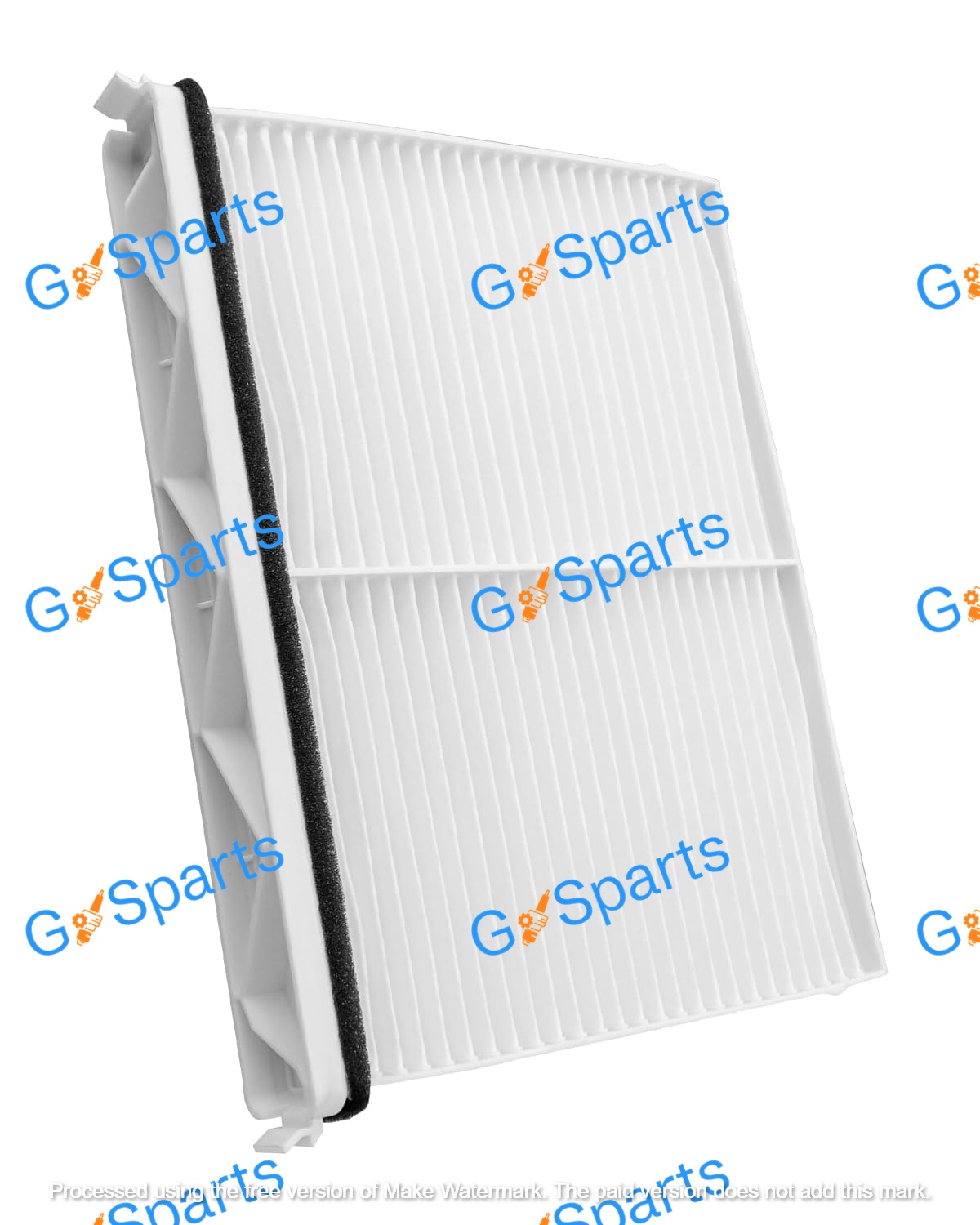
Next-Gen Fresh Air – Ultimate Mazda Cabin Air Filter KR9P-61-J6X for CX-90/CX-70
Mazda Cabin Air Filter KR9P-61-J6X is purpose-built for the latest CX-90 (2024–2025) and CX-70 (2025). Optimized pleat geometry and high-capacity fibers balance particle capture with low pressure drop, helping your dual-zone HVAC deliver steady airflow and rapid defogging. The robust frame resists warp under humidity swings, while tight perimeter seals block bypass dust. Optional activated-carbon media neutralizes exhaust smells and urban VOCs for comfortable family trips. Clear arrows simplify orientation; installation typically takes minutes with basic tools. Replace every 12 months or sooner in high-pollution environments to maintain interior freshness, evaporator cleanliness, and efficient climate control performance.
Did you like this product? Add to favorites now and follow the product.

(+86) 180 07 12 47 38 WhatsApp, Telegram, WeChat
Description
The Mazda Cabin Air Filter KR9P-61-J6X is designed for CX-90 (2024–2025), CX-70 (2025). It features Particulate filter for Mazda’s new large platform models and is available from Mazda Genuine. This filter helps trap dust, pollen, and airborne contaminants while ensuring proper airflow in the HVAC system. Recommended replacement every 12–15 months depending on conditions. Latest filter family, VIN verification advised for first production years.
Overview and Purpose
The Mazda Cabin Air Filter KR9P-61-J6X represents Mazda’s latest cabin filtration specification for vehicles on the new large platform, engineered to stabilize airflow, reduce particulates, and support rapid defogging. Owners moving to larger SUVs often carry more passengers and cargo, raising expectations for interior air quality during urban commutes and long trips. By capturing dust, pollen, and roadway debris, this component improves comfort for allergy-sensitive occupants while protecting HVAC components from premature fouling. The Mazda Cabin Air Filter KR9P-61-J6X also helps keep blower noise predictable by minimizing pressure spikes as media loads, preserving a calm cabin feel. With reliable sealing and pleat geometry, it balances filtration with airflow, making seasonal driving and climate transitions more pleasant.
Fitment, Platforms, and Model Coverage
Mazda Cabin Air Filter KR9P-61-J6X Designed for Mazda’s newest large-platform SUVs, this filter supports the CX-90 (2024–2025) and the CX-70 (2025), with VIN verification recommended for early production runs. Large-platform packaging often revises HVAC duct paths and access panels to improve serviceability and reduce rattles, and this specification reflects those refinements. Owners upgrading from smaller models will appreciate consistent vent output across three rows and quick fog clearance on damp mornings. Because trim and regional equipment can differ, always confirm the housing door shape and airflow arrow orientation before installation.
Why This New Filter Family Matters
Mazda’s shift to a large-SUV platform introduces fresh HVAC targets: steady airflow at higher cabin volumes, quiet operation, and robust sealing to limit bypass under load. The Mazda Cabin Air Filter KR9P-61-J6X aligns with those goals using stable frames, uniform pleat spacing, and adhesives formulated to resist heat cycles. For consumers, that means fewer surprises between seasonal services and predictable defrost performance when temperatures swing. Fleet managers benefit from standardized stocking and clearer cross-garage procedures. The Mazda Cabin Air Filter KR9P-61-J6X also simplifies training for technicians new to the platform, because the access method and orientation cues are consistent. With early-year VIN checks, owners can ensure precise compatibility and longer-term confidence.
Filtration Media and Performance Characteristics
This filter Mazda Cabin Air Filter KR9P-61-J6X is specified as a particulate element tuned for daily contaminants such as dust, pollen, brake wear, and roadway soot. By managing the fine particle load before it reaches the evaporator, it helps maintain dry, clean fins and reduces conditions that lead to musty odors. Media porosity and pleat depth are balanced to keep pressure drop modest as miles accrue, which in turn limits the need for high fan speeds to achieve comfort. For drivers in dense traffic or agricultural corridors, routine inspection will confirm whether earlier replacement is warranted.
Airflow, Pressure Drop, and HVAC Stability
Well-behaved cabin systems rely on predictable resistance across the filter face. The Mazda Cabin Air Filter KR9P-61-J6X supports smooth fan ramps by managing face velocity and minimizing turbulence at the housing door. That shows up as even vent output, fewer whistles at mid-speed, and faster fog clearance when humidity spikes. As particulates accumulate, resistance rises; consistent replacements restore the baseline, reduce blower effort, and stabilize noise. The Mazda Cabin Air Filter KR9P-61-J6X is designed to resist frame deformation that could create gaps, because even small bypass paths undermine filtration. Combined with a clear cowl intake, this approach keeps the evaporator cleaner and extends the time between HVAC sanitization events.
Recommended Replacement Intervals and Scheduling
For most owners, a 12–15-month interval balances comfort, cost, and system protection Mazda Cabin Air Filter KR9P-61-J6X. Shorten that window if your routes include construction zones, unpaved roads, or seasonal wildfire smoke. Keep an eye on symptoms like rising fan settings for the same airflow, persistent fogging, or subtle odors after heavy traffic. Aligning the cabin filter with oil changes or tire rotations reduces downtime and simplifies reminders. Early-platform vehicles benefit from a quick visual check at six months to confirm loading patterns, especially if the SUV frequently carries pets or outdoor gear.
Recognizing Symptoms of a Saturated Element
As media loads, several cues appear: increased fan speed usage for typical comfort, a faint whistling tone at certain settings, slower defogging on damp mornings, and lingering odors after short trips. The Mazda Cabin Air Filter KR9P-61-J6X is tuned for predictable resistance, so deviations are noticeable against the normal baseline. Allergy-sensitive passengers may also report more irritation after drives that previously felt comfortable. When these signs emerge, visually inspect for pleat darkening, leaf fragments, or insect remains at the upstream face. Replacing promptly restores airflow, reduces blower demand, and prevents debris migration toward the evaporator. That timely change also resets noise and pressure behavior for a calmer, cleaner cabin environment.
Tools, Access, and Preparation for DIY Replacement
Most owners can complete this service with minimal tools: a flashlight, a soft cloth, and a gentle vacuum with a brush attachment. Consult the owner’s manual for glove box release points and the HVAC access door location. Before removal Mazda Cabin Air Filter KR9P-61-J6X, take a photo of the filter’s orientation, focusing on airflow arrows and the seating edge. Clear any loose debris to avoid dropping grit into the plenum when the old element comes out. Handle the new filter by its frame rather than the pleats to preserve structure.
Step-By-Step Installation Guidance
Lower the glove box carefully by releasing stops or dampers, then remove the HVAC door to expose the slot. Slide the used filter out slowly, mindful of leaves that might tumble into the housing. Compare dimensions, edge stiffness, and airflow arrow direction before inserting the Mazda Cabin Air Filter KR9P-61-J6X. Seat the new element evenly without compressing pleats, then reinstall the door and return the glove box to its mounts. Test the fan at several speeds, listening for rattles that indicate an unseated panel. With correct orientation, the Mazda Cabin Air Filter KR9P-61-J6X will deliver steady airflow and consistent vent temperatures immediately, signaling a proper seal and restored pressure profile through the HVAC path.
Safety, Cleanliness, and Handling Best Practices
Plastic tabs can be delicate in cold weather; warm the cabin slightly if parts feel brittle . Wear gloves if you’re sensitive to dust, and vacuum the housing lip to capture stray debris before reinstalling the door. Avoid compressed air—it can drive fine particles deeper into the plenum. Dispose of the used filter in a sealed bag to keep contaminants contained. If moisture stains are visible on the old media, inspect cowl drains and windshield seals for blockages or leaks. Keep the workspace tidy; a clean environment prevents grit from scratching interior panels.
VIN Verification and Early Production Nuances
Early years of a new platform can include running changes to clips, access covers, or fine dimensional tolerances. Confirming VIN-based parts mapping ensures you receive the correct housing match and orientation cues. The Mazda Cabin Air Filter KR9P-61-J6X is the targeted specification, but verification avoids surprises with transitional components. During first replacement, note any unique access motion or panel detents to accelerate future services. If you experience panel flex or persistent whistle after installation, recheck door alignment and consult service notes for minor revisions. VIN alignment also helps e-commerce listings stay accurate across trims and regional packages, saving time for both do-it-yourself owners and professional technicians handling multiple vehicles.
Buying Online and Evaluating Product Listings
When shopping Mazda Cabin Air Filter KR9P-61-J6X, look for crisp product images that clearly show pleat density, frame rigidity, and airflow arrows. Accurate fitment tables should list CX-90 and CX-70 coverage, with guidance to verify VIN for early builds. Packaging quality hints at manufacturing care; intact seals and square edges reduce the risk of warp during transit. Read customer Q&A for confirmation on borderline model months. If the listing appears vague or merges unrelated part numbers, seek a clearer source. Store the new element flat at room temperature until installation.
Dealer Supply, Availability, and Timing Considerations
Because this specification supports the newest SUV family, dealer channels may see periodic demand spikes around seasonal maintenance. Ordering slightly ahead of spring pollen surges or winter fog season reduces the chance of delays. The Mazda Cabin Air Filter KR9P-61-J6X remains the baseline callout, and working with an authorized counter helps confirm any packaging updates. If the vehicle is fresh from delivery, a quick inspection can reveal how local conditions are loading the media. Keeping one spare on hand is sensible for high-mileage or rideshare use. Communicating service cadence with your shop ensures predictable comfort and avoids rush appointments when weather or travel plans change unexpectedly.
Climate Strategy and Seasonal Adaptation
Your environment determines how quickly the element loads and how often the cabin relies on rapid defogging. Pre-spring replacements can blunt allergy peaks, while pre-winter changes improve moisture control when temperatures drop. Coastal humidity encourages biofilm if airflow is restricted; fresh media helps keep evaporator fins dry. After dusty road trips, a quick visual check can prevent grit from embedding in the housing lip. Urban heat islands elevate ozone and odor intensity; consistent replacements limit cabin persistence of traffic smells. By aligning service with your calendar and routes, you’ll maintain the HVAC system’s designed pressure behavior and minimize fan speed escalation during daily commutes or weekend travel.
Health, Comfort, and Allergen Management
Clean cabin air benefits everyone, especially children, seniors, and passengers with respiratory sensitivity. A fresh filter maintains stable airflow at lower fan settings, reducing noise and helping conversations or music feel more relaxed. Vacuuming mats and seats periodically keeps tracked-in dust from recirculating, complementing the filter’s upstream capture. Using fresh-air mode briefly after starting helps purge stale air, particularly after the vehicle sat in a garage. Parking away from heavy vegetation limits sudden pollen loads into the cowl intake. With these habits, occupants experience fewer irritants during peak seasons, and long trips remain comfortable even when weather shifts quickly between humidity, rain, and bright sun.
Construction Quality and What to Inspect on Arrival
Before installation, examine the frame for warp and the pleats for symmetry; uniform spacing promotes even face velocity and quieter operation. Press the gasket lightly to confirm it compresses without buckling—continuous contact is essential to avoid bypass paths. If fibers shed excessively when handled, the bond may be weak and prone to early deformation. Clear airflow arrows simplify orientation in tight spaces, where second-guessing causes unnecessary handling of the media. Confirm the housing door latch engages fully when closed; a half-latched panel can whistle at specific fan speeds. A methodical inspection at the bench saves time inside the vehicle and ensures a calm, consistent airflow once the engine is running.
Troubleshooting After a Fresh Install
If airflow still feels muted, first confirm the arrows match the original direction and that the filter seated evenly at all edges. The Mazda Cabin Air Filter KR9P-61-J6X depends on correct placement to maintain design resistance, and a corner lifted by debris can change the pressure profile. Persistent odors may indicate evaporator biofilm; consider an approved cleaner and run fresh-air mode briefly to purge residues. If a rattle appears only at certain speeds, inspect the housing door tabs for full engagement. For intermittent fogging, check recirculation actuation and verify that cowl drains are clear. Addressing these small variables restores comfort quickly and reduces unnecessary returns or shop visits.
Warranty, Service Records, and Owner Confidence
While cabin filters are considered wear items, consistent replacement supports HVAC reliability and reinforces warranty expectations around blower health and evaporator cleanliness. Documenting dates and mileage helps reveal patterns in loading related to route changes or seasonal exposures. Keep receipts or app logs for each service; when selling the SUV, this small paper trail signals attentive ownership to buyers. If a technical bulletin appears relating to access doors or noise at specific fan steps, addressing it alongside a routine filter change can resolve multiple concerns in one visit. Overall, this simple component delivers outsized benefits when combined with organized, transparent maintenance habits.
Fleet, Rideshare, and High-Mileage Use Cases
Vehicles covering many kilometers weekly benefit from standardized intervals and a shared spare inventory. The Mazda Cabin Air Filter KR9P-61-J6X installs quickly, making it a low-downtime preventive measure that keeps customer cabins welcoming. Establish inspection checkpoints tied to odometer thresholds and seasonal triggers, then document observations about odor, fogging speed, and fan behavior. For mixed-duty fleets operating near construction or port areas, shorten intervals slightly and add cowl cleanouts to routine tasks. Training drivers to report airflow changes or new noises helps catch issues before peak travel periods. With small, consistent actions, fleets preserve HVAC performance and reduce complaints without significant scheduling complexity.
Environmental Handling and Responsible Disposal
The filter accumulates what would otherwise circulate inside the vehicle, so treat it as a captured-contaminant item. When removed, place it directly into a sealable bag to prevent dust release in the cabin or garage. Avoid shaking or compressed air, which can disperse fine particles. If local waste programs accommodate automotive components, inquire about appropriate drop-off options. Combining cabin filter service with other maintenance reduces packaging waste and consolidates trips to parts counters or workshops. Maintaining a tidy workspace during replacement helps protect interior surfaces from scuffs and keeps the experience quick and repeatable. Thoughtful end-of-life steps complement the comfort benefits delivered on every drive.
Platform Evolution and Future Compatibility Awareness
As Mazda refines large-platform models, small changes to HVAC doors, tabs, or insulation treatments may appear. The Mazda Cabin Air Filter KR9P-61-J6X remains the guiding specification, but checking supersession notes protects against unexpected fit issues. Technicians should record any unusual access motions or clip sensitivities to inform the next service. If component suppliers update adhesive formulations or gasket profiles, reputable channels will reflect those revisions. Staying attentive to these incremental improvements keeps installations smooth and noise-free while preserving the designed pressure curve. Early adopters who track part evolution help the broader owner community with accurate, practical guidance rooted in real-world service experience.
Quality Benchmarks and Practical Acceptance Criteria
Good cabin filters share common metrics: stable pressure drop across the service interval, reliable particulate capture, and mechanical integrity under thermal cycles. The Mazda Cabin Air Filter KR9P-61-J6X targets those outcomes with rigid frames and consistent pleat geometry that resist collapse. For the installer, acceptance is practical: no edge gaps after seating, quiet operation across fan steps, and immediate restoration of vent vigor. If a listing includes lab data or pressure curves, consider those a bonus; otherwise, rely on packaging quality, clear markings, and brand reputation. When these cues line up, owners can expect calm, odor-free drives and predictable defogging performance over months of varied weather.
Inventory Strategy and E-Commerce Team Considerations
Retailers and parts managers can reduce returns by maintaining accurate fitment tables keyed to VIN ranges and calling out platform notes prominently. Clear photos of the airflow arrows and door side help DIY buyers insert the element correctly on the first attempt. For seasonal promotions, bundling the cabin filter with wiper blades or interior cleaners provides a complete comfort package. Keeping buffer stock ahead of pollen and winter seasons meets predictable spikes in demand. Customer feedback loops—short, structured forms after purchase—surface edge cases early, allowing listings to be refined with real-world clarifications that serve the entire owner base with minimal friction.
Owner Habits That Amplify Filter Benefits
A few habits magnify the impact of a fresh element: purge with outside air briefly after startup, toggle recirculation only in heavy traffic or tunnels, and park away from dense vegetation when possible. Vacuuming carpets regularly prevents tracked-in dust from becoming airborne under fan flow. After beach visits or gravel roads, glance at the cowl intake for sand and leaves. Teach new drivers in the household to recognize early signs of loading, such as higher fan settings or mild vent whistles. These small, repeatable actions keep the HVAC path clean, protect the evaporator from debris, and prolong the period of quiet, steady airflow you expect every day.
Service Bay vs. Driveway: Choosing the Best Path
Most owners will find this service approachable at home, but professional bays add value when access panels feel delicate or when odors persist after replacement. Shops can pair the job with evaporator cleaning, drain checks, and recirculation actuation tests to resolve deeper causes. For new-platform SUVs, a technician already familiar with panel flex points can prevent clip damage and ensure a rattle-free result. If time is tight before a road trip or seasonal change, scheduling with a dealer or trusted independent shop provides a predictable outcome. Whichever path you choose, aim for correct orientation, a clean housing, and a quick post-install airflow test to validate success.
Final Takeaways for Confident Ownership
Keeping cabin air fresh is a high-impact, low-effort routine. Confirm fitment with VIN for early years, replace on a cadence tuned to your climate, and handle the element carefully to preserve pleat structure and sealing. The Mazda Cabin Air Filter KR9P-61-J6X supports quiet, stable airflow, rapid defogging, and a comfortable environment for families, commuters, and road-trip crews alike. Document service dates, pair changes with other maintenance, and escalate to professional cleaning if odors linger. By combining quality parts, mindful installation, and seasonal awareness, you’ll protect HVAC components and enjoy a consistently calm, clean interior through every kilometer and every season.
Authoritative External References
- ASTM International — Materials & testing frameworks
- World Steel Association — Industry & sustainability
- Stainless steel – Wikipedia — Metallurgy overview
- SAE International — Braking standards & technical papers
- NHTSA — Brake system safety & regulations
Helpful Internal Links
Related products

Genuine Toyota Front Brake Pad Kit 04465-0E010 – Highlander (2010–2019) / Sienna (2011–2020) | Quiet Confidence, OE Fit, Long-Life Value
Original price was: $88.00.$75.00Current price is: $75.00.


Recently Viewed Products



G-SPARTS – Leading Auto Parts Supplier Since 2009
Trusted by 1000+ Clients Worldwide | Chinese (BYD, Geely, Chery, …), Japanese (Toyota, Honda, Nissan, …), European (BMW, Mercedes, VW, …) & American (Ford, Chevrolet, Tesla, …) Car Spares | Best Prices & OEM Quality | 15+ Years Expertise | Professional Team, Fast Global Shipping
Copyright 2025 © G-Sparts All Rights Reserved. | Premium Chinese Auto Parts Supplier – Worldwide Shipping | Best Prices on OEM & Aftermarket Spares

Reviews
There are no reviews yet.