
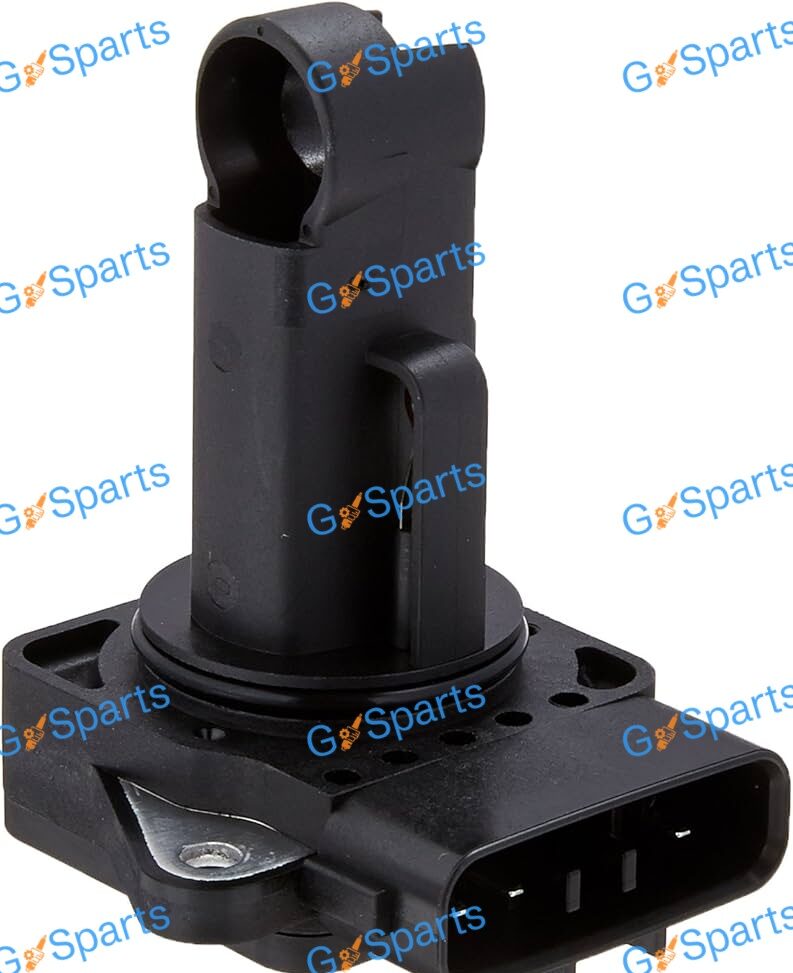
Genuine Mazda MAF Sensor L321-13-215 – Mazda 3 (2014–2018), Mazda 6 (2014–2017), CX-5 (2013–2016), CX-9 (2016–2018)
MAF Sensor for Mazda 3 (2014–2018), Mazda 6 (2014–2017), CX-5 (2013–2016), CX-9 (2016–2018). OEM L321-13-215 with 5-pin connector, hot-wire type for precise airflow measurement.
Did you like this product? Add to favorites now and follow the product.

(+86) 180 07 12 47 38 WhatsApp, Telegram, WeChat
Description
Restore optimal fueling and throttle response on your Mazda 3 (2014–2018), Mazda 6 (2014–2017), CX-5 (2013–2016), CX-9 (2016–2018) with this OEM‑equivalent Mass Air Flow (MAF) sensor (Part L321-13-215). The 5-pin connector, hot-wire type hot‑wire element reports accurate intake airflow so the ECU can maintain correct fuel trims, improve idle quality, and reduce emissions. Trusted aftermarket coverage includes Denso, Bosch, OCPTY, A-Premium. Commonly found in these models; verify fitment before purchase. Always confirm by VIN, connector type, and pin configuration before ordering.
Precision Airflow for Modern Mazda Engines
Accurate air-mass measurement is the quiet foundation of drivability, efficiency, and emissions control. When the intake stream is metered correctly, spark, fuel, and throttle strategies align, delivering steady idle, clean cold starts, and confident mid-range pull without flat spots. A drifting or contaminated meter pushes trims into correction, masking the real issue with symptoms that seem unrelated—from sloppy shifts to sulfur smells. Replacing a compromised unit with a calibration-faithful part restores the baseline your ECU expects and protects catalysts from over-rich events. For owners and techs alike, the fastest route back to “new car” manners is installing Mazda MAF Sensor L321-13-215 and validating the result with simple live-data checks after a short relearn drive.
Fitment Certainty That Prevents Repeat Work
Before ordering, match engine code, model year span, and intake layout, then compare connector keying, mounting tabs, and housing orientation to what’s on the vehicle. Small geometry differences change the element’s relationship to airflow and can corrupt readings even if the plug fits. Trace the harness path to confirm grommet positions and clip alignment so the loom won’t stretch at full lock or rebound. Inspect the airbox lid and seals to ensure a square seat that prevents unmetered leaks. When each of these details aligns, Mazda MAF Sensor L321-13-215 drops in without shims or improvisation, preserving the designed flow window and the clean signal your controller needs.
Early Symptoms That Point to Air-Metering Faults
Warning lamps often arrive late; subtle tells show up first. Drivers notice wavering idle after warmup, hesitant tip-in leaving lights, or unexpected downshifts on mild grades. Fuel economy swings, exhaust soot, or a raw-fuel smell at cold start can follow. On scan tools, long-term trims creep high as the ECU compensates for skewed airflow, and calculated load wobbles during steady cruise. These are classic breadcrumbs that lead to the intake tract. Restoring the baseline with Mazda MAF Sensor L321-13-215 centers trims, steadies load, and turns those scattered complaints into a single solved problem rather than a guessing game across unrelated systems.
How Hot-Wire Mass Sensing Translates Flow into Fueling
A hot-wire bridge maintains a precise temperature delta above the incoming air stream. As mass flow rises, cooling increases, current climbs to hold the setpoint, and electronics convert that change into a voltage or frequency the ECU interprets in grams per second. Placement in the duct, protective grids, and transfer-function calibration all shape accuracy. When those elements align, fueling lands on target, torque modeling stays honest, and emissions hardware remains happy. Swapping in Mazda MAF Sensor L321-13-215 preserves the geometry and response curve your ECU tables were built around, ensuring the airflow number you see on screen reflects the reality inside the snorkel.
Diagnose with Data, Not Guesswork
Efficient workflows start by documenting baselines. At hot idle with accessories off, note airflow and calculated load; then record values during steady cruise and a gentle decel to a near-stop. Healthy systems show repeatable numbers and crisp response to small throttle nudges. If trims are elevated or oscillate, smoke-test the intake for unmetered leaks and inspect wiring integrity before condemning the meter. When evidence points to the sensor, install Mazda MAF Sensor L321-13-215 and repeat the same captures. Seeing trims pull toward zero and load stabilize confirms you fixed the root cause rather than masking symptoms with unrelated parts.
Preparation and Cleanliness Set the Stage
Good outcomes are born from tidy habits. Park on level ground, let the bay cool, and gather a torque wrench, correct sockets, and a lint-free cloth. Keep the new unit sealed until the intake path is clean. Resist blasting debris toward connectors; instead, brush and vacuum. Inspect couplers for hairline cracks, check clamps for roundness, and replace a tired panel filter that might shed fibers into the sensing window. With the workspace organized and components ready, Mazda MAF Sensor L321-13-215 installs smoothly the first time, avoiding contamination that could skew early readings and complicate your validation drive.
Removal Tips That Protect Surrounding Hardware
Loosen clamps evenly to avoid distorting plastic necks, then unlock the harness by pressing the tab—never yank the wire. Rock the old meter gently to free any stuck gasket and cover the open duct to keep grit out. Transfer O-rings only if the replacement does not include new seals, and inspect the airbox lid for warpage that could admit unmetered air later. A measured approach prevents cracked housings, bent pins, or lost screws inside the snorkel. With the space prepared, Mazda MAF Sensor L321-13-215 can be seated squarely and secured without fighting tired hardware or misaligned couplers.
Installation Best Practices for Immediate Stability
Orient the airflow arrow toward the throttle body, seat the duct fully, and tighten clamps snug—not crushing. Verify the connector clicks positively, then route the loom away from sharp edges and heat sources. Refit resonators and covers that damp turbulence; removing them often creates swirl that can pollute the reading at low flow. A final visual sweep catches pinched gaskets and crooked couplers before they become ghost leaks. Done right, Mazda MAF Sensor L321-13-215 produces a strong, low-noise signal from the first start, and your short validation route will feel refreshingly uneventful—in the best way.
Helping the ECU Relearn Quickly and Cleanly
Controllers adapt over time, so a brief routine accelerates harmony. After install, allow the engine to reach operating temperature, then complete a calm loop: a few minutes of steady 40–60 km/h cruise, several gentle accelerations, and a couple of smooth decels to near-stop. Avoid heavy loads during this phase and keep accessories consistent. Clear stored trims if your platform allows to speed convergence. With clean intake plumbing and Mazda MAF Sensor L321-13-215 feeding solid numbers, trims settle near center and throttle transitions regain that factory-fresh feel without surging, hunting, or awkward gear changes.
Real-World Payoff in Power, MPG, and Emissions Health
When the airflow baseline is right, everything downstream benefits. Spark targets hold steady, torque requests translate faithfully, and fuel injectors deliver precisely what the tables expect. Drivers feel crisper launch, fewer downshifts on small hills, and a calmer idle even with A/C demand. Over months, catalysts live cooler, oxygen sensors age more gracefully, and oil contamination slows. Those compounding wins come from a small, accurate signal at the start of the chain—the one delivered by Mazda MAF Sensor L321-13-215 once it’s seated in a sealed, well-maintained intake.
Built to Last in a Hot, Vibrating Neighborhood
Under-hood life is hard: heat cycles, engine rock, and moisture challenge every joint. Dimensional stability in the housing keeps the bridge where the duct design expects it; conformal coatings shield electronics; and robust soldering resists micro-cracks from vibration. Protective grids temper pulses without adding measurable restriction, and quality control guards the transfer curve you rely on. That’s why many technicians favor Mazda MAF Sensor L321-13-215 when they need calibration fidelity that doesn’t drift a week after install—consistency that shows up as stable trims and a conspicuous lack of callbacks.
Why OE-Faithful Calibration Beats Bargain Shortcuts
A connector match can hide a calibration mismatch. Cheap meters may look right yet output a soft, noisy curve that forces the ECU to chase corrections, leaving you with a drive feel that never quite settles. That “almost fixed” sensation wastes time and money. Choosing Mazda MAF Sensor L321-13-215 aligns the sensor’s transfer function with the strategy in your ECM, preserving the drivability the platform was tuned to deliver. It’s the difference between chasing ghosts and handing the keys back with confidence after a single validation drive.
Avoiding Catalog Confusion and Misorders
Supersessions, regional variants, and similar housings can trip up even seasoned buyers. Anchor your choice with the VIN, confirm the airbox interface and bolt pattern, and check the harness clocking. When listings claim interchange without calibration notes, ask for documentation. A few minutes of diligence prevents hours of rework chasing trims that refuse to settle. When the spec points to it, Mazda MAF Sensor L321-13-215 is the clear, low-risk answer—precise fit, predictable output, and no need for creative fixes that only mask underlying mismatches.
Counterfeit Clues and Smarter Purchasing
Cloned electronics cut corners on the sensing bridge, potting, and internal references. Telltales include fuzzy box print, inconsistent fonts, flimsy trays, or residue on the element window. Inspect pins for scratches indicating prior use and reject any unit with bent terminals. Buy from sellers who publish real connector photos, provide traceable invoices, and stand behind returns. Sourcing with care and installing Mazda MAF Sensor L321-13-215 once beats buying twice and diagnosing thrice—especially when you’re protecting weekend time or bay throughput.
Keep the Intake Airtight and Clean for the Long Haul
Even the best meter can’t overcome turbulence and leaks. Replace filters on schedule—sooner in dusty conditions—and ensure the airbox lid seals uniformly around its perimeter. Verify couplers aren’t brittle, clamps sit square, and PCV lines aren’t collapsed. If you run an oiled performance element, apply oil precisely and let it cure fully so mist doesn’t coat the bridge. These small habits allow Mazda MAF Sensor L321-13-215 to keep reporting honestly, so the ECU can stay focused on driving, not on fighting preventable contamination.
If a Light Comes Back, Work the Checklist
Don’t panic if a warning returns after installation. Start with the basics: clamp positions, lid seating, and harness routing near brackets that may pinch under load. Compare live data to your pre-install baseline: are trims improved, and is calculated load steadier? Smoke-test for leaks and verify there’s no exhaust leak ahead of the first oxygen sensor. Most “returns” trace to environment rather than electronics. When the intake is truly sealed and Mazda MAF Sensor L321-13-215 is connected cleanly, nuisance codes fade as the controller adapts.
Reading Live Data Like a Pro
Healthy systems show stable airflow and load at hot idle, crisp rises on snap throttle, and smooth returns without overshoot. During steady cruise, grams-per-second should correlate tightly with RPM and throttle angle; jitter indicates turbulence, electrical noise, or leaks. Use short logs over known routes so you can compare apples to apples after changes. Establishing these baselines following the installation of Mazda MAF Sensor L321-13-215 lets you spot subtle deviations months later before they blossom into drivability complaints.
Mod Planning Without the Drama
Aftermarket intakes can perform when shaped around the factory transfer curve; they can also introduce swirl and heat soak that confuse measurement. If you’ve changed duct diameter or length, expect recalibration to keep inferred load honest. Begin with a sound foundation: sealed plumbing, fresh filter, and Mazda MAF Sensor L321-13-215 providing clean data. Many builds see better real-world results from a high-flow panel in a stock box plus heat shielding, striking a balance between flow, temperature control, and signal stability.
Weather, Altitude, and Fuel Quality in Daily Life
Density shifts with temperature and pressure, and humidity can fog transient response if the intake recirculates heat. Keep splash shields intact to stabilize inlet conditions and inspect cowl seals that resist hot-bay ingestion at low speeds. Fuel volatility inconsistencies can exaggerate stumble that gets unfairly blamed on sensors. With the environment under control and Mazda MAF Sensor L321-13-215 delivering steady airflow data, the ECU’s adaptive logic does its best work smoothing seasonal swings you feel from autumn drizzle to summer traffic jams.
Warranty, Documentation, and Support That Matter
Great parts come with clear policies and reachable humans. Save your invoice, jot torque values, and snap before/after data screenshots. If questions arise, organized notes separate installation environment issues from component concerns and speed resolution. Vendors who publish relearn steps and troubleshooting trees help you succeed on the first try. Paired with that support, Mazda MAF Sensor L321-13-215 becomes an easy recommendation for shops protecting their reputation and drivers guarding their time.
Fleet and Shop Wins from Standardization
Repeatable results keep bays moving. Stocking trusted sensors for common Mazda platforms simplifies training and shortens cycle time. Build a checklist: inspect ducts, clean seats, install precisely, validate with a short route, and file a data snapshot. Patterns emerge quickly, helping new techs deliver veteran outcomes. In that framework, Mazda MAF Sensor L321-13-215 is the reliable constant that turns potential comebacks into quiet confidence across vehicles and seasons.
The Value Equation Beyond Sticker Price
The lowest box cost can inflate the total bill when drivability remains “almost right.” Consider technician hours, customer anxiety, wasted fuel, and catalyst stress from rich operation. A faithful curve and durable build reduce those hidden costs. Installing Mazda MAF Sensor L321-13-215 stabilizes trims and restores smoothness, which adds up to fewer returns and happier miles—savings you feel long after the receipt fades.
Packaging, Storage, and Handling Best Practices
Sensitive electronics deserve care. Look for protective caps over the element window, sealed bags free of lint, and inserts that immobilize the housing. Store away from grinding or drilling that throws metallic dust, and open the package only when the intake path is clean and ready. With sensible handling and Mazda MAF Sensor L321-13-215 in hand, you eliminate contamination as a variable and make your validation drive about results, not excuses.
Myths to Retire for Better Outcomes
Cleaning a drifting element rarely re-calibrates it; at best you buy time. Matching plugs don’t guarantee the same transfer function. Unplug-tests invoke limp strategies that mislead diagnosis. And while adaptives help, they cannot indefinitely correct a skewed baseline. What works is method: verify the environment, install the correct part, validate with data. Following that path with Mazda MAF Sensor L321-13-215 turns folklore into repeatable wins you can stand behind.
Road-Test Protocol That Proves the Fix
Structure beats vibes. Start with idle stabilization, then a gentle neighborhood loop watching airflow and trims, followed by a controlled 60–0 decel to assess transient fueling, and a short highway cruise. No fresh faults, steady trims, and crisp response are your green lights. When those boxes tick, Mazda MAF Sensor L321-13-215 has done its job—and you’ve documented a result that’s easy to explain to any stakeholder.
Coaching Drivers for Long-Term Success
A two-minute briefing at hand-off pays dividends. Explain how keeping the airbox sealed, replacing filters on schedule, and avoiding over-oiled elements protects the new meter. Encourage early reporting of any renewed stumble or idle hunt. That partnership keeps the intake clean and lets Mazda MAF Sensor L321-13-215 continue feeding trustworthy data—felt as a car that simply behaves, rain or shine.
Shop Playbook: Scaling Quality Across the Team
Turn good habits into a checklist your whole crew uses: inspect, clean, install, validate, document. Maintain a library of “known-good” logs by platform. Celebrate saves where a reseated clamp or replaced grommet prevented a comeback. With culture and process aligned, Mazda MAF Sensor L321-13-215 becomes the anchor of an airflow workflow that customers notice only because there’s nothing left to notice.
Enthusiast Baselines for Future Tuning
If power adders or intake experiments are on the horizon, start from a rock-solid reference. Log airflow versus throttle and RPM over your favorite route, lock in knock margins, and ensure trims are calm. With Mazda MAF Sensor L321-13-215 establishing clean data, you can measure gains honestly and spot trade-offs quickly instead of guessing through noise.
Troubleshooting Edge Cases with Correlated Signals
When the car “feels off” but numbers look okay, correlate airflow with throttle position, manifold pressure, and fuel trims over identical timestamps. Check grounds and battery health; low supply voltage can distort references. Inspect for upstream exhaust leaks that confuse oxygen feedback. With these variables controlled, Mazda MAF Sensor L321-13-215 gives you the clarity to isolate the last percent without swapping a basket of parts.
A Confident Conclusion and Next Steps
Air-mass accuracy is the linchpin of smooth power, clean emissions, and consistent fuel economy. Replacing a drifting meter restores that foundation and lets every subsystem do its work with quiet confidence. Choose a calibration-faithful component, install it methodically, and validate with a short, structured drive. When Mazda MAF Sensor L321-13-215 is seated in a sealed intake and supported by simple maintenance, you get exactly what you hoped for: steady idle, eager response, and a dashboard that stays blissfully uneventful mile after mile.
External Links (MAF Sensor Education & References)
Internal Links (Keep Users on G-Sparts)
Related products



G-SPARTS – Leading Auto Parts Supplier Since 2009
Trusted by 1000+ Clients Worldwide | Chinese (BYD, Geely, Chery, …), Japanese (Toyota, Honda, Nissan, …), European (BMW, Mercedes, VW, …) & American (Ford, Chevrolet, Tesla, …) Car Spares | Best Prices & OEM Quality | 15+ Years Expertise | Professional Team, Fast Global Shipping
Copyright 2025 © G-Sparts All Rights Reserved. | Premium Chinese Auto Parts Supplier – Worldwide Shipping | Best Prices on OEM & Aftermarket Spares

Reviews
There are no reviews yet.