
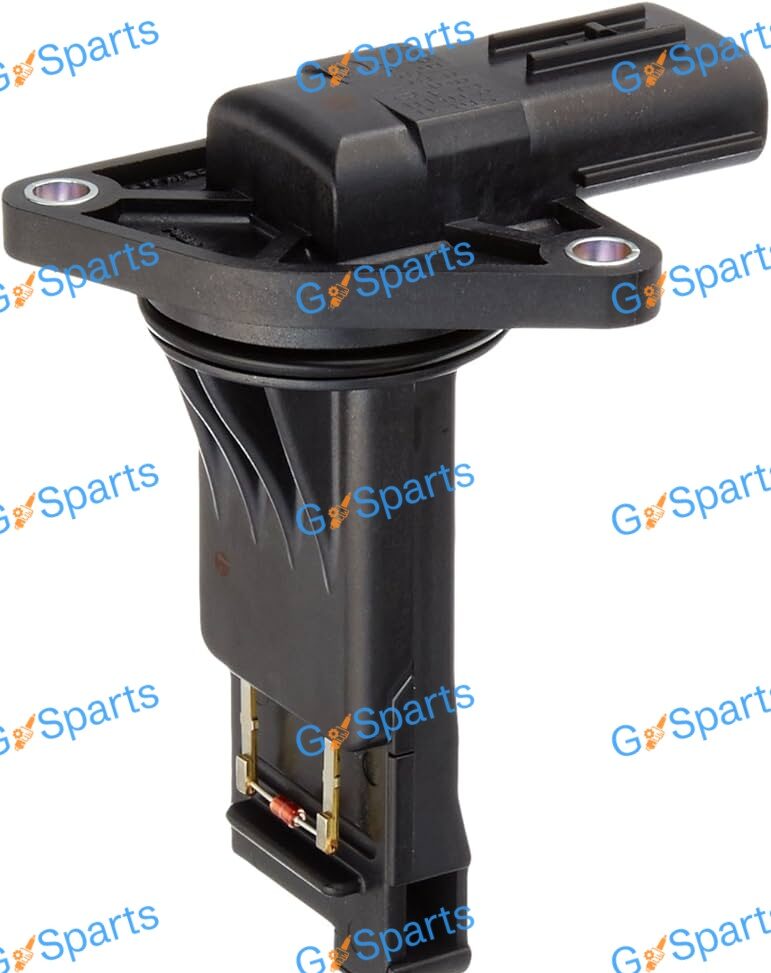
Unleash Smooth Power & Efficiency with Genuine Mazda MAF Sensor PE01-13-215 – Mazda 3 (2012–2018), Mazda 6 (2014–2017), CX-5 (2013–2014), CX-9 (2016–2018)
MAF Sensor for Mazda 3 (2012–2018), Mazda 6 (2014–2017), CX-5 (2013–2014), CX-9 (2016–2018). OEM PE01-13-215 with 5-pin connector, hot-wire type for precise airflow measurement.
Did you like this product? Add to favorites now and follow the product.

(+86) 180 07 12 47 38 WhatsApp, Telegram, WeChat
Description
Restore optimal fueling and throttle response on your Mazda 3 (2012–2018), Mazda 6 (2014–2017), CX-5 (2013–2014), CX-9 (2016–2018) with this OEM‑equivalent Mass Air Flow (MAF) sensor (Part PE01-13-215). The 5-pin connector, hot-wire type hot‑wire element reports accurate intake airflow so the ECU can maintain correct fuel trims, improve idle quality, and reduce emissions. Trusted aftermarket coverage includes Denso, Bosch, OCPTY, A-Premium. Widely used across various Mazda models; ensure compatibility with your specific vehicle. Always confirm by VIN, connector type, and pin configuration before ordering.
Precision Airflow, Confident Driving: Why Accurate Metering Matters
Modern Mazda engines rely on precise air-mass measurement so the ECU can command the exact fuel quantity, timing, and throttle strategy for every situation. When the intake stream is measured correctly, idle becomes steady, cold starts feel clean, and mid-range torque arrives without hesitation. If you’ve noticed sulfur smells, flat spots, or an illuminated check engine indicator tied to mixture codes, the airflow baseline is often the culprit. Restoring correct metering re-centers fuel trims and protects catalytic converters from rich events. That’s the practical value of choosing Mazda MAF Sensor PE01-13-215 for a faithful return to factory behavior. With Mazda MAF Sensor PE01-13-215 in place, the ECU can stop guessing and start optimizing every combustion cycle again.
Fitment Confidence for the Right Car, Every Time
Getting the right meter begins with smart identification: confirm model year span, engine code, and intake layout, then compare connector shape, pin count, and housing orientation to what’s on your vehicle. Even small geometry differences can disturb the sensing element’s position in the duct, creating turbulence that corrupts readings. Inspect the airbox lid, gasket, and resonator so the new unit seats exactly as designed and the wiring harness isn’t stretched across suspension movement. A correct mechanical match avoids repeat diagnostics caused by false air or misrouted looms and lets Mazda MAF Sensor PE01-13-215 deliver the crisp signal the ECU expects from the first key cycle after installation.
Recognizing Trouble Before It Escalates
Air metering issues can feel like unrelated problems: rough idle after warmup, inconsistent throttle tip-in, odd transmission shift timing, or a sudden hit to fuel economy. Some drivers smell fuel on cold starts or see soot at the tailpipe. On scan tools, long-term trims creep high as the ECU compensates for skewed airflow. Left unresolved, these symptoms can age oxygen sensors prematurely and overload catalysts. A healthy intake, sealed couplers, and a clean element restore calm quickly. When you replace a compromised unit with Mazda MAF Sensor PE01-13-215, you give the controller a trustworthy baseline, which often clears nuisance drivability complaints without chasing a dozen other parts.
Inside the Tech: How Hot-Wire Mass Sensing Works
The sensing bridge holds a heated element at a fixed temperature above incoming air. As mass flow increases, the element cools more rapidly, and the circuit draws additional current to maintain the set offset. That current is translated into a voltage or frequency the ECU interprets as grams per second. Accuracy depends on stable electronics, correct element placement, and a duct that keeps airflow laminar across the sensor window. The ECU blends this data with intake temperature to correct for density, then calculates fueling in real time. A well-designed replacement such as Mazda MAF Sensor PE01-13-215 preserves the geometry and response curve the software is tuned around for consistent results.
Data-Driven Diagnosis That Avoids Guesswork
Evidence beats parts darts. Before replacing components, review short- and long-term trims, observe airflow at hot idle with accessories off, and compare load values during steady cruise. Healthy readings are repeatable and respond instantly to throttle changes. If trims are skewed, smoke-test the intake for unmetered leaks, verify filter condition, and examine wiring integrity. When tests suggest a degraded meter, installing Mazda MAF Sensor PE01-13-215 reestablishes a known-good reference for trims and load. After the swap, repeat your data capture; you should see trims pull toward center and calculated load stabilize. That closed-loop confirmation is your proof that Mazda MAF Sensor PE01-13-215 solved the root cause rather than masking symptoms.
Preparation and Safety: Setting Up for Success
Good outcomes start before the first bolt turns. Park on level ground, allow the engine bay to cool, and gather a torque wrench, appropriate sockets, and non-residue electronics cleaner. Disconnect the battery only if your service information specifies it, and protect open ducts from debris while the meter is out. Avoid touching the sensing film and never spray cleaners through a new unit. Inspect the airbox seal, snorkel couplers, and clamps; replace any that are brittle or cracked to prevent unmetered air. With the work area tidy and parts staged, installing Mazda MAF Sensor PE01-13-215 becomes a predictable, clean process that delivers a perfect first-start result.
Installation Best Practices: Orientation, Sealing, and Final Checks
Loosen clamps evenly, remove the old meter carefully, and transfer seals if the new unit does not include them. Align the airflow arrow toward the throttle body, seat the duct fully, and tighten clamps until snug without distorting plastic necks. Route the wiring away from sharp edges, and listen for the connector’s positive click to confirm lock engagement. A final visual sweep helps catch crooked couplers or a pinched loom that could introduce intermittent faults later. With these basics handled, Mazda MAF Sensor PE01-13-215 will sit squarely in laminar flow and generate a strong, low-noise signal that the ECU can trust across idle, cruise, and acceleration.
ECU Relearn: Helping the Controller Embrace Fresh Data
Many control strategies adapt gradually, so clearing trims and performing a brief, structured drive helps the ECU resynchronize. After fitting the new meter, allow the engine to reach operating temperature, then cycle through a pattern that includes steady idle, light cruise, and gentle accelerations. Keep the intake sealed and the air filter fresh to prevent new variables from contaminating the process. Within a short adaptation window, you should feel smoother tip-in and more consistent mid-range torque as trims settle. By giving the controller clean, stable airflow numbers from Mazda MAF Sensor PE01-13-215, you accelerate relearn and reduce the chance of spurious mixture codes reappearing.
Real-World Payoff: Power, MPG, and Emissions Health
When airflow data is right, the ECU can run ignition timing closer to optimal, manage torque requests accurately, and keep catalytic converters in their happy temperature range. Drivers feel the difference as crisper response leaving lights, fewer downshifts on mild hills, and quieter idle at stoplights with the A/C on. Over time, fuel economy stabilizes, oil stays cleaner, and emissions equipment enjoys a less stressful life. Installing Mazda MAF Sensor PE01-13-215 restores the foundation for this harmony. Because Mazda MAF Sensor PE01-13-215 returns air-mass measurement to factory intent, the entire feedback loop—from oxygen sensors to adaptive learning—works as a cohesive system again.
Built to Last: Materials, Coatings, and Calibration Stability
Under-hood temperatures fluctuate wildly, and vibration never stops. Durable housings prevent warping that could skew the element’s position, while conformal coatings shield sensitive circuitry from moisture. Precision soldering resists thermal cycling, and protective grids temper turbulence without adding restriction. Quality control ensures each unit’s response curve stays within tight tolerances so your engine sees consistent data day after day. Reliability here isn’t about marketing claims; it’s about the kind of stability that keeps trims composed and drivability predictable over the long haul. That’s why many technicians favor Mazda MAF Sensor PE01-13-215 when they want repeatable results rather than surprises a week after delivery.
Choosing Wisely: OEM Philosophy vs. Bargain Shortcuts
The cheapest part in the catalog can cost the most in time. Low-grade meters may share a connector but drift in calibration, creating nagging drivability issues that masquerade as other faults. An OE-faithful curve maps to the ECU’s internal tables so fueling decisions land where the engineers intended—no hacks, no band-aids. Shop owners prefer predictability, and drivers prefer a car that simply behaves. Selecting Mazda MAF Sensor PE01-13-215 aligns with that approach, providing plug-and-drive confidence instead of trial-and-error tuning to compensate for soft edges or unstable signals that cheap imitations often deliver.
Part Number Clarity: Avoiding Catalog Confusion and Misfits
Catalogs can be messy, with superseded numbers, market-specific packaging, and look-alike housings that do not share calibrations. Always verify the part code against the VIN and confirm housing geometry, seal type, and connector keying. If you see listings that claim interchange without data, treat them skeptically and ask for dimensional drawings or calibration notes. A few minutes of verification can prevent hours of rework chasing trims that just won’t settle. When the application calls for it, Mazda MAF Sensor PE01-13-215 gives you the peace of mind that the code on the box matches the strategy embedded in your ECU.
Avoiding Counterfeits: Buy Smart, Install Once
Counterfeit electronics can mimic the look but skimp on the sensing bridge, potting, and internal references. Clues include fuzzy print, inconsistent fonts, or packaging that feels flimsy. Inspect pins for scratches suggesting prior use, and reject units with residue or smudges on the element window. Favor reputable sellers who offer traceable invoices and straightforward return policies. By sourcing carefully and choosing Mazda MAF Sensor PE01-13-215, you protect your time, your budget, and your customer’s confidence. Trustworthy provenance plus a disciplined install is how you turn a single afternoon job into a long-term win.
Preventive Care: Keep the Intake Clean and Airtight
A flawless meter can’t rescue a leaky intake. Replace filters on schedule—more often in dusty climates—and confirm the airbox lid seals all the way around. Inspect couplers for hairline cracks, ensure clamps seat squarely, and keep PCV hoses healthy so they don’t collapse or seep unmetered air. Avoid over-oiling performance elements that can mist the sensing film. Small housekeeping steps protect the investment you made in Mazda MAF Sensor PE01-13-215, preserving stable airflow and keeping the ECU’s adaptive trims centered rather than chasing avoidable contamination or turbulence from neglected ducting.
After the Swap: What to Check If a Light Returns
Occasionally a warning reappears after a successful installation. Don’t panic—retrace your steps. Verify every clamp, ensure the airbox lid is fully seated, and inspect the harness for tension or pinched spots near brackets. Scan for codes and compare live airflow and fuel trims to your pre-install baseline. If trims remain high, smoke-test for leaks or look for exhaust leaks ahead of oxygen sensors that can confuse feedback. Most of the time, methodical inspection reveals a simple oversight. With Mazda MAF Sensor PE01-13-215 providing a steady signal, the path to a quiet dash is usually just a detail or two away.
Reading the Numbers: Turning Live Data into Insight
At warm idle with accessories off, airflow and calculated load should be stable and repeatable; during gentle cruise, the values should track throttle and rpm without jitter. Snap-throttle tests should show crisp rises and smooth returns. If the pattern looks noisy, investigate grounds, connector tension, and intake turbulence. Because the ECU’s torque modeling leans heavily on air-mass data, good interpretation separates sensor faults from plumbing or exhaust issues that masquerade as metering problems. Establishing healthy baselines after installing Mazda MAF Sensor PE01-13-215 helps you spot deviations instantly if something changes months later.
Mod-Friendly Planning: Intakes, Tunes, and Realistic Expectations
Aftermarket intakes can perform well when designed around the factory transfer function and duct geometry; poorly chosen parts, however, can introduce swirl and heat soak that confuse measurement. If you’ve changed duct length or diameter, be prepared to recalibrate so inferred load matches reality. Start from a known-good foundation by confirming the health of Mazda MAF Sensor PE01-13-215 and sealing every joint. Many builds actually benefit from a high-flow panel in the stock box, which delivers cooler, steadier air with less turbulence than exposed cones. Balance the look you want with the data your ECU needs to keep drivability civilized.
Weather, Altitude, and Fuel Quality: The Real-World Variables
Air density, humidity, and barometric pressure change daily, which is why modern controllers continuously adapt. Rapid swings can challenge transient fueling if the intake path recirculates heat or the sensor window collects moisture. A tidy undertray and intact splash shields help maintain consistent inlet conditions. Fuel quality matters, too; inconsistent volatility can exaggerate drivability quirks you might misattribute to the meter. Keeping the environment controlled and the data stable allows Mazda MAF Sensor PE01-13-215 to shine, providing the trustworthy airflow baseline the ECU needs to normalize behavior through temperature swings and long climbs.
Peace of Mind: Warranty, Documentation, and Helpful Support
Reliable parts are backed by clear policies and reachable experts. Save your invoice, record pre- and post-install data, and note any related maintenance like filter replacement or duct repairs. If questions arise, organized records speed assistance and differentiate installation environment issues from component concerns. Suppliers who publish guidance on relearn steps, torque specs, and troubleshooting checklists help you deliver first-try success. Combined with the right documentation, Mazda MAF Sensor PE01-13-215 becomes an easy recommendation—simple to defend to managers and reassuring to drivers who value results over guesswork.
For Pros and Fleets: Standardize to Reduce Downtime
Shops and fleet operators thrive on repeatable workflows. Stocking trusted components for common platforms shortens cycle time and simplifies training. Build a checklist that starts with bore and duct inspection, continues through precise installation, and ends with a documented validation drive and data snapshot. That discipline prevents comebacks and allows new techs to deliver veteran results. When the plan calls for it, Mazda MAF Sensor PE01-13-215 fits neatly into this process, producing consistent outcomes that keep vehicles earning rather than waiting, and customers returning because the last repair stayed fixed.
Value That Adds Up: Price vs. Total Cost of Ownership
A low sticker doesn’t guarantee a low total cost. Consider diagnostic hours, repeat visits, fuel economy instability, and the wear caused by rich operation. A properly calibrated meter preserves catalytic converters, stabilizes trims, and reduces time spent chasing phantom faults. Over a year, those savings dwarf the small difference between bargain and OE-faithful components. Choosing Mazda MAF Sensor PE01-13-215 is fundamentally about paying once and enjoying the quiet confidence of a car that behaves. It’s the kind of value you feel in steady idle, smooth throttle transitions, and a dashboard that remains mercifully uneventful.
Shipping and Handling: Protecting Sensitive Electronics
Sensitive elements deserve thoughtful logistics. Look for sturdy cartons, protective caps over the sensing window, and sealed bags that keep dust at bay. Avoid leaving new parts on benches near grinding or drilling operations where metallic particles roam. Store the unit in a dry, temperate spot until installation, and open it only when the intake path is clean and ready. Careful handling ensures Mazda MAF Sensor PE01-13-215 arrives and installs in the same condition it left the factory, eliminating avoidable contamination that can mimic electrical drift and complicate your post-repair validation.
Myths to Retire: Facts That Improve Outcomes
A few persistent ideas cause trouble. Cleaning a degraded element rarely re-calibrates it; at best, you buy a little time. Visual similarity and connector match do not guarantee the same transfer curve. Unplugging the meter as a “test” can invoke limp strategies that mislead your conclusions. And while adaptives help, they cannot permanently correct a skewed baseline. What works is straightforward: verify the environment, install a correctly specified unit like Mazda MAF Sensor PE01-13-215, and confirm with data. That sequence turns folklore into process and delivers fixes that last.
Post-Install QA: Road Test, Scan, and Customer Handoff
Before calling the job complete, perform a structured drive that includes idle stability checks, gentle take-offs, steady cruise, and a few moderate pulls. Review trims, airflow, and calculated load to ensure values are predictable and consistent with expectations. Communicate findings clearly, share before-and-after snapshots, and provide simple maintenance tips that protect the intake path. This five-minute briefing transforms a parts swap into a confidence-building experience. With Mazda MAF Sensor PE01-13-215 installed and validated, drivers leave with a car that feels renewed and a clear plan to keep it that way.
Content for Enthusiasts: Building a Reliable Baseline for Future Mods
Power adders and intake experiments start best from a stable platform. Establish healthy trims, verify knock correction margins, and log airflow behavior across your normal routes. A rock-solid baseline means any change you make later can be measured honestly. That’s why enthusiasts often refresh key sensors and seals first, ensuring the ECU’s picture of the world is accurate before chasing bigger numbers. With Mazda MAF Sensor PE01-13-215 providing dependable data, you can evaluate intake resonance tricks, duct heat shielding, or calibration tweaks with clarity instead of guessing through noisy signals.
Troubleshooting Edge Cases: When Data and Feel Disagree
Sometimes the car feels off even when numbers look decent. In these cases, correlate airflow with throttle position, manifold pressure, and fuel trims across the same timestamp to identify small delays or oscillations. Check engine and chassis grounds, and verify the battery’s health; low supply voltage can distort sensor references. Inspect for exhaust leaks ahead of the first oxygen sensor, which can skew feedback and mask the real issue. Once the surrounding systems are sound, the stable airflow signal from Mazda MAF Sensor PE01-13-215 lets you pinpoint the last variables without wandering through endless parts substitutions.
Training the Team: Repeatable Habits That Scale
Mazda MAF Sensor PE01-13-215 Create a concise playbook that covers intake inspection, sensor handling, connector hygiene, routing checks, and post-repair validation. Encourage technicians to collect “known good” logs by platform so comparisons are fast and decisive. Celebrate saves where a simple clamp reseat or grommet replacement prevented a comeback. This culture turns complex electronics into routine wins. Used within such a framework, Mazda MAF Sensor PE01-13-215 becomes more than a code on a box—it’s the reliable input that anchors a disciplined process your whole shop can trust.
Final Thoughts: A Small Component with Outsized Impact
Accurate airflow is the quiet hero of modern engine management. Get it right, and everything downstream—ignition, fueling, emissions, even transmission logic—behaves with the civility you expect from a well-tuned Mazda. If your vehicle has been sending mixed signals, return to a calibrated baseline, validate with live data, and enjoy the smooth, confident drive that follows. Installed with care and supported by sound maintenance, Mazda MAF Sensor PE01-13-215 restores that day-one feeling where starts are clean, throttle is faithful, and the only light on the dash is the one telling you the road ahead is clear.
External Links (MAF Sensor Education & References)
Internal Links (Keep Users on G-Sparts)
Related products



G-SPARTS – Leading Auto Parts Supplier Since 2009
Trusted by 1000+ Clients Worldwide | Chinese (BYD, Geely, Chery, …), Japanese (Toyota, Honda, Nissan, …), European (BMW, Mercedes, VW, …) & American (Ford, Chevrolet, Tesla, …) Car Spares | Best Prices & OEM Quality | 15+ Years Expertise | Professional Team, Fast Global Shipping
Copyright 2025 © G-Sparts All Rights Reserved. | Premium Chinese Auto Parts Supplier – Worldwide Shipping | Best Prices on OEM & Aftermarket Spares

Reviews
There are no reviews yet.