
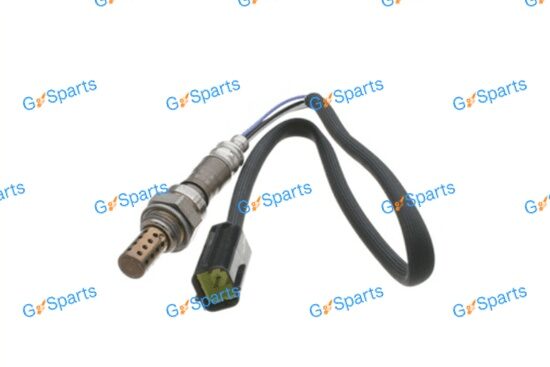
Genuine Mazda Oxygen O2 Sensor BP4X-18-861A-9U / BP4X-18-861A – Clean Emissions, Stable Trims
O₂ sensor for Mazda CX‑3, Mazda CX‑30, some Mazda2/DEMIO (market dependent) – Front / upstream. Specs: 4‑wire heated upstream A/F control; OE connector & harness.
Did you like this product? Add to favorites now and follow the product.

(+86) 180 07 12 47 38 WhatsApp, Telegram, WeChat
Description
OE‑style oxygen (lambda) sensor listing covering: Mazda CX‑3, Mazda CX‑30, some Mazda2/DEMIO (market dependent). OEM/reference(s): BP4X-18-861A‑9U / BP4X-18-861A. Position: Front / upstream. Typical specification: 4‑wire heated upstream A/F control; OE connector & harness. Brands/cross‑refs: Mazda OEM (Denso) / Denso 234‑4xxx. Fitment: Small engines use dedicated BP4X family — verify by VIN. Source: realmazdaparts.com.
Mission & Why This Part Matters
For modern Mazdas, closed-loop fueling lives or dies by upstream feedback quality. A sluggish or noisy element inflates fuel use, roughens idle, and risks inspection failure. That’s why specifying Mazda Oxygen O2 Sensor BP4X-18-861A-9U / BP4X-18-861A restores signal fidelity the ECU trusts. By aligning heater characteristics, voltage dynamics, and connector geometry with OE expectations, Mazda Oxygen O2 Sensor BP4X-18-861A-9U / BP4X-18-861A brings trims back to center, shortens open-loop time after cold starts, and protects the catalyst from rich spikes that overheat substrates during city stop-and-go or highway climbs.
Exact Fitment, No Guesswork
Look-alike sensors often hide crucial differences—heater wattage, response curve, tip depth, and harness length. Those details decide whether closed loop engages promptly and stays stable as accessories cycle. Choosing Mazda Oxygen O2 Sensor BP4X-18-861A-9U / BP4X-18-861A ensures the ECU interprets transitions correctly without compensating for noise. You avoid mis-keyed plugs, strained routing, and “almost right” parts that trigger nuisance codes weeks later after heat-soak. A precise physical and electrical match reduces bay time and delivers predictable, first-try success.
Upstream vs. Downstream—Different Jobs, Different Signals
Upstream sensors steer fueling in real time; downstream sensors audit catalyst efficiency. Swapping roles or installing a universal with mismatched heater current confuses monitors and delays readiness. The upstream element must switch briskly around lambda=1 under light load. Downstream should remain relatively steady when the converter is healthy. Install Mazda Oxygen O2 Sensor BP4X-18-861A-9U / BP4X-18-861A in the upstream position to keep the fuel model honest, avoiding rich overcorrection that cooks catalysts and lean spikes that raise NOx.
Heater Circuit & Cold-Start Discipline
Cold starts define emissions and feel. Under-powered heaters prolong open-loop; over-powered ones stress ceramics. With Mazda Oxygen O2 Sensor BP4X-18-861A-9U / BP4X-18-861A, the heater ramp aligns with ECU expectations, bringing the cell to temperature quickly for sharp switching at idle and early cruise. That means fewer rich surges, steadier idle as fans or A/C engage, and a catalyst that reaches effective temperature without drama—especially valuable on short, winter commutes where most failures surface.
Recognizing a Tired Sensor—Shop & Driver Clues
Reduced mileage, sulfur odor after hard throttle, hesitation on tip-in, or a persistent MIL for slow response are classic signs. Live data reveals lazy cross-counts or stuck-rich/lean behavior under steady pedal. Replacing with Mazda Oxygen O2 Sensor BP4X-18-861A-9U / BP4X-18-861A restores crisp oscillation the ECU expects, smoothing transient fueling and letting the downstream trace calm as the converter receives predictable chemistry. That’s the measurable difference between guessing and fixing.
Diagnose First, Replace Once—A Smart Workflow
Good process beats parts cannons. Smoke-test intake and pre-cat exhaust for leaks that fake a lean signal. Verify grounds and 5-V references, then correlate throttle angle, MAF, and trims across steady cruise. If plumbing and wiring pass yet switching remains lazy, an upstream replacement is warranted. Installing Mazda Oxygen O2 Sensor BP4X-18-861A-9U / BP4X-18-861A gives a known-good baseline so remaining instability points to genuine mechanical faults—not noisy feedback.
Fitment Checks That Prevent Comebacks
Model-year splits and emissions packages change connector keys and lead lengths. Confirm bank/position, VIN, and engine code. Compare the old unit’s clocking and harness path, then verify seat depth and gasket style. With Mazda Oxygen O2 Sensor BP4X-18-861A-9U / BP4X-18-861A matched to your configuration, the element lands at the designed sample point in the stream, reducing adaptation time and eliminating strained bends that become intermittent dropouts months later.
Tools, Safety, and Access Planning
Work on a cool exhaust to avoid burns and thread galling. Essentials: penetrant, quality O2 socket, torque wrench, and a nylon brush for the bung. Keep oils and anti-seize off the sensing tip. Pre-stage clips so the loom follows factory paths away from heat shields. With Mazda Oxygen O2 Sensor BP4X-18-861A-9U / BP4X-18-861A on the bench, practice the connector latch feel so the on-car “click” is unmistakable in tight quarters.
Removal, Bung Care, and Thread Integrity
Support the exhaust if needed, break the old unit free without twisting the harness, and clean threads lightly. Inspect the seat; repair damaged bungs before proceeding. Hand-start Mazda Oxygen O2 Sensor BP4X-18-861A-9U / BP4X-18-861A to avoid cross-threading, then snug with the proper socket. Good technique preserves shell flatness and ensures a gas-tight seal so stray oxygen doesn’t dilute samples and trick the ECU into chasing phantom lean.
Torque, Sealing, and Leak Checks
Under-torque invites leaks; over-torque risks shell distortion or cracked ceramics. Tighten to spec, then run the engine and listen for tick-like leaks at the bung. A quick smoke check upstream of the catalyst confirms integrity. Once Mazda Oxygen O2 Sensor BP4X-18-861A-9U / BP4X-18-861A is seated correctly, your voltage swing reflects combustion reality—not fresh-air intrusion—so trims stabilize instead of drifting during accessories or grade changes.
ECU Reset, Drive Cycle, and Readiness
Platforms vary: some relearn quickly; others want a warm idle, steady cruise, and engine-braking decels. If trims were far off, clear codes to speed adaptation. After installing Mazda Oxygen O2 Sensor BP4X-18-861A-9U / BP4X-18-861A, perform a short mixed drive. Expect brisk upstream switching at light load, centered STFT/LTFT, and a calm downstream trace as the converter reaches operating temperature. Clean readiness confirms both installation quality and control-loop health.
Live Data Verification—What “Good” Looks Like
Healthy upstream behavior switches rapidly near stoichiometric at cruise, with STFT oscillating modestly around zero and LTFT hovering close to center. If the waveform is clean after Mazda Oxygen O2 Sensor BP4X-18-861A-9U / BP4X-18-861A yet trims remain skewed, suspect intake leaks, fuel pressure deviation, or injector imbalance—the sensor is doing its job by telling the truth.
Real Fuel-Economy & Emissions Gains
Small improvements compound: accurate feedback trims unnecessary enrichment, protects substrates, and smooths throttle transitions. Over thousands of kilometers, you’ll notice quieter operation, steadier speeds at light load, and predictable inspection numbers. With Mazda Oxygen O2 Sensor BP4X-18-861A-9U / BP4X-18-861A, the ECU spends cycles optimizing timing and injection instead of fighting noisy data—subtle but bankable wins.
Catalyst Protection Through Accurate Mixture Control
Rich operation overheats substrates; lean spikes raise NOx. Crisp upstream control prevents both. Installing Mazda Oxygen O2 Sensor BP4X-18-861A-9U / BP4X-18-861A renews that safety net, keeping converter chemistry in the design window and extending life—especially on routes with frequent grade changes or stop-and-go patterns that stress aftertreatment.
Built for Heat, Vibration, and Contamination
Under-hood environments punish seals, ceramics, and crimps. Robust electrodes, gas-tight construction, and high-temp insulation preserve signal integrity through hot soaks, winter starts, and rough pavement. With Mazda Oxygen O2 Sensor BP4X-18-861A-9U / BP4X-18-861A, the controller avoids conservative, fuel-heavy fallbacks that dull throttle response and invite deposits when sensors drift.
Field Case: Urban Stop-Start Drivability Restored
A common complaint is rough idle with A/C on and hesitation leaving lights. On pre-install logs, upstream cross-counts lag and STFT pins positive during tip-in. After fitting Mazda Oxygen O2 Sensor BP4X-18-861A-9U / BP4X-18-861A, warm-idle switching becomes brisk, trims re-center, and the downstream trace calms as the catalyst receives predictable chemistry. Drivers report smoother creep, fewer steering-wheel vibrations at stoplights, and cleaner transitions into second gear. Capture before/after screenshots (idle, 2,200–2,500 rpm cruise, three gentle tip-ins) and store them under the VIN; neat overlays six months later prove the repair’s durability and make future diagnostics a fast compare-and-contrast rather than a fresh mystery.
Configuration Notes: Platform Splits, Banks, and Sensor Roles
Across Mazda lines, upstream elements steer fueling while downstream units audit the converter. Mixing locations or using look-alikes with mismatched heater current delays monitors and spawns nuisance codes. The safest upstream choice is the direct-fit Mazda Oxygen O2 Sensor BP4X-18-861A-9U / BP4X-18-861A, which aligns heater ramp and voltage dynamics with ECU expectations. Verify VIN, bank/position, seat depth, and connector keying before threading in the new unit. That ten-minute check prevents strained harness routing, mis-clocked plugs, or a tip that sits too shallow in the stream—small errors that masquerade later as “random” lean spikes or jittery trims after hot soaks.
Shop SOP: From Receiving to Road-Test Sign-Off
Quality starts at the door. On receipt, inspect housing, tip protector, and latch tension; log batch codes. During install, hand-start threads, torque to spec, route the loom in factory clips, and perform a quick smoke check upstream of the cat. After fitting Mazda Oxygen O2 Sensor BP4X-18-861A-9U / BP4X-18-861A, do a five-minute validation loop—warm idle, steady suburban cruise, light accel/decel—and save telemetry screenshots with torque notes and bung condition photos. This repeatable SOP slashes comebacks, accelerates warranty conversations, and trains new techs to hit the same bar every time, turning a small sensor job into a reliable, KPI-positive repair.
Extreme Duty: Cold Starts, Altitude, and Seasonal Fuels
Winter oxygenates, dense cold air, and long grades stress mixture control. A correct heater profile shortens open-loop and stabilizes idle during the first minute of operation. With Mazda Oxygen O2 Sensor BP4X-18-861A-9U / BP4X-18-861A installed, expect fewer rich spikes on frigid mornings, trims that don’t drift during mountain climbs, and a downstream trace that settles quickly as the converter lights. Pair the sensor with leak-free plumbing and intact heat shielding so local temperatures stay in the cell’s sweet spot; accurate upstream feedback keeps NOx and HC within design limits without resorting to fuel-heavy workarounds that age substrates.
Owner Playbook: Keep the Loop Clean and Predictable
Post-install, share a one-page guide: avoid silicone sprays near intakes, fix misfires promptly, and replace air filters on schedule to protect the sensing surface. Every oil change, run a quick OBD check—idle and 2,300 rpm screenshots of upstream waveform and STFT/LTFT are enough. If overlays stay tidy after Mazda Oxygen O2 Sensor BP4X-18-861A-9U / BP4X-18-861A, your control loop is healthy; if drift appears, re-smoke the intake and inspect the bung for micro-leaks before suspecting electronics. These simple habits preserve the calm “factory rhythm” you just restored, saving fuel, protecting the catalyst, and keeping inspections routine.
Authentic Parts vs. “Close Enough”
Copycat units often skimp on heater mapping, sealing quality, and calibration checks, leading to early drift and nuisance codes. Buy from sources that show real connector macros and batch codes. Choosing Mazda Oxygen O2 Sensor BP4X-18-861A-9U / BP4X-18-861A aligns hardware with Mazda’s calibration, so monitors set without drama and comebacks evaporate.
Product Page Essentials That Prevent Misorders
Great e-commerce prevents errors before they happen. Show connector macro photos, lead length, upstream/downstream callouts, and VIN fitment. Include torque targets and a simple drive-cycle primer. When buyers see Mazda Oxygen O2 Sensor BP4X-18-861A-9U / BP4X-18-861A presented with that clarity, returns drop and installations succeed on the first attempt.
Owner Baseline Logging—Simple Proof
A Bluetooth OBD adapter and a solid app are enough to log health after installing Mazda Oxygen O2 Sensor BP4X-18-861A-9U / BP4X-18-861A. At warm idle and steady 2,200–2,500 rpm cruise, capture upstream waveform, STFT/LTFT, and downstream calmness. Save screenshots to your VIN record; six months later, repeat. Clean overlays mean long-term stability; drift flags issues early.
Mods, Heat Management, and Repeatability
Headers, intakes, or heat-dense bays change local conditions. Shielding, correct bung placement, and leak-free joints keep the cell in its temperature sweet spot. With Mazda Oxygen O2 Sensor BP4X-18-861A-9U / BP4X-18-861A as a stable baseline, tuners refine maps around real signals instead of compensating for lag, preserving street manners and inspection readiness.
Compliance, CARB Considerations, and Inspection Timing
Regions with strict tests may require specific approvals and intact diagnostic behavior. A mismatched heater or slow switching delays monitors and risks retest fees. Verify your configuration and confirm clean live data after fitting Mazda Oxygen O2 Sensor BP4X-18-861A-9U / BP4X-18-861A before heading to the lane; predictable readiness is the best insurance.
Fleet & Shop Efficiency—Variance Is the Enemy
Standardizing on dependable upstream components reduces diagnostic spread and comeback risk across vehicles. Technicians expect one connector feel, routing strategy, and waveform signature. Stocking Mazda Oxygen O2 Sensor BP4X-18-861A-9U / BP4X-18-861A simplifies training, speeds monitor set times, and raises bay throughput—quiet advantages that compound on KPI dashboards.
Common Pitfalls & How to Avoid Them
Universal splices add resistance to millivolt circuits; silicone sprays, coolant, or oil mist poison elements; micro-leaks upstream fake a lean signal. Direct-fit hardware, clean routing, and verified sealing prevent most “mystery” drivability complaints. If trims wander after installing Mazda Oxygen O2 Sensor BP4X-18-861A-9U / BP4X-18-861A, re-smoke the intake/pre-cat, validate fuel pressure, and scope ignition before suspecting the new part.
Straight Answers to Owner FAQs
How long will it last? Duty cycle and engine health matter; upstream units face harsher thermal cycles than downstream. Will premium fuel fix a weak sensor? Cleaner burn helps deposits but won’t revive a poisoned element. Is proactive replacement sensible? If data shows lagging cross-counts and stubborn trims, yes—Mazda Oxygen O2 Sensor BP4X-18-861A-9U / BP4X-18-861A restores feedback integrity so the ECU optimizes timing and injection again.
Road-Test Script: From Complaint to Confirmation
Replicate symptoms: gentle launch, steady suburban cruise, on-off throttle in traffic, and A/C engagement at idle. After fitting Mazda Oxygen O2 Sensor BP4X-18-861A-9U / BP4X-18-861A, these checks should feel uneventful—in the best way. Any residual quirk usually traces to airflow or sealing rather than feedback; your crisp upstream trace makes remaining faults obvious.
Documentation Discipline—Proof That Saves Hours
Attach before/after screenshots (idle and light cruise), torque notes, bung condition, and routing photos to the job record. Tie it to the VIN so future diagnostics start from a known-good baseline. This habit, paired with Mazda Oxygen O2 Sensor BP4X-18-861A-9U / BP4X-18-861A, turns repeat visits into quick compare-and-contrast sessions instead of fresh mysteries.With Mazda Oxygen O2 Sensor BP4X-18-861A-9U / BP4X-18-861A, the controller avoids conservative, fuel-heavy fallbacks that dull throttle response and invite deposits when sensors drift.
Sustainability & Long-Term Component Health
Accurate lambda control reduces raw hydrocarbons, keeps substrates within design temperature, and avoids fuel-heavy fallbacks that age hardware. Over thousands of kilometers, the cumulative effect of Mazda Oxygen O2 Sensor BP4X-18-861A-9U / BP4X-18-861A is cleaner air, steadier fuel spend, and catalysts that remain efficient longer—quiet wins you feel at the pump and see at inspection.
Warranty, Returns, and Data-Backed Confidence
Protect your time and budget with simple documentation. Photograph the connector latch, harness routing, and bung condition during install, then save before/after screenshots of upstream waveform, STFT/LTFT at warm idle and 2,200–2,500 rpm cruise. Tie these to the VIN and part label so any warranty claim is frictionless. If readiness ever lags, your baseline makes root-cause work fast: re-smoke for micro-leaks, recheck heater continuity, and compare live data against day-one traces. Using Mazda Oxygen O2 Sensor BP4X-18-861A-9U / BP4X-18-861A with this paper trail transforms a routine replacement into a measurable upgrade: cleaner emissions, centered trims, and predictable inspection results backed by evidence—not hunches.
The Confident Finish—Back to Factory Rhythm
Great repairs pair disciplined diagnostics with the right upstream sensor, clean technique, and verification. Install Mazda Oxygen O2 Sensor BP4X-18-861A-9U / BP4X-18-861A thoughtfully, validate with live data, and complete a short drive cycle. The payoff: stable trims, smooth idle, crisp transitions, and readiness that sets without drama—the calm, predictable rhythm Mazda intended.
External Resources (Standards & Technical References)
- SAE J1979 — OBD-II Diagnostic Test Modes
- ISO 15031 — Road Vehicles/Scan Tool Communication
- US EPA — Basic Information on OBD-II
- NGK/NTK — Oxygen (Lambda) Sensors Overview
- Bosch Mobility — Oxygen Sensor Technology
Related Internal Links
Additional information
| OEM / Reference | BP4X-18-861A‑9U / BP4X-18-861A |
|---|---|
| Brands / Cross | Mazda OEM (Denso) / Denso 234‑4xxx |
| Models | Mazda CX‑3, Mazda CX‑30, some Mazda2/DEMIO (market dependent) |
| Position | Front / upstream |
| Specifications | 4‑wire heated upstream A/F control; OE connector & harness |
| Fitment note | Small engines use dedicated BP4X family — verify by VIN. |
| Source | realmazdaparts.com |
Related products



G-SPARTS – Leading Auto Parts Supplier Since 2009
Trusted by 1000+ Clients Worldwide | Chinese (BYD, Geely, Chery, …), Japanese (Toyota, Honda, Nissan, …), European (BMW, Mercedes, VW, …) & American (Ford, Chevrolet, Tesla, …) Car Spares | Best Prices & OEM Quality | 15+ Years Expertise | Professional Team, Fast Global Shipping
Copyright 2025 © G-Sparts All Rights Reserved. | Premium Chinese Auto Parts Supplier – Worldwide Shipping | Best Prices on OEM & Aftermarket Spares

Reviews
There are no reviews yet.