
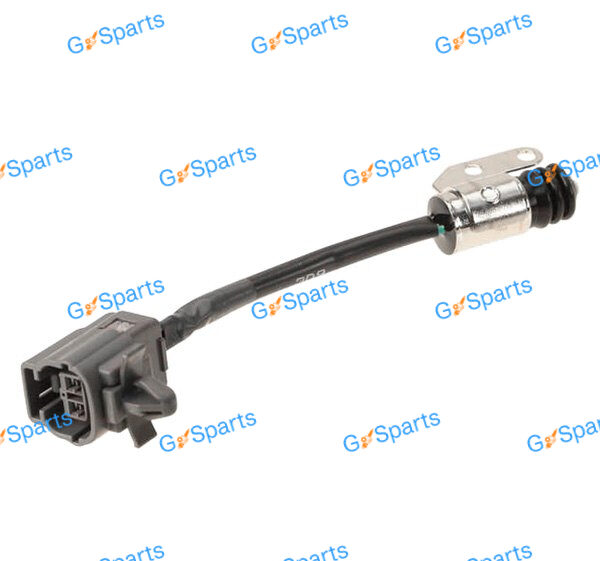
Genuine Mazda TPS L3K9-18-9B1 – Mazdaspeed3/6 and CX‑7 (2006–2012)
Throttle Position Sensor for **Mazdaspeed 3, Mazdaspeed 6 & CX‑7 (2006–2012)**. 3‑wire electronic TPS; genuine Mazda fit. Verify with VIN before purchase.
Did you like this product? Add to favorites now and follow the product.

(+86) 180 07 12 47 38 WhatsApp, Telegram, WeChat
Description
OEM‑grade TPS (Throttle Position Sensor) **L3K9‑18‑9B1** for **Mazdaspeed 3**, **Mazdaspeed 6**, and **CX‑7** (model years 2006–2012). This 3‑wire electronic sensor restores accurate throttle angle feedback for smooth acceleration, stable idle, and precise fuel control. Direct‑fit connector and housing match Mazda factory specs. Always confirm compatibility using your VIN/engine code.
Foundation: What the TPS Does and Why It Matters
Your throttle position sensor converts blade angle into a clean voltage curve the ECU can trust for fueling, spark, and transmission logic. When that signal is noisy or drifts, idle hunts, shifts feel confused, and fuel economy suffers. Replacing the sensor restores the calibration assumptions burned into the controller so drivability returns to “factory calm.” The best place to start is using the exact-fit part for your platform: Mazda TPS L3K9-18-9B1 – Mazdaspeed3/6 and CX-7 (2006–2012). With correct geometry, indexing, and connector feel, the ECU regains a truthful baseline immediately. That’s why technicians anchor repairs around Mazda TPS L3K9-18-9B1 – Mazdaspeed3/6 and CX-7 (2006–2012)—it ends guesswork and gives repeatable, scan-tool-proven results.
Fitment Confidence: Geometry, Indexing, and Connector Integrity
Look-alike sensors can bolt on yet misreport angle because the taper or indexing is off by just enough to skew the map. Harness strain or a loose latch invites intermittent faults under heat soak and vibration. The correct answer for turbo Mazdas of this era is Mazda TPS L3K9-18-9B1 – Mazdaspeed3/6 and CX-7 (2006–2012), which seats cleanly, engages the tang without force, and clicks firmly into the loom. That mechanical certainty protects a millivolt-scale signal from noise so the ECU can act decisively rather than conservatively. Expect steadier idle with accessories on, cleaner throttle take-up in traffic, and a transmission that behaves like it remembers how the car felt when new.
Platform Coverage: Mazdaspeed3, Mazdaspeed6, and CX-7 Turbo Nuances
Across 2006–2012, throttle body variants, ECU calibrations, and emissions packages changed. Small differences in stop screw, blade profile, and harness routing matter to signal repeatability. Mazda TPS L3K9-18-9B1 – Mazdaspeed3/6 and CX-7 (2006–2012) aligns with the geometry and output span your ECU expects, minimizing relearn time and preventing awkward lead bends that later become intermittent issues. Verify VIN and throttle body casting before ordering, then snap a quick connector photo; if the screw pattern and keying match, installation becomes a calm, predictable service step that returns drivability without detours.
Symptoms of a Drifting or Noisy TPS in the Real World
Drivers rarely say “my TPS is out.” They say the car hesitates leaving a turn, lurches in parking maneuvers, or randomly downshifts on gentle grades. Scan tools show angle traces that plateau, spike, or disagree with airflow. If the throttle bore is clean and cables/linkages are free, a degraded sensor is the usual culprit. Swapping to Mazda TPS L3K9-18-9B1 – Mazdaspeed3/6 and CX-7 (2006–2012) restores a smooth, believable ramp so timing and fueling calm down. The result is confidence at low speeds, predictable cruise, and fewer “mystery” MILs tied to implausible load.
Diagnostics First: Prove It, Then Replace
Good process beats guesswork. Confirm 5-volt reference and ground quality, ensure the blade moves freely, and log angle versus RPM/MAF at fixed pedal positions. Repeatability matters more than perfection; spikes are red flags. When traces remain noisy despite clean mechanics and wiring, fit Mazda TPS L3K9-18-9B1 – Mazdaspeed3/6 and CX-7 (2006–2012) and rerun the captures. With the correct part, the slope becomes linear, trims relax, and timing steadies—clear proof that the original complaint lived in signal integrity. That’s why Mazda TPS L3K9-18-9B1 – Mazdaspeed3/6 and CX-7 (2006–2012) is a high-leverage repair with immediate, data-backed payoff.
Preparation: Tools, Safety, and Setup for Success
Gather a torque screwdriver, correct driver bits, electronic-safe cleaner, and a flashlight or inspection mirror for the connector. If your procedure calls for it, preserve learned data or disconnect the battery per the service manual. Check the throttle shaft for play and verify gasket condition. With Mazda TPS L3K9-18-9B1 – Mazdaspeed3/6 and CX-7 (2006–2012) on the bench, feel the latch so you recognize a full click in tight quarters. Planning harness routing and confirming screw access before you start turns a 30-minute job into a clean, uneventful win rather than a long afternoon chasing a half-latched plug.
Removal and Seating: Small Habits, Big Outcomes
Mark the old sensor’s clocking if slight adjustability exists. Loosen screws evenly, ease the unit off without twisting the shaft, and align the new tang gently—you should feel engagement, not resistance. Tighten to spec in small increments to preserve housing flatness and sealing. Reconnect the loom until it audibly locks. Installing Mazda TPS L3K9-18-9B1 – Mazdaspeed3/6 and CX-7 (2006–2012) with these basics in mind prevents micro-movement that scrubs tracks and creates intermittent faults on hot days, safeguarding the clean signal you just paid to restore.
Relearns and Idle Normalization After the Swap
Some ECUs relearn immediately; others prefer a short ritual. Allow a warm idle, cycle the key if specified, then run a gentle mixed drive. Look for smooth off-idle response, clean return to idle at stops, and trims that drift back toward center. If prior noise forced the controller into conservative behavior, a brief adaptation window is normal as modeled load realigns with truth. With Mazda TPS L3K9-18-9B1 – Mazdaspeed3/6 and CX-7 (2006–2012) delivering stable angles, the car settles into that “nothing to notice” calm every good repair aims for.
Live-Data Verification: What “Good” Looks Like
Graph throttle angle against MAF grams/second and ignition timing at warm idle and light cruise. The angle ramp should be smooth and repeatable; airflow correlation tightens; timing jitter shrinks. Add a few clean tip-ins to confirm proportional enrichment—no flare, no bog. When Mazda TPS L3K9-18-9B1 – Mazdaspeed3/6 and CX-7 (2006–2012) is installed correctly, the ECU stops guessing and starts optimizing, which you’ll see as calmer short-term trims and steadier cruise. Save screenshots; that baseline speeds future diagnostics and proves value to skeptical stakeholders.
Transmission Logic and Shift Quality on Turbo Mazdas
Modern automatics and clutch strategies infer load heavily from throttle angle. A drifting signal forces early kick-downs, delayed upshifts, and converter indecision. Restoring accurate input with Mazda TPS L3K9-18-9B1 – Mazdaspeed3/6 and CX-7 (2006–2012) lets line pressure and timing follow the map Mazda intended. Expect smoother neighborhood driving, predictable hill climbs, and less hunting at suburban speeds. Your gearbox will feel smarter—not because it learned new tricks, but because it finally trusts what the pedal is actually asking for.
Fuel Economy, Emissions, and Catalyst Protection
Accurate angle data enables leaner transitions and avoids defensive enrichment that wastes fuel and overheats catalysts. Over months of commuting, that means fewer soot-loading episodes, quieter operation, and real savings at the pump. Installing Mazda TPS L3K9-18-9B1 – Mazdaspeed3/6 and CX-7 (2006–2012) returns mixture control to its designed cadence, helping keep inspection numbers boringly compliant and aftertreatment healthy. Subtle gains compound; a calm feedback loop protects expensive parts downstream that would otherwise pay the price for a wobbly signal.
Materials and Sealing: Built for Heat, Vibration, and Humidity
Under-hood life is brutal: thermal cycling, oil mist, and humidity attack seals and tracks. Robust housings and contact metallurgy are what separate durable sensors from short-lived copies. The construction behind Mazda TPS L3K9-18-9B1 – Mazdaspeed3/6 and CX-7 (2006–2012) focuses on a stable ramp in the small angles where you actually drive, keeping noise out of parking-lot speeds and hot-restart transitions. That’s why the car still feels composed six months after install—even after summer heat soak or a rainy week of errands—because the signal hasn’t quietly drifted away from the map your ECU expects.
Avoiding Installation Pitfalls That Cause Comebacks
Most comebacks trace to basics: over-tightened screws that warp housings, half-latched connectors, misrouted looms rubbing on brackets, or solvent-swollen seals. Slow down for torque, alignment, and clip engagement. Keep cleaners off the tracks and seals. After fitting Mazda TPS L3K9-18-9B1 – Mazdaspeed3/6 and CX-7 (2006–2012), run a quick verification drive and recheck the connector. Ten extra minutes today beats an hour of phone calls and frustration next week when an intermittent shows up only after a long, hot soak.
Hot Soak, Cold Starts, and Seasonal Fuel Behavior
Electronics reveal character at extremes. After a summer hot soak, marginal sensors wander; in winter, cold plastics and thicker lubricants challenge idle stability. A high-integrity TPS helps the ECU compensate cleanly: no dip when A/C loads engage, no flare on cold tip-in, and fewer stalls during tight parking. Because Mazda TPS L3K9-18-9B1 – Mazdaspeed3/6 and CX-7 (2006–2012) delivers a predictable ramp, seasonal fuel shifts and altitude changes don’t turn into drivability mysteries; the controller still finds its footing quickly.
Interactions with MAF, MAP, and O2 Feedback
Throttle angle is one leg of a three-sensor stool alongside airflow and exhaust feedback. If angle lies, the model tilts—fuel trims chase noise, timing gets conservative, and catalysts take unnecessary heat. Installing Mazda TPS L3K9-18-9B1 – Mazdaspeed3/6 and CX-7 (2006–2012) realigns that triangle so remaining issues—vacuum leaks, injector imbalance, or genuine airflow anomalies—stand out instead of hiding behind TPS chatter. Shorter troubleshooting trees and fewer parts-cannon detours follow naturally when the cornerstone input tells the truth.
Tuning and Light Modifications: Keep the Baseline Honest
Intakes, downpipes, and mild tunes change airflow reality; a stable throttle map becomes even more important so calibrations target truth rather than compensate for noise. With Mazda TPS L3K9-18-9B1 – Mazdaspeed3/6 and CX-7 (2006–2012) feeding clean angles, tuners can refine tables confidently and keep street manners civilized. Expect better repeatability between pulls, less idle wander after heat soak, and driveability that survives real-world traffic—not just perfect dyno cells.
E-Commerce Clarity: What a Great Product Page Should Show
Misorders waste everyone’s time. The ideal listing includes connector macro photos, screw pattern, indexing notes, harness length, and a concise compatibility matrix tied to engine codes and production splits. A mini install guide and a drive-cycle primer help DIY buyers go from checkout to confirmation without friction. Featuring Mazda TPS L3K9-18-9B1 – Mazdaspeed3/6 and CX-7 (2006–2012) with those details up front reduces returns and builds trust—especially for owners juggling platform updates across early and late build years.
Authenticity, Packaging, and Receiving Inspection
Counterfeits cut corners on track metallurgy, sealing, and QA. Source from vendors who document batch codes and display the exact connector you’ll receive. On arrival, check housing flatness, tang engagement feel, and latch tension before the vehicle hits the lift. Proper packaging protects against humidity and impact so Mazda TPS L3K9-18-9B1 – Mazdaspeed3/6 and CX-7 (2006–2012) performs as intended from the first key-on, not after rework to correct avoidable out-of-box variability.
Road-Test Script: From Complaint to Confirmation
Replicate what the customer feels: gentle launches, steady suburban cruise, on-off throttle in traffic, and A/C engagement at idle. After installing Mazda TPS L3K9-18-9B1 – Mazdaspeed3/6 and CX-7 (2006–2012), these exercises should feel uneventful—in the best way. If a quirk remains, revisit vacuum integrity and throttle cleanliness before suspecting new electronics. Calm, predictable results paired with saved live-data screenshots turn subjective impressions into objective proof the fix worked.
Preventive Maintenance: Habits That Keep It Great
Keep the intake sealed, replace air filters on schedule, and fix misfires fast—raw fuel and vibrations age components everywhere in the loop. Avoid aggressive solvents around seals and electronics. Periodically log short data sessions at fixed pedal positions; trends reveal degradation before it becomes a complaint. Pair these habits with Mazda TPS L3K9-18-9B1 – Mazdaspeed3/6 and CX-7 (2006–2012) and you’ll stretch the value of your repair while preserving that quietly composed character through seasons and mileage.
Fleet and Uptime Economics: The Hidden ROI
Variance kills uptime. Random surges, idle wander, and shift indecision burn technician hours and driver trust. Standardizing on Mazda TPS L3K9-18-9B1 – Mazdaspeed3/6 and CX-7 (2006–2012) reduces diagnostic spread and comeback risk, stabilizes fuel spend, and improves inspection pass rates. Over a quarter, those quiet gains become visible KPIs: fewer “nuisance drivability” returns, faster bay turnover, and happier drivers who stop noticing the powertrain because it simply behaves.
Seasonal & Altitude Considerations for Turbo Applications
Cold starts, oxygenated winter blends, and mountain drives stress mixture control. A stable TPS keeps idle compensation and transient fueling centered while the catalyst warms. With Mazda TPS L3K9-18-9B1 – Mazdaspeed3/6 and CX-7 (2006–2012), trims don’t swing wildly as density changes; timing remains orderly and throttle modulation stays predictable. That consistency turns road trips and shoulder-season commutes into non-events rather than rolling experiments in adaptation.
Troubleshooting If Behavior Isn’t Perfect After Install
If hesitation lingers, verify vacuum integrity, inspect the throttle bore for soot causing stickiness, and confirm grounds and the 5-volt reference under accessory load. Correlate angle with MAF plausibility at steady speeds. When Mazda TPS L3K9-18-9B1 – Mazdaspeed3/6 and CX-7 (2006–2012) shows a clean ramp yet trims wander, look to airflow leaks or injector imbalance, not the new sensor. A calm, logical decision tree protects budgets and pinpoints true constraints.
Documentation Discipline: Proof That Saves Hours Later
Attach before/after screenshots (idle and light cruise), note torque spec, connector photos, and any relearn steps performed. File these with the VIN so future diagnostics start from a known-good baseline. This simple practice, paired with Mazda TPS L3K9-18-9B1 – Mazdaspeed3/6 and CX-7 (2006–2012), turns repeat visits into fast compare-and-contrast sessions instead of fresh mysteries—raising quality while lowering time on the rack.
Customer Communication: Translate Feelings into Data
Owners say “it jerks,” “it hunts,” or “it lags.” Show them calm telemetry: a smooth angle ramp, centered trims, and steady timing at cruise after installing Mazda TPS L3K9-18-9B1 – Mazdaspeed3/6 and CX-7 (2006–2012). Provide a simple drive script they can replicate and invite a two-week courtesy check. Clear expectations backed by objective evidence build trust and keep satisfaction high long after the bill is paid.
Sustainability and Catalyst Health: Quiet Wins Over Time
Accurate load sensing reduces unnecessary enrichment, protecting substrates from thermal stress and keeping emissions in check without blunt, fuel-heavy workarounds. Over thousands of kilometers, those quiet wins add up: faster readiness, cleaner catalysts, and fuel saved trip by trip. The straightest path is restoring the exact input the controller trusts most with Mazda TPS L3K9-18-9B1 – Mazdaspeed3/6 and CX-7 (2006–2012)—precision that pays you back daily in calm, predictable behavior.
Technician Playbook: Repeatable Acceptance Criteria
Bake verification into the job. After fitting Mazda TPS L3K9-18-9B1 – Mazdaspeed3/6 and CX-7 (2006–2012), capture angle vs. MAF at warm idle and 2,000–2,500 rpm cruise plus three tip-ins. Store screenshots with torque notes and harness routing photos. These artifacts train new techs, support warranty, and make future decisions fast because “good” is no longer a vibe—it’s a file you can open and compare in seconds.
The Confident Finish: Factory Feel, Every Drive
A great TPS repair is invisible: the car just behaves—smooth tip-in, no idle wander, logical shifts, and a quiet dashboard. You achieve that by diagnosing first, installing cleanly, validating with data, and choosing the exact part Mazda mapped for the platform: Mazda TPS L3K9-18-9B1 – Mazdaspeed3/6 and CX-7 (2006–2012). Do those things and every commute feels composed, every inspection feels routine, and every kilometer reminds you why precision parts and disciplined process are the most reliable upgrade of all.
External Resources (Standards & Technical References)
- ISO 26262 — Road Vehicles Functional Safety
- ISO 11898 — Controller Area Network (CAN)
- ISO 14229 — Unified Diagnostic Services (UDS)
- SAE J1979 — OBD-II Diagnostic Test Modes
- AEC-Q100 — Stress Test for Automotive ICs
Related Internal Links
Related products



G-SPARTS – Leading Auto Parts Supplier Since 2009
Trusted by 1000+ Clients Worldwide | Chinese (BYD, Geely, Chery, …), Japanese (Toyota, Honda, Nissan, …), European (BMW, Mercedes, VW, …) & American (Ford, Chevrolet, Tesla, …) Car Spares | Best Prices & OEM Quality | 15+ Years Expertise | Professional Team, Fast Global Shipping
Copyright 2025 © G-Sparts All Rights Reserved. | Premium Chinese Auto Parts Supplier – Worldwide Shipping | Best Prices on OEM & Aftermarket Spares

Reviews
There are no reviews yet.