
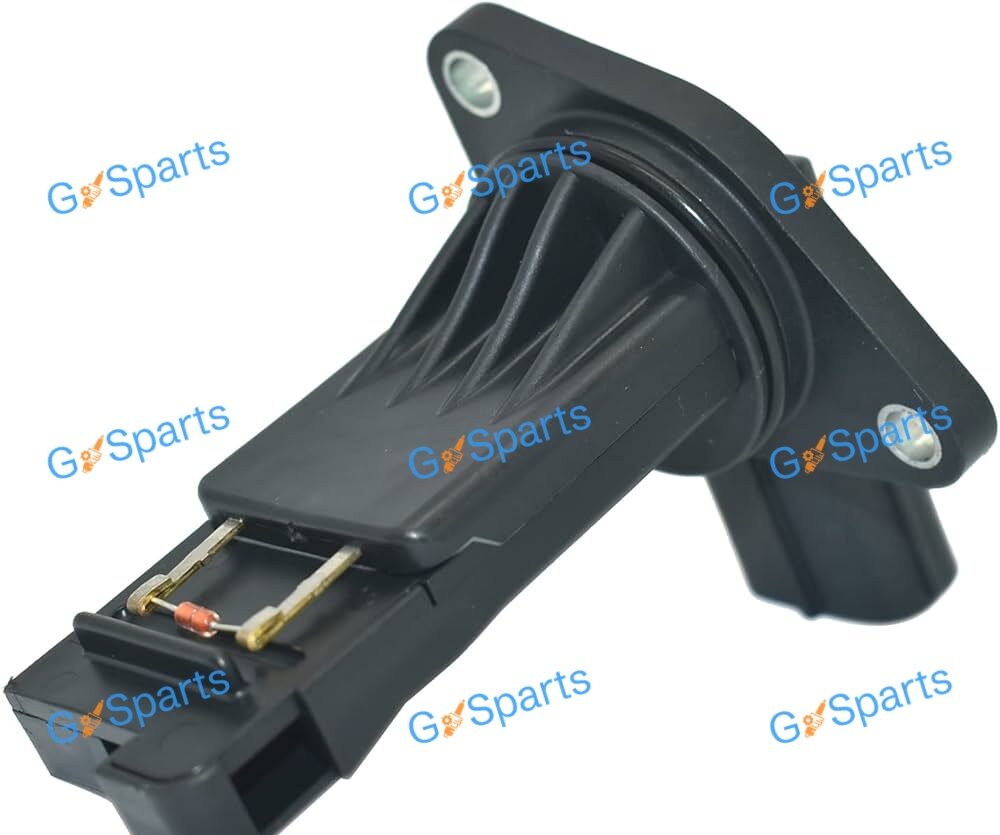
Genuine Mitsubishi MAF Sensor 1525A052 – 2014–2025 Mitsubishi Outlander, Eclipse Cross, ASX
MAF Sensor for 2014–2025 Mitsubishi Outlander, Eclipse Cross, ASX. OEM 1525A052 with 5-pin connector, hot-wire type for precise airflow measurement and stable idle.
Did you like this product? Add to favorites now and follow the product.

(+86) 180 07 12 47 38 WhatsApp, Telegram, WeChat
Description
Restore correct fueling on your 2014–2025 Mitsubishi Outlander, Eclipse Cross, ASX with this OEM‑equivalent Mass Air Flow (MAF) sensor (Part 1525A052). The 5-pin connector, hot-wire type hot‑wire element delivers accurate intake airflow data to the ECU to maintain proper fuel trims, reduce emissions, and improve throttle response. Trusted aftermarket coverage includes Mitsubishi, Bosch, Denso. Used in newer models; check for compatibility with your vehicle. Always confirm by VIN, connector style, and pin configuration before ordering.
Overview: why this guide exists and who should read it
This guide is for technicians, parts managers, and DIY enthusiasts who need a reliable, practical reference for diagnosing, sourcing, and installing the Mitsubishi MAF Sensor 1525A052. Mass air flow sensors are central to engine management because they tell the ECU how much air the engine is ingesting so fuel delivery, ignition timing, and emissions control can be precisely adjusted. When a MAF sensor provides inaccurate data, symptoms such as rough idle, poor fuel economy, and hesitation are common and can lead to unnecessary parts swapping without proper diagnostics. This introduction lays out what you’ll find below: symptom recognition, step-by-step diagnostic checks, installation best practices, procurement tips, and shop-ready quality-control steps that reduce comebacks and restore engine performance efficiently.
Core function: how the MAF sensor measures airflow and affects engine control
Understanding the Mitsubishi MAF Sensor 1525A052 begins with its role: it measures the mass of intake air and converts that measurement into an electrical signal the ECU uses to calculate fuel delivery. The MAF’s output influences short- and long-term fuel trims, idle stability, and catalytic converter protection; errors here ripple through the entire fuel management strategy. Some MAF designs use hot-wire elements while others use hot-film or vane-type sensing; regardless of type, contamination, wiring faults, or internal drift change the signal and force the ECU to compensate. Knowing the signal path explains why clean intake passages, intact connectors, and correct calibration are essential before concluding that the MAF is the root cause of a drivability complaint.
Symptom recognition: what drivers and technicians commonly see
Typical symptoms that point toward the Mitsubishi MAF Sensor 1525A052 include rough idle, hesitation under acceleration, stalling after startup, poor fuel economy, and an illuminated check engine light with relevant fault codes. These symptoms overlap with vacuum leaks, faulty idle control devices, or downstream oxygen sensor problems, so symptom observation alone isn’t definitive. Good troubleshooting starts with correlating stored trouble codes and freeze-frame data with live MAF readings and fuel trim behavior. When symptoms point strongly to airflow mis-measurement, targeted electrical and live-data testing of the MAF sensor narrows the diagnosis and avoids unnecessary parts replacement.
Quick-scanner workflow: what to check before removing the sensor
Before removing the Mitsubishi MAF Sensor 1525A052, connect a scan tool and capture live MAF readings at idle and under moderate throttle; observe short-term and long-term fuel trim values simultaneously. Look for sudden jumps or flatline readings that contradict throttle and RPM inputs. Check freeze-frame data to understand the engine state when a code was set. Visual inspections of intake boots and clamps should occur early because unmetered air will mimic MAF faults. These pre-removal checks reduce wasted effort and ensure any sensor removal is an informed step in a data-driven diagnostic process rather than a blind parts swap.
Electrical checks: power, ground, and signal basics
A simple electrical test can quickly rule in or out some MAF failures. With the ignition on, verify that the MAF connector has proper 5V (or reference) supply where applicable, good ground continuity, and that the signal line responds to engine cranking or throttle movement. A resistance or continuity check across specific sensor terminals—per factory data—can reveal open or shorted elements. However, resistance alone doesn’t prove dynamic operation, so combine these static checks with live-data observation. Ensuring correct supply and ground prevents misdiagnosing a harness issue as a failed Mitsubishi MAF Sensor 1525A052.
Live-data interpretation: what normal and abnormal readings look like
Interpreting live MAF values alongside RPM and throttle position is one of the most decisive diagnostics. At idle, a typical reading for a given engine displacement falls within expected ranges and should rise proportionally with throttle. Readings that are erratic, jumpy, or inconsistent with engine speed indicate contamination, internal sensor failure, or wiring noise. Comparing captured live data to OEM baselines, when available, clarifies whether cleaning might help or whether replacement is required. When live values normalize after a cleaning or wiring fix, confirm that fuel trims have returned to nominal before concluding the repair is complete.
Oscilloscope diagnosis: advanced tests for intermittent faults
For intermittent or marginal sensor issues, an oscilloscope reveals waveform shape and noise characteristics that a multimeter cannot. Observing the signal while the engine transitions through idle to higher RPMs shows whether the Mitsubishi MAF Sensor 1525A052 produces clean, repeatable waveforms or if transient distortions appear. Noise or irregularities often point to grounding problems, electrical interference, or a failing internal sensor amplifier. While oscilloscope work requires training, it is highly effective at preventing unnecessary replacements by pinpointing whether the MAF or external electronics/harness is the true fault.
Mechanical inspection: intake ducts, mounting, and contamination sources
Mechanical factors often drive MAF problems: cracked intake boots, loose clamps, or oil-contaminated air filters let unmetered air or oil mist skew readings. Inspect the intake tract thoroughly for tears, disconnected vacuum lines, or porous boots before assuming the Mitsubishi MAF Sensor 1525A052 has failed. The sensor’s mounting flange should seat flush with the duct; any gap or misalignment changes airflow dynamics and the sensor reading. Correcting simple mechanical faults frequently resolves MAF-related symptoms without replacing the sensor itself.
Cleaning vs replacement: how to decide the right action
Light contamination on a hot-wire or hot-film element sometimes responds to careful cleaning with manufacturer-recommended MAF cleaner—never abrasive solvents or brushes that damage the sensing element. If cleaning restores stable live-data values and fuel trims, replacement isn’t necessary. However, internal electronic failures, physical damage, or sensors with chronic drift after cleaning should be replaced. Use before-and-after live-data captures to document the outcome: if readings don’t normalize post-cleaning, proceed to a replacement of the Mitsubishi MAF Sensor 1525A052 to ensure reliable, lasting performance.
Connector and harness checks: fixes that often beat replacement
Wiring problems are a common root cause of MAF issues and are often cheaper to repair than replacing the sensor. Check for corroded pins, frayed insulation, or chafed wiring near hot components. Repair terminal ends or splice in new sections of harness as needed, and use heat-shrink tubing and dielectric grease to protect connections from moisture. Back-probing while the engine is running and listening for signal consistency under vibration can reveal intermittent contacts that otherwise masquerade as sensor failure. Fixing the harness restores reliable operation in many cases without ever replacing the Mitsubishi MAF Sensor 1525A052.
Fitment and compatibility: why VIN-level checks matter
MAF sensors come in closely matched variants; differences in connector pitch, flange shape, or calibration can make a physically similar sensor incompatible. Verify fitment of the Mitsubishi MAF Sensor 1525A052 using the vehicle VIN or manufacturer parts lookup to ensure the correct variant is ordered and installed. Using VIN verification minimizes returns, avoids wasted labor, and ensures the replacement integrates with the ECU’s expected signal characteristics, especially across different engine options or mid-year model updates. Where possible, prefer supplier pages that allow VIN checks to guarantee fitment before purchase. Mitsubishi Parts+1
Cross-reference and superseded numbers every buyer should know
When procuring the Mitsubishi MAF Sensor 1525A052, cross-reference lists and interchange numbers are invaluable because they help identify alternate OEM or aftermarket equivalents and any superseded part IDs. Some listings and remanufacturers reference related numbers such as 1525A031, E5T62172, or other catalog IDs that indicate fitment across multiple models. Confirming these cross-references against trusted catalogs prevents ordering the wrong unit, especially on older or international vehicles. Keeping a short table of acceptable interchange numbers reduces procurement confusion and speeds up accurate ordering. eBay
Purchasing channels: where to buy and how to vet sellers
Buy the Mitsubishi MAF Sensor 1525A052 from authorized dealers, reputable national distributors, or established aftermarket brands with clear warranty and return policies. Check listings for high-resolution photos that show connector pinouts, packaging authenticity, and fitment tables. Avoid sellers with vague descriptions or generic imagery. When in doubt, contact the supplier with your VIN for explicit confirmation. Trustworthy suppliers often state OEM equivalence and provide a warranty window that protects buyers against early failures or mis-ships. mitsubishi.oempartsonline.com+1
Inbound inspection: what to check before you touch the vehicle
Upon receiving a replacement Mitsubishi MAF Sensor 1525A052, perform inbound checks before installation: inspect packaging integrity, verify printed part numbers on the housing, check connector pins for straightness and corrosion, and compare the sensor’s flange and length to the removed unit. If feasible, perform a basic continuity check. Photo-document any discrepancies to support a return claim. These simple arrival checks save labor by catching shipping or supplier errors before they result in wasted installation time.
Step-by-step replacement: removal and correct fitting technique
To replace the Mitsubishi MAF Sensor 1525A052, start by disconnecting the battery if the manufacturer recommends it, then remove the intake ducting to access the sensor housing. Gently unplug the connector to avoid bending pins, remove mounting screws, and extract the old sensor without forcing against fragile bosses. Clean the mating surfaces and inspect the duct for cracks. Insert the new sensor in the correct orientation, secure fasteners to specified torque, and reconnect the harness. Reassemble the intake, clear fault codes, and proceed to live-data verification before a road test.
Post-install validation: clearing codes and live-data confirmation
After installation, clear stored diagnostic trouble codes and monitor live MAF readings during engine start, idle, and acceleration to ensure the Mitsubishi MAF Sensor 1525A052 responds as expected. Confirm that short-term and long-term fuel trims stabilize and that idle quality has improved. Some ECUs need a short drive cycle to adapt; document initial and post-drive readings to demonstrate a successful repair. If anomalies persist, re-check intake seals, connector integrity, and harness continuity before assuming sensor failure.
Common installation mistakes and how to avoid them
Avoid common errors such as over-tightening mounting screws (which can warp the housing), using the wrong gasket or O-ring, neglecting intake boots that allow unmetered air, or skipping connector inspections. Each of these mistakes can produce symptoms identical to a sensor fault and lead to repeat visits. Follow torque specs, use correct seals, replace cracked boots, and perform live-data checks after installation to confirm a first-time-right repair when fitting the Mitsubishi MAF Sensor 1525A052.
Shop workflow: checklists that reduce comebacks
Adopt a standardized checklist for MAF-related repairs: VIN fitment verification, inbound inspection, pre-install live-data capture, harness and connector inspection, cleaning where appropriate, controlled installation, and post-install validation. Recording these steps and attaching diagnostics evidence to the job card reduces comebacks and supports warranty claims. Standard workflows also speed technician onboarding and maintain consistent repair quality across a shop when dealing with Mitsubishi MAF Sensor 1525A052 replacements.
Preventive maintenance: extending sensor life with simple steps
To prolong the life of the Mitsubishi MAF Sensor 1525A052, recommend scheduled inspections of intake boots and filters, maintain PCV systems to minimize oil migration onto the sensor, and use high-quality air filters appropriate for the driving environment. For vehicles in dusty or oily climates, suggest more frequent checks. Taking these straightforward preventive measures reduces the frequency of MAF-related failures and preserves engine efficiency and emissions compliance over the vehicle’s life.
Diagnostics for intermittent faults that aren’t obvious
Intermittent faults often stem from harness wear, connector corrosion, or temperature-related internal sensor drift rather than an outright sensor failure. To diagnose sporadic issues with the Mitsubishi MAF Sensor 1525A052, back-probe and log the signal while inducing vibration and thermal cycling if safe to do so. Capturing data across several engine cycles and under different operating conditions helps isolate transient problems and avoid unnecessary part replacement.
Environmental considerations: what shortens sensor lifespan
Exposure to oil from PCV blow-by, aggressive air cleaners that leave residue, or prolonged operation in dusty conditions accelerate degradation. Salt and road grime can invade connector seals and create high-resistance contacts. For vehicles regularly exposed to such conditions, recommend frequent intake checks and protective measures like conduit for harnesses and robust sealing around the sensor area to protect the Mitsubishi MAF Sensor 1525A052 from premature failure.
Economics: why correct diagnosis saves money
A correct diagnosis before replacing the Mitsubishi MAF Sensor 1525A052 prevents wasted parts and labor costs. Replacing a sensor without verifying harness integrity or intake leaks often results in repeat repairs and unhappy customers. For fleet operators, unnecessary replacements multiply costs across a vehicle pool; investing in proper diagnostic time and vendor-vetted parts reduces total cost of ownership and prevents unplanned downtime.
Warranty, returns, and vendor expectations to confirm before purchase
Before buying, review the supplier’s warranty terms for the Mitsubishi MAF Sensor 1525A052: look for explicit coverage of manufacturing defects and a straightforward returns window. For professional buyers, vendors that offer trade terms or expedited replacements minimize downtime when a part fails under warranty. Maintain documentation of VIN checks and pre-install testing to support any warranty claims; vendors respond faster when the buyer can demonstrate a disciplined, documented diagnostic process.
Product page essentials: what increases buyer confidence online
On an ecommerce listing for the Mitsubishi MAF Sensor 1525A052, include a clear fitment table, VIN compatibility checker, high-resolution photos of connector pinouts, and specification details such as part equivalences. Adding a short installation video and an FAQ that addresses common fitment or wiring concerns reduces support inquiries and lowers return rates by educating the buyer before purchase.
Structured data & SEO tips to boost visibility for the SKU
Implement Product schema for the Mitsubishi MAF Sensor 1525A052 including SKU, manufacturer, and Offer markup to enable rich snippets in search results. If verified reviews exist, include AggregateRating in structured data. Provide machine-readable fitment data where possible to help search engines match the SKU to precise vehicle queries and increase qualified organic traffic to the product page.
Rich media recommendations: photos and simple test videos
Include close-up images showing the Mitsubishi MAF Sensor 1525A052 connector pins, flange orientation, and a photo of the part installed in the intake tract. A brief video that demonstrates safe removal, the correct orientation, and a simple live-data confirmation helps DIY buyers and pros confirm fitment and understand expected post-install readings, which reduces returns and support requests.
Cross-sell and upsell strategies to improve first-time-fix rates
Offer related items such as replacement intake boots, PCV service kits, or high-quality air filters on the product page for the Mitsubishi MAF Sensor 1525A052. Bundles that include a sensor and a new filter or a harness repair kit improve the chance of a first-time-right repair and increase average order value while providing customers with everything needed to complete a robust intake-system service.
Final checklist before customer handoff
Before returning the vehicle, confirm the Mitsubishi MAF Sensor 1525A052 is seated correctly, connectors are secure and sealed, fault codes are cleared, and live-data readings are within expected ranges during a short road test. Provide the customer with a summary of the tests performed and warranty details so they understand the work completed and the protections available should issues reoccur.
Closing summary: making informed choices for lasting results
In closing, the Mitsubishi MAF Sensor 1525A052 is a small but vital component that directly impacts drivability, fuel economy, and emissions. Accurate diagnosis—combining scan-tool data, live readings, and solid harness checks—combined with VIN-verified procurement and disciplined installation yields the most reliable results. Whether you clean, repair a harness, or replace the sensor, use data to guide decisions, document tests for warranty protection, and follow structured shop workflows to reduce comebacks and keep customers satisfied. Mitsubishi Parts Warehouse+4Mitsubishi Parts+4mitsubishi.oempartsonline.com+4
External Links (MAF Sensor Education & References)
Internal Links (Keep Users on G-Sparts)
Related products



G-SPARTS – Leading Auto Parts Supplier Since 2009
Trusted by 1000+ Clients Worldwide | Chinese (BYD, Geely, Chery, …), Japanese (Toyota, Honda, Nissan, …), European (BMW, Mercedes, VW, …) & American (Ford, Chevrolet, Tesla, …) Car Spares | Best Prices & OEM Quality | 15+ Years Expertise | Professional Team, Fast Global Shipping
Copyright 2025 © G-Sparts All Rights Reserved. | Premium Chinese Auto Parts Supplier – Worldwide Shipping | Best Prices on OEM & Aftermarket Spares

Reviews
There are no reviews yet.