
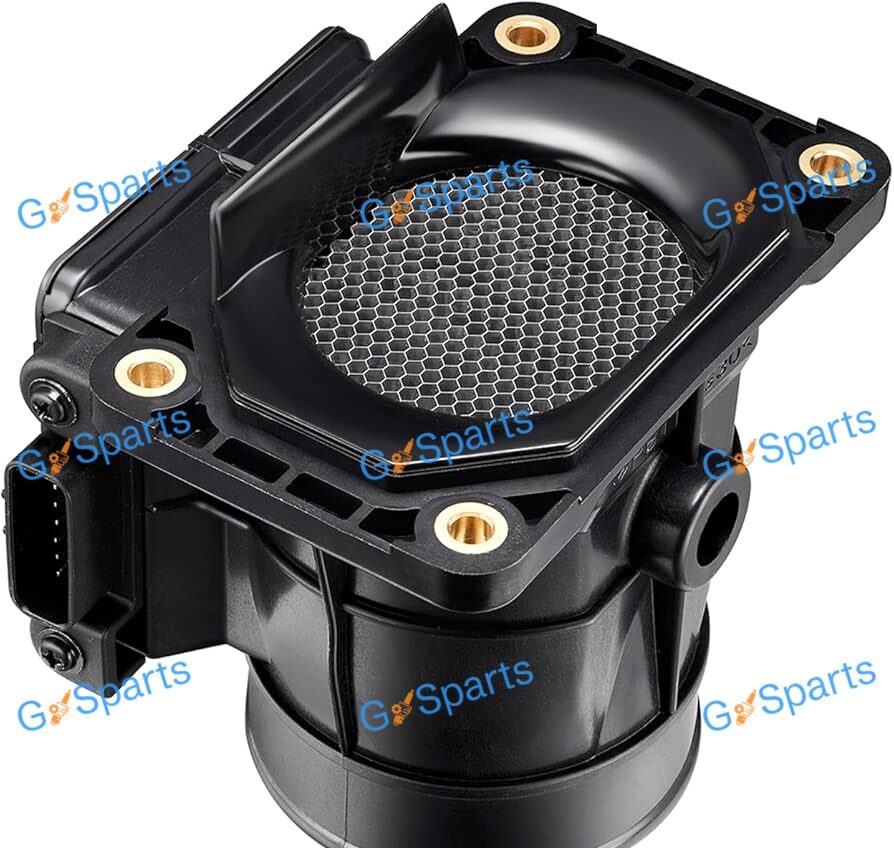
Genuine Mitsubishi MAF Sensor MD336501 – 1999–2005 Mitsubishi Outlander, Galant, Lancer
MAF Sensor for 1999–2005 Mitsubishi Outlander, Galant, Lancer. OEM MD336501 with 5-pin connector, hot-wire type for precise airflow measurement and stable idle.
Did you like this product? Add to favorites now and follow the product.

(+86) 180 07 12 47 38 WhatsApp, Telegram, WeChat
Description
Restore correct fueling on your 1999–2005 Mitsubishi Outlander, Galant, Lancer with this OEM‑equivalent Mass Air Flow (MAF) sensor (Part MD336501). The 5-pin connector, hot-wire type hot‑wire element delivers accurate intake airflow data to the ECU to maintain proper fuel trims, reduce emissions, and improve throttle response. Trusted aftermarket coverage includes Mitsubishi, Bosch, Denso. Commonly found in these models; verify fitment before purchase. Always confirm by VIN, connector style, and pin configuration before ordering.
Overview: who should read this guide and why it matters
This guide is written for technicians, parts buyers, and DIY enthusiasts who want reliable, practical advice for diagnosing, sourcing, and installing a replacement mass air flow sensor. The MAF sensor affects fueling, idle stability, emission readiness, and throttle response, so a clear, methodical approach avoids wasted time and unnecessary parts swaps. Whether you manage a fleet or work on a single vehicle, the information here helps you verify symptoms, perform electrical and live-data tests, choose between OEM and reputable aftermarket options, and validate the repair with post-install checks. If you need to order or install the Mitsubishi MAF Sensor MD336501, this article walks through the steps that produce a first-time-right repair and reduce comebacks.
Core function: how the MAF sensor informs engine management
A mass air flow sensor measures the mass of air entering the intake tract and sends a calibrated electrical signal to the engine control unit so fuel delivery can be precisely regulated. The fuel trims, ignition timing, and emissions control logic depend on this airflow measurement to maintain the correct air-fuel ratio. When the MAF is compromised by contamination, wiring faults, or internal drift, the ECU’s calculations go off and drivability symptoms appear. If you are diagnosing inconsistent fueling or fluctuating idle, confirm whether the Mitsubishi MAF Sensor MD336501 is producing an accurate, stable signal before replacing other components.
Typical symptoms that point toward MAF sensor issues
Vehicles with compromised airflow sensing often present with overlapping symptoms that mimic other faults: rough idle, hesitation on acceleration, stalling after cold start, poor fuel economy, and an illuminated check engine light with relevant diagnostic codes. Because vacuum leaks, faulty idle control devices, and oxygen sensor failures can create similar behavior, it’s critical to isolate the Mitsubishi MAF Sensor MD336501 as the root cause using data-driven tests rather than swapping parts based only on symptoms. A disciplined workflow reduces wasted parts and keeps labor costs down while improving diagnostic accuracy for technicians and DIYers alike.
Quick pre-checks with a scan tool before sensor removal
Before removing an intake component, connect a scan tool and observe live MAF readings with the engine idling and while applying moderate throttle. Check short-term and long-term fuel trims for signs of compensating for an airflow mismatch. Inspect stored freeze-frame data that can reveal operating conditions when a fault was recorded. Visual checks of the intake tract for obvious leaks or torn boots should precede any electrical tests. These initial steps help determine whether the Mitsubishi MAF Sensor MD336501 is likely at fault or if secondary issues like intake leaks are the real problem.
Electrical testing basics: power, ground, and signal checks
Begin electrical diagnostics by verifying proper power and ground at the MAF connector with the ignition on, engine off. Confirm reference voltages and that the signal wire behaves correctly as throttle position and RPM change. A simple resistance check across specific terminals — where specified by factory data — can reveal open or shorted elements, although resistance alone doesn’t prove full operational health. For the Mitsubishi MAF Sensor MD336501, electrical connectivity and stable supply voltages are prerequisites; a faulty harness or poor ground often mimics sensor failure, and fixing the wiring is cheaper and faster than sensor replacement.
Live-data interpretation to confirm airflow accuracy
Interpreting live MAF values alongside RPM and throttle position is essential for accurate diagnosis. At idle, typical mass airflow readings fall within engine- and displacement-specific ranges; they should increase predictably with throttle input. Erratic spikes, flatline readings, or values that contradict other sensors suggest sensor or wiring problems. Comparing live readings to known-good baselines or published OEM specifications clarifies whether the Mitsubishi MAF Sensor MD336501 needs cleaning, repair, or replacement. Capture data logs when possible to support warranty claims or to provide documented before-and-after evidence of the repair.
When to clean versus when to replace the sensor
Light contamination from dust or oil can sometimes be remedied by careful cleaning with a dedicated MAF cleaner, restoring accurate sensing without replacement. However, if the sensing element shows physical damage, the internal electronics exhibit intermittent faults, or cleaning produces no meaningful improvement in live data, replacement becomes the sensible course. Repeated clean-then-replace cycles are inefficient; if cleaning fails to restore stable readings for the Mitsubishi MAF Sensor MD336501, proceed to a direct replacement to minimize downtime and provide a permanent fix.
Oscilloscope testing: advanced diagnostics for intermittent faults
An oscilloscope reveals signal waveform shape and noise characteristics that a multimeter cannot, making it invaluable for identifying partial failures or interference on the signal line. Observing the MAF signal while the engine transitions through various RPMs will show whether the Mitsubishi MAF Sensor MD336501 produces a clean, repeatable waveform or if transient distortions occur. These details help distinguish internal sensor degradation from external electrical noise or poor grounding. For shops handling intermittent drivability complaints, oscilloscope skills reduce guesswork and often resolve issues without replacing unrelated parts.
Mechanical inspection: intakes, ducts, and sensor mounting points
Mechanical issues frequently contribute to MAF-related faults. Check intake boots, ducts, and clamps for cracks or leaks that allow unmetered air entry, which invalidates MAF readings. Ensure the sensor mounting flange seats flush and the mating surfaces are free from deposits that could alter sensor position. Also inspect adjacent components like the air filter and PCV system for oil carryover that could contaminate the sensing element. Addressing these mechanical contributors ensures that replacing the Mitsubishi MAF Sensor MD336501 won’t be undermined by an unchanged intake problem and reduces the chance of immediate post-repair returns.
Connector and harness common-failure modes and fixes
Wiring issues are a leading cause of MAF faults. Examine the connector for corrosion, bent pins, or water ingress; check harness routing for chafe points near sharp edges or hot components. Repairing broken wires or replacing damaged connectors often restores functionality without swapping the sensor itself. Heat shrink, soldered splices, and dielectric grease improve long-term reliability. When you evaluate a failing unit, always confirm that the Mitsubishi MAF Sensor MD336501 signal reaches the ECU; repairing the harness is commonly the most economical and durable fix.
Inbound inspection checklist for received replacement parts
Upon receiving a replacement, inspect packaging integrity, verify the printed part number, and compare physical dimensions and connector shapes to the removed unit. Check connector pins for straightness and test basic continuity if feasible. Taking photos of any mismatch or damage protects you during return or warranty claims. A quick bench check improves confidence that the Mitsubishi MAF Sensor MD336501 you’re about to install matches the vehicle’s original part and prevents wasted labor on incorrect or damaged components.
Fitment and compatibility: verifying the correct variant for the vehicle
MAF sensors come in variants tailored to specific engine calibrations and intake geometries. Always verify fitment via VIN or engine code lookup to ensure the Mitsubishi MAF Sensor MD336501 is compatible with the vehicle’s production run and emissions package. Small differences in connector spacing, mounting flange, or calibration can lead to poor performance even if the sensor physically fits. VIN verification reduces returns and ensures the replacement will integrate seamlessly with the ECU’s fueling strategy.
OEM vs aftermarket: quality, calibration, and warranty trade-offs
OEM units are built to the original calibration and typically match the factory signal curve precisely, while aftermarket parts vary in calibration fidelity and long-term durability. For emissions-sensitive vehicles or fleet applications, OEM replacements such as the Mitsubishi MAF Sensor MD336501 are often recommended to minimize risk. If choosing aftermarket, pick vendors who provide explicit electrical specifications, good reviews, and clear warranty policies. Proper selection avoids drivability headaches and preserves shop reputation.
Cross-reference and superseded part numbers to ease procurement
Part number cross-references and superseded IDs facilitate finding the correct unit when original stock is unavailable. Use reliable catalogs or supplier cross-reference tools to ensure any alternate listing truly matches the Mitsubishi MAF Sensor MD336501 specification and connector layout. Suppliers that publish interchange numbers, bolt patterns, and calibration characteristics enable informed buying decisions and allow shops to source compatible units quickly, especially for older or less common vehicles.
Step-by-step replacement procedure for a safe install
Replacement begins with disconnecting the battery if required, removing the intake ducting to access the sensor, carefully unplugging the electrical connector, and unfastening mounting screws. Remove the old sensor without prying on fragile components, clean mating surfaces, and inspect surrounding components for contributing damage. Install the new sensor, torque fasteners to spec, and reconnect the harness, ensuring a secure, moisture-resistant seal. Following these steps when replacing the Mitsubishi MAF Sensor MD336501 helps avoid post-install leaks and electrical issues.
Post-install validation: clearing codes and confirming live values
After installation, clear diagnostic trouble codes and monitor live MAF readings across idle and throttle transitions. Ensure fuel trims normalize and that the engine responds smoothly to load changes. Some ECUs adapt after a short drive cycle, so document initial readings and retest after a recommended run. If diagnostics show persistent anomalies after fitting the Mitsubishi MAF Sensor MD336501, re-evaluate intake seals, harness continuity, and ECU adaptations before concluding the repair.
Environmental impacts on sensor reliability and preventive steps
MAF sensors in hot, dusty, or oil-rich environments are more prone to contamination and early failure. Install high-quality intake filters appropriate for the application, ensure PCV and crankcase ventilation systems are maintained to minimize oil migration, and recommend more frequent inspections in harsh climates. Taking these preventive steps reduces the frequency of Mitsubishi MAF Sensor MD336501 replacements and improves vehicle reliability for customers who drive in adverse conditions.
Common installation mistakes to avoid for longevity
Typical errors that compromise outcomes include over-tightening sensor screws, misaligning the sensor flange, neglecting intake boot replacements, and skipping the post-install live-data validation. Each mistake can introduce leaks, physical stress, or inaccurate readings that cause drivability issues. Following manufacturer torque values and rechecking live data after installing the Mitsubishi MAF Sensor MD336501 ensures a robust repair and helps maintain customer satisfaction.
Troubleshooting intermittent issues that reappear sporadically
Intermittent faults often stem from transient wiring shorts, connector corrosion, or ECU adaptation states rather than permanent sensor defects. To diagnose reoccurring problems, back-probe the connector and observe signal under vibration, inspect harness routing for chafe, and consider thermal testing if failures correlate with temperature. Documenting the conditions under which the Mitsubishi MAF Sensor MD336501 fault appears helps isolate whether the issue is environmental, electrical, or mechanical.
Invoices, documentation, and warranty support best practices
Record pre- and post-repair diagnostics, including live-data screenshots and resistance measurements if relevant. Keep VIN and supplier details for warranty claims. These records expedite vendor interactions and protect your shop if a replacement part fails prematurely. When selling the Mitsubishi MAF Sensor MD336501 to a customer, provide a concise explanation of the work performed and any recommended follow-up actions to help maintain trust.
Product page essentials to improve buyer confidence and reduce returns
On an e-commerce listing for the sensor, include clear fitment tables, high-resolution photos of the connector and mounting flange, resistance or signal specifications where available, and a visible warranty statement. VIN lookup capabilities and a short troubleshooting FAQ reduce purchasing errors for buyers of the Mitsubishi MAF Sensor MD336501 and encourage informed decision-making, which in turn lowers return rates and support inquiries.
Schema and structured data recommendations for the SKU page
Use Product schema with SKU, manufacturer, and Offer details to enable rich snippets in search results. If verified customer reviews exist, include AggregateRating markup. Where possible, supply structured fitment data and specify compatibility by VIN ranges to help search engines match queries more accurately to the Mitsubishi MAF Sensor MD336501 product page.
Visual assets: photos, diagrams, and short videos that sell
Include close-up images of the sensor’s connector pins, flange orientation, and installed location in the intake manifold so buyers can visually confirm fitment. A brief clip demonstrating removal and reinstallation, along with a caption highlighting common pitfalls, reduces buyer uncertainty. These assets increase conversion and reduce post-sale confusion for customers ordering the Mitsubishi MAF Sensor MD336501 online.
Cross-sell and upsell suggestions that improve first-time-fix rates
Offer related products such as intake filters, PCV maintenance kits, and replacement intake boots as bundles. Suggest a diagnostic service or scan tool rental for DIY customers who want to validate the repair themselves. Bundling the Mitsubishi MAF Sensor MD336501 with complementary parts increases average order value and ensures customers receive everything needed to complete a first-time-right repair.
Shop workflow improvements that reduce comebacks and increase throughput
Standardize a pre-install checklist that includes VIN verification, inbound inspection, scanning and data capture, and post-install live-data validation. Training technicians to perform and archive these steps for each Mitsubishi MAF Sensor MD336501 replacement creates consistency and reduces comebacks. Workflow discipline converts diagnostic effort into predictable, profitable service outcomes.
Final pre-delivery checklist and customer handoff best practices
Before returning the vehicle, confirm clear diagnostic codes, normal fuel trims, secure connectors, and that the intake path is leak-free. Provide the customer with documentation of tests performed, the part number installed, and recommended monitoring steps. This transparent handoff builds confidence and reduces follow-up calls related to the Mitsubishi MAF Sensor MD336501 repair.
Long-term monitoring and trend analysis for fleet reliability
For fleets and high-mileage vehicles, adopting a long-term monitoring strategy for sensors like the Mitsubishi MAF Sensor MD336501 pays dividends in uptime and total cost of ownership; instead of reacting to a sudden drivability complaint, capture and log live MAF readings, fuel trim trends, and fault code histories at every service interval so small degradations become visible before they cause failures. Implementing a simple spreadsheet or integrating data into a shop management system allows technicians to spot gradual drift in airflow readings or recurring transient spikes that correlate with specific operating conditions — for example, high-load highway runs or dusty off-road routes.
Conclusion: making informed choices for lasting results
Precision in diagnosis, careful verification of fitment, and disciplined installation practices are the cornerstones of effective MAF sensor service. Whether you clean, repair harnesses, or replace the Mitsubishi MAF Sensor MD336501 outright, the safe approach is to use data-driven tests, verify incoming parts, and validate the outcome with live data. These practices protect customers from unnecessary expense, preserve shop reputation, and ensure engines operate efficiently and cleanly after repair.
External Links (MAF Sensor Education & References)
Internal Links (Keep Users on G-Sparts)
Related products



G-SPARTS – Leading Auto Parts Supplier Since 2009
Trusted by 1000+ Clients Worldwide | Chinese (BYD, Geely, Chery, …), Japanese (Toyota, Honda, Nissan, …), European (BMW, Mercedes, VW, …) & American (Ford, Chevrolet, Tesla, …) Car Spares | Best Prices & OEM Quality | 15+ Years Expertise | Professional Team, Fast Global Shipping
Copyright 2025 © G-Sparts All Rights Reserved. | Premium Chinese Auto Parts Supplier – Worldwide Shipping | Best Prices on OEM & Aftermarket Spares

Reviews
There are no reviews yet.