
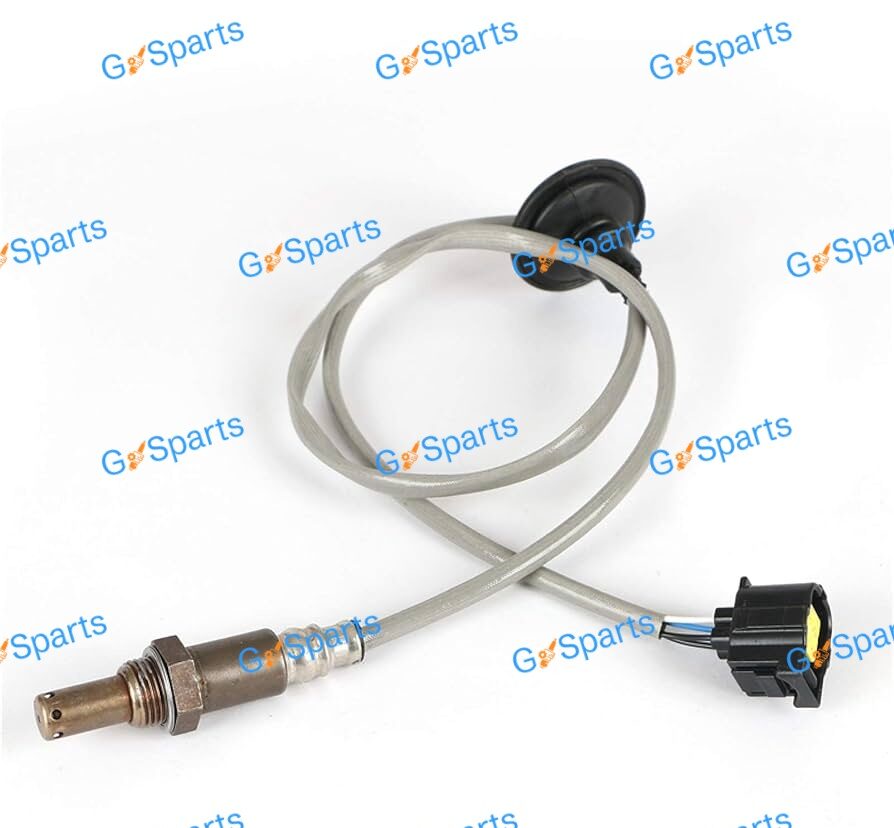
Genuine Mitsubishi Oxygen O2 Sensor 1588A144 – Smoother, Cleaner, Smarter
O₂ sensor for Lancer, Outlander Sport, select Outlander variants (≈2008–2018) – Upstream (pre‑cat). Specs: Typically 4‑wire heated upstream; OE connector & harness; verify probe length.
Did you like this product? Add to favorites now and follow the product.

(+86) 180 07 12 47 38 WhatsApp, Telegram, WeChat
Description
OE‑style oxygen (lambda) sensor listing for Mitsubishi applications. Models: Lancer, Outlander Sport, select Outlander variants (≈2008–2018). OEM/reference(s): 1588A144. Position: Upstream (pre‑cat). Typical specification: Typically 4‑wire heated upstream; OE connector & harness; verify probe length. Brands/cross‑refs: Mitsubishi OEM; Denso 234-4738 / 234-4739 cross. Fitment guidance: Use VIN to confirm exact 1588A144 fit for your engine. Source: mitsubishi.oempartsonline.com.
The Oxygen Sensor’s Job in Modern Engine Control
A closed-loop fuel system lives or dies by signal quality. The upstream sensor informs the ECU how close combustion is to stoichiometric, guiding injector pulse width, spark advance, and protective strategies for the catalyst. A sluggish or noisy element inflates fuel use, roughens idle, and risks inspection failure. Selecting a precise replacement restores switching speed and repeatability so trims behave. For owners and technicians seeking dependable factory-aligned behavior, Mitsubishi Oxygen O2 Sensor 1588A144 brings the calibration match and connector certainty needed to return drivability quickly. Install Mitsubishi Oxygen O2 Sensor 1588A144, and you anchor diagnostics to a known-good reference that stabilizes feedback under city, highway, and hot-soak conditions.
Exact Fitment Avoids Costly Guesswork
Visually similar parts can hide critical differences: heater wattage, cell response curve, connector keying, and lead length. Those details determine whether closed loop engages promptly and stays stable when accessories cycle. Mismatched units can cause nuisance codes, long warm-up delays, or choppy fuel trims at cruise. The right upstream component ensures the ECU interprets voltage transitions correctly without compensating for noise. With Mitsubishi Oxygen O2 Sensor 1588A144 you get direct-fit geometry and the correct electrical expectations, reducing bay time and preventing harness strain or awkward routing that later becomes intermittent faults during vibration or heat cycles.
Upstream vs. Downstream—Know the Difference
Upstream sensors steer fueling; downstream sensors audit catalyst efficiency. Swapping positions or choosing a “universal” unit invites incorrect heater current and waveform behavior, confusing monitors and delaying readiness. An upstream element must switch rapidly around lambda=1 while the downstream should remain relatively stable when the catalyst is healthy. Using Mitsubishi Oxygen O2 Sensor 1588A144 in the upstream role keeps the fuel model honest, preventing over-enrichment that overheats substrates and protecting long-term emissions performance across seasonal fuels, altitude changes, and mixed driving profiles.
Heater Circuit: Faster Light-Off, Cleaner Starts
The built-in heater brings the sensing cell to operating temperature quickly, shrinking the open-loop window after cold starts. That matters for both emissions and drivability, especially on short trips. Under- or over-powered heaters skew durability and response. With Mitsubishi Oxygen O2 Sensor 1588A144, heater characteristics align with ECU expectations, promoting fast light-off, crisp switching, and reliable cold-weather behavior. The result: fewer rich spikes, steadier idle as loads change, and a catalyst that reaches its effective operating zone without drama during morning commutes or stop-and-go errands.
Recognizing a Tired Sensor in the Real World
Common clues include reduced fuel economy, sulfur odors after heavy throttle, hesitation on tip-in, or a persistent check-engine light for slow response. Live data may show lazy cross-counts, stuck-rich/lean behavior, or trims pinned positive at cruise. Replacing with Mitsubishi Oxygen O2 Sensor 1588A144 restores the sharp voltage swing the ECU expects, smoothing transient fueling and helping the catalyst do its job. Because Mitsubishi Oxygen O2 Sensor 1588A144 is engineered for your platform, you avoid the hidden penalties that follow “almost right” parts and the comebacks they generate.
Diagnose First, Replace Once—Smart Workflow
Good process beats parts cannons. Inspect for upstream exhaust leaks that admit fresh air and fake a lean signal. Verify 5-volt references, grounds, and connector integrity. Compare MAF plausibility and fuel trims across load points. If wiring and airflow pass muster yet switching remains lazy, replacement is warranted. Dropping in Mitsubishi Oxygen O2 Sensor 1588A144 gives you a clean baseline so any remaining instability points to genuine mechanical faults, not a noisy feedback element masquerading as something else.
Fitment Confidence with VIN and Visual Checks
Model-year splits, emissions packages, and engine codes can change connector keys or harness length. Confirm upstream/downstream position and bank, then match connector indexing and lead protection to the original. A quick photo of the old unit’s clocking helps. Installing Mitsubishi Oxygen O2 Sensor 1588A144 after this sanity check ensures proper seating, correct harness slack, and no stressed bends near heat shields—details that prevent intermittent dropouts months down the road.
Preparation: Tools, Safety, and Access
Work on a cool exhaust to avoid thread galling and burns. Penetrant, an O2 socket, torque wrench, and a nylon brush for the bung are your essentials. Avoid contaminating the tip with anti-seize or oil. Inspect the mating seat and threads; repair damaged bungs before proceeding. With Mitsubishi Oxygen O2 Sensor 1588A144 on the bench, confirm connector engagement feel and latch integrity so the on-car click is unmistakable, even in tight spaces with limited visibility.
Removal Technique and Thread Integrity
Support the exhaust if needed, break the sensor free without twisting the harness, and track the routing path for reinstallation. Clean threads lightly; if anti-seize is specified by the manufacturer, apply sparingly away from the first threads. Seating Mitsubishi Oxygen O2 Sensor 1588A144 smoothly preserves shell flatness and ensures a gas-tight seal. A clean interface prevents stray oxygen intrusion that would otherwise trick the ECU into chasing a phantom lean condition and bumping trims upward at cruise.
Torque, Sealing, and Leak Checks
Under-torque invites leaks; over-torque risks shell distortion or cracked ceramics. Tighten to specification, then run the engine and listen for tick-like leaks around the bung. A smoke check upstream of the catalyst is a quick way to confirm integrity. Once Mitsubishi Oxygen O2 Sensor 1588A144 is seated correctly, you can trust that the feedback reflects combustion reality rather than diluted exhaust—critical for accurate mixture control and a stable idle with accessories cycling.
ECU Reset, Monitors, and Drive Cycle
Some platforms relearn quickly; others want a specific sequence of steady cruise, idle, and decel fuel-cut to set readiness. Clearing codes may speed adaptation if trims were badly skewed. After installing Mitsubishi Oxygen O2 Sensor 1588A144, perform a short mixed drive: warm idle, light throttle cruise, a few gentle accelerations, then engine-braking decels. Expect crisp switching upstream and a calmer downstream trace as the catalyst does its work.
Verifying Success with Live Data
Healthy upstream sensors switch rapidly near stoichiometric under light load. Watch cross-counts, short-term trims, and downstream stability. You should see trims hovering near zero with modest oscillation and no pegged extremes. If the waveform is clean after Mitsubishi Oxygen O2 Sensor 1588A144 installation but trims remain high, look for vacuum leaks or misreported airflow; your sensor has done its job by giving the ECU a trustworthy signal to act upon.
Real Fuel-Economy and Emissions Benefits
Small improvements compound over thousands of kilometers. Accurate feedback reduces unnecessary enrichment, protecting the converter and trimming fuel bills. Drivers often notice smoother throttle transitions and quieter operation. With Mitsubishi Oxygen O2 Sensor 1588A144 in place, the ECU spends less time fighting noise and more time optimizing timing and injection—translating engineering intent into everyday refinement. In jurisdictions with stringent testing, this accuracy also keeps inspection anxiety low.
Catalyst Protection Through Accurate Mixture Control
Rich operation can overheat substrates; lean spikes raise NOx. The upstream sensor’s job is to help the ECU avoid both. Installing Mitsubishi Oxygen O2 Sensor 1588A144 renews that safety net. When the feedback loop is fast and precise, the catalyst sees predictable chemistry, extending life and delaying expensive replacements. Post-repair data typically shows calmer downstream behavior, a strong hint that your front-end control is back to factory cadence.
Built for Heat, Vibration, and Contamination
Under-hood environments attack seals, ceramics, and crimps. Quality elements use robust platinum electrodes, gas-tight construction, and high-temp insulation that resists oil mist and condensate shock. Mitsubishi Oxygen O2 Sensor 1588A144 is engineered to maintain signal integrity across hot soaks, winter starts, and relentless vibration so the ECU isn’t forced into conservative, fuel-heavy fallback strategies that dull throttle response and invite deposits.
Authenticity Matters—Avoid Copycat Pitfalls
Counterfeits often skimp on heater control, sealing, and calibration checks, leading to early drift. Buy from sources that document batch codes and show the exact connector and lead sheathing. With Mitsubishi Oxygen O2 Sensor 1588A144, genuine packaging, consistent markings, and a precise latch feel signal the manufacturing discipline that underwrites long-term reliability and predictable readiness monitor behavior.
Habits That Extend Sensor Life
Fix misfires quickly, avoid silicone sprays upstream, and address coolant or oil leaks that can poison the element. Keep air filters fresh and intake paths sealed so trims don’t wander. Choosing Mitsubishi Oxygen O2 Sensor 1588A144 sets a high baseline; pairing it with these maintenance habits keeps cross-counts lively and trims centered, preserving both performance and emissions compliance through seasons and varying fuel blends.
How It Works with MAF/MAP and Fuel Trims
The ECU triangulates load using airflow data and oxygen feedback. If any leg lies, the model skews. After installing Mitsubishi Oxygen O2 Sensor 1588A144, expect more coherent relationships between throttle angle, MAF, and trims. That coherence makes remaining issues easier to spot: vacuum leaks, tired injectors, or restricted exhaust become obvious when the feedback loop itself is quiet and predictable rather than noisy and ambiguous.
Modifications, Heat Management, and Tuning
Aftermarket headers or intake changes alter thermal and airflow conditions. Shielding, correct bung placement, and leak-free joints keep the sensor in its comfort zone. With Mitsubishi Oxygen O2 Sensor 1588A144 providing a stable baseline, tuners can refine maps around real signals rather than compensating for sensor lag. The payoff is repeatable drivability on the street and cleaner readiness for inspections, even on lightly modified vehicles.
If Issues Persist—A Logical Checklist
When trims remain unreasonable, re-smoke the intake and pre-cat exhaust, validate fuel pressure, and scope ignition for random misfires. Confirm ground integrity and reference voltage under accessory loads. A known-good upstream element like Mitsubishi Oxygen O2 Sensor 1588A144 lets you isolate root causes with confidence, preventing wasteful part swaps and keeping your troubleshooting tree focused on genuine mechanical or electrical constraints.
Fleet and Shop Efficiency Advantages
Standardizing on dependable upstream components reduces diagnostic variance and comeback risk. Technicians learn one connector feel, one routing strategy, one expected waveform. Stocking Mitsubishi Oxygen O2 Sensor 1588A144 simplifies training and inventory while delivering predictable outcomes across a range of similar platforms. Fewer retests and faster monitor set times translate into higher bay throughput and happier customers.
Compliance and Environmental Responsibility
Meeting local emissions standards protects air quality and avoids fines or registration delays. A crisp upstream signal is the cheapest path to passing numbers. With Mitsubishi Oxygen O2 Sensor 1588A144, you give the control system the data it needs to keep NOx, HC, and CO in check without blunt, fuel-heavy workarounds that waste money and accelerate catalyst aging.
Advanced Telemetry: Cross-Counts, Trim Behavior, and Proof-of-Performance
After installation, validate control loop health with a quick data session: at warm idle and 2,000–2,500 rpm steady cruise, watch upstream switching frequency, STFT/LTFT centering, and downstream calmness. Healthy loops show lively cross-counts and trims hovering near zero with modest oscillation, not pegged extremes. Add a few gentle accel/decel events to confirm transient fueling is crisp and that decel fuel-cut produces the expected downstream oxygen rise. When the upstream waveform is sharp and repeatable, the ECU can optimize timing and injection without defensive enrichment. That’s the practical value you unlock by specifying Mitsubishi Oxygen O2 Sensor 1588A144 and pairing it with disciplined, metadata-rich verification after every repair.
Cold-Start Strategy, Seasonal Fuels, and Altitude Readiness
Cold climates, winter oxygenates, and elevation changes all stress mixture control. A precise upstream signal shortens open-loop time, lets the ECU stabilize idle during dense-air mornings, and prevents over-rich cranking that soots plugs and loads the catalyst. In shoulder seasons, volatile blends can shift vaporization characteristics, making transient fueling trickier around the first minute of operation. If you frequently drive over mountain passes, expect trims to remain rational instead of drifting during long grades and hot restarts. Installing Mitsubishi Oxygen O2 Sensor 1588A144 gives the control strategy the fidelity it needs to adapt gracefully to weather, fuel formulation, and atmospheric pressure swings.
Manufacturing QA: Electrodes, Heater Mapping, and Traceability Discipline
Longevity begins at the line: consistent platinum loading, gas-tight crimps, ceramic integrity checks, and heater wattage calibration are what separate dependable sensors from look-alikes. Batch traceability enables root-cause analysis if a field issue ever appears, while 100% end-of-line switching and heater ramp tests screen out early drift. Packaging matters too: tip protectors, moisture control, and locked connectors prevent transit damage that shows up months later as “mystery” faults. Choosing Mitsubishi Oxygen O2 Sensor 1588A144 means aligning with a QA stack designed for stable voltage transitions, predictable light-off, and durable sealing—precisely the traits your ECU expects when it builds fuel, spark, and catalyst-protection decisions every second.
Checkout Confidence: VIN Fitment, Modal Warnings, and Hassle-Free Returns
Great e-commerce prevents errors before they happen. Start with VIN-based fitment, then show connector close-ups, lead length, and upstream/downstream position callouts on the product page. Add a pre-payment modal that reconfirms engine code and sensor location, plus a quick drive-cycle primer so customers know how to set monitors after the swap. If a mismatch slips through, transparent return terms and serializable packaging speed resolution while preserving trust. This friction-free journey, anchored by Mitsubishi Oxygen O2 Sensor 1588A144, converts search intent into the right part on the first try—and a vehicle that idles smoothly, passes inspections, and drives with the quiet confidence owners notice immediately.
Owner Questions, Straight Answers
How long should a sensor last? It depends on duty cycle and engine health; upstream units see harsher conditions and may age sooner than downstream. Will premium fuel help? Cleaner combustion can reduce deposits but won’t fix a failing element. Is proactive replacement smart? If data shows lag and trims drift, yes. Installing Mitsubishi Oxygen O2 Sensor 1588A144 restores feedback integrity so the rest of the system can do its job, turning vague drivability complaints into measurable improvements.
The Confident Finish: Back to Factory Rhythm
A smooth idle, crisp tip-in, and clean readiness monitors are the hallmarks of a healthy feedback loop. Careful diagnostics, clean installation practice, and the right upstream unit complete the picture. Choose Mitsubishi Oxygen O2 Sensor 1588A144 to align hardware with calibration, protect your catalyst investment, and reclaim that composed, efficient feel. With a trustworthy signal in place, every kilometer reinforces why precision parts and disciplined process pay off in both performance and peace of mind.A known-good upstream element like Mitsubishi Oxygen O2 Sensor 1588A144 lets you isolate root causes with confidence, preventing wasteful part swaps and keeping your troubleshooting tree focused on genuine mechanical or electrical constraints.
External Resources (Standards & Technical References)
- SAE J1979 — OBD-II Diagnostic Test Modes
- ISO 15031 — Road Vehicles/Scan Tool Communication
- US EPA — Basic Information on OBD-II
- NGK/NTK — Oxygen (Lambda) Sensors Overview
- Bosch Mobility — Oxygen Sensor Technology
Related Internal Links
Additional information
| OEM / Reference | 1588A144 |
|---|---|
| Brands / Cross | Mitsubishi OEM; Denso 234-4738 / 234-4739 cross |
| Models | Lancer, Outlander Sport, select Outlander variants (≈2008–2018) |
| Position | Upstream (pre‑cat) |
| Specifications | Typically 4‑wire heated upstream; OE connector & harness; verify probe length |
| Fitment note | Use VIN to confirm exact 1588A144 fit for your engine. |
| Source | mitsubishi.oempartsonline.com |
Related products


Recently Viewed Products



G-SPARTS – Leading Auto Parts Supplier Since 2009
Trusted by 1000+ Clients Worldwide | Chinese (BYD, Geely, Chery, …), Japanese (Toyota, Honda, Nissan, …), European (BMW, Mercedes, VW, …) & American (Ford, Chevrolet, Tesla, …) Car Spares | Best Prices & OEM Quality | 15+ Years Expertise | Professional Team, Fast Global Shipping
Copyright 2025 © G-Sparts All Rights Reserved. | Premium Chinese Auto Parts Supplier – Worldwide Shipping | Best Prices on OEM & Aftermarket Spares

Reviews
There are no reviews yet.