
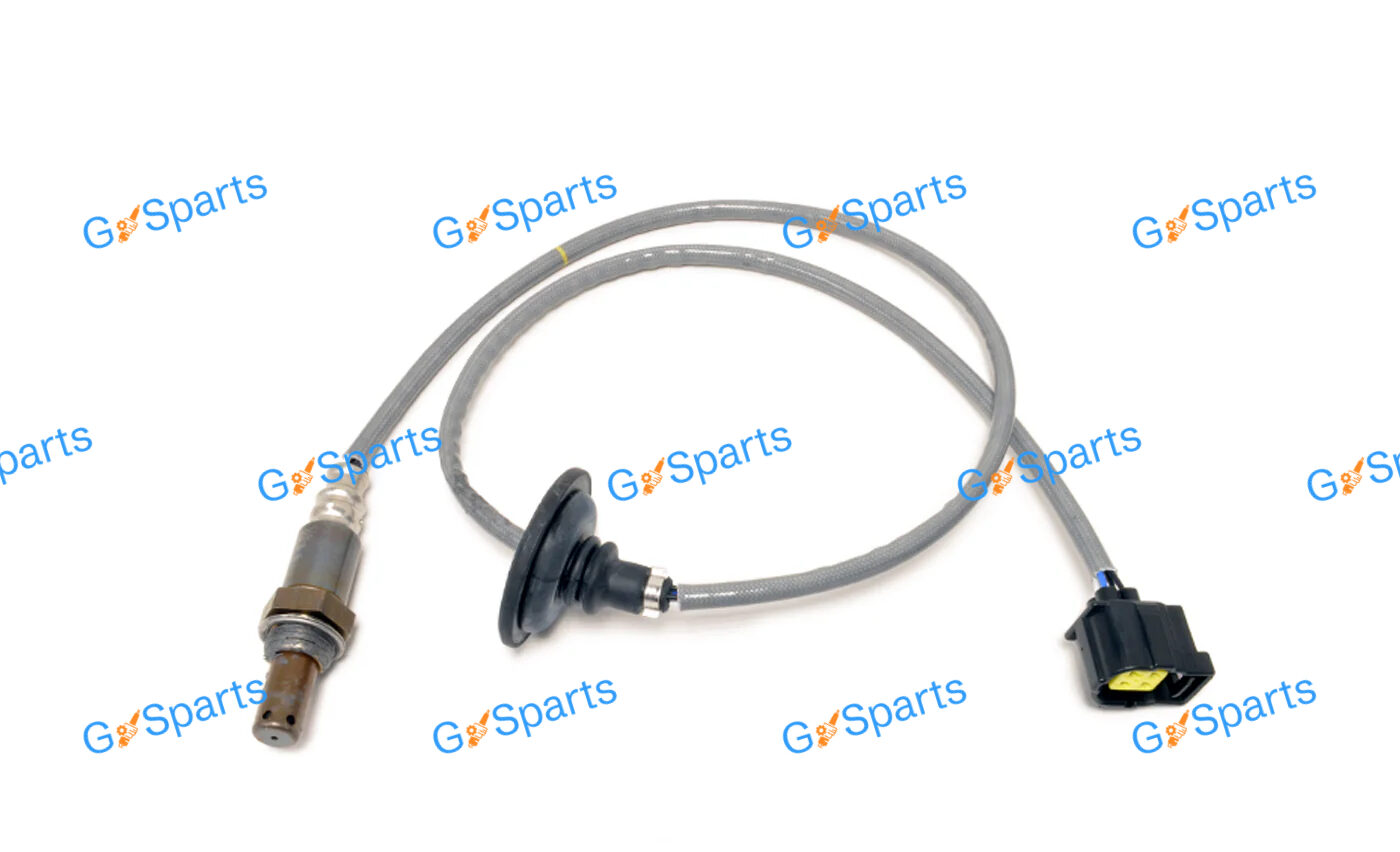
Ultimate Mitsubishi Oxygen O2 Sensor EV/BEV note (i‑MiEV, EV trims) – Mitsubishi i‑MiEV / EV trims — no O₂ sensors on BEV powertrains (—)
O₂ sensor for Mitsubishi i‑MiEV / EV trims — no O₂ sensors on BEV powertrains – —. Specs: Not applicable — BEV drivetrains have no exhaust O₂ sensors.
Did you like this product? Add to favorites now and follow the product.

(+86) 180 07 12 47 38 WhatsApp, Telegram, WeChat
Description
OE‑style oxygen (lambda) sensor listing for Mitsubishi applications. Models: Mitsubishi i‑MiEV / EV trims — no O₂ sensors on BEV powertrains. OEM/reference(s): EV/BEV note (i‑MiEV, EV trims). Position: —. Typical specification: Not applicable — BEV drivetrains have no exhaust O₂ sensors. Brands/cross‑refs: —. Fitment guidance: Check trim: hybrids/ICE variants may still have O₂ sensors. Source: —.
EV vs. Hybrid: What the Sensor Actually Applies To
Pure battery electric vehicles don’t burn fuel and therefore have no exhaust stream to analyze, so they do not use oxygen sensors at all. Hybrids and plug-in hybrids still run an internal-combustion engine, so they depend on upstream and downstream lambda feedback for mixture control and catalyst health. This is why any part guidance must separate BEV models (no sensor) from PHEV/HEV models (sensor present). If you’re sorting listings, the Mitsubishi Oxygen O2 Sensor EV/BEV note clarifies that i-MiEV-type BEVs have none, while Outlander PHEV/Eclipse Cross PHEV do. Treat the Mitsubishi Oxygen O2 Sensor EV/BEV note as a fitment gate: if there’s no engine, there’s no sensor, and your search should pivot to HV safety checks, not exhaust components.
What an Oxygen Sensor Does in Mitsubishi Hybrids
In hybrids, the controller uses a zirconia element’s switching behavior to steer short-term and long-term fuel trims near stoichiometry, protecting catalysts while balancing economy and emissions. A robust heater lights the element quickly, keeping feedback authoritative during short trips and frequent start-stops. If switching grows lazy, trims widen, catalyst temps drift, and drivability loses its crisp edge. That is a sensor problem, not a BEV problem; tie every decision back to the Mitsubishi Oxygen O2 Sensor EV/BEV note to confirm the platform actually needs oxygen feedback. For HEV/PHEV Mitsubishis, correct upstream/downstream parts restore the calm oscillations you want to see in logs and the smooth response drivers expect in traffic.
Model Split: i-MiEV vs. Outlander PHEV and Eclipse Cross PHEV
Mitsubishi’s BEV lineage (for example, i-MiEV and its derivatives) contains no exhaust aftertreatment, so oxygen sensors are irrelevant to those platforms. By contrast, Outlander PHEV and Eclipse Cross PHEV operate a gasoline engine frequently; their ECUs rely on upstream lambda for mixture control and downstream lambda to audit catalyst efficiency once hot. Use the Mitsubishi Oxygen O2 Sensor EV/BEV note to prevent misorders: BEV → no O2 sensor in any position; PHEV/HEV → confirm bank/position, heater spec, connector keying, and lead length. This simple branch saves hours and avoids returns, ensuring your parts cart reflects the vehicle’s actual propulsion architecture rather than assumptions based on nameplates that span EV and hybrid variants.
Fitment Fundamentals for Hybrids (Not BEVs)
Correct thread reach places the ceramic element in the gas stream, while a fresh crush washer prevents dilution that flattens waveforms. Clock the body so the lead clears joints and shields; route with service slack for engine rock; and torque to spec. The Mitsubishi Oxygen O2 Sensor EV/BEV note reminds you that none of this applies to BEVs, which lack exhaust plumbing entirely. For hybrids, bank/position mapping matters: upstream drives control, downstream audits conversion. Incorporate the Mitsubishi Oxygen O2 Sensor EV/BEV note into your checklist so buyers don’t attempt to “find the sensor” on a battery-only platform and so hybrid owners get exactly the calibrated part their ECU strategy expects.
Regulatory Context: Emissions vs. Zero Tailpipe
Emissions rules mandate onboard diagnostics and catalyst monitoring for spark-ignition engines—hence oxygen sensors on hybrids. BEVs are zero tailpipe by design, so oxygen monitoring doesn’t exist; their compliance focuses on electrical safety, battery durability, and charging interfaces. When building catalog pages, stitch this distinction into copy and filters with a persistent Mitsubishi Oxygen O2 Sensor EV/BEV note so visitors don’t waste time cross-referencing parts that cannot exist on an all-electric powertrain. For hybrid shoppers, emphasize readiness completion, catalyst protection, and fuel economy—outcomes directly tied to healthy upstream/downstream sensing once the vehicle is warm and in closed-loop control.
Decision Tree Before You Order
Begin with propulsion type: BEV or HEV/PHEV. If BEV, stop—no O2 sensor. If hybrid, confirm year/engine code, bank/position, connector indexing, and heater wattage. The Mitsubishi Oxygen O2 Sensor EV/BEV note helps prevent dead-ends by front-loading this branch. Next, validate fundamentals: fuel pressure, ignition quality, intake/exhaust leak integrity. Only then interpret lambda waveforms; if upstream cadence is slow or noisy and downstream too lively at cruise, replacement is warranted. By following this sequence, hybrid owners buy once and fix once, while BEV owners avoid chasing a part their cars cannot use, saving both time and support bandwidth for everyone involved.
Why Heaters Matter in Hybrid Duty Cycles
Hybrid engines frequently start cold for brief windows, so sensor heaters must light the element quickly and maintain temperature during idle, creep, and queues. Weak heaters delay closed-loop entry, push conservative enrichment, and risk catalyst stress. The Mitsubishi Oxygen O2 Sensor EV/BEV note separates this hybrid-specific reality from BEVs, where none of these thermal considerations apply. After replacement on a hybrid, verify time-to-switch from a cold start, upstream cadence at warm idle, and a calm downstream trace at hot cruise. These signatures prove the feedback loop is authoritative again and that short-trip drivability will feel predictably smooth in mixed urban conditions.
Exhaust Leaks, Data Quality, and False Alarms
Pre-sensor leaks admit oxygen and fake lean, sending trims and diagnostics on a wild goose chase. BEVs cannot have this failure mode, reinforcing the value of the Mitsubishi Oxygen O2 Sensor EV/BEV note at the top of support scripts. For hybrids, smoke-test manifolds, gaskets, and flex joints before blaming the element. Once sealed, a good upstream switches briskly; the downstream steadies as the catalyst stores oxygen. If the pattern is still ragged, replace the sensor and retest on the same route. The Mitsubishi Oxygen O2 Sensor EV/BEV note ensures you’re applying these steps only where they make sense—on vehicles with an engine and exhaust path.
Upstream vs. Downstream Roles in Hybrids
Upstream elements guide immediate fuel control, while downstream elements audit conversion once the brick is hot. Expect lively switching up front, quieter behavior behind, and decisive drops on fuel-cut deceleration. None of this exists on BEVs, so catalog logic should hide sensor SKUs when the Mitsubishi Oxygen O2 Sensor EV/BEV note detects a battery-only trim. For hybrid shoppers, clear bank/position diagrams and short validation videos reduce returns dramatically. Show “good vs. bad” plots so buyers recognize healthy patterns after installation, anchoring confidence in the repair and minimizing post-sale uncertainty.
Readiness Monitors and Inspection Outcomes
Hybrids still must complete oxygen-related monitors; BEVs do not. If readiness stalls on a hybrid, investigate upstream heater performance, switching cadence, and downstream stability at hot cruise. The Mitsubishi Oxygen O2 Sensor EV/BEV note prevents support teams from applying readiness advice to BEV customers who only need HV diagnostics or software updates. When the right element is installed and validated, monitors close promptly, emissions tests feel routine, and owners leave with objective evidence—overlays tied to VIN and ambient conditions—proving the loop is back in command as designed.
Fuel Economy and Drivability Payoffs (Hybrid Only)
Small lambda errors compound into real fuel spend, heat, and vague response. Restoring crisp upstream behavior re-centers trims, cools catalysts under load, and makes tip-in feel precise instead of rubbery. None of these improvements are BEV topics, which is exactly why the Mitsubishi Oxygen O2 Sensor EV/BEV note is so important for funneling buyers to the right advice. For hybrid owners, before/after plots plus a short, repeatable validation route transform “it feels better” into measurable gains, reducing comebacks and increasing trust in the service process.
Installation Best Practices for Hybrid Sensors
Work on a cool exhaust; pre-soak threads; hand-start to avoid cross-threading; keep the tip pristine; and torque to specification. Clock the body to clear joints and shields, route with service slack, and clip at factory points to prevent chafe. The Mitsubishi Oxygen O2 Sensor EV/BEV note reminds teams that none of this applies to BEVs, which lack exhaust hardware entirely. After install on a hybrid, perform a quick validation drive and archive overlays by VIN. A tidy process paired with precise fitment translates to fewer returns and calmer post-sale conversations for everyone involved.
Wiring Hygiene and Heat Management
A perfect element can be framed by noisy wiring. Clean grounds, measure voltage drop under accessory load, inspect terminals for corrosion or oil wicking, and sleeve the loom near radiant sources. Secure strain relief so engine motion doesn’t tug on connectors. The Mitsubishi Oxygen O2 Sensor EV/BEV note helps triage: skip exhaust-sensor wiring checks on BEVs and shift attention to HV harness inspections and thermal management instead. For hybrids, these simple habits protect heater circuits and preserve signal quality, leading to stable trims and a smooth, predictable feel on every drive cycle.
Data Logging That Proves Success
Warm the vehicle fully, confirm closed loop, then log one minute of idle, steady mid-speed cruise, two gentle accelerations, and a long decel to fuel cut. Healthy upstream switching is crisp and centered; downstream steadies when hot and drops decisively during fuel cut. The Mitsubishi Oxygen O2 Sensor EV/BEV note clarifies that BEVs can’t produce such plots because there’s no exhaust chemistry to measure. For hybrids, save overlays with ambient and route noted; six months later, you’ll diagnose changes in minutes by comparing apple-to-apple patterns rather than relying on memory.
Counterfeit Awareness and Sourcing Discipline
Signal parts attract copycats whose drift wastes diagnostic hours. Publish a “verify your unit” photo guide showing genuine connector mold lines, terminal finish, and label fonts. Tie serials to orders for traceability. The Mitsubishi Oxygen O2 Sensor EV/BEV note should steer BEV owners away from sensor SKUs entirely, reducing accidental purchases and support noise. For hybrid customers, evidence-first sourcing and post-install screenshots make yes/no decisions fast and fair, preserving trust while protecting margins in busy seasons.
Customer Education That Reduces Returns
Clarity converts. Begin with a one-screen explainer: “Do you have a BEV or a hybrid?” Link to a short video showing upstream vs. downstream roles and a thumbnail of “good vs. bad” switching. The Mitsubishi Oxygen O2 Sensor EV/BEV note should appear near the Add-to-Cart button, preventing BEV misorders and guiding hybrid buyers toward the correct bank/position. Offer a downloadable validation worksheet so DIY installers can self-verify success after the first drive, turning support into quick confirmations rather than long back-and-forth email threads.
Fleet and Workshop Playbooks
Across many vehicles, tiny inefficiencies become line items—fuel, delays, and technician time. Standardize parts, steps, and a five-minute validation loop. Archive overlays by VIN to spot drift early and schedule service before symptoms escalate. The Mitsubishi Oxygen O2 Sensor EV/BEV note keeps your workflow honest: BEVs skip exhaust checks and move straight to HV diagnostics, while hybrids receive full oxygen-feedback validation. This discipline raises first-pass fix rates and calms phones when workloads spike, all while giving customers objective proof at hand-off.
Seasonal Behavior and Heater Checks
Cold starts stress heater circuits; summer traffic tests thermal stability. For hybrids, verify time-to-switch at similar ambients, observe steady cruise cadence, and ensure decisive decel drops. If the pattern degrades with weather, reinspect wiring and routing. The Mitsubishi Oxygen O2 Sensor EV/BEV note keeps expectations straight—BEVs have none of these signatures, so seasonal analysis focuses on battery thermal management instead. Clear boundaries prevent wasted effort and ensure your diagnostics reflect how each platform actually works throughout the year.
Mild Mods Without Losing Manners
Intake or exhaust tweaks on hybrid trims can expose marginal feedback. Anchor calibration on a healthy upstream/downstream pair, validate idle and cruise patterns, then make small transient adjustments. The Mitsubishi Oxygen O2 Sensor EV/BEV note prevents applying this advice to BEVs, where performance tuning never touches exhaust chemistry. For hybrid daily drivers, the payoff is subtle but real: smoother merges, steadier grades, and readiness that still completes on time after tasteful hardware changes.
Troubleshooting Edge Cases After Replacement
If traces remain odd post-install, widen the lens: compare throttle changes with upstream rate, verify MAF cleanliness, pressure-test fuel under load, and inspect mounts that might tug the loom under torque. Heat-soak the bay, then repeat idle sweeps to expose temperature dependence. The Mitsubishi Oxygen O2 Sensor EV/BEV note ensures these steps are reserved for hybrids, while BEV concerns shift toward firmware, sensors unrelated to combustion, and HV isolation. Right steps, right platform—that’s how you solve cause, not symptom, without spinning your wheels.
Durability, Materials, and Long-Term Confidence
Daily life brings vibration, moisture, dust, and salts. Quality elements use stable ceramics, robust heaters, and sealed crimps to preserve calibration. In hybrid service, that means centered trims across seasons and fewer efficiency codes. In BEVs, durability lives elsewhere—battery pack breathers, inverters, and charge ports—so the Mitsubishi Oxygen O2 Sensor EV/BEV note should actively reroute attention away from exhaust components. Clear boundaries in copy and support protect outcomes, reduce RMAs, and keep customers confident long after the initial service.
Warranty Rules That Stay Friendly and Fair
Define coverage clearly: workmanship vs. contamination vs. leak-related signatures. Ask claimants for two screenshots—warm-idle and steady-cruise plots—and one routing photo. The Mitsubishi Oxygen O2 Sensor EV/BEV note should front-load claims triage by verifying the platform actually uses an O2 sensor. When signatures match known “good” patterns, approvals are fast; when they don’t, guidance becomes specific. Evidence removes tension, shortens calls, and keeps your brand voice helpful even during problem-solving.
FAQs to Eliminate Common Confusion
Do BEVs have oxygen sensors? No—there’s no combustion. Do PHEVs? Yes—bank/position depends on engine layout. Why did my BEV search show a sensor? It shouldn’t; the Mitsubishi Oxygen O2 Sensor EV/BEV note blocks those results. Why did readiness take longer after short trips? On hybrids, weak heaters or short cycles delay closed loop; validate time-to-switch. Can a small exhaust leak cause rich codes? Yes—pre-sensor leaks fake lean. These concise, platform-aware answers diffuse confusion before it becomes a return or a frustrated review.
Content Architecture for Stores and Catalogs
Build category filters that branch on propulsion: BEV hides exhaust parts; HEV/PHEV reveals them with bank/position facets. Place the Mitsubishi Oxygen O2 Sensor EV/BEV note near search results, and include a small “what success looks like” graph on hybrid product pages. Add HowTo and FAQ schema so answers surface directly in search. This structure reduces dead-ends, lifts conversion, and makes support predictable because shoppers see exactly the guidance that fits their vehicle’s architecture.
Final Checklist and Action Plan
Identify propulsion first. If BEV, skip oxygen sensors entirely and pivot to HV diagnostics. If hybrid, confirm bank/position, connector keying, heater spec, and lead length; baseline trims; fix leaks; then install and validate with a five-minute drive. Archive overlays by VIN and ambient. Throughout the process, use the Mitsubishi Oxygen O2 Sensor EV/BEV note as a constant guardrail so advice, parts, and expectations match reality. With that single, disciplined habit, you’ll cut returns, speed inspections, and deliver the quietly excellent drivability that makes customers feel their car is new again—because the right guidance reached the right platform at the right time.
External Resources (Standards & Technical References)
- SAE J1979 — OBD-II Diagnostic Test Modes
- ISO 15031 — Road Vehicles/Scan Tool Communication
- US EPA — Basic Information on OBD-II
- NGK/NTK — Oxygen (Lambda) Sensors Overview
- Bosch Mobility — Oxygen Sensor Technology
Related Internal Links
Additional information
| OEM / Reference | EV trims), EV/BEV note (i‑MiEV |
|---|---|
| Brands / Cross | — |
| Models | Mitsubishi i‑MiEV / EV trims — no O₂ sensors on BEV powertrains |
| Position | — |
| Specifications | Not applicable — BEV drivetrains have no exhaust O₂ sensors |
| Fitment note | Check trim: hybrids/ICE variants may still have O₂ sensors. |
| Source | — |
Related products


Recently Viewed Products


G-SPARTS – Leading Auto Parts Supplier Since 2009
Trusted by 1000+ Clients Worldwide | Chinese (BYD, Geely, Chery, …), Japanese (Toyota, Honda, Nissan, …), European (BMW, Mercedes, VW, …) & American (Ford, Chevrolet, Tesla, …) Car Spares | Best Prices & OEM Quality | 15+ Years Expertise | Professional Team, Fast Global Shipping
Copyright 2025 © G-Sparts All Rights Reserved. | Premium Chinese Auto Parts Supplier – Worldwide Shipping | Best Prices on OEM & Aftermarket Spares

Reviews
There are no reviews yet.